Disadvantages of Swaddling a Baby: Risks Every Parent Should Know
You want the best for your baby’s comfort and safety, so swaddling might seem like a perfect solution. It’s often praised for helping newborns sleep better by mimicking the snug feeling of the womb.
But have you ever stopped to wonder if swaddling could have hidden downsides? What if what seems like a cozy wrap is actually causing more harm than good? Before you reach for that blanket again, it’s important to understand the disadvantages of swaddling a baby.
Keep reading to discover potential risks and learn how you can keep your little one safe and comfortable, with alternatives that might work even better for you both.
Health Risks
Swaddling a baby may seem comforting, but it carries certain health risks. Parents must understand these risks to keep their child safe. Swaddling can sometimes cause problems related to the baby’s growth and breathing. Careful attention is necessary to avoid these issues.
Hip Dysplasia
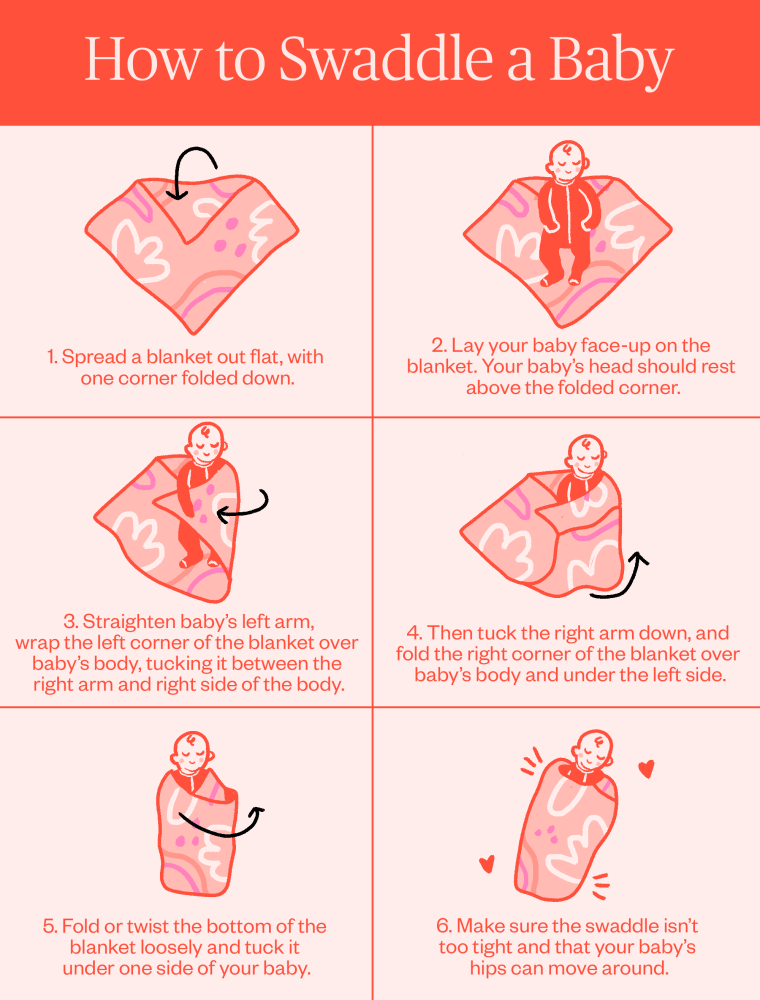
Swaddling too tightly around the hips can cause hip dysplasia. This condition affects the proper development of the hip joints. Babies need enough room for their legs to move and bend naturally. Restricting leg movement may increase the risk of hip problems later in life.
Overheating Concerns
Swaddling can make a baby too warm. Overheating is dangerous and linked to sudden infant death syndrome (SIDS). Babies cannot regulate their body temperature well. Using thick blankets or wrapping too tightly increases this risk. It is important to use light fabrics and check the baby’s temperature regularly.
Breathing Difficulties
Incorrect swaddling may block a baby’s airway. Wrapping the chest too tightly limits lung expansion. This can cause breathing problems and distress. Babies must be swaddled loosely enough to allow natural breathing. Always place the baby on their back to reduce risks.
Sleep Problems
Swaddling is popular for calming babies, but it can cause sleep problems. Restricting a baby’s movements might interfere with natural sleep patterns. Many babies need to learn how to fall asleep on their own. Swaddling can make this difficult and may lead to trouble sleeping.
Startle Reflex Interference
The startle reflex helps babies adjust during sleep. Swaddling stops this reflex by holding their arms tight. Without this reflex, babies might wake up more often. The lack of movement can confuse their sleep cycle. This leads to shorter and less restful sleep periods.
Reduced Self-soothing
Babies use their hands to calm themselves when they wake. Swaddling keeps their hands trapped, limiting this ability. Without self-soothing, babies rely on others to help them sleep. This can cause more frequent waking and fussiness at night. Teaching self-soothing is important for healthy sleep habits.
Dependency On Swaddle
Babies can become dependent on swaddling to fall asleep. If they wake without the swaddle, they may struggle to go back to sleep. This dependency can make sleep transitions harder as they grow. Gradually reducing swaddling helps babies learn to sleep independently. Otherwise, sleep problems might continue longer than needed.
Safety Issues
Swaddling a baby may seem comforting, but safety issues can arise. Parents must understand risks linked to swaddling. Incorrect methods and unsafe materials increase dangers. Awareness helps protect infants from harm during sleep.
Improper Swaddling Techniques
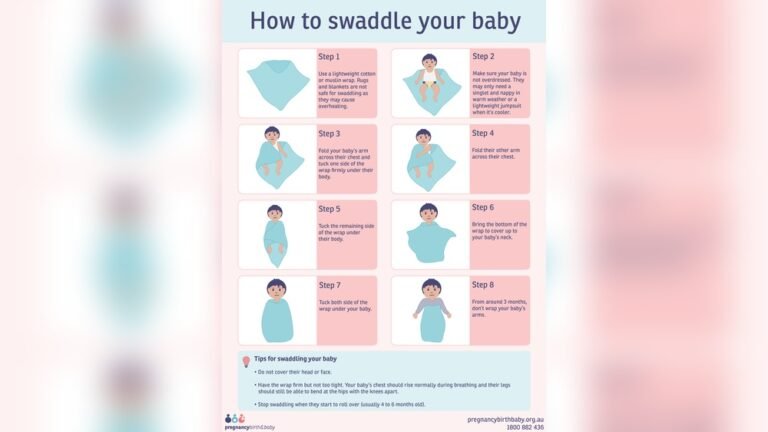
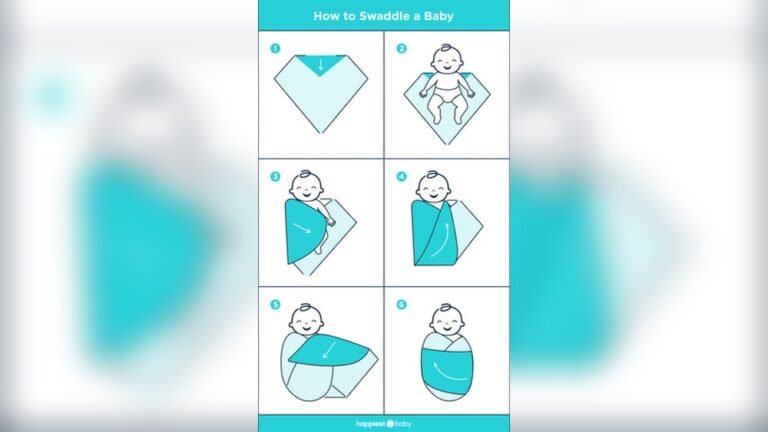
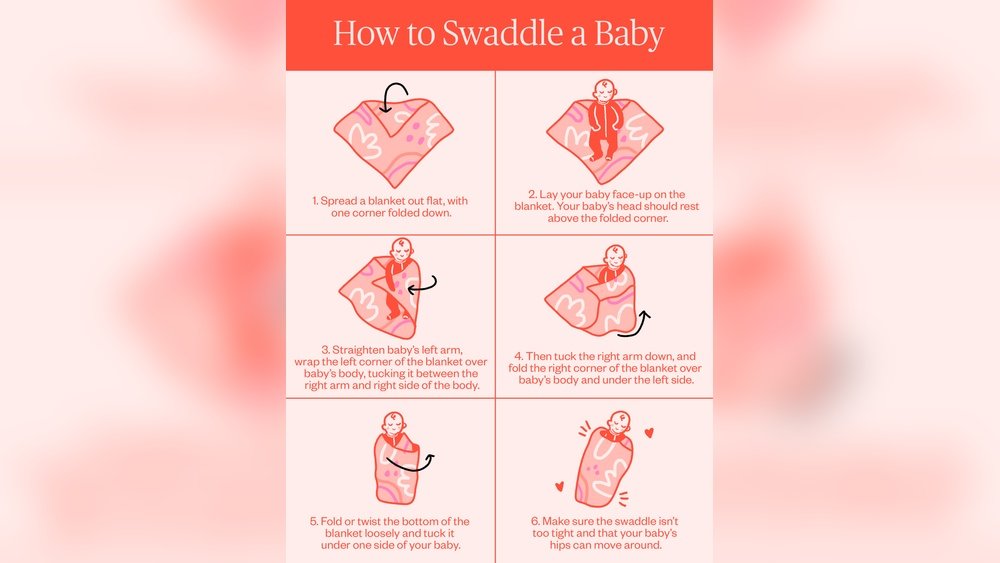
Swaddling too tightly can restrict a baby’s breathing. Wrapping too loosely may cause the fabric to unravel. Both can lead to discomfort or injury. Babies need freedom to move hips and legs safely. Incorrect swaddling raises the chance of hip dysplasia. Proper technique is crucial for infant safety.
Risk Of Sudden Infant Death Syndrome
Swaddling has been linked to higher Sudden Infant Death Syndrome risk. Babies who roll over while swaddled face breathing problems. Restricting arm movement can prevent self-soothing or repositioning. Experts recommend stopping swaddling as babies grow stronger. Safe sleep practices reduce SIDS risks effectively.
Loose Blankets Hazards
Loose blankets in the crib can cover a baby’s face. This blocks airflow and causes overheating. Swaddles that come undone become loose blankets. These increase the risk of suffocation. Using tight, secure swaddles or safe alternatives avoids this danger. Keeping the crib free of loose bedding is vital.

Credit: www.youtube.com
Developmental Impact
Swaddling a baby can affect their development in several ways. It limits how they move and explore their surroundings. These limits can slow down important skills babies need to grow strong and confident. Understanding these impacts helps parents make better choices for their child’s growth.
Limited Arm Movement
Swaddling wraps the baby tightly, stopping arm movement. Babies need to move their arms freely to learn muscle control. Restricted arms can cause frustration and reduce their ability to self-soothe. Moving arms helps babies develop strength and coordination.
Delayed Motor Skills
Swaddling can delay when babies reach motor skill milestones. Skills like reaching, grabbing, and rolling take practice. When babies are swaddled for long periods, they miss chances to practice these skills. Delays may affect crawling and walking later on.
Restricted Exploration
Exploration is key to brain and body development in babies. Swaddling limits their ability to touch and discover objects. This restriction can slow sensory learning and curiosity. Babies learn about the world by moving and exploring freely.
Parenting Challenges
Swaddling may seem like a simple way to soothe a baby. Parents often use it to help infants sleep better. Yet, swaddling can bring several parenting challenges. These challenges can make daily care harder. Understanding these can help parents prepare and adapt.
Difficulty Transitioning Out
Babies get used to the tight feeling of swaddling. This can make it hard for them to adjust later. When parents stop swaddling, babies may resist. They might cry more or have trouble sleeping. The transition requires patience and gentle steps. Rushing can increase stress for both baby and parent.
Increased Night Wakings
Some babies wake up more often when swaddled. The restricted movement can cause discomfort. Babies may startle themselves awake despite the swaddle. They can also feel trapped and cry out. This leads to more frequent night wakings. Parents then face tired nights and more soothing duties.
Swaddle Dependency Stress
Babies can become dependent on swaddling to sleep. This creates stress if the swaddle is not available. Parents might worry about what to do on trips or outings. The baby may refuse to sleep without swaddling. This dependency adds pressure and limits flexibility. Parents often feel stuck in a strict routine.

Credit: happikiddo.wordpress.com
Safe Alternatives
Swaddling can have drawbacks, so many parents seek safer options. Safe alternatives offer comfort and warmth without tight wrapping. These choices support natural movement and reduce risks linked to swaddling. Using these alternatives helps babies sleep safely and soundly.
Sleep Sacks And Wearable Blankets
Sleep sacks act like wearable blankets. They keep babies warm without loose bedding. These sacks allow free arm movement and lower the risk of suffocation. Parents can choose from various sizes and materials. Sleep sacks create a cozy and secure sleep environment.
Arms-free Swaddles
Arms-free swaddles let babies keep their arms out. They provide gentle snugness without full restriction. This design helps babies self-soothe while staying safe. Arms-free swaddles reduce the chance of overheating. They are ideal for babies who dislike full swaddling.
Breathable Cotton Pajamas
Breathable cotton pajamas keep babies comfortable and dry. They allow good air flow and reduce sweating. Cotton pajamas prevent overheating during sleep. These pajamas come in soft fabrics that are gentle on skin. They are a simple, safe way to dress babies for sleep.
Newborn Gowns
Newborn gowns offer warmth without tight wrapping. They are loose-fitting and easy to change. Gowns keep babies cozy while allowing natural movement. Parents find gowns convenient for quick diaper changes. They provide a safe alternative to swaddling blankets.
Transition Tips
Transitioning your baby out of swaddling can be challenging. Babies grow used to the snug feeling. Removing swaddling suddenly may disrupt their sleep. Gentle steps help ease this change. These tips support a calm and smooth transition.
Gradual Swaddle Removal
Start by loosening the swaddle each night. Allow the baby’s arms to move a little more. Over several days, increase this freedom. This slow change helps the baby adjust comfortably. It reduces waking from sudden changes.
Partial Swaddling
Try swaddling with one arm out first. Then, after a few nights, both arms free. This method gives the baby space to move. It keeps some security while gaining independence. Partial swaddling offers a balanced way to transition.
Using White Noise
White noise can mimic the womb environment. Use a soft, steady sound during sleep times. It soothes and calms the baby. This helps keep sleep deep without the swaddle. White noise supports the baby’s comfort during change.
Consistent Sleep Routine
Keep sleep times regular every day. A steady routine signals the baby it is time to rest. Include calming activities before bed. This predictability helps the baby feel safe. Consistent routines ease the move away from swaddling.
Baby Massage Techniques
Gentle massage relaxes the baby’s body and mind. Use soft strokes on arms, legs, and back. This helps release tension and promotes sleep. Massage can replace the calming effect of swaddling. It strengthens the bond and soothes your baby.
Credit: www.today.com
Frequently Asked Questions
What Is The Alternative To Swaddling A Newborn?
Alternatives to swaddling include sleep sacks, wearable blankets, or leaving one arm out of the swaddle. Newborn gowns and breathable cotton pajamas also provide comfort without restricting movement. Using white noise and gentle baby massage can further soothe your newborn for better sleep.
What Is The Hardest Week Of A Newborn?
The hardest week for a newborn is typically the second week. Babies face feeding challenges and sleep disruptions then. Parents often notice increased fussiness and adjustment as the baby adapts to life outside the womb.
Why Is Swaddling Not Recommended Anymore?
Swaddling is not recommended due to risks of hip dysplasia and overheating. It may also increase SIDS risk if done improperly.
Do Pediatricians Recommend Swaddling?
Pediatricians recommend swaddling newborns for comfort and better sleep, but advise stopping by two months to prevent risks.
Conclusion
Swaddling a baby may seem helpful but has clear drawbacks. It can limit movement and affect muscle growth. Overheating and hip problems are risks too. Choosing safer alternatives like sleep sacks or breathable pajamas protects your baby better. Always watch your baby’s comfort and safety first.
Remember, gentle care helps your baby sleep soundly and grow strong.