
Why Do Babies Need Scratch Mittens: Essential Tips for Parents
Have you ever wondered why scratch mittens are often recommended for babies? If you’re a parent or caregiver, you want to protect your little one from those tiny, accidental scratches that can happen when they wiggle their hands.
But are scratch mittens really necessary? And could they affect your baby’s development in ways you haven’t considered? Understanding why babies need scratch mittens—and when to use them—can help you make the best choice for your child’s comfort and safety.
Keep reading to discover the surprising reasons behind scratch mittens and how they can play a role in your baby’s early days.

Credit: www.gulfkiddievibes.com
Purpose Of Scratch Mittens
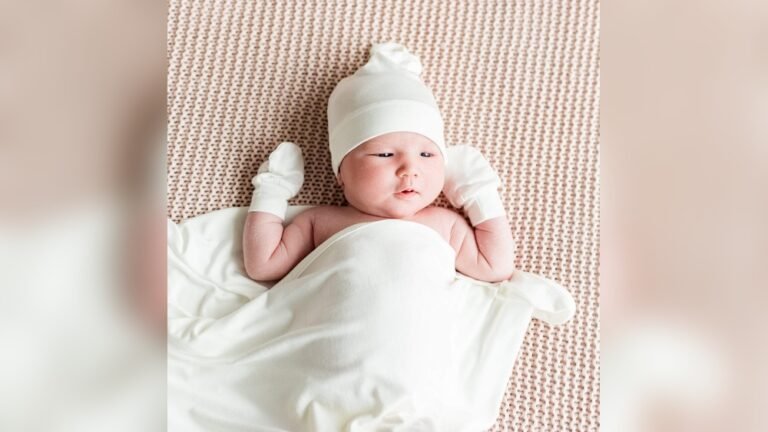
Scratch mittens serve an important role in newborn care. Babies have little control over their hand movements. Their nails grow fast and can be sharp. These factors can cause accidental scratches. Mittens help keep babies safe from these injuries.
Preventing Facial Scratches
Babies often move their hands near their faces. Their nails can easily scratch their cheeks, eyes, and nose. Scratch mittens act as a soft barrier. They stop babies from harming their delicate facial skin. This protection reduces discomfort and the chance of scarring.
Protecting Sensitive Skin
Newborn skin is very thin and fragile. It can tear or get irritated quickly. Scratch mittens provide a gentle cover for the hands. This helps avoid skin damage caused by rough nails. Keeping the skin intact supports healthy growth and comfort for the baby.
Avoiding Infections
Scratches can open the skin and create wounds. Open wounds are easy entry points for germs and bacteria. Babies’ immune systems are still developing. Scratch mittens lower the risk of infection by preventing these wounds. This safety measure helps keep babies healthier.

Credit: www.little-mouse.co.uk
When To Use Scratch Mittens
Scratch mittens protect babies from scratching their delicate skin. Knowing when to use them helps keep babies safe and comfortable. Parents often wonder about the best times for mittens. Understanding these moments ensures babies get the right care without limiting their movement.
Newborn Phase
During the newborn phase, babies have little control over their hand movements. Their nails grow quickly and can scratch their face. Using scratch mittens can prevent accidental scratches. However, mittens should not be on all the time. Allowing some time without mittens helps babies explore textures with their hands.
During Sleep
Babies often move their hands during sleep. This movement can cause scratches on their face. Scratch mittens provide a soft barrier to protect their skin. Use mittens especially during naps and nighttime sleep. It keeps babies safe without disturbing their rest.
Times Of Fussiness
When babies are fussy, they tend to rub their faces more. This can cause redness or small scratches. Scratch mittens soothe this behavior by covering their nails. They help calm babies and protect their skin during these restless moments.
Risks Of Overusing Mittens
Scratch mittens protect babies from scratching themselves. But overusing them can cause problems. Babies need to use their hands to learn and grow. Too much mitten use may slow this process. Parents should balance protection with natural hand use. Understanding the risks helps keep babies safe and happy.
Hindering Motor Skill Development
Babies learn by moving their fingers and hands. Scratch mittens can stop this movement. When hands are covered, babies get less practice. This slows their ability to grasp and hold objects. Early hand use builds brain connections. Overusing mittens may delay these important skills.
Limiting Sensory Exploration
Touch is a key way babies explore the world. Mittens block feeling textures and temperatures. Babies miss chances to learn from their environment. Sensory play helps with brain and emotional growth. Covering hands too much reduces these learning moments. Babies need bare hands to feel and discover.
Potential For Overheating
Mittens add extra warmth to a baby’s hands. If worn too long, they may cause overheating. Babies cannot cool down well by themselves. Overheated hands can make babies uncomfortable or fussy. It may also increase the risk of skin irritation. Use mittens only when needed, and watch for signs of heat.
Choosing The Right Mittens
Choosing the right scratch mittens for babies is essential. Mittens protect tiny skin from accidental scratches. Babies move their hands a lot and can hurt themselves. The right mittens keep them safe without causing discomfort. Selecting mittens involves understanding materials, fit, and breathability. These factors ensure comfort and effectiveness.
Material Considerations
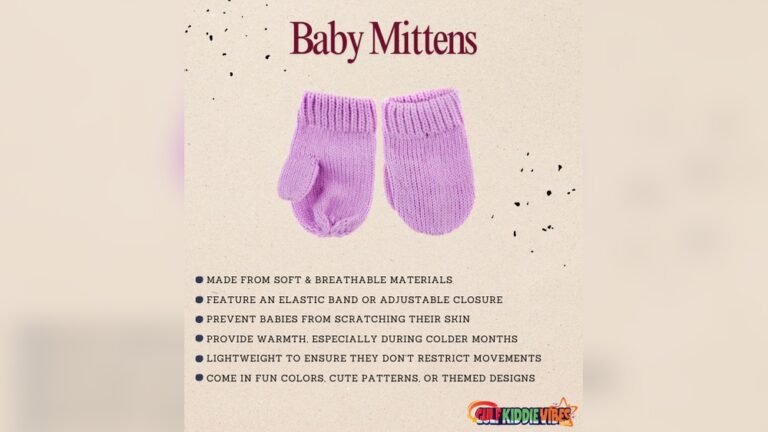
Soft fabrics prevent irritation on baby’s sensitive skin. Cotton is gentle and natural, making it a great choice. Avoid rough or synthetic materials that may cause rashes. Hypoallergenic materials reduce the risk of allergies. Wash mittens before first use to remove any chemicals. Quality fabric ensures mittens last through many washes.
Proper Fit And Comfort
Mittens must fit snugly but not too tight. Loose mittens can slip off and fail to protect. Tight mittens may restrict blood flow or cause discomfort. Choose mittens with adjustable wristbands or elastic cuffs. Comfort helps babies keep mittens on longer. Always check mittens regularly to ensure a good fit.
Breathability Factors
Breathable mittens prevent overheating and sweat build-up. Fabrics like cotton allow air to circulate well. Avoid plastic or vinyl mittens that trap heat and moisture. Proper airflow keeps baby’s skin dry and healthy. Breathable mittens reduce the chance of skin irritation. This makes them safer for daily wear.
Alternatives To Scratch Mittens
Babies often wear scratch mittens to protect their delicate skin from accidental scratches. Yet, some parents seek other ways to keep their infants safe without mittens. Several simple and effective alternatives exist that help prevent scratches while supporting natural hand movement and growth.
Frequent Nail Trimming
Keeping your baby’s nails short reduces the risk of scratches. Use baby nail clippers or a soft emery board. Trim nails carefully and regularly, especially during growth spurts. Short nails are less likely to cause accidental scratches.
Using Soft Clothing Layers
Dress your baby in soft, long-sleeved clothing. Lightweight layers gently cover their hands and arms. This creates a natural barrier without restricting movement. Choose breathable fabrics to keep your baby comfortable throughout the day.
Keeping Baby’s Hands Clean
Clean hands reduce irritation and the chance of scratches from dirt or rough skin. Gently wash your baby’s hands with warm water and mild soap. Dry thoroughly and moisturize if needed. Healthy skin is less prone to damage from scratching.

Credit: kytebaby.com
Monitoring Baby’s Comfort
Monitoring a baby’s comfort is essential for their health and happiness. Babies cannot tell us when they feel too hot or cold. Parents and caregivers must watch closely to ensure the baby stays comfortable. Scratch mittens help protect babies’ skin but should not cause overheating or restrict movement. Checking the baby’s comfort regularly keeps them safe and calm.
Signs Of Overheating Or Cold
Babies show clear signs if they feel too hot or cold. Overheating can cause flushed skin, sweating, or restlessness. Cold babies may have pale or blotchy skin and might shiver. Fussiness or lethargy also signals discomfort. Watch your baby’s skin color and behavior to spot these signs early.
Checking Skin And Behavior
Touch your baby’s chest or back to check their temperature. Hands and feet may feel cool, but the core should be warm. Observe if the baby is calm or fussy. Changes in sleep patterns or unusual quietness may mean they are uncomfortable. Regular checks help maintain the right balance.
Adjusting Clothing Layers
Add or remove layers based on your baby’s needs. Use breathable fabrics to avoid overheating. Scratch mittens should fit well without tightness. Keep the room temperature comfortable for the baby. Simple adjustments keep babies cozy and protect their delicate skin.
Tips For Parents
Parents often wonder how to use scratch mittens properly for their babies. These small gloves protect babies from scratching their delicate skin. Using them right helps keep babies safe while supporting their natural growth.
Here are some helpful tips for parents to balance safety and comfort with scratch mittens.
Balancing Protection And Freedom
Scratch mittens protect babies from accidental scratches. At the same time, babies need to move their hands freely to explore textures. Allowing some time without mittens helps develop hand coordination and sensory skills. Use mittens mainly during sleep or times when your baby tends to scratch themselves.
When To Remove Mittens
Remove mittens once your baby can control their hand movements better. Overuse may slow down their ability to touch and feel objects. Watch for signs like reduced scratching or improved motor skills. Also, remove mittens during playtime to encourage interaction with toys.
Consulting Pediatric Advice
Always ask your pediatrician about using scratch mittens. They can guide you on when and how long to use them. Pediatric advice ensures mittens support your baby’s health without affecting development. Share any skin concerns or behavioral changes with your doctor for tailored advice.
Frequently Asked Questions
Do Babies Have To Wear Scratch Mittens?
Babies don’t have to wear scratch mittens constantly. Use them briefly to prevent scratching but allow hand movement and sensory development.
How To Tell If A Newborn Is Too Cold?
Check your newborn’s chest, back, or neck for coolness or paleness. Notice shivering, fussiness, or sluggishness. A tucked-in position also signals cold. Hands and feet may feel cool, but the torso should stay warm.
How Long Do Babies Wear Anti-scratch Mittens?
Babies typically wear anti-scratch mittens for the first 6 to 12 weeks. Remove them once nails are trimmed and scratching decreases.
Is It Bad To Have Babies’ Hands Covered All The Time?
Covering babies’ hands constantly can limit their motor skill development and sensory exploration. Allow hands to move freely for natural growth. Use mittens only to prevent scratching or in cold weather, not all the time.
Conclusion
Babies need scratch mittens to protect their delicate skin. They help prevent accidental scratches from sharp nails. Mittens also keep little hands warm in cooler weather. Yet, babies still need time to explore and move their hands freely. Parents should use mittens wisely, balancing safety and natural development.
Choosing soft, breathable mittens ensures comfort and prevents irritation. Watching your baby’s behavior helps decide when to use or remove mittens. Scratch mittens offer simple protection without stopping babies from learning through touch. They support safe, happy growth during early months.