Step by Step Guide to Using Baby Stroller: Easy Tips for New Parents
Are you new to using a baby stroller and feeling a bit overwhelmed? You’re not alone.
A stroller is more than just a way to get around—it’s your baby’s safe and comfy ride wherever you go. But how do you make sure you’re using it right? From choosing the right type to mastering the folding and safety features, this step-by-step guide will walk you through everything you need to know.
By the time you finish reading, you’ll feel confident and ready to enjoy every stroll with your little one. Let’s get started!
Choosing The Right Stroller
Choosing the right stroller sets the foundation for stress-free outings. A good stroller suits your child’s needs and your daily routine. It offers comfort, safety, and ease of use. This section breaks down how to find the perfect stroller for your family.
Types Of Strollers
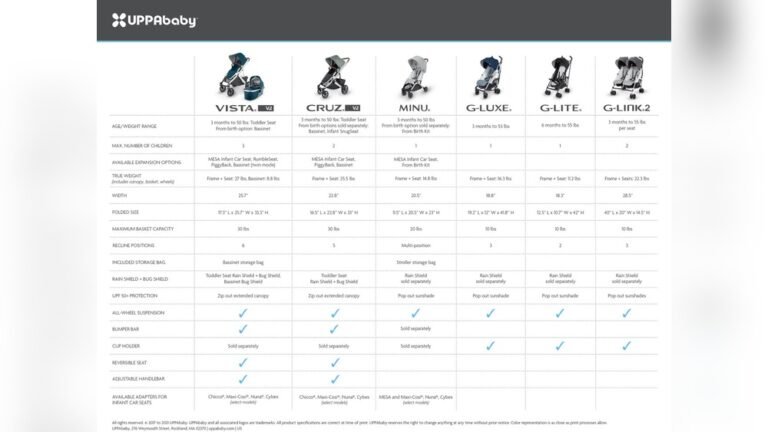
Standard strollers work well for everyday use. They are sturdy and often come with storage space. Lightweight strollers are easy to carry and fold. Ideal for quick trips or travel. Jogging strollers have bigger wheels and better suspension. Perfect for active parents who like running. Travel systems include a car seat and stroller combo. This option saves money and simplifies transport. Double strollers carry two children side-by-side or tandem. Choose based on your family size and space needs.
Key Features To Consider
Check the stroller’s weight and size for convenience. Look for adjustable handlebars to fit your height. A reclining seat keeps your baby comfortable during naps. A sturdy harness ensures your child’s safety. Wheels should be durable and suit your terrain. Suspension helps smooth out bumpy rides. Storage baskets hold diaper bags and essentials. Canopies protect from sun and rain. Easy folding mechanisms save time and effort.
Matching Stroller To Lifestyle
Think about where you will use the stroller most. City dwellers need compact, easy-to-maneuver strollers. Outdoor users benefit from rugged wheels and strong frames. Parents who travel often should select lightweight, foldable models. Families with multiple kids might prefer double or convertible strollers. Consider your budget and how long you plan to use it. Choose a stroller that fits your everyday needs and grows with your child.

Credit: www.youtube.com
Setting Up Your Stroller
Setting up your stroller correctly is important for safety and comfort. This process ensures your baby rides smoothly and securely. Follow these simple steps to prepare your stroller before every outing.
Attaching Wheels
Start by attaching the wheels firmly to the stroller frame. Most strollers have a click-in system. Push each wheel onto its axle until you hear a click sound. Check that each wheel spins freely and locks properly. Locked wheels help keep the stroller steady when parked.
Adjusting Seat And Canopy
Adjust the seat to fit your baby’s size and comfort. Many strollers offer reclining options for napping or sitting up. Next, set the canopy to protect your child from sun or wind. Pull it forward or backward as needed. A well-adjusted seat and canopy create a cozy space for your baby.
Installing Car Seat Or Bassinet
Securely install the car seat or bassinet on the stroller frame. Use the adapter or attachment system designed for your model. Make sure the car seat clicks into place and does not move side to side. The bassinet should sit flat and stable. Proper installation keeps your baby safe during travel.
Operating Your Stroller
Operating your baby stroller correctly ensures safety and comfort during every outing. Familiarity with its basic functions helps you move smoothly and keep your child secure. This section covers essential steps for handling your stroller with ease.
Folding And Unfolding Steps
Start by locating the release buttons or levers on your stroller. Press or pull these controls to unlock the frame. Gently fold the stroller until it clicks into its compact shape. To unfold, release the lock and open the stroller fully. Ensure the frame locks securely before placing your baby inside.
Adjusting Harness And Footrest
Check the harness straps to fit snugly around your child. Adjust the buckles or sliders for a secure hold without tightness. The footrest should support your baby’s legs comfortably. Raise or lower it according to your child’s height and seating position. Proper adjustment prevents discomfort and improves safety.
Using Handle And Lock Mechanisms
Hold the stroller handle firmly for smooth steering and control. Some strollers offer adjustable handles to fit your height. Use the locking mechanism on the wheels to keep the stroller stationary. Engage the brakes fully before stopping or parking. This prevents accidental movement and keeps your baby safe.
Credit: www.chiccousa.com
Safe Practices With Stroller Use
Using a baby stroller safely protects your child during every outing. Following safe practices ensures comfort and prevents accidents. Simple steps make stroller use secure and worry-free. Focus on how to strap your baby, lock the stroller properly, and avoid common dangers. These actions keep your baby safe and happy.
Properly Strapping Your Baby
Always use the stroller’s harness system. Make sure straps fit snugly but not too tight. Check that the buckles click securely. Position straps over your baby’s shoulders and between their legs. Adjust straps as your baby grows. Never leave your baby unstrapped in the stroller.
Locking Stroller For Stability
Engage the stroller’s brake before placing your baby inside. Confirm that all locks on wheels are fully set. Check for any loose parts before walking. Use locks when stopping on slopes or uneven ground. This prevents the stroller from rolling away. Always test stability before use.
Avoiding Common Hazards
Keep the stroller away from busy streets and driveways. Avoid hanging heavy bags on the handles to prevent tipping. Watch for cracks or broken parts on the stroller. Use sunshades to protect your baby from direct sunlight. Never leave the stroller unattended near water or stairs. Stay alert to your surroundings at all times.
When To Transition From Bassinet To Seat
Transitioning your baby from the bassinet to the stroller seat is an important step. This change allows your little one to explore the world more actively. Timing this switch right ensures comfort and safety. Watch your baby’s development closely to know the best moment to move on.
Signs Your Baby Is Ready
Your baby shows clear signs when ready for the seat. Rolling over often means they need a secure spot. Strong head and neck control helps them sit upright without support. If your baby grows too big or heavy for the bassinet, it is time. Restlessness or eagerness to see around suggests readiness too.
Benefits Of Bassinet Use
The bassinet offers many benefits for newborns. It provides a flat surface that supports the spine safely. This flat position helps keep airways open and clear. The cozy space limits movement, reducing risks during early months. It also keeps your baby close and comfortable during strolls.
Consulting Guidelines And Experts
Follow safety guidelines from health experts and stroller makers. Pediatricians can offer personalized advice for your baby’s needs. Check the stroller manual for age and weight limits. Experts suggest waiting until your baby can hold their head steady. Keep safety as your top priority during the transition.
Maintenance And Care
Proper maintenance and care keep your baby stroller safe and long-lasting. Regular attention prevents damage and ensures smooth rides. A clean stroller looks good and protects your baby from germs. Follow simple steps for cleaning, safety checks, and storage.
Cleaning Tips
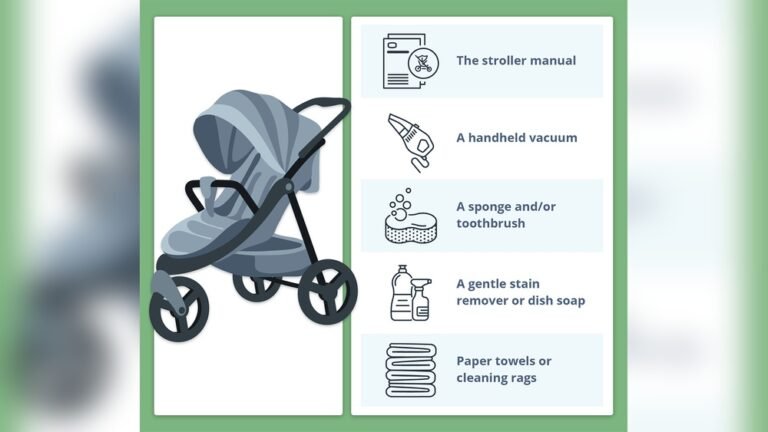
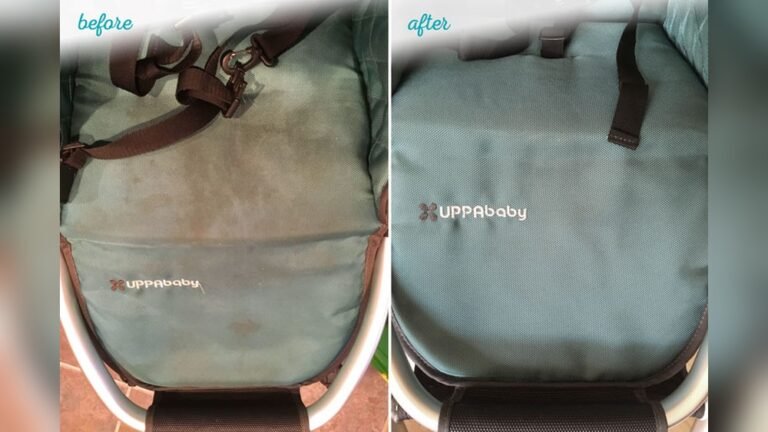
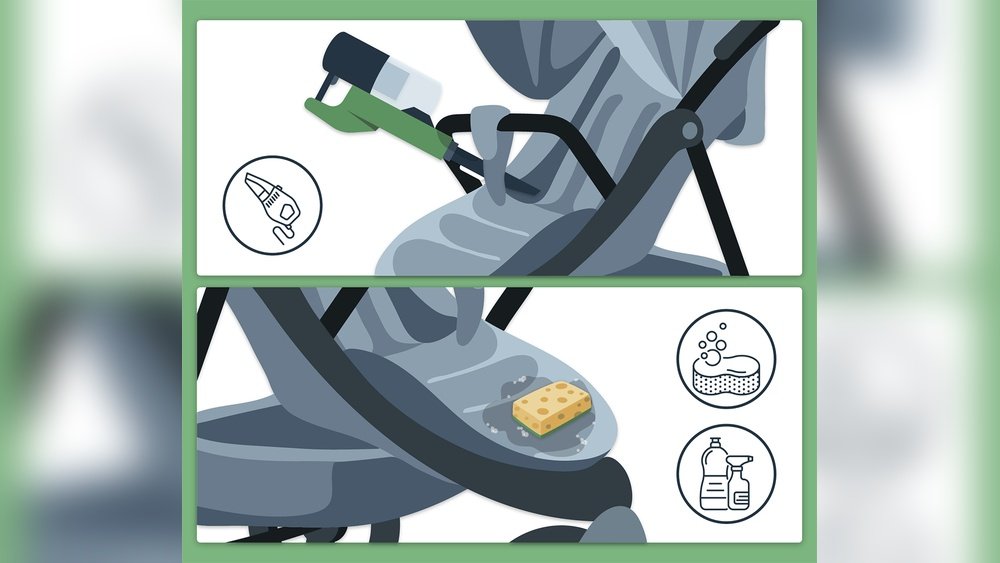
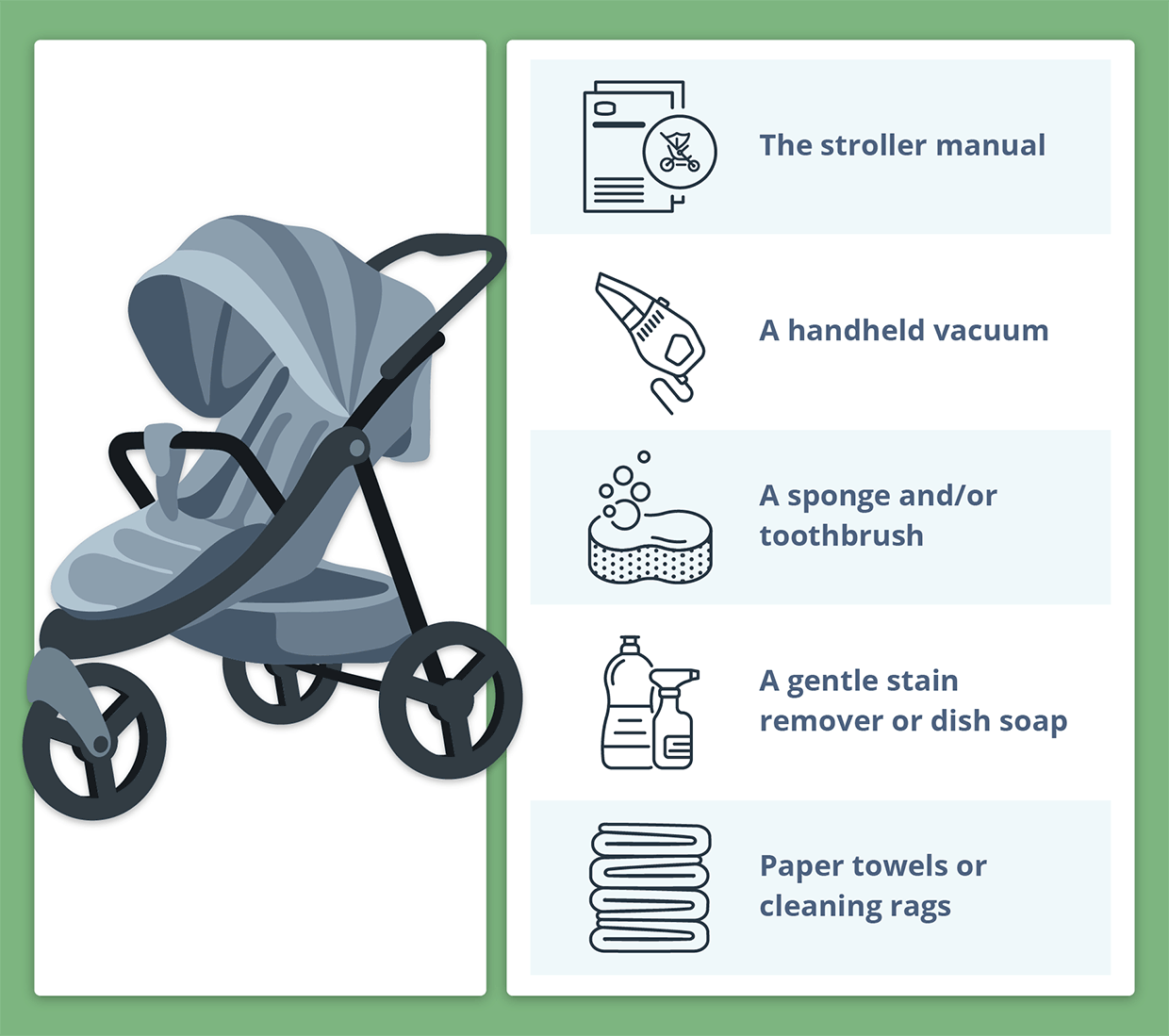
Remove crumbs and dirt daily using a soft brush. Wipe fabric parts with mild soap and warm water. Avoid harsh chemicals that can damage materials. Clean wheels and frame to prevent buildup of mud or dust. Let all parts dry completely before use.
Regular Safety Checks
Check brakes to make sure they lock firmly. Inspect harness straps for frays or tears. Test wheel locks and swivels for smooth movement. Tighten loose screws and bolts regularly. Replace any worn or broken parts immediately.
Storage Recommendations
Store the stroller in a dry, cool place to avoid rust. Keep it away from direct sunlight to protect fabric colors. Fold it properly to save space and prevent damage. Cover with a breathable cloth to keep dust away. Avoid placing heavy objects on top of the stroller.
Traveling With Your Stroller
Traveling with your stroller makes outings easier and more enjoyable. Having a stroller on hand means your baby stays comfortable and safe. Planning ahead helps you manage the stroller smoothly during trips. This section covers essential tips for transport, terrain, and packing.
Transport Options
Choose a stroller that fits your travel needs. Compact strollers work well for public transport and planes. Some models fold quickly to save space. Consider lightweight strollers for easy carrying. Check if your stroller fits in car trunks or overhead bins. Use stroller bags for extra protection during flights.
Navigating Different Terrains
Strollers face various surfaces outdoors. Smooth wheels perform best on pavement and malls. Air-filled tires handle rough paths like gravel or grass better. Lock the stroller wheels when stopping on uneven ground. Use stroller suspension to absorb bumps. Avoid sharp turns to keep your baby stable.
Packing Essentials
Pack items to keep your baby happy and safe. Bring water, snacks, and a change of clothes. A sunshade or rain cover protects against weather. Include wipes and diapers for quick cleanups. Use stroller organizers to keep essentials handy. Don’t forget toys to entertain your little one.

Credit: silvercirclepets.co.uk
Frequently Asked Questions
How To Operate A Baby Stroller?
Unlock and unfold the stroller fully. Ensure all locks click into place. Adjust the seat, harness, and canopy. Place your baby securely, fastening the safety straps. Push the stroller using the handlebar, avoiding rough surfaces. Fold it by releasing locks and collapsing carefully for storage or transport.
What Is The Newborn 2 Hour Rule?
The newborn 2 hour rule advises feeding or changing your baby every two hours. This prevents hunger and discomfort, supporting healthy growth.
At What Age Should A Baby Use A Stroller?
Babies can use strollers from birth with a bassinet attachment. Switch to a seat when they sit upright independently.
When To Switch Baby From Bassinet To Stroller?
Switch your baby from bassinet to stroller once they can sit upright with good head control or start rolling over. Also, switch if they outgrow the bassinet or show restlessness. Always follow the stroller’s weight and age guidelines and consult your pediatrician if unsure.
Conclusion
Using a baby stroller becomes easier with practice and care. Always check all parts before each use. Secure your baby with the harness every time. Adjust the seat and canopy to keep your baby comfortable. Folding and unfolding the stroller safely saves time and effort.
Follow the steps carefully to enjoy smooth strolls. Remember, safety and comfort come first for happy outings. Keep this guide handy to help you anytime. Enjoy your walks with confidence and peace of mind.