
Is SNOO Worth It? A Realistic Look at the Robotic Bassinet
Whether a snoo is worth it depends on your budget and how much you value extra sleep, as it’s a premium robotic bassinet that costs between $1,000 and $1,700 depending on the model and whether you rent or buy. It effectively uses motion and white noise to soothe infants, but it won’t replace the need for regular feeding or diaper changes.
Is the Snoo worth the investment

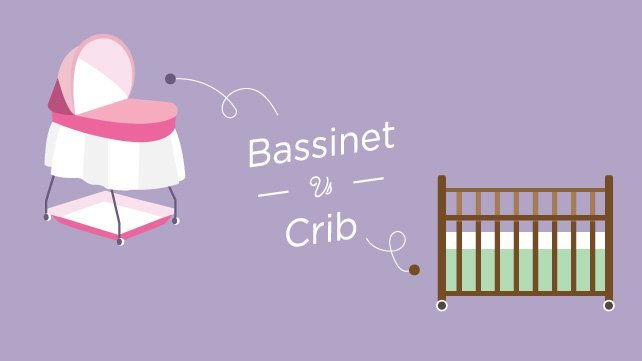
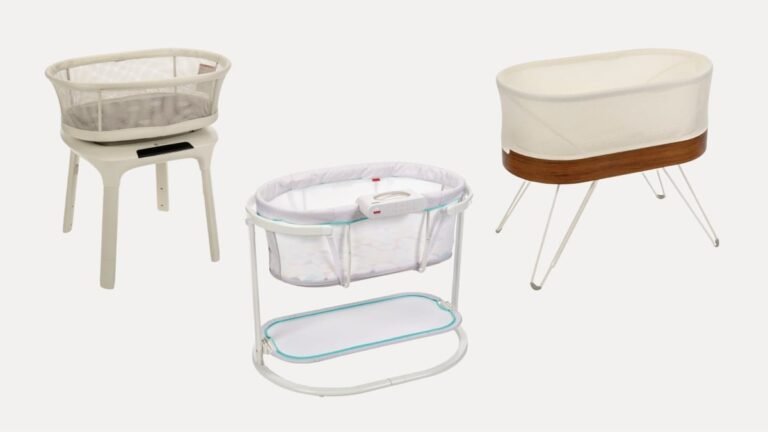
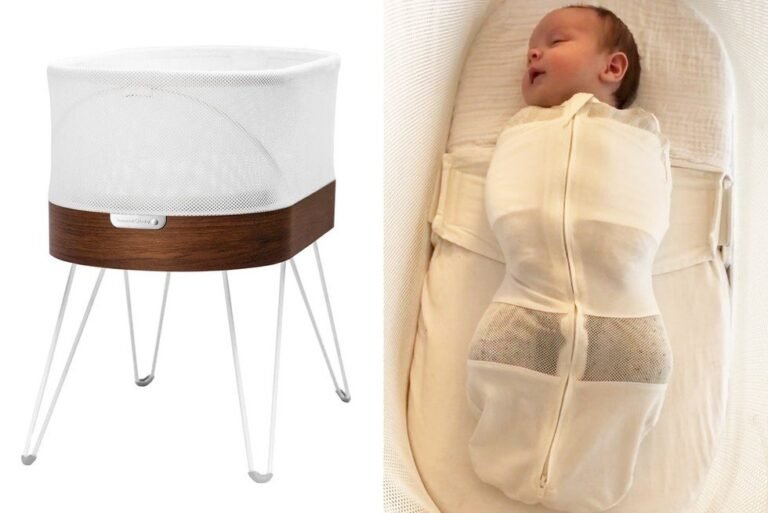
Choosing between a standard bassinet and a robotic one involves balancing your financial budget against the potential for more rest during the first six months. While traditional bassinets provide a safe, stationary place for a baby to sleep, the automated system in this device is designed to detect crying and respond with movement and sound to help the infant settle back down.
| Feature | Standard Bassinet | Robotic Bassinet |
|---|---|---|
| Typical Cost | $100 – $300 | $1,000 – $1,700 |
| Soothing Method | Manual rocking | Automated motion/sound |
| Sleep Duration | Varies by infant | Often longer intervals |
| Safety Features | Firm mattress | Secure swaddling system |
If you’re a light sleeper who struggles to fall back asleep after a middle-of-the-night wake-up, the robotic option is likely worth the premium. These devices intervene before a full-blown cry, potentially saving you twenty minutes of soothing per cycle. However, if your infant is naturally a calm sleeper, the automation offers no measurable benefit over a stationary bed.
The most common mistake is buying the unit new without checking your local resale market. Because the lifespan of the product is strictly capped at six months, the secondary market is often flooded with gently used units at half the retail price.
If you can’t find a deal, rent the unit for the first three months. If the baby doesn’t take to the motion by week two, you can cancel the subscription early and avoid the full investment cost. Always prioritize a new mattress pad for hygiene, regardless of how you acquire the frame itself.
How to Determine if It Fits Your Situation
A robotic bassinet is a significant purchase, and it’s not the right choice for every family. To decide if it’s worth the price, look at your current sleep patterns and your financial priorities. It works best for parents comfortable with a technology-assisted approach who also understand that it doesn’t eliminate the biological needs of a newborn.
This device isn’t for you if you prefer a low-tech nursery or worry about the transition to a standard crib later. Some babies simply dislike motion. If your infant settles better in a static environment, the bassinet will be an expensive, vibrating paperweight.
If you’re choosing between this and a high-quality standard bassinet, calculate the cost per hour of sleep. If you’re already waking up every two hours regardless of the bassinet’s motion, the technology isn’t solving your specific bottleneck.
Budget is the final filter. If the purchase requires dipping into your emergency fund or delaying essential savings, the stress of the expense will outweigh the marginal sleep gains. If you can rent the unit for a month, do that first. If the baby isn’t sleeping better by day four, return it immediately.
Important Safety Considerations for Parents

Safety is the most important factor when choosing any sleep surface for your infant. The Consumer Product Safety Commission provides clear guidelines on creating a safe environment for your baby, including keeping the area free of blankets, pillows, and stuffed animals. Always ensure the bassinet is placed on a flat, stable surface and that the swaddle is secured properly according to the manufacturer’s instructions.
If your bassinet features a mesh side, ensure the fabric remains taut. If you can pinch more than half an inch of slack, the mesh is too loose and poses a strangulation risk. Check these fasteners every two weeks, as vibration often loosens hardware over time.
Start by using the lowest motion setting to see how your baby reacts before increasing the intensity, as some infants prefer a gentler movement. If the baby cries for more than ten minutes without the device successfully settling them, the motion is likely not the solution. In these cases, intervene manually rather than increasing the intensity to its maximum setting, which can overstimulate a tired infant.
If you notice any mechanical issues, such as the device failing to respond to crying or making unusual noises, stop using it immediately and contact the manufacturer. Never attempt to open the motor housing or modify the internal components, as this can void your warranty and create serious safety hazards. Stick to the external controls and the app settings provided by the company.
Related guides
Frequently Asked Questions
Can the motion harm a newborn?
No, the device is designed with safety in mind and uses gentle, rhythmic motions that mimic the environment of the womb. It has been tested to ensure the movement remains within safe limits for infants, provided you use the integrated swaddle system correctly to keep the baby securely on their back.
Does it guarantee a full night of sleep?
No, it doesn’t guarantee that your baby will sleep through the night. While the automated soothing can help infants settle faster during light sleep transitions, they will still wake up for feedings and comfort throughout the night, especially in the first few months of life.
Is the rental program cheaper than buying?
Yes, the rental program is typically cheaper if you only plan to use the bassinet for the recommended 6-month period. Buying the unit is usually only more cost-effective if you plan to use it for multiple children or if you intend to resell the item after your baby outgrows it.
Conclusion
Before making a decision, look at your local community or online marketplaces to see if you can find a used unit or a rental option to test with your baby. This approach allows you to see if your infant responds well to the motion without committing to the full retail price of a new machine.

I’m Melissa Turner, a mom of two passionate about helping parents make confident buying decisions. I research and review baby gear, compare trusted products, and share practical parenting tips based on careful research. My goal is to simplify shopping with honest, easy-to-understand guides that put safety, comfort, and value first. I focus on baby carriers, strollers, feeding essentials, nursery products, and everyday parenting gear. I hope my recommendations help make your parenting journey a little easier and more enjoyable.