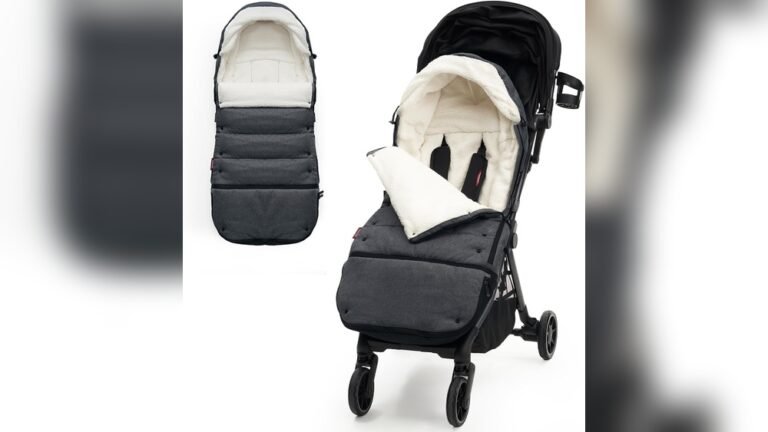
How to Use a Stroller Footmuff Safely for Warm Comfortable Winter Walks
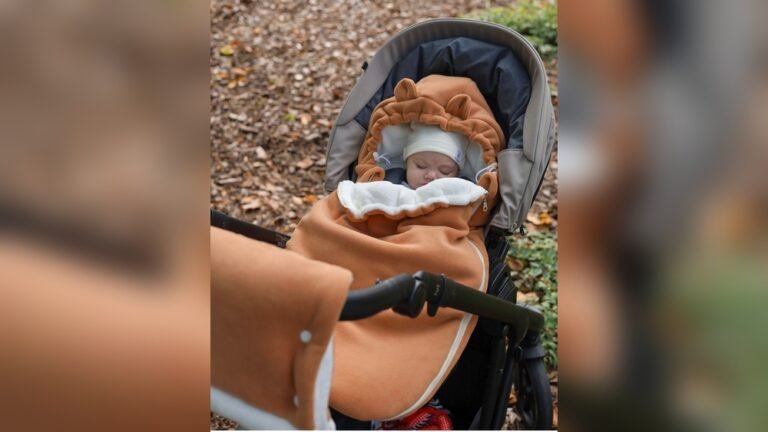
If you want to keep your baby warm and cozy during stroller rides, a stroller footmuff is a must-have accessory. But how do you use it correctly to make sure your little one stays comfortable and secure?
This step-by-step guide will walk you through everything you need to know about fitting, adjusting, and using a stroller footmuff. By the end, you’ll feel confident in setting it up quickly and easily, so your baby can enjoy every outdoor adventure, no matter the weather.
Ready to learn how to make stroller outings more comfortable? Let’s dive in!
Choosing The Right Footmuff
Choosing the right stroller footmuff is important for your baby’s comfort and warmth. It keeps your child cozy during walks in cold weather. Picking a footmuff involves more than just style. Consider the materials, size, and seasonal features to find the best match for your needs.
Materials And Insulation
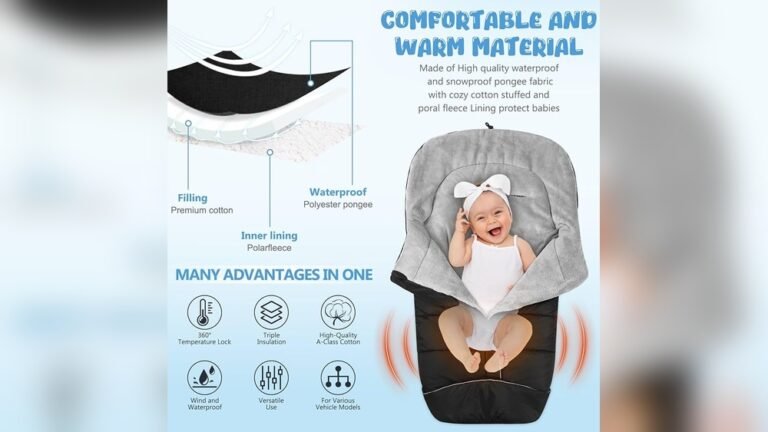
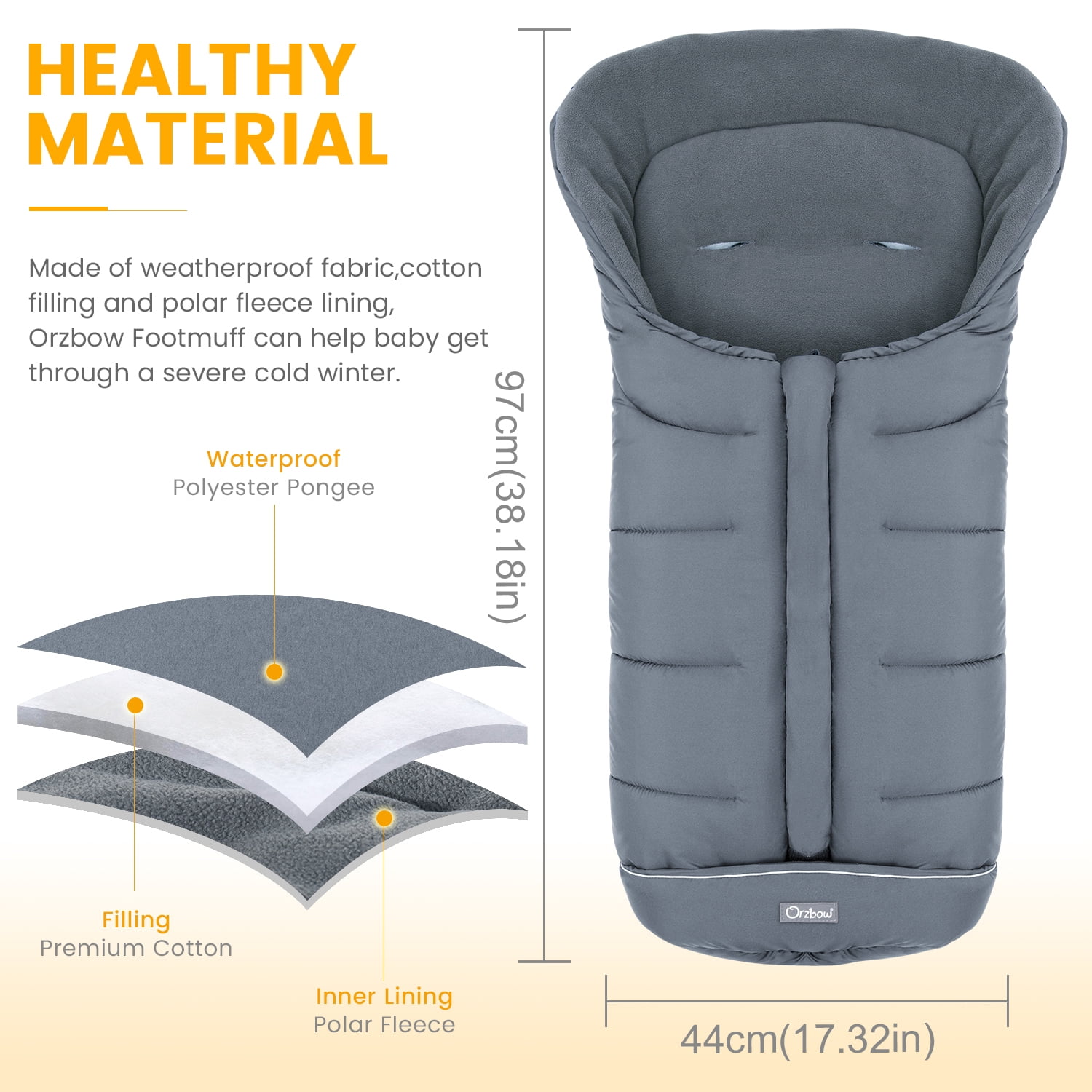
Footmuffs come in various materials like fleece, wool, or synthetic fabrics. Look for soft and breathable fabrics to keep your baby comfortable. Insulation is key for warmth. Down or polyester filling offers good heat retention. Waterproof outer layers protect against rain and snow. Choose materials that are easy to clean and durable.
Size And Compatibility
Check the size of the footmuff to fit your stroller perfectly. A too-small footmuff may not cover your baby well. A too-large one might slip or bunch up. Consider the stroller type and seat size. Some footmuffs have adjustable straps for better fit. Ensure the harness slots match your stroller’s harness system for safety.
Seasonal Features
Some footmuffs suit specific seasons better than others. Thick, insulated models are ideal for winter. Lightweight and breathable footmuffs work well in fall and spring. Some have removable liners or adjustable openings. These features add versatility across seasons. Look for footmuffs with windproof and water-resistant properties for extra protection.
Preparing Your Stroller
Preparing your stroller is the first step before installing a footmuff. It ensures safety and comfort for your baby. A well-prepared stroller makes the footmuff fit better and stay in place.
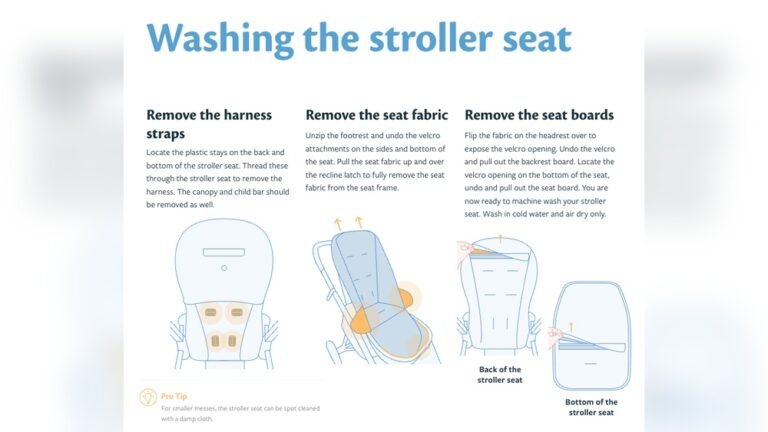
Start by making sure the stroller is clean and free of loose items. Check the harness and frame for any damage. This simple prep helps avoid problems during use.
Removing The Canopy
Take off the stroller’s canopy carefully. This creates more space for the footmuff. Most canopies detach easily by pressing buttons or unclipping fasteners. Keep the canopy in a safe place for later use.
Removing the canopy allows you to open the footmuff fully. This gives your baby plenty of room and easy access. It also helps keep the footmuff stable while walking.
Adjusting Harness Straps
Loosen the harness straps before placing the footmuff. Adjust the straps so they fit your baby securely inside the footmuff. Straps should be snug but not too tight.
Proper strap adjustment prevents the footmuff from slipping. It also ensures your baby stays safe and comfortable. Double-check strap height to match your child’s size.
Cleaning And Maintenance
Clean the stroller before attaching the footmuff. Use a damp cloth to wipe down all surfaces. Remove crumbs, dirt, and dust to keep the footmuff fresh.
Regular cleaning extends the stroller’s life and keeps it hygienic. Check the footmuff’s care instructions too. Wash and dry it as recommended to maintain warmth and softness.
Installing The Footmuff
Installing the stroller footmuff is an easy and quick process. Proper installation keeps your baby warm and comfortable during strolls. Follow these simple steps to fit the footmuff securely in your stroller.
Positioning The Footmuff
Start by placing the footmuff inside the stroller seat. Align it so the back of the footmuff rests against the stroller backrest. Make sure the footmuff’s opening faces upward for easy access. Spread it out flat to avoid any bunching or folds that could be uncomfortable.
Securing With Snaps And Velcro
Locate the snaps or Velcro strips on the footmuff. Attach these fasteners to the corresponding points on the stroller frame or seat. This step locks the footmuff in place and stops it from sliding down. Ensure each snap or Velcro strip clicks or sticks firmly for a strong hold.
Ensuring Stability And Fit
Check the footmuff’s fit by gently pulling on its sides. It should stay snug without shifting or slipping. Adjust the straps or fasteners if needed to tighten the fit. Confirm the stroller harness fits over the footmuff to keep your child safe and secure. A stable footmuff offers warmth and peace of mind on every walk.
Dressing Your Baby
Dressing your baby properly is essential when using a stroller footmuff. The footmuff keeps your child warm, but the right clothing inside adds comfort and safety. Choose clothes that fit well and keep your baby cozy without overheating. Layers work best for adapting to changing weather.
Recommended Clothing Layers
Start with a soft, breathable base layer like a cotton onesie. Add a warm middle layer such as a fleece or wool sweater. Top it with a light jacket if needed, especially on colder days. Avoid bulky clothes that make your baby feel cramped inside the footmuff.
Accessories For Extra Warmth
Use hats to cover your baby’s head, as most heat escapes from there. Mittens keep tiny hands warm and protected. Soft socks or booties prevent cold feet. Choose accessories made from warm, gentle fabrics that do not irritate your baby’s skin.
Safety Tips
Never overdress your baby inside the footmuff to avoid overheating. Check your baby’s neck and back to make sure they feel warm but not sweaty. Always secure the stroller harness over the footmuff to keep your baby safe. Regularly monitor your baby’s comfort during the stroll.
Using The Footmuff Year-round
Using a stroller footmuff all year can keep your baby comfortable and protected. It works in cold weather and can adjust for warmer days. Knowing how to use it through the seasons helps maximize its benefits. This guide explains how to manage temperature changes, when to start and stop using it, and how to clean and store it properly.
Adjusting For Temperature Changes
Choose a footmuff with adjustable layers or ventilation. Open zippers or remove the top layer on warm days. Add blankets or extra clothes inside on colder days. Monitor your baby’s comfort and adjust as needed. Avoid overheating by allowing air to flow through the footmuff. Keep your baby cozy without sweating.
When To Start And Stop Using
Start using the footmuff in early autumn or when temperatures drop below 60°F (15°C). Use it through winter and early spring for warmth and protection. Stop using it once the weather consistently stays above 70°F (21°C). Watch your baby’s reactions to ensure they are neither too hot nor cold. Use your judgment based on local climate and your baby’s needs.
Cleaning And Storing Tips
Check the care label for cleaning instructions before washing. Most footmuffs can be machine washed on a gentle cycle. Use mild detergent and avoid bleach or fabric softeners. Air dry or tumble dry on low heat to maintain softness. Store the footmuff in a dry, cool place during warmer months. Keep it folded neatly to save space and avoid damage.
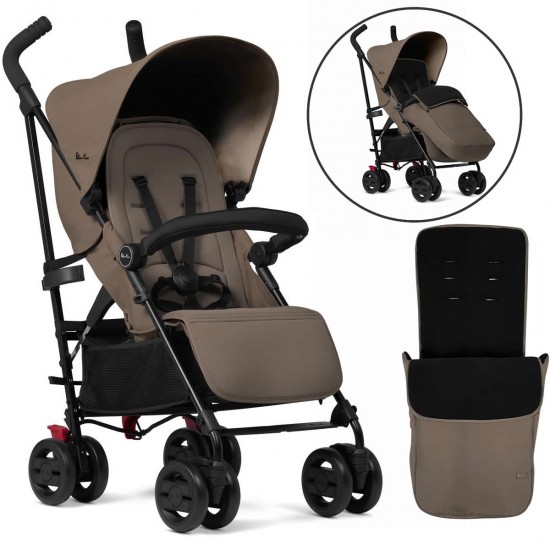
Credit: vixencomposites.com
Troubleshooting Common Issues
Using a stroller footmuff can make outdoor trips cozy for your child. Sometimes, small problems may appear. These issues can affect comfort and safety. This section helps you solve common troubles quickly. Follow these tips to keep the footmuff working well.
Preventing Slippage
Slippage makes the footmuff shift inside the stroller. This can be unsafe and uncomfortable for your baby. Make sure the harness straps fit your child snugly. Adjust the straps to the correct height for better hold. Check that the footmuff is secured under the seat or clips. Using non-slip pads between the footmuff and stroller seat helps. Regularly check the footmuff’s position during walks.
Dealing With Wear And Tear
Footmuffs face constant use and weather changes. This causes fabric wear and small tears. Inspect the footmuff often for damage. Clean it according to the manufacturer’s instructions to avoid fabric weakening. Repair small tears quickly with fabric glue or patches. Replace worn-out parts like zippers or buttons. Proper storage in dry, cool places extends footmuff life.
Fixing Installation Problems
Installing the footmuff incorrectly can cause discomfort and safety risks. Read the instruction manual carefully before use. Align the footmuff openings with stroller harness slots for easy fitting. Avoid forcing the footmuff into the stroller. Make sure all straps and clips fasten securely. Test the footmuff’s fit by gently pulling it. If loose, try adjusting or reinstalling to ensure stability.
Additional Comfort Tips
Using a stroller footmuff adds warmth and protection for your baby during strolls. To make your little one even more comfortable, try these extra tips. They help enhance coziness and fit for various strollers. Simple steps can improve your baby’s experience on every walk.
Adding Blankets And Liners
Place a soft blanket inside the footmuff for extra warmth. Thin liners can add a layer of comfort without bulk. Choose breathable materials to avoid overheating. Change or wash liners often to keep the footmuff fresh. Layering helps adjust warmth based on weather and baby’s needs.
Using With Different Stroller Models
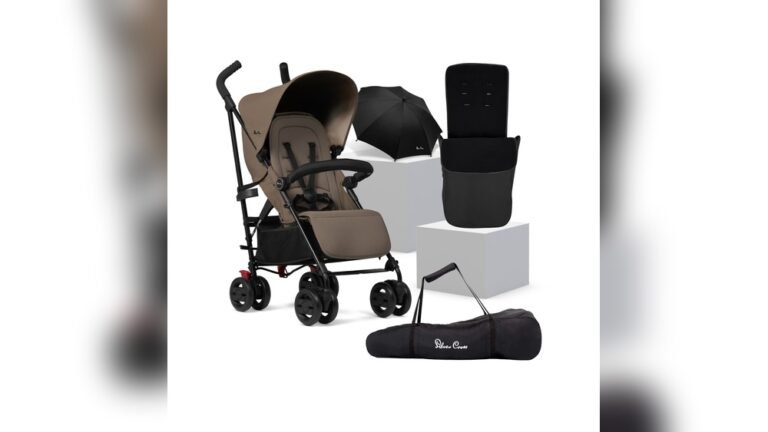
Check if the footmuff fits your stroller model snugly. Some footmuffs come with adjustable straps or buttons for a secure fit. Match the footmuff size to your stroller seat for safety. Test the harness slots to keep your baby secure. A good fit prevents slipping and keeps your baby cozy.
Enhancing Baby’s Comfort
Dress your baby in soft, warm clothes under the footmuff. Avoid thick or bulky outfits that might cause discomfort. Make sure the footmuff’s zipper or fasteners do not press on your baby. Open the top for ventilation on mild days to avoid sweating. Check often to keep your baby happy and snug during the ride.
Credit: navigatepa.com
Credit: www.youtube.com
Frequently Asked Questions
How To Use A Stroller Footmuff?
Place the footmuff inside the stroller seat. Secure it using stroller straps or snaps. Open the top flap for easy baby access. Ensure your baby is comfortably dressed underneath. Close the flap around your baby to keep warmth inside during walks.
When To Start Using A Footmuff?
Start using a footmuff from newborn stage up to three years, especially during cold weather from early autumn to late spring.
How To Stop Footmuff Slipping In Stroller?
Secure the footmuff using stroller harness straps at the correct height. Attach any Velcro tabs or snaps to the frame. Tighten all fasteners to prevent slipping during movement.
What Should A Baby Wear Under A Footmuff?
Dress your baby in a long-sleeved onesie, pants, socks, and a warm jacket under the footmuff. Add a hat and mittens if needed.
Conclusion
Using a stroller footmuff keeps your baby warm and cozy outdoors. Follow each step carefully for easy installation and comfort. Adjust straps and openings to fit your child perfectly. Dress your baby appropriately under the footmuff for added warmth. Regular use helps protect your little one from cold weather.
Enjoy stress-free strolls with a well-fitted footmuff. Simple care and handling extend its life and usefulness. Your baby stays snug, safe, and happy every time you go out.
I’m Melissa Turner, a mom of two passionate about helping parents make confident buying decisions. I research and review baby gear, compare trusted products, and share practical parenting tips based on careful research. My goal is to simplify shopping with honest, easy-to-understand guides that put safety, comfort, and value first. I focus on baby carriers, strollers, feeding essentials, nursery products, and everyday parenting gear. I hope my recommendations help make your parenting journey a little easier and more enjoyable.