Expert Tips for Using Car Seat: Ensure Safety and Comfort Every Ride
When it comes to keeping your child safe on the road, using a car seat correctly is one of the most important steps you can take. But are you sure you’re getting it right every time?
Small mistakes with car seats can put your little one at risk, even if you think you’re doing everything perfectly. You’ll discover expert tips that make car seat use safer and easier. From choosing the right seat to securing your child properly, these straightforward tips will give you confidence every time you buckle up.
Keep reading to protect your child with the best car seat practices you need to know.
Credit: www.floridasudz.com
Choosing The Right Car Seat
Choosing the right car seat is essential for your child’s safety on the road. A proper car seat protects your child in case of an accident. It also ensures comfort during every ride. Picking the right seat depends on many factors like age, weight, and your car’s size. Understanding the different types and features helps you make a smart choice.
Types Of Car Seats
There are three main types of car seats: infant seats, convertible seats, and booster seats. Infant seats face the rear and fit newborns and small babies. Convertible seats can change from rear-facing to forward-facing. Booster seats raise older children so seat belts fit properly. Each type serves a specific stage of your child’s growth.
Age And Weight Guidelines
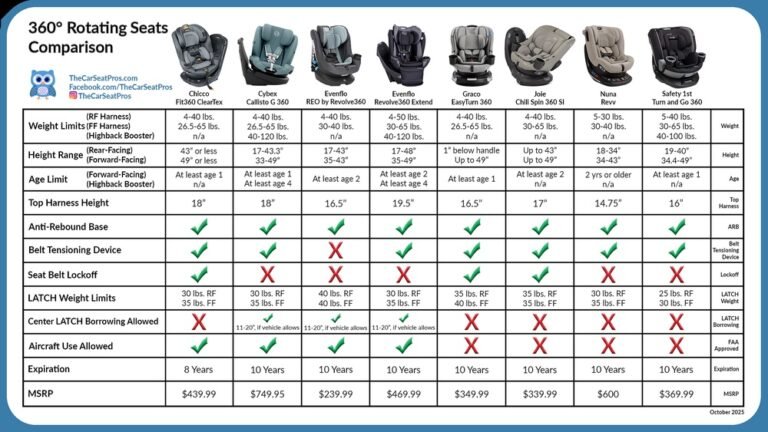
Car seats have clear age and weight limits. Rear-facing seats suit babies up to 2 years or the seat’s weight limit. Forward-facing seats are for toddlers usually over 2 years and within weight rules. Booster seats fit children who outgrow forward-facing seats but are not tall enough for seat belts. Follow these guidelines for maximum safety.
Convertible Vs. All-in-one Seats
Convertible seats switch from rear to forward-facing. They last longer than infant seats and fit growing children. All-in-one seats combine rear-facing, forward-facing, and booster modes in one. They save space and money but can be bulkier. Choose based on your car space, budget, and how long you want to use the seat.
Credit: wayb.com
Proper Installation Techniques
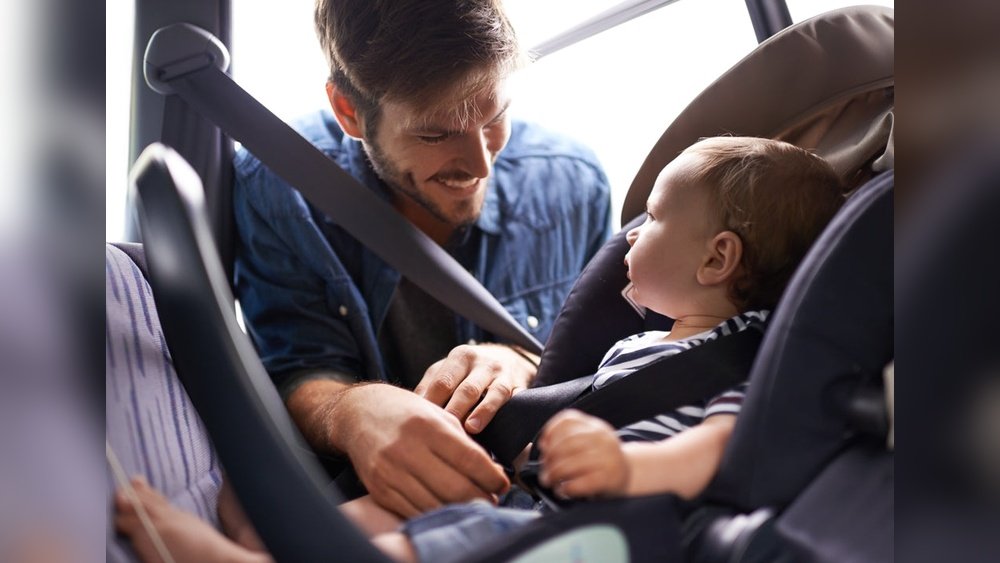
Proper installation techniques are crucial for your child’s safety in a car seat. Installing the seat correctly keeps your child secure during every trip. Even a small mistake can reduce the seat’s effectiveness in a crash.
Follow clear steps to ensure the car seat fits tightly and in the right position. Knowing how to use the car’s built-in features helps achieve a strong and safe installation. Regularly checking the seat after installation maintains its safety over time.
Using Latch And Seat Belts
Most modern cars have LATCH systems designed for car seats. LATCH anchors make installation easier and more secure. Attach the car seat’s connectors to the lower anchors firmly. Tighten the straps until the seat does not move more than one inch side to side or front to back.
If your car does not have LATCH, use the seat belt to install the car seat. Thread the seat belt through the car seat’s belt path. Lock the seat belt by pulling it all the way out and letting it retract slowly. This locks the belt and holds the seat firmly.
Checking Tightness And Position
After installing, check the seat’s tightness by shaking it at the base. The seat should not shift more than one inch in any direction. Use your hand to push down on the seat while tightening straps to remove slack.
Position the car seat at the correct angle. Most seats have angle indicators or adjusters. The seat must recline enough to keep your child’s head from falling forward. A proper angle helps protect your child’s airway and neck.
Common Installation Mistakes
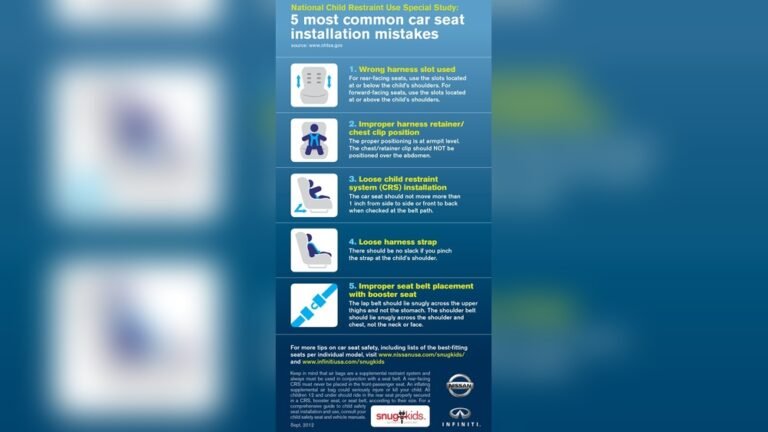
Many parents make simple errors that reduce car seat safety. One common mistake is leaving the seat loose or wobbly. Always tighten until there is no excessive movement.
Another error is using the wrong belt path. Rear-facing seats and forward-facing seats have different belt paths. Check the manual to use the correct one.
Also, avoid placing the car seat in the front passenger seat. Airbags can cause serious injury to small children. The back seat is the safest place for any car seat.
Harnessing For Safety
Proper harnessing is key to your child’s safety in a car seat. The harness holds your child securely during a crash or sudden stop. A well-fitted harness reduces injury risk and keeps your child comfortable. Learning how to adjust and secure the harness correctly is vital for every caregiver. Below are important tips to ensure your child is safely harnessed.
Adjusting Harness Height
The harness straps must be at the right height. For rear-facing seats, place straps at or below your child’s shoulders. Forward-facing seats require straps at or above the shoulders. Adjust the harness slots as your child grows. Straps that are too high or too low can cause injury in a crash. Always check the manufacturer’s guidelines for correct harness height.
Securing Straps Correctly
Straps should lie flat and snug against your child’s body. Avoid twists or slack in the harness straps. Buckle the chest clip at armpit level to keep straps in place. Tighten the harness until you cannot pinch any slack at the shoulder. Loose straps increase the risk of injury during a collision. Double-check all buckles and clips before every ride.
Avoiding Harness Errors
Common mistakes reduce harness effectiveness. Never place bulky clothing between the harness and your child. Thick coats can compress and loosen the harness in a crash. Avoid using aftermarket products that did not come with the car seat. These can interfere with harness function and safety. Inspect your car seat regularly for wear or damage to the harness system.

Credit: bababing.com
Maximizing Comfort On Every Ride
Comfort plays a key role in every car ride, especially for children. A well-fitted car seat can make trips peaceful and safe. Parents and caregivers can follow simple tips to improve comfort without sacrificing safety. Small changes help children sit happily through long and short drives.
Padding And Support Tips
Use extra padding designed for car seats to add softness. Avoid thick cushions that change the seat’s fit. Support your child’s head and neck with a small pillow made for car seats. Make sure padding does not block harness straps or buckles. Proper support keeps your child stable and cozy during rides.
Temperature Considerations
Choose car seat covers that breathe well and do not trap heat. In hot weather, use light fabrics that allow air flow. For cold days, add a thin blanket over the seat, not under the harness. Avoid bulky winter coats inside the seat to keep your child warm and safe. Temperature control helps your child stay calm and relaxed.
Avoiding Bulky Clothing
Dress your child in thin, layered clothes for easy adjustment. Bulky jackets or snowsuits can prevent the harness from fitting tightly. Tight harness straps are crucial for safety and comfort. Remove thick clothing before placing your child in the seat. Use blankets or covers to keep your child warm after securing the harness.
Transitioning Between Seats
Transitioning between car seats is an important step in your child’s safety journey. Each stage matches your child’s size and development. Using the right seat at the right time can reduce injury risk. Parents should follow clear guidelines to know when to move their child to the next seat.
Proper timing helps your child stay secure and comfortable. Avoid rushing changes to protect your child during every trip. Understanding seat types and rules makes transitions smooth and safe.
When To Move Forward-facing
Keep your child rear-facing as long as possible. Most experts say at least until age 2 or when your child reaches the seat’s height or weight limit. Rear-facing seats protect the head, neck, and spine better in crashes.
Move to a forward-facing seat only after your child outgrows the rear-facing limits. Check the car seat manual for specific height and weight rules. Always use the harness and tether for extra safety.
Booster Seat Guidelines
Booster seats raise your child to fit the car’s seat belt properly. Use a booster after your child outgrows the forward-facing seat with a harness. Most kids switch at about 4 to 7 years old.
Ensure the booster fits your child well. The seat belt should lie across the chest and shoulder, not the neck or face. The lap belt must sit low on the hips, touching the thighs.
Timing For Seat Belt Use
Children should stay in a booster seat until seat belts fit correctly. This usually happens when they reach 4 feet 9 inches tall and are about 8 to 12 years old. The seat belt must lie flat across the shoulder and chest.
Never let children use adult seat belts too early. A poor fit can cause serious injuries in a crash. Keep using booster seats until the seat belt fits safely without it.
Maintaining Car Seat Safety
Maintaining car seat safety is crucial for protecting children during every trip. Regular care ensures the seat remains strong and reliable. Parents and caregivers should follow simple steps to keep the car seat in top condition.
Inspecting For Wear And Damage
Check the car seat often for signs of wear. Look for cracks in the plastic shell. Examine the harness straps for fraying or cuts. Make sure the buckles click securely. Any damage can reduce safety in a crash.
Replace parts that look worn or broken. Never use a car seat with missing pieces. Regular inspections prevent hidden problems.
Cleaning And Care
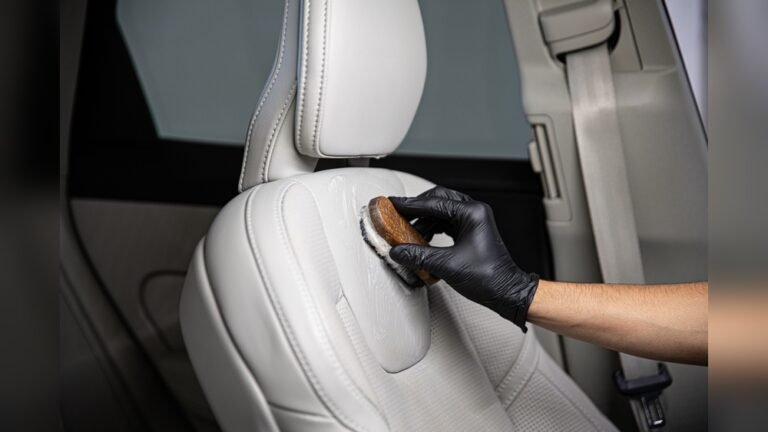
Keep the car seat clean to avoid damage and germs. Use mild soap and water to wipe the fabric. Remove crumbs and dirt from crevices regularly. Avoid harsh chemicals that weaken the materials.
Follow the manufacturer’s instructions for cleaning. Proper care helps the seat last longer and keeps your child comfortable.
Replacing After Accidents
Replace the car seat after any crash, no matter how small. The seat may have hidden damage that is not visible. Using a damaged seat puts your child at risk.
Check the car seat’s manual for replacement guidelines. Do not try to fix a seat that has been in an accident.
Travel Tips With Car Seats
Traveling with a car seat requires some planning to keep your child safe and comfortable. Knowing how to manage your car seat during trips makes the journey easier. This section offers practical travel tips for using car seats in various situations.
Air Travel Considerations
Check airline rules about car seats before booking your flight. Most airlines allow car seats on planes if they fit in the seat. Use a FAA-approved car seat for air travel to meet safety standards. Bring a car seat travel bag to protect it during transit. Arrive early to get help from airline staff if needed. Always secure your child in the car seat during takeoff and landing.
Using Car Seats In Rideshares
Rideshare drivers may not always have car seats available. Carry a lightweight, portable car seat for these trips. Make sure the seat fits securely in the vehicle before booking. Inform the driver about the car seat to prepare for installation. Keep a seat protector under the car seat to avoid damage to vehicle upholstery. Use the seat belt or LATCH system to secure the car seat properly.
Securing Car Seats In Different Vehicles
Car seats can fit differently in various vehicles. Test the car seat in each vehicle before traveling. Use either the seat belt or LATCH system, not both, to secure the car seat. Check the car seat angle to keep your child comfortable and safe. Adjust harness straps as needed for a snug fit. Follow the car seat manual and vehicle guide for proper installation.
Avoiding Common Pitfalls
Using a car seat correctly keeps your child safe on every trip. Many parents face common mistakes that reduce the seat’s protection. Avoiding these errors helps ensure maximum safety for your little one.
Understanding what not to do is as important as knowing the right steps. Keep reading for tips to avoid frequent pitfalls.
Dangers Of Puffy Coats
Thick coats create gaps between your child and the harness. This space can cause the harness to fit loosely. In a crash, the child can move more than expected. Always remove bulky jackets before securing your child. Use a blanket over the harness for warmth instead.
Using Only Manufacturer Accessories
Car seat makers design accessories to work safely with their seats. Using other products may cause incorrect installation or reduce protection. Avoid buying extra items not approved by the seat brand. Stick to the accessories that come with the car seat. Check the manual before adding anything new.
Preventing Loose Straps
Loose straps reduce how well the harness holds your child. Always tighten the straps so you cannot pinch any slack. The harness should lie flat without twists. Check the fit before every ride. Straps that are too loose can cause serious injuries in a crash.
Frequently Asked Questions
How Do I Install A Car Seat Correctly?
Always follow the manufacturer’s instructions and your vehicle’s manual. Use the LATCH system or seat belt securely. Ensure the seat is tight with less than one inch of movement. Check the angle for rear-facing seats to keep your child safe and comfortable.
When Should I Switch To A Forward-facing Car Seat?
Switch your child to forward-facing only after they exceed the rear-facing height or weight limit. The American Academy of Pediatrics recommends keeping children rear-facing as long as possible, ideally until age 2 or more, for better protection in crashes.
Can Bulky Clothing Affect Car Seat Safety?
Yes, bulky coats or jackets can create slack in harness straps. This reduces the effectiveness of the car seat in a crash. Dress your child in thin layers and add blankets over the harness for warmth instead of thick clothing.
How Tight Should Car Seat Harness Straps Be?
Harness straps should be snug enough that you cannot pinch any slack at the shoulder. The chest clip must be at armpit level. Properly tightened straps keep your child secure and reduce injury risk during sudden stops or accidents.
Conclusion
Using a car seat correctly keeps your child safe on every trip. Always follow the car seat’s instructions carefully. Check the harness fits snugly and the seat stays secure. Choose the right seat for your child’s age and size. Regularly inspect the seat for damage or wear.
Safety is simple when you stay informed and cautious. Remember, a well-used car seat protects your child best. Keep learning and practicing these tips for peace of mind. Safe travels start with smart car seat use every time.