
Step by Step Guide to Using Car Seat: Easy Safety Tips for Parents
Using a car seat correctly can feel overwhelming at first, but it’s one of the most important steps you can take to keep your child safe on every trip. Whether you’re a new parent or just need a quick refresher, this step-by-step guide will walk you through everything you need to know—from choosing the right seat to installing it securely in your car.
By following these simple, clear instructions, you’ll gain confidence and peace of mind knowing your little one is protected. Keep reading to discover how easy it is to use a car seat the right way every time.
Choosing The Right Car Seat
Choosing the right car seat is crucial for your child’s safety in the car. It ensures proper fit, protection, and comfort. Each child needs a car seat that matches their age, weight, and height. This guide helps you understand the options and select the best seat for your child.
Types Of Car Seats
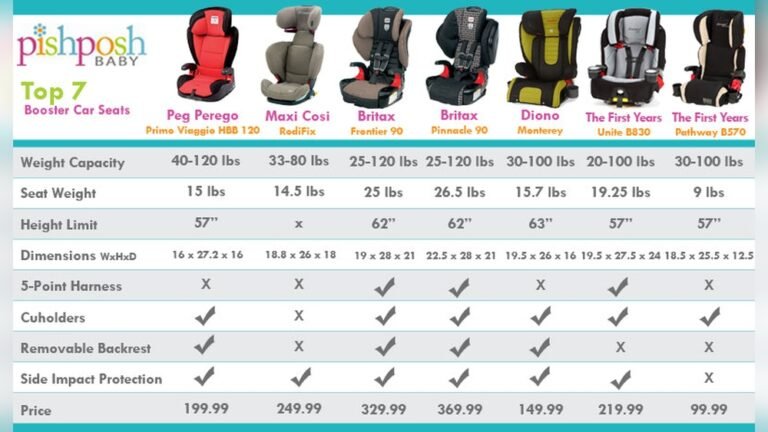
There are three main types of car seats. Rear-facing seats are for infants and young toddlers. Convertible seats switch from rear-facing to forward-facing as the child grows. Booster seats raise older children so the car’s seat belt fits properly.
Age And Weight Guidelines
Follow age and weight rules for safety. Infants should use rear-facing seats until at least 2 years old or until they reach the seat’s weight limit. Toddlers can switch to forward-facing seats after outgrowing rear-facing limits. Booster seats are for children who have outgrown forward-facing seats but are not yet tall enough for seat belts alone.
Safety Ratings To Consider
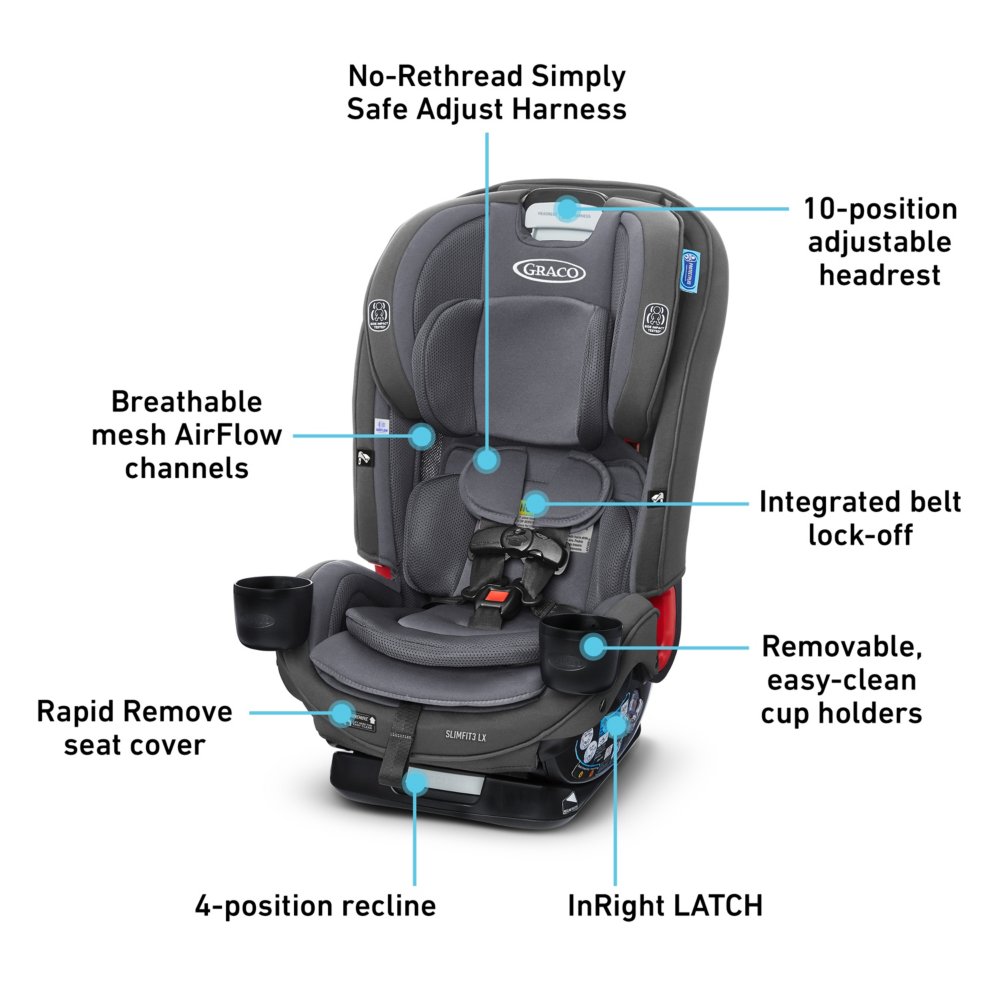
Check safety ratings before buying a car seat. Look for seats tested by national safety organizations. Choose seats with strong crash protection and side-impact protection. Read reviews and check for recalls to ensure the seat meets safety standards.
Credit: delicate-leather.com
Installing Rear-facing Seats
Installing a rear-facing car seat is a vital step for child safety. This position supports a baby’s head, neck, and spine during sudden stops. Proper installation reduces injury risks in crashes. Follow clear steps to ensure the seat is safely and securely fitted in your vehicle.
Selecting The Correct Location
Choose the back seat of your vehicle for installation. The middle seat is safest if it fits the car seat properly. Avoid placing rear-facing seats in front of an active airbag. Check your vehicle manual for specific seat recommendations.
Using The Seat Belt Or Latch System
Install the car seat using either the seat belt or LATCH system, not both. Thread the seat belt through the correct belt path on the car seat. Lock the seat belt to prevent movement. For LATCH, attach the connectors to the vehicle anchors and tighten securely.
Checking The Installation Angle
Ensure the car seat reclines at the right angle. Most seats have an angle indicator or adjuster. A proper angle prevents the baby’s head from falling forward. Adjust as needed to keep the seat stable and comfortable.
Ensuring A Secure Fit
Push down firmly on the car seat while tightening straps or belts. The seat should not move more than one inch side to side or front to back. Double-check all connections and straps for tightness. A secure fit keeps the seat safe during travel.
Installing Forward-facing Seats
Installing a forward-facing car seat is a crucial step for your child’s safety during travel. This type of seat is designed for toddlers and young children who have outgrown rear-facing seats. Proper installation ensures maximum protection in case of sudden stops or collisions. Follow these simple steps to secure the seat correctly and keep your child safe.
Positioning The Seat Properly
Place the car seat in the back seat of your vehicle. Center it or use the seat next to the door for easier access. Make sure the seat faces forward. Check the car seat manual for the correct angle. The seat should sit flat and stable on the vehicle seat. Avoid soft or uneven surfaces under the car seat.
Harness Strap Placement
Adjust the harness straps so they sit at or above your child’s shoulders. The straps must lie flat without twists. Buckle the harness and chest clip securely. Position the chest clip at armpit level. Tighten the harness until it fits snugly. You should not be able to pinch any slack in the straps.
Using Tethers And Anchors
Locate the tether anchor point in your vehicle, usually behind the seat. Attach the top tether strap from the car seat to the anchor. Tighten the tether strap to reduce seat movement. Use the lower anchors or seat belt to secure the base of the car seat. Follow your car seat’s instructions for the best method. Proper use of tethers improves safety in crashes.
Verifying Stability
Once installed, push and pull the car seat at the base. It should not move more than one inch side to side or front to back. Check all straps and tethers for tightness. Inspect the seat’s angle and harness position again. Regularly verify the installation as your child grows. A stable seat keeps your child safe on every trip.
Securing Your Child Safely
Securing your child safely in a car seat is crucial for every trip. Proper safety measures reduce injury risks during sudden stops or accidents. Taking time to secure your child correctly ensures peace of mind and better protection.
Adjusting Harness Straps
Make sure harness straps fit snugly against your child’s body. Straps should lie flat without twists. Position them at or just below the shoulders for rear-facing seats. For forward-facing seats, place straps at or above the shoulders. Tighten straps until you cannot pinch any slack at the shoulder.
Proper Chest Clip Position
Place the chest clip at armpit level. This keeps straps in the correct place over your child’s chest. A chest clip too high or low can cause poor restraint. Check the clip’s position every time you buckle your child in.
Avoiding Bulky Clothing
Remove thick coats or bulky clothing before securing your child. Bulky clothes create extra space between the harness and the child. This reduces the harness’s effectiveness in a crash. Use blankets over the harness after buckling if extra warmth is needed.
Double Checking Before Every Ride
Always check the harness tightness and clip position before driving. Confirm the car seat is locked firmly in place. Look for any twists or loose straps. A quick safety check helps keep your child secure every trip.
Transitioning Between Seat Types
Transitioning between car seat types is an important step in your child’s safety journey. Each stage offers the right protection as your child grows. Understanding when and how to switch seats keeps your child safe and comfortable during every ride.
When To Move From Rear To Forward Facing
Keep your child in a rear-facing seat as long as possible. Experts recommend this until at least age 2 or when your child reaches the seat’s height or weight limit. Rear-facing seats protect the head, neck, and spine better in crashes.
Once your child outgrows the rear-facing limits, switch to a forward-facing seat with a harness. Make sure the seat fits well and is installed correctly. The forward-facing seat should be used until your child reaches the harness limits.
Switching To Booster Seats
Booster seats help position the seat belt properly on your child. Move to a booster seat after your child outgrows the forward-facing harness seat. This usually happens around age 4 to 7 years or when they hit the seat’s height or weight limits.
Choose a booster seat that fits your child well and matches your car. Always follow the manufacturer’s instructions for installation and use. Booster seats improve safety by keeping the seat belt in the right spot.
Using Seat Belts Safely
Children should use a regular seat belt only when it fits correctly. The lap belt must lie low on the hips, not the stomach. The shoulder belt should cross the chest and shoulder, not the neck or face.
Never allow your child to put the shoulder belt behind their back or under their arm. A proper fit usually happens when the child is about 4 feet 9 inches tall and between 8 and 12 years old. Always check the fit before every trip.
Common Mistakes To Avoid
Using a car seat correctly is crucial for your child’s safety. Many parents make simple mistakes that reduce protection. Avoiding these errors ensures the seat works as it should. Here are common mistakes to watch out for.
Incorrect Harness Tightness
The harness must be snug. Loose straps can cause injury during sudden stops. Check that you cannot pinch any slack at the shoulder. The harness should lie flat without twists.
Loose Installation
A car seat must not move more than one inch side to side or front to back. Tighten the seat belt or LATCH system firmly. A loose seat cannot protect your child well in a crash.
Ignoring Expiry Dates
Car seats expire after several years. Plastic and straps weaken over time. Using an expired seat risks failure during impact. Always check the label for the expiration date and replace if needed.
Improper Seat Placement
The back seat is the safest place for a car seat. Front seats with airbags can cause harm to children. Place the seat in the middle rear seat if possible, away from doors for added safety.
Additional Safety Tips
Using a car seat correctly is vital for your child’s safety. Follow extra tips to ensure the seat works well. These steps help keep your child secure every trip. Simple actions can prevent accidents and injuries. Pay attention to these important safety tips below.
Registering Your Car Seat
Register your car seat with the manufacturer right after purchase. This allows you to receive safety updates and recall notices. In case of a recall, you will be informed quickly. Keep the registration card or complete the form online. This step helps protect your child from faulty products.
Keeping The Seat Clean And Maintained
Clean the car seat regularly to remove dirt and spills. Use mild soap and water; avoid harsh chemicals that damage materials. Check straps and buckles often for wear or damage. Replace parts if they show signs of wear. Proper maintenance keeps the seat safe and comfortable.
Finding Local Inspection Stations
Locate nearby car seat inspection stations for expert help. Certified technicians can check if the seat is installed correctly. They also answer questions about proper use and fit. Many fire stations or hospitals offer this free service. Regular inspections help you avoid common installation errors.
Credit: www.diamondfordav.com
Credit: www.cover-company.com
Frequently Asked Questions
How Do I Properly Install A Car Seat Step By Step?
First, read both car seat and vehicle manuals. Position the seat in the back seat. Secure it tightly using the seat belt or LATCH system. Ensure the seat doesn’t move more than one inch side to side or front to back.
When Should I Switch From Rear-facing To Forward-facing?
Keep your child rear-facing until they reach the car seat’s height or weight limit. This usually means until at least age two. Rear-facing seats provide better support for a child’s head and neck in a crash.
How Tight Should The Car Seat Harness Be?
The harness should be snug so you can fit only one finger between the strap and your child’s collarbone. It must lie flat without twists and sit at or just below the shoulders for rear-facing seats.
Can I Use A Car Seat In Any Vehicle?
Most car seats fit most vehicles, but always check compatibility in your car seat and vehicle manuals. Some seats may not fit properly in certain car models or positions, especially in smaller or older vehicles.
Conclusion
Using a car seat correctly keeps your child safe on every trip. Follow each step carefully for proper installation. Check the fit often and adjust as your child grows. Remember, safety comes first when traveling with kids. Stay informed and always double-check your car seat setup.
Safe rides start with the right seat and proper use.

I’m Melissa Turner, a mom of two passionate about helping parents make confident buying decisions. I research and review baby gear, compare trusted products, and share practical parenting tips based on careful research. My goal is to simplify shopping with honest, easy-to-understand guides that put safety, comfort, and value first. I focus on baby carriers, strollers, feeding essentials, nursery products, and everyday parenting gear. I hope my recommendations help make your parenting journey a little easier and more enjoyable.