How Long Does a Car Seat Last ? True Lifespan Tips Revealed
You want to keep your child safe every time you hit the road. But have you ever wondered, “How long does a car seat last?” It’s not just about comfort or style—your child’s safety depends on using a car seat that’s still reliable.
Over time, car seats wear down and even expire, putting your little one at risk. You’ll learn exactly how long car seats last, how to find their expiration dates, and why using an expired seat can be dangerous. Keep reading to make sure your child’s car seat is still doing its job perfectly every trip.

Credit: www.evenflo.com
Car Seat Expiration Basics
Understanding car seat expiration basics is crucial for your child’s safety. Car seats do not last forever. Over time, materials break down and safety features can weaken. Using an expired car seat puts your child at risk during a crash. Knowing how to find expiration dates and why they matter helps parents make smart decisions.
Locating Expiration Dates
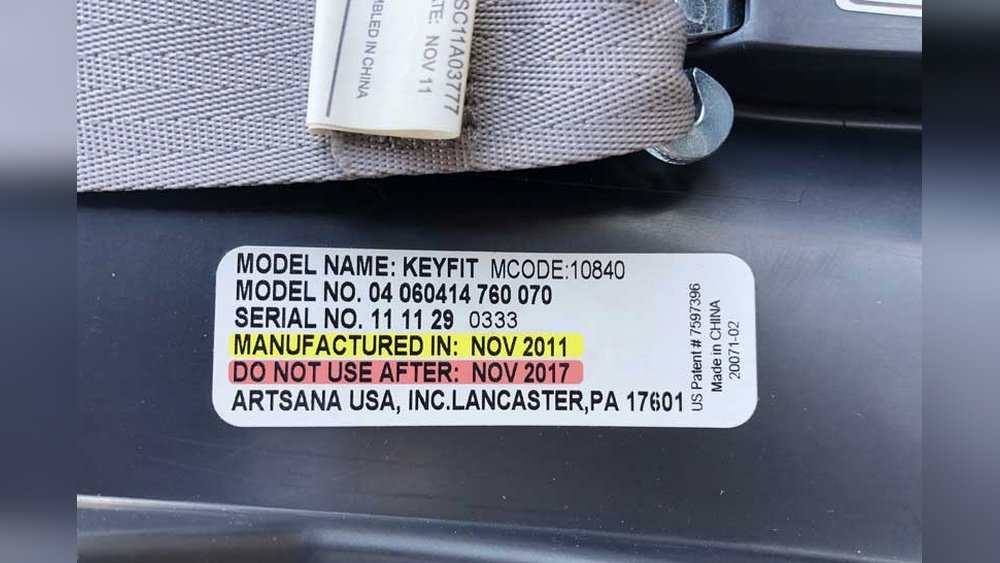
Expiration dates are usually on a sticker or molded into the seat’s shell. Check the bottom or side of the car seat for a label. This sticker often shows the “Date of Manufacture” and the “Expiration Date.” Sometimes, the date is printed in the user manual. If you cannot find the date, contact the manufacturer with the model number. A certified car seat technician can also help you find this information.
Common Lifespan Ranges
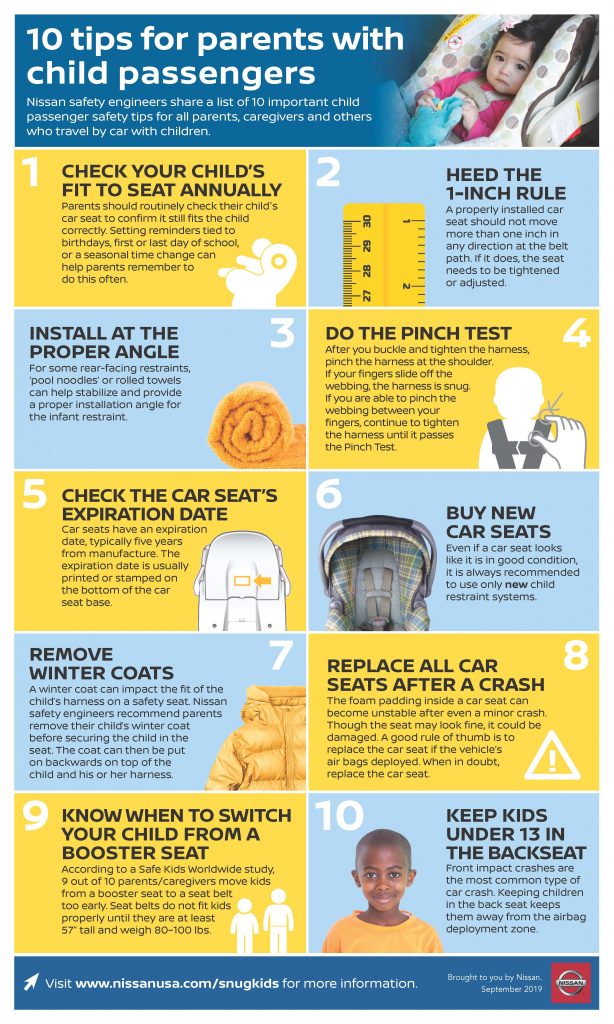
Most car seats last between six to ten years from the date of manufacture. Infant-only seats often expire closer to six years. Convertible and booster seats usually last longer, up to ten years. The exact lifespan depends on the brand and model. Avoid using a seat past its expiration date, even if it looks fine.
Why Expiration Matters
Car seats expire because materials degrade over time. Heat and cold inside cars break down plastic and foam. Harnesses and buckles can wear out or fail. Safety standards also change as new research emerges. Older seats may not meet current safety rules. Using an expired seat can reduce protection during a crash. Always replace a car seat after it expires for your child’s safety.
Credit: www.passportnissanva.com
Finding Expiration Information
Finding expiration information on a car seat is essential for your child’s safety. Car seats do not last forever. Over time, materials wear out and safety standards change. Knowing where to find this info helps you avoid using an expired seat. This section guides you through common places where expiration details appear.
Stickers And Labels
Most car seats have a sticker or label with important dates. Check the side or bottom of the seat. Look for words like “Manufactured Date” or “Expiration Date.” Some labels show the exact expiry day. Stickers may also include warnings or safety instructions. These labels are usually easy to read and clear.
Stamped Dates On Plastic
Some manufacturers stamp the date directly into the plastic shell. This mark is often on the back or underside of the seat. It might be a series of numbers showing the month and year of manufacture. This date helps calculate the seat’s lifespan. The plastic stamp is permanent and hard to remove.
Owner’s Manual Details
The owner’s manual has vital information about expiration. It explains how long the seat is safe to use. Manuals may list the exact number of years before expiry. Some also describe signs of wear and tear. Keep the manual handy for quick reference. If lost, many manufacturers offer manuals online.
Signs Of Expired Car Seats
Car seats do not last forever. Over time, their safety can weaken. Knowing the signs of expired car seats helps keep children safe. Expired seats may fail in a crash. Checking your car seat regularly is important.
Visible Damage And Wear
Look for cracks, breaks, or worn parts on the seat. Faded or frayed straps also show wear. Damage to the plastic shell weakens protection. Loose parts or missing pieces are warning signs. These issues mean the seat may not protect well.
Missing Or Faded Labels
Car seats have labels with important safety information. These include the manufacture date and expiration date. If labels are missing or hard to read, it is a problem. Faded labels make it hard to know the seat’s age. Without this info, you cannot confirm if the seat is expired.
Recall Notices
Manufacturers recall car seats with safety defects. Check if your seat model is on a recall list. Using a recalled seat can be dangerous. Always register your car seat with the maker to get alerts. Ignoring recalls is risky and can lead to injury.
Credit: www.chiccousa.com
Factors Affecting Car Seat Lifespan
Car seats do not last forever. Several factors affect how long a car seat remains safe and reliable. Understanding these factors helps parents and caregivers make smart decisions. The lifespan depends on materials, environment, and usage. Let’s explore the main reasons that impact a car seat’s durability and safety over time.
Material Breakdown Over Time
Car seats use plastic, foam, and fabric. These materials slowly degrade as time passes. Plastic can become brittle and crack. Foam padding may lose its shape and cushioning. Fabric covers wear thin and tear. This breakdown reduces the car seat’s ability to protect a child properly. Manufacturers set expiration dates to ensure safety before materials weaken too much.
Exposure To Heat And Sunlight
Cars often get hot, especially in summer. Heat and sunlight cause plastic and fabric to fade and weaken. UV rays break down fibers and plastics faster. Continuous exposure shortens the car seat’s lifespan. Seats stored in shaded or climate-controlled areas last longer. Protecting the seat from harsh sun and heat keeps it safer for a longer time.
Impact From Car Crashes
Any crash can damage a car seat. Even minor accidents can cause invisible harm to the seat’s structure. The plastic shell can weaken or crack. Harnesses and buckles might stretch or break. After a crash, the seat may no longer protect a child effectively. Most manufacturers recommend replacing the car seat immediately after any collision, no matter how small.
Risks Of Using Expired Seats
Using an expired car seat puts your child at serious risk. Over time, key parts break down and safety features lose effectiveness. Expired seats may not protect well in accidents. Understanding these risks helps keep your child safe on every trip.
Compromised Safety Features
Plastic and foam weaken as car seats age. This weakens their ability to absorb crash forces. Harness straps may fray or stretch, reducing their hold. Buckles and clips can stop working properly. These failures lower the seat’s protection in a crash.
Outdated Safety Standards
Car seat rules improve regularly. Older seats miss new safety updates and tests. Using an expired seat means missing better side-impact protection. Newer seats better support growing children. An expired seat may not meet current crash test standards.
Potential For Malfunction
Parts wear out or break with time and use. Moving parts may jam or fail to lock. Labels and instructions fade, causing misuse. A seat used after its expiration can malfunction during a crash. This increases the chance of injury.
Steps To Take When Unsure
Sometimes, it is hard to know if a car seat is still safe to use. The seat might look fine, but it could be past its safe use period. Taking the right steps helps keep your child safe on every ride. Follow these simple actions to check your car seat’s status.
Contacting Manufacturers
Start by finding the car seat’s model and serial number. These details are usually on a label on the seat. Call or email the manufacturer’s customer service. They can tell you the exact expiration date. They may also give advice on recalls or safety updates. Keep a record of your communication for future reference.
Consulting Certified Technicians
Certified car seat technicians have special training. They can inspect the seat for damage or wear. Some local fire stations or hospitals offer free checks. These experts know what to look for beyond just the date. They can help you decide if the seat is still safe. Take your car seat to one for a thorough check.
Replacing Old Seats
When in doubt, replace the car seat with a new one. Old seats might have hidden damage or outdated safety features. Using a new seat ensures it meets the latest safety standards. Do not use a seat that has been in a crash. Always follow the expiration date to protect your child.
Extending Car Seat Usability
Extending the usability of a car seat helps save money and ensures safety for your child. Proper care keeps the seat in good condition for a longer time. Small daily actions can prevent damage and wear. Understanding how to maintain and store the seat properly is key to maximizing its lifespan.
Proper Cleaning And Maintenance
Clean the car seat regularly to keep it fresh and safe. Use mild soap and water to wipe down surfaces. Avoid harsh chemicals that can weaken the material. Check straps and buckles often for signs of wear or damage. Replace parts only with manufacturer-approved items. Keeping the seat clean also prevents stains and odors.
Safe Storage Practices
Store the car seat in a cool, dry place when not in use. Avoid leaving it exposed to direct sunlight for long periods. Sunlight can cause plastic and fabric to fade and weaken. Keep it away from moisture to prevent mold and mildew. Store the seat upright to maintain its shape and structure. Proper storage reduces the risk of accidental damage.
Avoiding Unnecessary Damage
Handle the car seat gently during installation and removal. Do not drop or throw the seat, as this can harm its safety features. Avoid using the seat after any crash, even minor ones. Regularly inspect the seat for cracks or broken parts. Keep sharp objects away to prevent tears or punctures. Treat the seat with care to maintain its protective qualities.
Legal And Safety Recommendations
Understanding legal and safety recommendations for car seats helps protect your child. Regulations and guidelines guide how long car seats remain safe to use. This section covers key points about expiration rules and useful resources for parents.
State Regulations On Expiration
Each state sets rules on car seat use and expiration. Some states require parents to follow expiration dates printed on seats. Others focus on proper installation and usage rather than age limits. Always check your state’s laws to ensure compliance. These rules aim to keep children safe during travel.
Manufacturer Guidelines
Manufacturers provide expiration dates based on safety testing. Most car seats expire six to ten years after manufacture. Materials like plastic and foam degrade over time, reducing protection. Follow the manufacturer’s instructions to know when to replace your seat. Never use a seat past its expiration date.
Resources For Parents
Several websites and organizations help parents understand car seat safety. National Highway Traffic Safety Administration offers clear guidelines. Local safety offices often provide free inspections and advice. Use these resources to confirm your seat’s condition and expiration. Staying informed ensures your child travels safely every time.
Frequently Asked Questions
How Do I Know If A Car Seat Is Expired?
Check the car seat’s label or plastic shell for the manufacture and expiration dates. Expired seats lose safety due to wear and outdated standards. Avoid using seats without clear dates or after a crash. Contact the manufacturer or a certified technician if unsure.
Are Car Seats Good After 5 Years?
Car seats expire after about 6 years due to material wear and updated safety standards. Avoid using seats older than 5 years. Check the manufacturer’s label for exact expiration dates. Never use a car seat involved in a crash or with missing parts.
Replace expired seats promptly.
When Should You Throw Away A Car Seat?
Throw away a car seat if it’s past the expiration date, damaged, involved in a crash, or missing parts. Check the manufacturer’s label for the expiration date, usually found on the seat’s shell or in the manual. Safety standards and material wear affect its lifespan.
Is A Car Seat From 2017 Expired?
A 2017 car seat may be expired. Most seats last 6-10 years from manufacture. Check the label for exact expiration date.
Conclusion
Car seats do not last forever. Most expire after six to ten years. Check the label for the exact date. Heat, wear, and safety rules affect their life. Using an expired seat can put your child at risk. Always replace a seat after a crash.
When unsure, ask the manufacturer or a safety expert. Keeping your child safe means knowing when to change car seats. Stay informed and protect your little ones every ride.

I’m Melissa Turner, a mom of two passionate about helping parents make confident buying decisions. I research and review baby gear, compare trusted products, and share practical parenting tips based on careful research. My goal is to simplify shopping with honest, easy-to-understand guides that put safety, comfort, and value first. I focus on baby carriers, strollers, feeding essentials, nursery products, and everyday parenting gear. I hope my recommendations help make your parenting journey a little easier and more enjoyable.