Top Mistakes With Infant Car Seat | Avoid These Dangerous Errors
When it comes to your baby’s safety on the road, every detail matters-especially with infant car seats. But did you know many parents unknowingly make simple mistakes that could put their little ones at risk?
You might think you’re doing everything right, yet common errors like incorrect harness positioning or installing the seat too loosely are more frequent than you realize. You’ll discover the most typical infant car seat mistakes and how to avoid them, so you can drive with confidence knowing your baby is truly secure.
Keep reading to protect your child and gain peace of mind every time you buckle up.
Credit: www.vivaveltoro.com
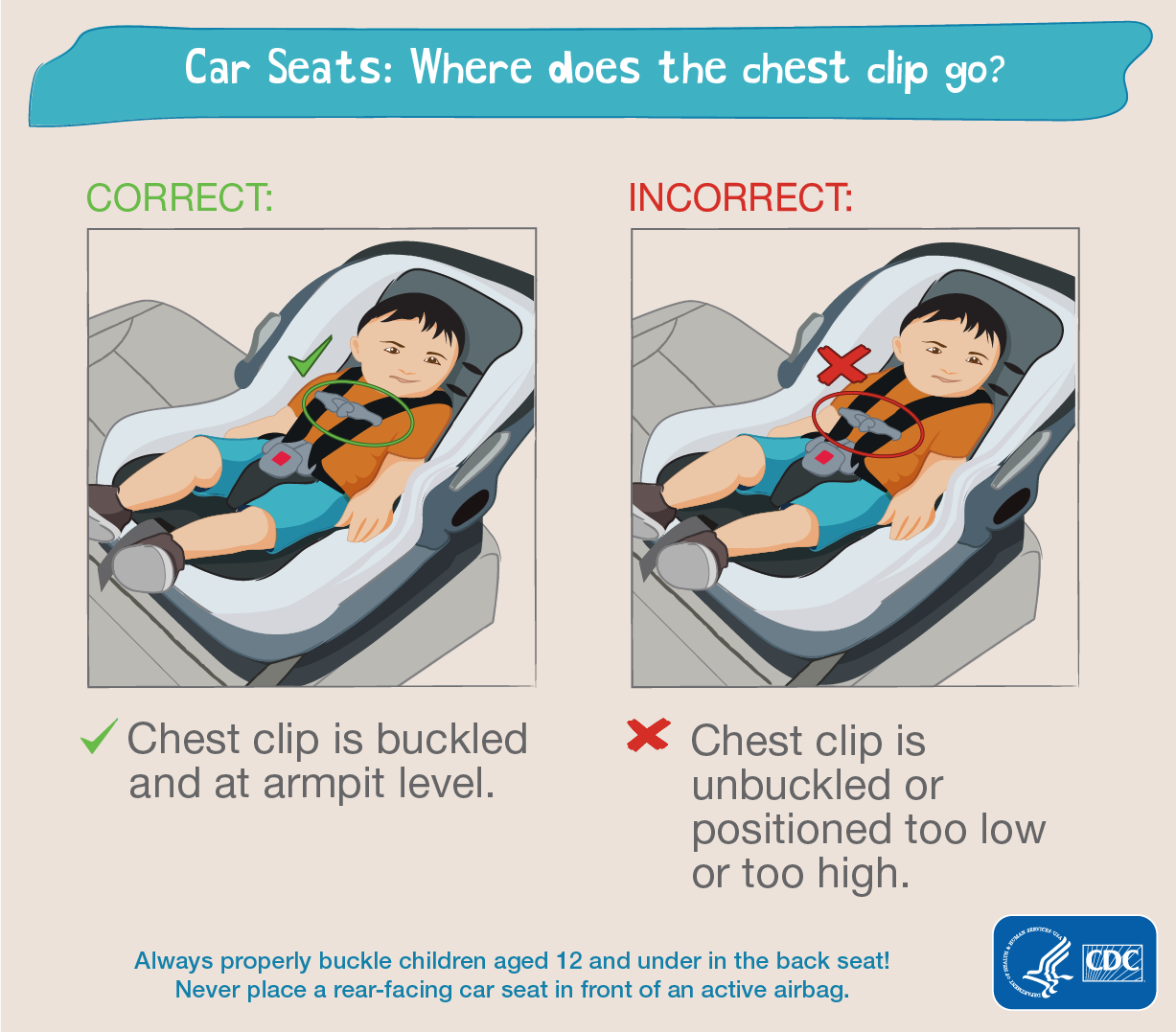
Harness Position Errors
The harness in an infant car seat holds your baby safely during travel. Errors in harness position can reduce this safety. Parents often make mistakes without realizing the risk. Correct harness placement keeps your baby secure and comfortable. Check the harness position every time you buckle your child in.
Straps Too High Or Low
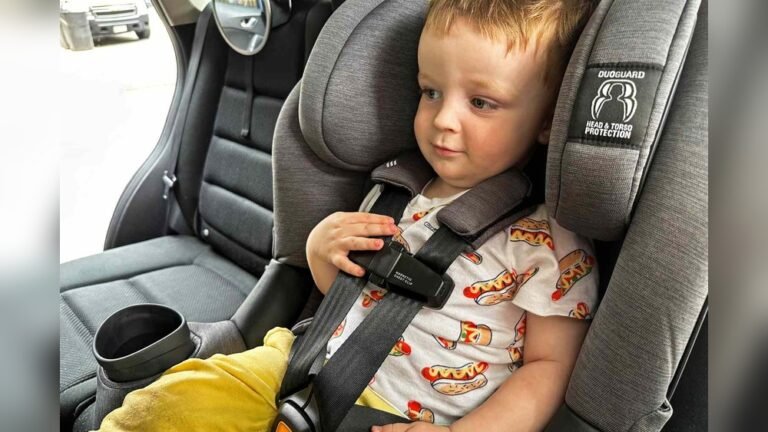
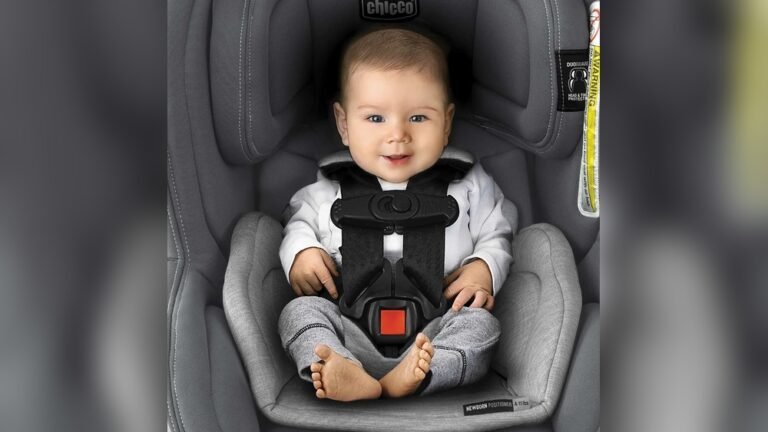
The harness straps must be at the right height. For rear-facing seats, straps should be at or below the baby’s shoulders. Straps placed too high can cause the baby to slip out in a crash. Straps too low may cause discomfort and reduce protection. Adjust the straps as your baby grows to keep them at the correct level.
Incorrect Crotch Buckle Placement
The crotch buckle must be positioned correctly on the car seat. If placed too far forward, the harness cannot hold the baby tightly. This can cause the baby to slide under the straps, a dangerous situation. If too far back, the buckle may pinch or cause discomfort. Always follow the car seat manual for proper crotch buckle placement.
Credit: www.congresoscoit.es
Installation Issues
Installing an infant car seat correctly is crucial for your baby’s safety. Many parents face challenges during installation. These installation issues often lead to unsafe travel conditions. Knowing the common mistakes helps prevent risks on the road. Below are some frequent installation problems and how they affect safety.
Loose Seat Installation
A car seat that moves more than an inch side to side or front to back is too loose. Loose installation reduces the seat’s protection during a crash. Tighten the seat firmly using either the seatbelt or LATCH system. Check the seat’s stability before every trip. Proper tightening keeps your baby secure and safe.
Using Seatbelt And Anchors Together
Some parents use both the seatbelt and LATCH anchors at the same time. This is usually unnecessary and can cause improper installation. Most car seats require using either the seatbelt or the anchors, not both. Using both can create extra slack or tension. Follow your car seat manual to know the correct method for your seat and vehicle.
Wrong Seat Placement In Vehicle
The safest place for an infant car seat is often the back middle seat. Some parents place the seat in the front or side seats. Front seats can be dangerous because of airbags. Side seats may expose the baby to side impacts. Always place the seat where the car manual and seat instructions recommend. This choice maximizes your child’s safety during travel.
Wrong Seat Usage
Using an infant car seat incorrectly puts your child at serious risk. Many parents do not realize that choosing the right seat and using it properly matters a lot. Wrong seat usage can lead to poor protection during a crash. Learning the common errors helps keep your baby safer on every trip. Below are some frequent mistakes related to seat type and positioning.
Switching To Forward-facing Too Early
Many parents switch their child to a forward-facing seat before they are ready. Experts recommend keeping babies rear-facing as long as possible. This position supports the head, neck, and spine better in a crash. Moving forward-facing too soon increases the chance of injury. Always check the car seat manual for age and size guidelines.
Ignoring Height And Weight Limits
Car seats have specific height and weight limits. Using a seat beyond these limits reduces its effectiveness. Parents often keep children in seats that are too small or too large. This mistake can cause the harness to fit poorly. Proper fit ensures the child stays secure and safe during travel.
Using Inappropriate Seat Types
Not all car seats fit every child or vehicle. Some parents use seats designed for older children or different age groups. Infant seats are made for newborns and small babies only. Using the wrong seat type risks improper installation and fit. Choose a seat that matches your child’s age, weight, and height exactly.
Strap Tightness Problems
Strap tightness is a critical factor in infant car seat safety. Incorrect strap tightness can reduce protection during a crash. Parents often make mistakes by leaving harnesses too loose or by dressing babies in bulky clothing. Both issues affect how well the straps fit and secure the child. Proper strap tightness keeps the infant safe and comfortable.
Harness Too Loose
A loose harness allows too much movement in a crash. The straps should lie flat and snug against your baby’s body. You should not be able to pinch any slack at the shoulders. Loose straps increase the risk of injury by letting your baby slide out. Always tighten the harness until it fits securely but not uncomfortably.
Bulky Clothing Affecting Fit
Bulky clothing makes the harness seem tight when it is not. Thick coats or heavy layers create extra space between the straps and the baby. This false tightness can lead to a dangerous loose fit. Remove bulky clothing before buckling your baby in. Use blankets over the harness for warmth instead of thick jackets.
Unsafe Accessories
Unsafe accessories in infant car seats can cause serious risks. Many parents add items hoping to increase comfort or warmth. These extras might seem harmless but can affect safety. Always use only accessories approved by the car seat manufacturer. Unapproved items can interfere with harness fit or crash protection.
Unapproved Covers And Inserts
Unapproved covers and inserts are common mistakes. These items may change how the harness fits your baby. Loose or thick covers can prevent straps from tightening correctly. This increases injury risk in crashes. Some covers also block air flow, causing overheating. Always check if the cover is tested and approved for your seat. Avoid homemade or store-bought accessories without certification.
Improper Use Of Car Seat Covers
Improper use of car seat covers is another danger. Many parents place covers under or behind the child. This can create slack in harness straps. Slack harnesses do not hold the baby securely. Some covers add bulk and change seat angles. This affects the seat’s protective design. Use only covers that fit over the entire seat. They should not interfere with harness straps or buckles.

Credit: weecarepediatrics.com
Used Car Seat Risks
Buying a used infant car seat can save money but carries risks. Not all used seats meet safety standards anymore. Some may have hidden damages or be expired. Using a faulty seat puts your baby in danger. It is important to know what to check before buying.
Skipping History Check
Many skip checking the car seat’s history. This is a big mistake. A seat involved in a crash may look fine but be unsafe. Always ask for the seat’s full history. Find out if it was in an accident or has missing parts. Seats with unknown history should be avoided. Safety depends on this information.
Damaged Or Expired Seats
Car seats have expiration dates. Plastic and materials weaken over time. Using an expired seat increases injury risk in a crash. Also, inspect the seat for visible damage. Cracks, broken buckles, or frayed straps mean the seat is unsafe. Never use a seat that shows damage or is past its expiry. Safety always comes first.
Protecting Your Baby In Cold Weather
Protecting your baby during cold weather trips is very important. Cold air can be harsh on infants. Their small bodies lose heat quickly. Parents often try to keep babies warm in car seats. Yet, some ways can reduce safety. Knowing what to avoid helps keep your baby both warm and safe.
Avoid Covers Behind Child
Placing thick covers or blankets behind your baby in the car seat is risky. These layers can stop the harness straps from fitting tightly. Loose straps increase injury risk in a crash. The harness must fit snugly against your baby’s body. Keep any bulky clothing or covers outside the straps. Dress your baby in thin, warm layers instead.
Using Shower-cap Style Covers
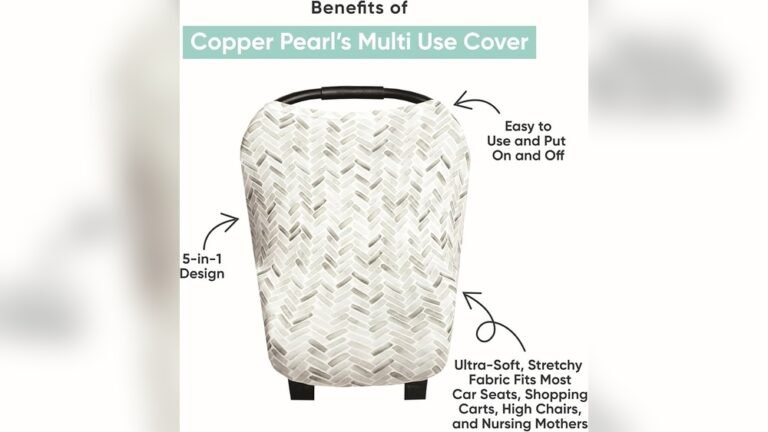
Shower-cap style covers fit over the entire car seat. They protect your baby from cold wind and rain. These covers do not go under the baby or behind the straps. This design keeps the harness secure and tight. They are a safer choice for cold weather. Choose covers made for car seats with breathable material to avoid overheating.
Frequently Asked Questions
What Are Common Car Seat Mistakes?
Common car seat mistakes include loose installation, incorrect harness positioning, switching to forward-facing too soon, using wrong seat types, and placing seats improperly. Avoid unapproved accessories and ensure straps are tight and at correct shoulder height for safety.
What Should You Avoid When Putting A Baby In A Car Seat?
Avoid loose harness straps, incorrect strap height, using unapproved accessories, forward-facing too early, and placing covers behind the baby. Secure the car seat tightly and follow height and weight limits carefully.
What Is A Common Mistake When Installing A Child’s Car Seat?
A common mistake is installing the car seat too loosely, which reduces safety during a crash. Always tighten straps securely.
What Is One Of The Most Common Mistakes Parents Make With Car Seat Safety?
One common mistake is switching a child to a forward-facing car seat too early instead of keeping them rear-facing longer.
Conclusion
Avoiding common infant car seat mistakes keeps your baby safe on every trip. Always follow the car seat manual carefully. Check harness straps and seat installation often. Use the right seat for your child’s age and size. Keep the seat rear-facing as long as possible.
Never add unapproved accessories or covers. Proper use saves lives and prevents injuries. Safety starts with correct car seat use every time. Stay alert and protect your little one on the road.

I’m Melissa Turner, a mom of two passionate about helping parents make confident buying decisions. I research and review baby gear, compare trusted products, and share practical parenting tips based on careful research. My goal is to simplify shopping with honest, easy-to-understand guides that put safety, comfort, and value first. I focus on baby carriers, strollers, feeding essentials, nursery products, and everyday parenting gear. I hope my recommendations help make your parenting journey a little easier and more enjoyable.