Step by Step Guide to Using Convertible Car Seat Correctly
Using a convertible car seat might feel overwhelming at first, but it doesn’t have to be. You want to keep your child safe and comfortable every time you hit the road, and getting the seat set up correctly is key.
This step-by-step guide will walk you through everything you need to know—from choosing the right position for your child’s age to installing the seat securely in your car. By the time you finish reading, you’ll feel confident and ready to protect your little one on every journey.
Keep reading to discover simple tips and expert advice that make using a convertible car seat easier than you ever thought possible.
Choosing The Right Convertible Car Seat
Choosing the right convertible car seat is crucial for your child’s safety and comfort. This decision depends on various factors, including your child’s age, size, and the car seat’s features. Understanding these elements helps you pick a seat that grows with your child and meets safety standards.
Rear-facing Vs. Forward-facing Options
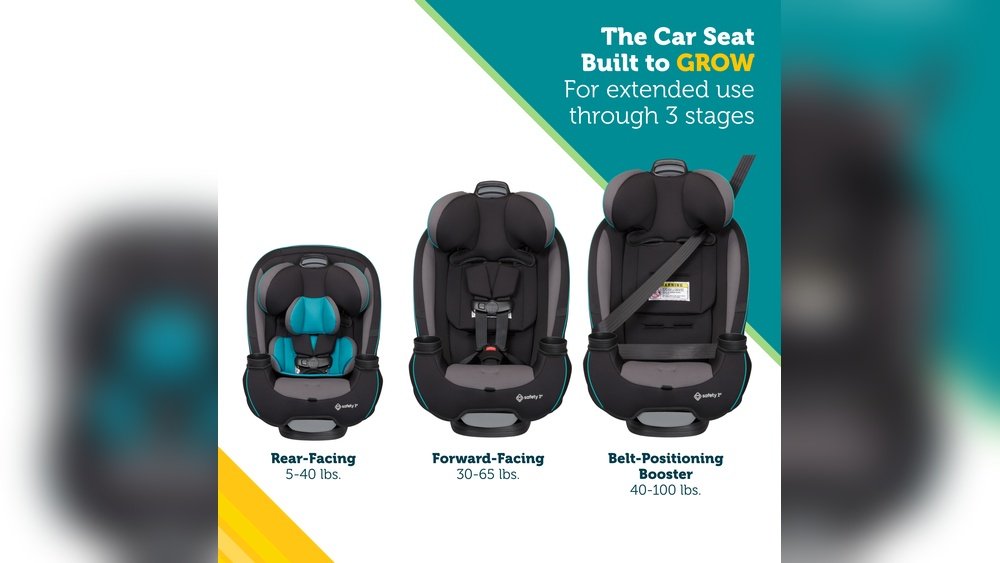
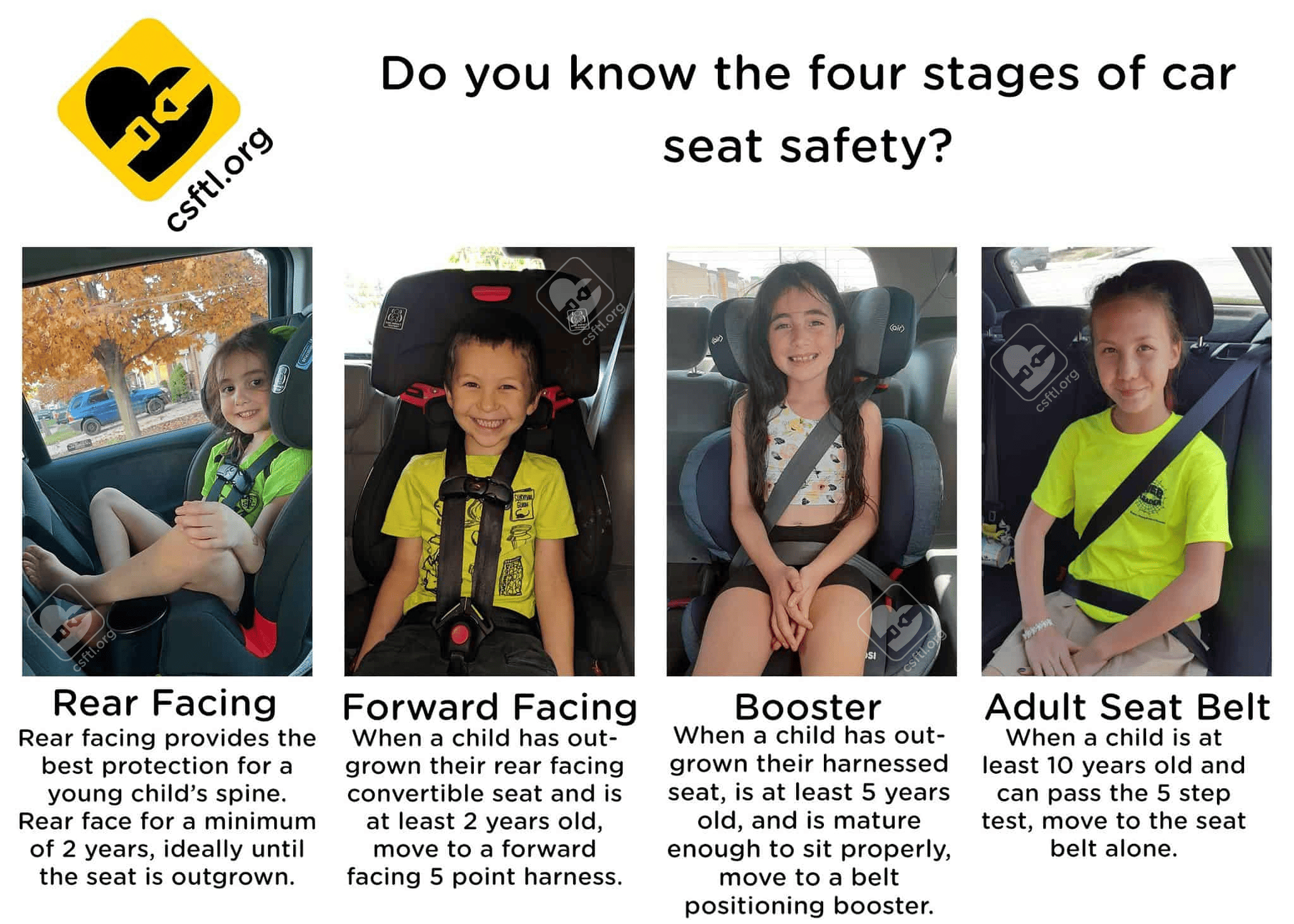
Convertible car seats offer two main positions: rear-facing and forward-facing. Rear-facing is safer for infants and toddlers. It supports their head, neck, and spine better during a crash. Forward-facing is for older children who meet the rear-facing height and weight limits. Many seats allow use in rear-facing mode until children reach 40 pounds or more.
Height And Weight Limits
Check the seat’s height and weight limits carefully. These limits determine how long your child can safely use the seat in each position. Rear-facing limits usually range from 5 to 40 pounds. Forward-facing limits often start at 20 pounds and go up to 65 pounds or more. Choose a seat with limits that fit your child’s current size and future growth.
Safety Standards To Look For
Always choose a car seat that meets federal safety standards. Look for labels showing compliance with FMVSS 213. Also, check for side-impact protection and energy-absorbing foam. These features improve safety in crashes. Avoid seats without clear safety certification or that have expired recall notices.
Preparing For Installation
Preparing for the installation of a convertible car seat is the first key step. Proper preparation helps ensure the seat fits securely and protects your child. Taking time to get ready makes installation easier and safer.
This section covers important tasks before you start installing. Follow these steps closely for the best results.
Reading The Manual Thoroughly
Every convertible car seat comes with a detailed manual. Read it completely before installation. The manual explains important safety rules and specific instructions. Each car seat model has unique features and requirements. Understanding these details prevents mistakes during installation. Keep the manual handy for quick reference while installing.
Gathering Necessary Tools
Check the manual to identify any tools needed for installation. Most convertible car seats require no extra tools. Some models may need a screwdriver or a latch system tool. Have these tools ready before starting. This preparation saves time and avoids interruptions. Also, clear the car seat area to have enough space to work comfortably.
Selecting The Best Location In Your Vehicle
Choose the safest and most practical spot for the car seat. The back seat is always the safest place for children. Avoid the front seat due to airbags and impact risks. Find a flat, stable area with easy access to seat belts or LATCH anchors. Center rear seats are best when possible, as they offer extra protection. Confirm the chosen spot fits the car seat securely without movement.
Installing The Car Seat Rear-facing
Installing a convertible car seat in the rear-facing position is essential for your child’s safety. This setup protects the head, neck, and spine during sudden stops or crashes. Follow these simple steps to ensure a secure and correct installation.
Positioning The Seat Correctly
Place the car seat in the back seat of your vehicle. The seat should face the rear window. Check the angle indicator on the car seat. Adjust the recline angle to keep your child’s head from falling forward. This angle helps protect your baby’s airway and spine.
Routing The Seat Belt Or Latch System
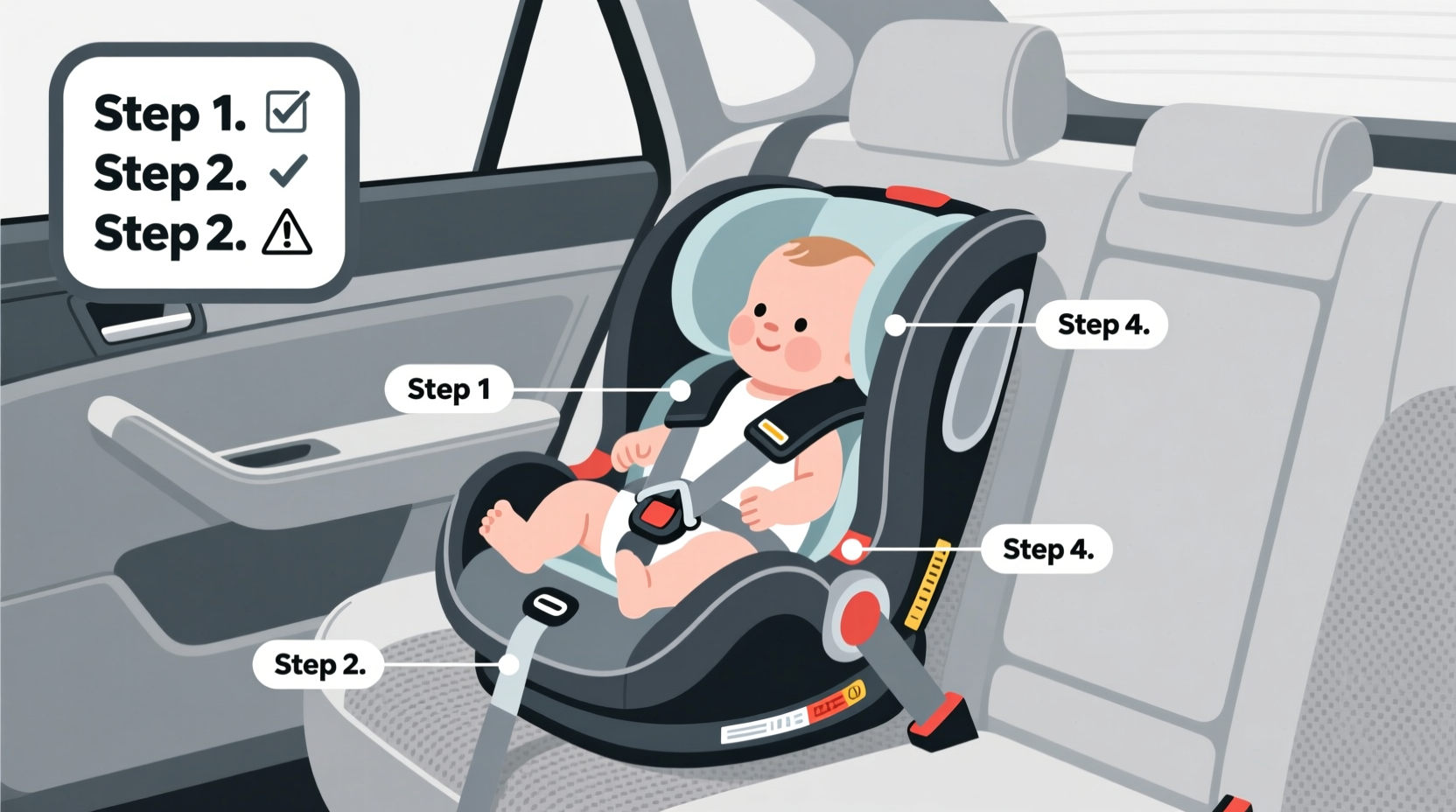
Find the correct belt path for rear-facing installation. Thread the seat belt or LATCH strap through this path. Make sure the belt is not twisted. Buckle the seat belt or connect the LATCH hooks to your car’s anchors. Pull the belt or straps tight to remove slack.
Securing And Tightening The Seat
Push down firmly on the car seat while tightening the belt or LATCH strap. The seat should not move more than one inch side to side or front to back. Double-check the recline angle after tightening. Lock the seat belt or LATCH system if your vehicle has a locking feature.
Installing The Car Seat Forward-facing
Installing a convertible car seat forward-facing is a key step as your child grows. This position suits toddlers and older children who meet specific size and age requirements. Proper installation ensures maximum safety and comfort during every ride. Follow these steps to install the car seat forward-facing correctly and securely.
When To Switch To Forward-facing
Switch to forward-facing after your child outgrows the rear-facing limits. Check the car seat manual for height and weight limits. Most children switch between 2 and 4 years old. Forward-facing allows better visibility and comfort for bigger kids. Always follow the safety guidelines to keep your child protected.
Adjusting Harness And Tether Straps
Adjust the harness straps to fit snugly over your child’s shoulders. The straps should sit at or above the shoulders in forward-facing mode. Tighten the harness so you cannot pinch any slack. Connect and tighten the top tether strap to reduce forward movement in a crash. Proper strap adjustment is crucial for safety.
Locking The Seat In Place
Use the vehicle’s seat belt or LATCH system to secure the car seat. Thread the belt through the forward-facing belt path shown in the manual. Lock the seat belt by pulling it tight and ensuring no slack remains. Double-check the seat does not move more than one inch side-to-side or front-to-back. Secure locking keeps the seat stable during travel.
Adjusting Harness And Straps
Adjusting the harness and straps is a crucial step in using a convertible car seat. This ensures your child stays safe and comfortable during every ride. Proper adjustment prevents injury by keeping your child securely in place.
Each adjustment must be precise. Even small mistakes can reduce the harness’s effectiveness. Follow these simple steps to get the perfect fit every time.
Proper Harness Height And Fit
Place the harness straps at or just below your child’s shoulders for rear-facing use. For forward-facing, position the straps at or just above the shoulders. This positioning helps keep your child secure during sudden stops.
Check the harness height often. Adjust it as your child grows to maintain proper safety.
Ensuring A Snug And Secure Fit
Pull the harness straps tight so they lie flat without twists. You should not be able to pinch any slack at the shoulder. A snug fit keeps your child from slipping out or moving too much.
After tightening, fasten the chest clip at armpit level. This clip helps keep the straps in place and protects your child’s chest.
Removing Bulky Clothing For Safety
Remove thick coats or bulky clothing before strapping your child in. These can compress in a crash and make the harness too loose. Dress your child in thin layers to stay warm instead.
Cover your child with a blanket after securing the harness. This keeps them warm without compromising safety.
Credit: carinterior.alibaba.com
Safety Tips For Everyday Use
Using a convertible car seat every day means staying alert to safety details. Small habits make a big difference in protecting your child during every ride. Follow these safety tips to keep your little one secure and comfortable.
Following The Two-hour Rule
Keep your child in the car seat for no more than two hours at a time. Long periods can cause breathing issues and discomfort. Babies especially need breaks to avoid pressure on their developing spine and muscles. After two hours, remove your child from the seat and let them stretch.
Taking Breaks During Long Trips
Plan breaks every two hours on long drives. Stop the car and take your child out of the seat. Let them move around and breathe fresh air. This helps reduce tiredness and keeps them alert. Breaks also prevent the car seat straps from causing discomfort.
Keeping The Child Comfortable And Alert
Dress your child in light, comfortable clothes to avoid overheating. Remove bulky jackets before strapping them in. Use sunshades to block bright light and keep the seat cool. Talk or sing to your child to keep them calm and awake during trips.
Common Mistakes To Avoid
Using a convertible car seat correctly keeps your child safe during travel. Many parents make simple mistakes that reduce safety. Knowing common errors helps you avoid risks and protect your little one. This section highlights key mistakes to watch out for.
Incorrect Seat Belt Routing
Routing the seat belt through the wrong path weakens the car seat’s hold. Always check the user manual for the correct belt path. The belt must be tight and secure around the seat frame. A loose or twisted belt can cause the seat to move during a crash.
Loose Installation
A loosely installed car seat is dangerous. Press down firmly while tightening the belt or latch. The seat should not move more than one inch side to side or front to back. Double-check the fit after every installation to keep it secure.
Skipping Regular Safety Checks
Car seats can loosen over time from regular use. Inspect the seat and straps before every trip. Look for wear, damage, or loosened belts. Regular checks ensure the seat stays in top condition for maximum protection.
Maintenance And Cleaning
Proper maintenance and cleaning keep your convertible car seat safe and comfortable. Dirt, spills, and wear can affect its performance. Regular care ensures your child’s protection and extends the seat’s life.
Regular Inspection For Wear And Tear
Check the car seat often for any damage. Look at the harness, buckles, and fabric. Make sure straps are not frayed or stretched. Inspect plastic parts for cracks or breaks. Replace parts that show signs of wear to keep the seat safe.
Cleaning Harness And Fabric Properly
Remove the fabric cover according to the manual. Wash it with mild soap and cold water. Avoid bleach or harsh detergents. Let it air dry completely before reinstalling. Clean the harness with a damp cloth only. Do not soak or machine wash the harness to keep its strength.
Replacing Expired Or Damaged Seats
Car seats have expiration dates printed on them. Use the seat only within that time frame. Replace the seat if it has been in a crash. Do not use a seat with broken parts or missing labels. A new seat ensures your child’s safety with the latest standards.
When To Transition Out Of Convertible Seats
Knowing the right time to transition out of a convertible car seat ensures your child’s safety. The switch depends on your child’s size, age, and development. Proper timing helps avoid risks linked to improper restraint use. The process requires attention to specific milestones and guidelines.
Recognizing Growth Milestones
Watch your child’s height and weight closely. Most convertible seats have limits based on these measurements. Check if your child’s shoulders are above the top harness slots. Also, see if their head is near the top of the seat. These signs mean your child might outgrow the seat soon.
Switching To Booster Seats
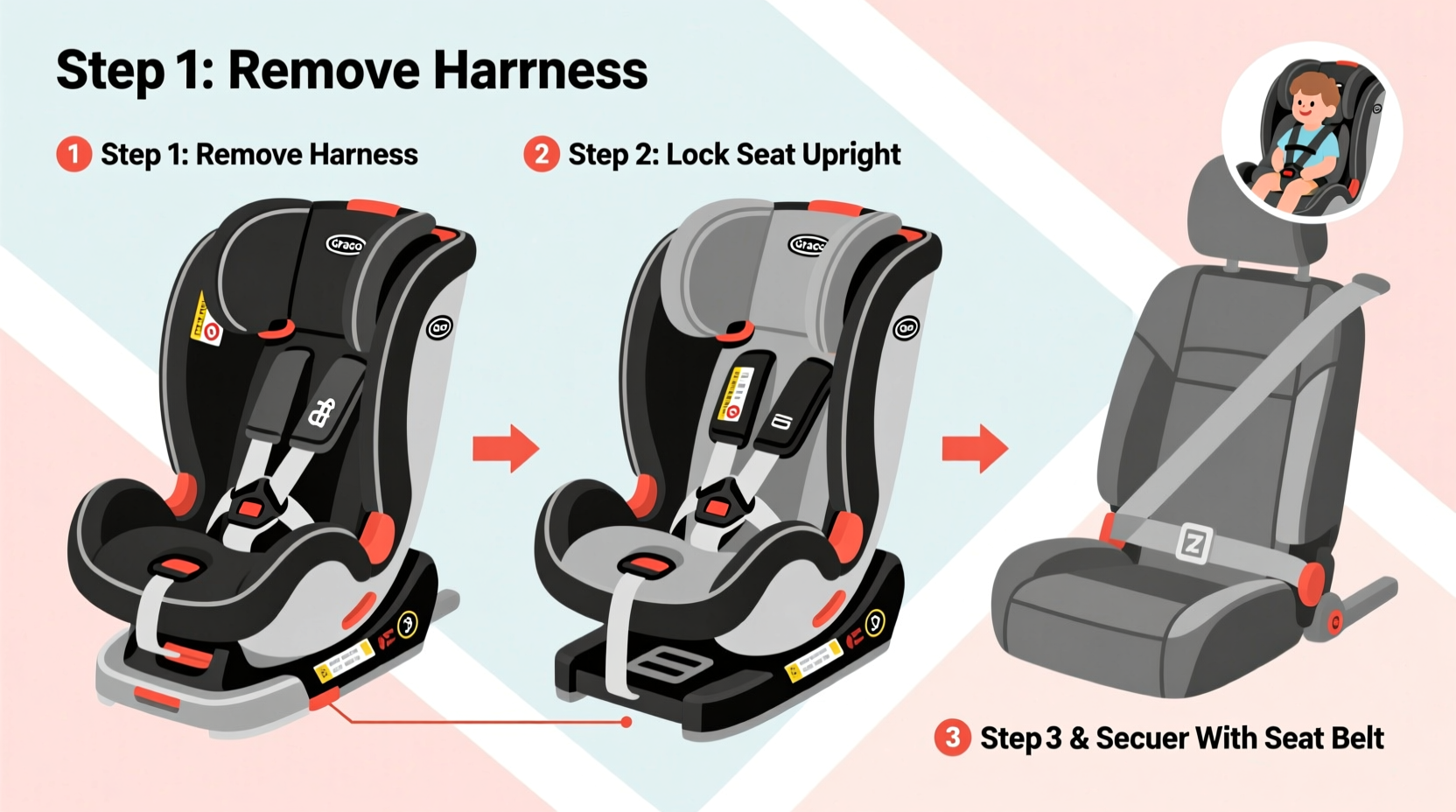
Booster seats fit children who have outgrown convertible seats but are too small for seat belts. Your child should be at least 4 years old and weigh around 40 pounds. A booster seat raises the child to fit the car’s seat belt correctly. Ensure the lap belt lies low on the hips, not the stomach. The shoulder belt should cross the chest, not the neck.
Following Manufacturer Recommendations
Always read the car seat manual carefully. Manufacturers provide clear rules on size limits and proper use. Follow their weight, height, and age guidelines strictly. This advice helps keep your child safe and ensures the seat works as designed. Never rush the transition before meeting these requirements.
Credit: csftl.org
Credit: carinterior.alibaba.com
Frequently Asked Questions
How To Use A Convertible Car Seat?
Place the convertible car seat securely using the vehicle seat belt or LATCH system. Adjust harness straps to fit snugly. Position your child rear-facing for infants, forward-facing for older toddlers. Always follow manufacturer instructions and local safety laws. Regularly check for proper installation and fit.
What Is The 2 Hour Rule For Car Seats?
The 2 hour rule limits babies in car seats to two hours to prevent breathing risks and spinal strain. Always remove babies after two hours for breaks.
When Can I Switch From Infant Car Seat To Convertible?
Switch from an infant to a convertible car seat when your baby’s head is within one inch of the infant seat’s top. Also, ensure your baby has good head and neck control before switching. Always follow the car seat manufacturer’s weight and height limits for safe use.
Is It Better To Latch Or Seatbelt A Car Seat?
Both LATCH and seatbelt methods securely install car seats. Use LATCH for easier installation, but seatbelts fit better in some vehicles. Always follow the car seat manual and vehicle guidelines for safest installation.
Conclusion
Using a convertible car seat correctly keeps your child safe on every trip. Always follow each step carefully for proper installation. Check the seat’s manual and your vehicle’s guide often. Make sure the harness fits snugly around your child. Adjust the seat as your child grows, switching from rear-facing to forward-facing when needed.
Regularly inspect the car seat for wear or damage. Taking these simple actions ensures a secure and comfortable ride. Safety matters most, so stay attentive and confident while using the car seat.

I’m Melissa Turner, a mom of two passionate about helping parents make confident buying decisions. I research and review baby gear, compare trusted products, and share practical parenting tips based on careful research. My goal is to simplify shopping with honest, easy-to-understand guides that put safety, comfort, and value first. I focus on baby carriers, strollers, feeding essentials, nursery products, and everyday parenting gear. I hope my recommendations help make your parenting journey a little easier and more enjoyable.