Expert Tips for Using Convertible Car Seat: Ultimate Safety Guide
Using a convertible car seat correctly can make all the difference in keeping your child safe and comfortable during every ride. But if you’re like most parents, you might feel overwhelmed by the many instructions and safety tips out there.
What’s the best way to install it? When should you switch from rear-facing to forward-facing? How do you make sure your little one stays snug without being too tight? This guide is packed with expert tips that will help you master your convertible car seat with confidence.
Keep reading, and you’ll discover simple, practical advice that puts your child’s safety first—because when it comes to protecting your most precious passenger, every detail matters.
Choosing The Right Convertible Seat
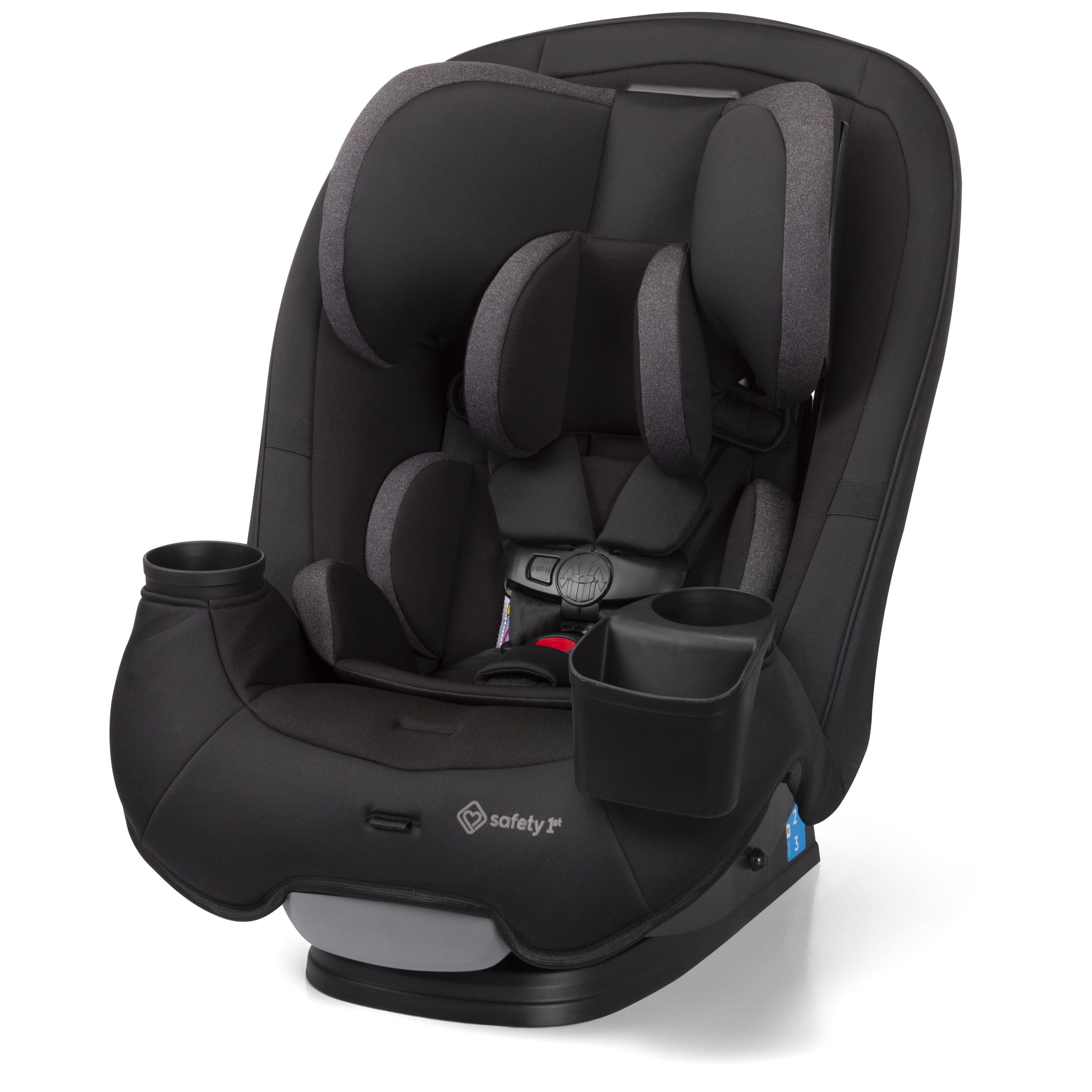
Choosing the right convertible car seat is key for your child’s safety and comfort. It ensures proper fit, protection, and ease of use. Understanding different features can help you make a smart choice.
Consider your child’s needs and your vehicle type. This helps find a seat that works well every day.
Rear-facing Vs Forward-facing
Rear-facing seats support your child’s head, neck, and spine better. Experts recommend keeping children rear-facing as long as possible. Forward-facing seats are for older kids who meet weight and height limits. Switching too early can increase injury risk. Always follow the car seat guidelines for safe use.
Weight And Height Limits
Check the car seat’s weight and height limits before buying. These limits show when to switch from rear-facing to forward-facing. Some seats fit bigger kids longer, saving money. Using the seat beyond limits reduces protection. Keep your child within these limits for the best safety.
Compatibility With Your Vehicle
Not all car seats fit every vehicle. Check your car’s manual for seat installation rules. Look for seats with easy installation features like LATCH connectors. Make sure the seat fits well and stays secure. A proper fit prevents movement during travel and protects your child better.
Credit: brandclub.com
Proper Installation Techniques
Proper installation of a convertible car seat ensures your child’s safety on every trip. Incorrect setup can reduce protection in a crash. Learning the right techniques helps secure the seat firmly and keeps your child safe. This section covers key methods for installing your car seat correctly.
Using Seat Belts Correctly
Start by reading the car seat manual and vehicle guide. Place the seat in the back seat of your car. Thread the seat belt through the correct belt path. Lock the seat belt to prevent slack. Tighten the belt until the car seat moves less than one inch side to side. Check the angle to match the child’s age and size.
Latch System Basics
LATCH stands for Lower Anchors and Tethers for Children. Most cars and seats have LATCH connectors. Attach the lower anchors to the car’s anchor points. Pull the straps tight to secure the seat. Use the top tether if your seat has one for forward-facing. Do not use both seat belt and LATCH at the same time unless the manual allows it.
Checking For Secure Fit
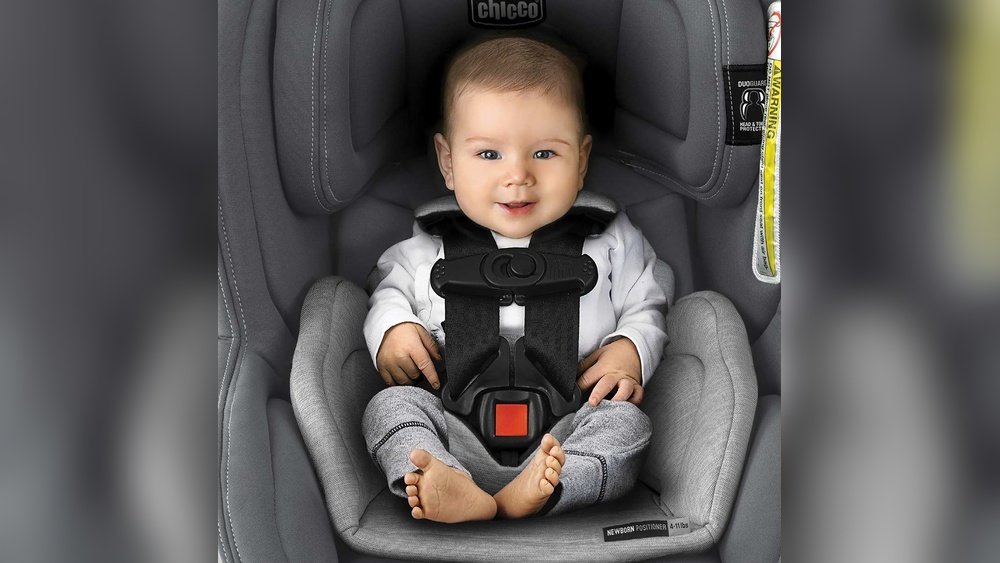
After installation, shake the seat at the base. It should move less than one inch in any direction. Check the harness fit on your child. The straps should be snug with no slack. The chest clip must sit at armpit level. Look for any twisted straps and fix them immediately.
Harnessing Your Child Safely
Keeping your child safe in a convertible car seat starts with proper harnessing. The harness holds your child securely in place during travel. Adjusting the straps correctly prevents injuries and discomfort. Small changes in strap height and tightness make a big difference. Removing bulky clothing ensures the harness fits snugly. The chest clip must sit in the right spot to protect your child effectively. These steps help create a safe and comfortable ride for your little one.
Adjusting Strap Height And Tightness
Place the harness straps at or just above your child’s shoulders. For rear-facing seats, straps should be at shoulder level or lower. For forward-facing seats, position them at or above the shoulders. Tighten the straps until they lay flat without slack. You should not be able to pinch any excess webbing. Proper strap height and snugness keep your child secure in case of sudden stops.
Removing Bulky Clothing
Thick coats and bulky clothing create gaps between your child and the harness. This reduces the harness’s effectiveness during a crash. Dress your child in thin layers instead. Use blankets over the harness for warmth after buckling up. Remove heavy jackets before placing your child in the seat. A tight harness against the body offers the best protection.
Ensuring Chest Clip Position
Place the chest clip at armpit level. This position keeps the harness straps on your child’s shoulders. A chest clip too high or too low can cause straps to slip off. Secure the clip firmly but comfortably. Check the position every time you buckle your child. Correct chest clip placement enhances the harness’s safety performance.
Credit: brandclub.com
Maximizing Comfort And Safety
Maximizing comfort and safety in a convertible car seat is key for every child’s ride. A well-fitted seat keeps your child secure and happy. Small adjustments can make a big difference in protection and ease. Follow these expert tips to ensure your child travels safely and comfortably.
Using Infant Inserts Appropriately
Infant inserts provide extra support for newborns and small babies. Use them to fill gaps and keep your baby snug. Remove inserts as your child grows to avoid restricting movement. Always check the car seat manual for guidance on insert use. Proper use prevents slumping and helps maintain a safe posture.
Maintaining Proper Recline Angle
The recline angle affects both comfort and safety. A more reclined position supports a newborn’s head and neck. Use the seat’s built-in indicators to set the correct angle. Adjust the angle as your child grows to keep their airway open. A proper recline reduces the risk of breathing problems.
Preventing Positional Asphyxia
Positional asphyxia happens when a child’s airway is blocked due to poor positioning. Avoid letting your baby’s head fall forward. Check the harness fit regularly to keep your child secure. Limit time spent in the car seat to prevent discomfort and breathing issues. Take breaks often to let your child stretch and change position.
Time Limits And Breaks
Using a convertible car seat safely means knowing about time limits and breaks. Babies and toddlers should not stay in their seats too long. Long periods can cause discomfort and health risks. Frequent breaks help keep children safe and comfortable during travel.
Following The Two-hour Rule
The two-hour rule means children should not stay in a car seat for more than two hours at once. Experts say this helps prevent breathing problems and muscle strain. Babies have soft spines and need to move often. After two hours, remove your child from the seat.
Taking Breaks During Travel
Plan stops every two hours on long trips. Use this time to take your child out of the seat. Let them stretch and move around on a firm surface. This helps reduce stress on their body. Avoid keeping heavy clothes on during breaks to ensure proper harness fit and comfort.
Safe Practices Outside The Car
Do not leave your child in the car seat outside the car for long. Even if they are sleeping, take them out once you arrive. Keep the harness tight if they remain seated for short times. Always place them on a flat surface during breaks for better posture and safety.
Transitioning Between Modes
Transitioning between rear-facing and forward-facing modes in a convertible car seat is an important step. It ensures your child travels safely as they grow. Understanding the right time and how to adjust the seat helps keep your child comfortable and secure.
When To Switch To Forward-facing
Switching to forward-facing depends mostly on your child’s age and size. Most safety experts suggest keeping your child rear-facing as long as possible. This is usually until they reach the car seat’s rear-facing height or weight limit. Rear-facing offers better protection for a child’s head, neck, and spine during a crash.
Check your car seat manual for specific limits. Many convertible seats allow rear-facing up to 40 pounds or more. You can switch to forward-facing only after your child outgrows these limits.
Signs Your Child Is Ready
Your child shows clear signs when ready to face forward. They can sit up well without support. Their head is stable, and they have good neck control. If your child’s shoulders reach the top harness slots in rear-facing mode, it is time to switch. Also, if they exceed the rear-facing weight or height limit, forward-facing is necessary.
Always follow the car seat’s guidelines. Each child grows differently. Waiting too long or switching too soon can affect safety.
Adjusting The Seat For Growth
Adjust your convertible car seat as your child grows. Move the harness straps to the correct slots, usually at or above your child’s shoulders in forward-facing mode. Tighten or loosen the harness for a snug fit. The chest clip should be at armpit level.
Also, adjust the recline angle if your seat allows it. Many seats have multiple recline positions. Proper recline keeps your child comfortable and safe during trips.
Common Mistakes To Avoid
Using a convertible car seat correctly is vital for your child’s safety. Many parents make simple errors that reduce protection. Avoiding these common mistakes can ensure your child stays secure during every ride.
Focus on proper harness use, firm seat installation, and following the manufacturer’s rules. These steps help prevent injuries and keep your child comfortable.
Incorrect Harness Use
Always place the harness straps at or below your child’s shoulders for rear-facing. For forward-facing, straps should sit at or above the shoulders. Avoid twisted straps as they reduce strength. Tighten the harness so you cannot pinch extra webbing. A loose harness increases injury risk in a crash.
Loose Installation
Secure the car seat tightly using either the seat belt or LATCH system. The seat should not move more than one inch side to side or front to back. A loose car seat can shift during an accident and harm your child. Double-check installation every time you place your child in the seat.
Ignoring Manufacturer Guidelines
Read and follow the car seat manual carefully. Each model has different weight and height limits for rear-facing and forward-facing modes. Using the seat beyond these limits reduces safety. Avoid guessing or using outdated seats. Keeping to the guidelines ensures the best protection for your child.
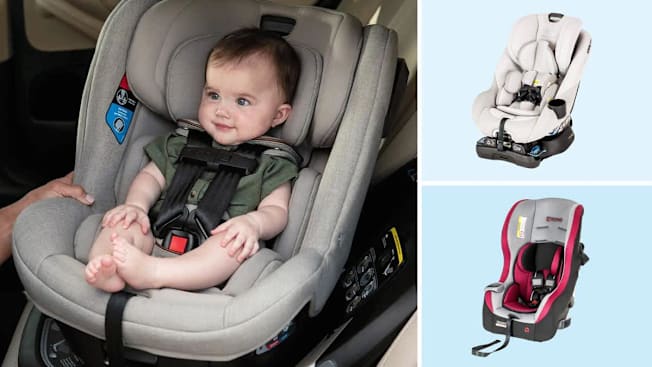
Credit: www.consumerreports.org
Additional Safety Tips
Using a convertible car seat properly ensures your child’s safety on every trip. Beyond installation and harness adjustments, extra safety steps improve protection. These tips help you keep the seat secure and effective.
Choosing Seats With Safety Features
Select car seats with strong side-impact protection. Look for seats that pass rigorous safety tests. Adjustable headrests and energy-absorbing foam add extra security. These features reduce injury risks during crashes.
Regularly Inspecting The Seat
Check your car seat often for damage or wear. Examine the harness straps for fraying or stretching. Make sure buckles click securely and release easily. Confirm that the seat base stays firmly installed. Regular checks prevent problems before they happen.
Registering Your Car Seat For Recalls
Register your seat with the manufacturer after purchase. This way, you get alerts about recalls or safety notices. Acting quickly on recalls keeps your child safe. Always follow the manufacturer’s instructions for updates or fixes.
Frequently Asked Questions
What Is The 2 Hour Rule For Car Seats?
The 2-hour rule limits babies in car seats to two hours to prevent breathing risks and spinal strain. Always remove babies upon arrival for breaks.
What Age Do You Move A Baby To A Convertible Car Seat?
Move a baby to a convertible car seat after they outgrow the infant seat, usually around 1 year old and 20 pounds. Keep them rear-facing as long as possible for safety.
How To Use A Convertible Car Seat?
Place the convertible car seat in the vehicle using the correct belt path. Buckle securely and tighten the harness snugly around the child. Adjust straps to fit your child’s size. Use rear-facing for infants, forward-facing for toddlers as per weight and height limits.
What Are The Cons Of Convertible Car Seats?
Convertible car seats are bulkier and heavier than infant seats. They lack stroller compatibility and can be harder to install in small cars.
Conclusion
Using a convertible car seat correctly keeps your child safe and comfortable. Always follow the manufacturer’s instructions carefully. Check the harness fit regularly as your child grows. Make sure the seat is tightly installed in your vehicle. Remember to switch between rear-facing and forward-facing at the right age.
Take breaks during long trips to avoid strain. Regularly inspect the seat for wear and damage. Safety matters most, so stay informed and attentive. Your child deserves the best protection on every ride.

I’m Melissa Turner, a mom of two passionate about helping parents make confident buying decisions. I research and review baby gear, compare trusted products, and share practical parenting tips based on careful research. My goal is to simplify shopping with honest, easy-to-understand guides that put safety, comfort, and value first. I focus on baby carriers, strollers, feeding essentials, nursery products, and everyday parenting gear. I hope my recommendations help make your parenting journey a little easier and more enjoyable.