All Benefits of Using Booster Seat for Newborns Safety
When it comes to your newborn’s safety, every choice you make counts. Using a booster seat might seem like a step for older kids, but understanding its benefits can give you peace of mind as your little one grows.
You want to protect your baby from the moment you hit the road, ensuring they’re secure and comfortable. You’ll discover why booster seats are essential, how they support your child’s development, and what features to look for to keep your newborn safe.
Keep reading to find out how this simple addition can make a big difference for your family’s safety on the go.

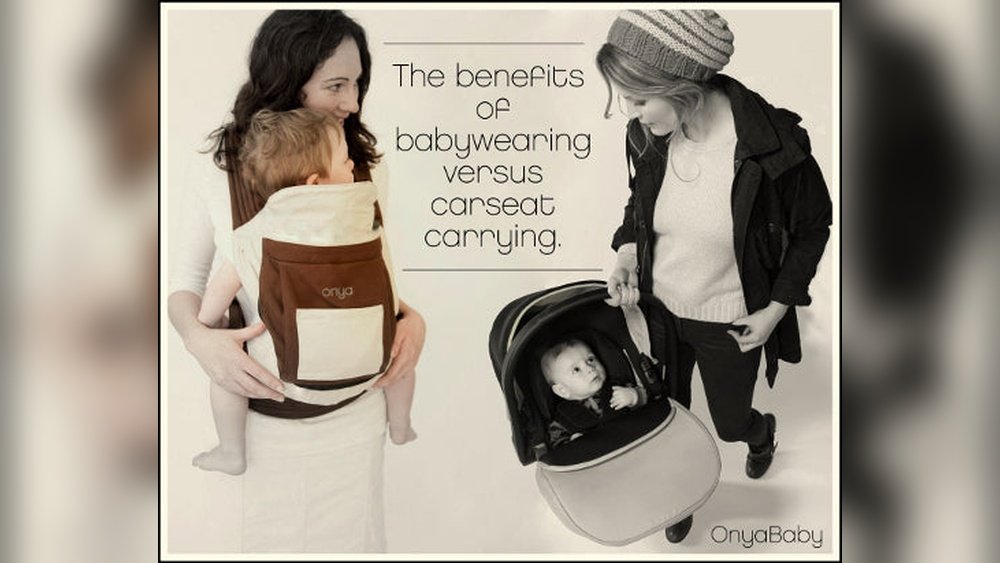
Credit: onyababy.com
Why Booster Seats Matter
Booster seats help protect newborn breathing by keeping the head properly aligned. When a baby’s chin drops to the chest, the airway can get narrowed. This reduces oxygen flow and can cause serious problems.
Supporting spinal growth is another key benefit. Newborns have delicate spines that need to stay straight and free from pressure. Booster seats help by reducing stress on the spine and muscles during travel.
Using a booster seat also reduces injury risk. It keeps babies safely restrained and prevents harmful movements in case of sudden stops or accidents. The proper fit helps protect their soft bones and growing body.

Credit: pishposhbaby.com
Safe Usage Guidelines
Newborns should not stay in a booster seat for more than two hours at a time. This helps avoid stress on their spine and keeps their breathing safe. The semi-upright position can cause their chin to fall to the chest, which may block the airway.
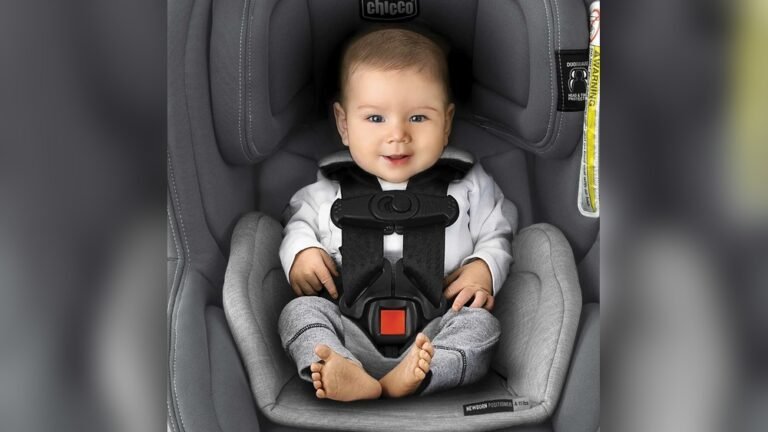
Always check that the harness is snug but not too tight. This keeps the baby secure and prevents sliding. Loose harnesses can cause unsafe positions and increase risk during travel.
Another adult should monitor the baby’s posture during the ride. Make sure the head and neck stay supported and aligned. If the baby slumps, stop and adjust the seat or harness.
Choosing The Right Seat
Choosing the right booster seat means focusing on top safety features. Look for seats with strong harness systems and side-impact protection. A good booster seat should fit your child snugly and securely.
Here is a table of some highly rated models and their key features:
| Model | Safety Features | Price Range |
|---|---|---|
| Graco TurboBooster | Adjustable headrest, 2-layer side impact protection | $40 – $60 |
| Chicco KidFit | SuperCinch LATCH, energy-absorbing foam | $100 – $130 |
| Evenflo Big Kid | Dual cup holders, easy to clean | $30 – $50 |
Budget-friendly options still offer good safety. Focus on the fit and comfort rather than extra features. Always check for ease of installation and proper harness adjustment.
Installation Tips
Rigid LATCH systems provide a strong, secure connection for booster seats. They are easier to install and reduce seat movement. Always check that the connectors click firmly into place.
Positioning load legs correctly adds extra stability. The leg should rest firmly on the vehicle floor without gaps. Adjust the length so the booster seat does not rock or tilt.
Avoid common mistakes like loose straps or incorrect angles. Make sure the booster seat is tight and does not move side to side. Never place the seat on soft cushions or folded blankets. Double-check the belt path and harness fit before each ride.
Extended Travel Advice
Taking breaks during long trips helps newborns move and stretch safely. Plan stops every 1 to 2 hours to avoid stress on their spine and breathing. Let the baby out of the car seat to change position and relax.
Switching a baby from the car seat to a crib for naps is safer. Car seats are not designed for long sleep periods. A flat surface helps with proper spinal growth and prevents airway issues.
During long rides, keep an eye on the baby’s head and neck position. Have someone check often to ensure the baby’s chin does not fall forward. This can block breathing and cause discomfort.

Credit: www.macrobaby.com
Frequently Asked Questions
What Is The 2 Hour Car Seat Rule For Babies?
The 2-hour car seat rule advises not to keep babies in a car seat over two hours continuously. Extended time risks spinal stress and breathing issues. Always move babies to a flat surface for rest and monitor their head position during rides to ensure safety and proper development.
When Should I Put My Baby In A Booster Seat?
Put your baby in a booster seat when they outgrow the forward-facing car seat, usually at 4 years old or 40 pounds. Ensure they meet height and weight limits and can sit properly with the seat belt fitting across the shoulder and lap.
What Are The Benefits Of A Booster Seat?
Booster seats position seat belts correctly for child safety and comfort. They reduce injury risk and improve crash protection during travel.
What Is The Safest Car Seat For A Newborn?
The safest car seat for a newborn is a rear-facing infant seat with a load leg and rigid LATCH system. Top picks include Nuna Pipa RX, Chicco KeyFit Max, and Maxi-Cosi Mico Luxe+ for excellent crash protection and easy installation.
Conclusion
Using a booster seat helps keep newborns safe and comfortable during travel. It supports proper posture and reduces the risk of injury. Babies breathe easier with correct head and neck positioning. Limiting time in the seat protects their spine and allows healthy growth.
Always check your baby’s position and avoid long naps in the seat. Choosing the right booster seat and using it properly gives parents peace of mind. Safe travel starts with the right seat for your newborn’s needs.
I’m Melissa Turner, a mom of two passionate about helping parents make confident buying decisions. I research and review baby gear, compare trusted products, and share practical parenting tips based on careful research. My goal is to simplify shopping with honest, easy-to-understand guides that put safety, comfort, and value first. I focus on baby carriers, strollers, feeding essentials, nursery products, and everyday parenting gear. I hope my recommendations help make your parenting journey a little easier and more enjoyable.