Avoid These Dangerous Errors With Booster Seat
Are you sure your child’s booster seat is set up correctly? Many parents think they have it right, but common mistakes with booster seats can put your child’s safety at serious risk.
From incorrect seat belt placement to using the wrong type of booster, these errors happen more often than you might realize. You’ll discover the most frequent booster seat mistakes and simple fixes you can apply today. Keep reading to protect your little one and drive with confidence every time you hit the road.
Booster Seat Basics
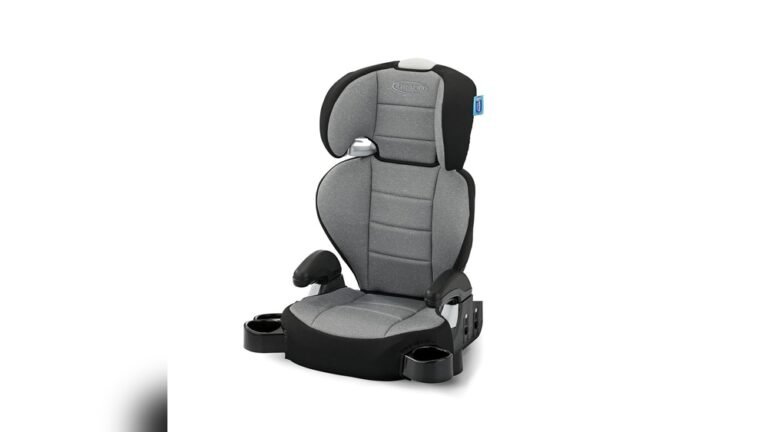
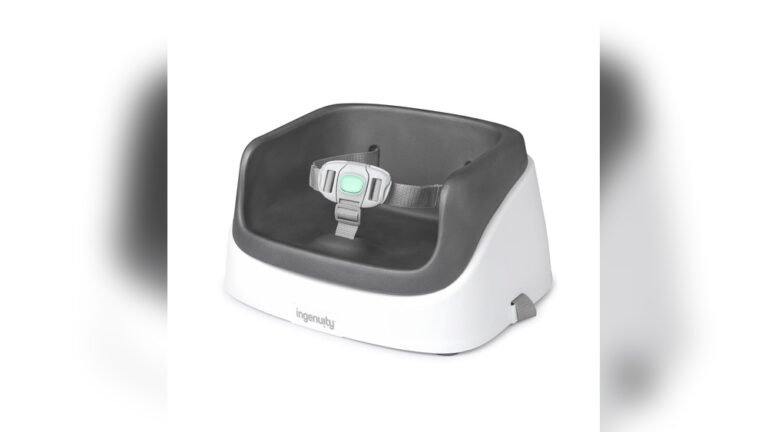
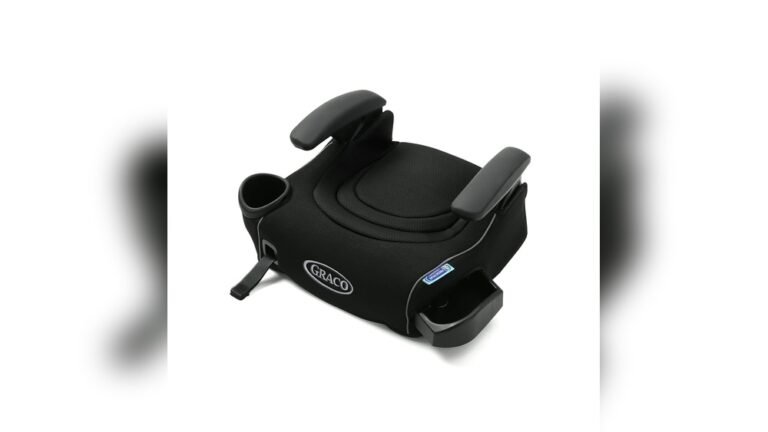
Booster seats come in two main types: high-back and backless. High-back boosters provide extra support for the head and neck. Backless boosters are smaller and easier to carry. Choose a booster seat based on your child’s size and car seat design.
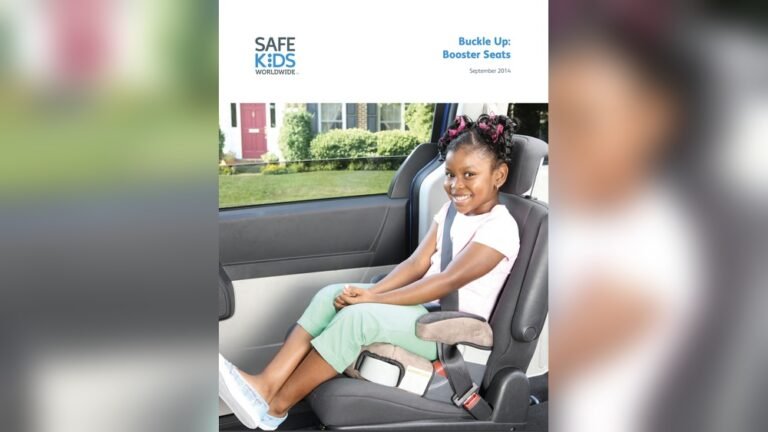
Children should start using a booster seat once they outgrow their forward-facing car seat. Usually, this is when they are about 4 to 7 years old. The child must weigh at least 40 pounds and be tall enough for the car’s seat belt to fit properly. The belt should lie across the upper thighs and shoulder, not the neck or stomach.
Incorrect Installation
Loose seat belt placement can make the booster seat unsafe. The seat belt must fit tightly across the child’s hips and chest. A loose belt can cause serious injury in a crash.
Ignoring the vehicle manual is a common error. Each car and booster seat is different. The manual shows how to install the seat correctly and safely. Always follow these instructions carefully.
Gaps behind the seat back reduce protection. If the booster seat does not sit flush against the vehicle seat, it can move too much. This gap might cause the child to be less secure during sudden stops.
Improper Belt Positioning
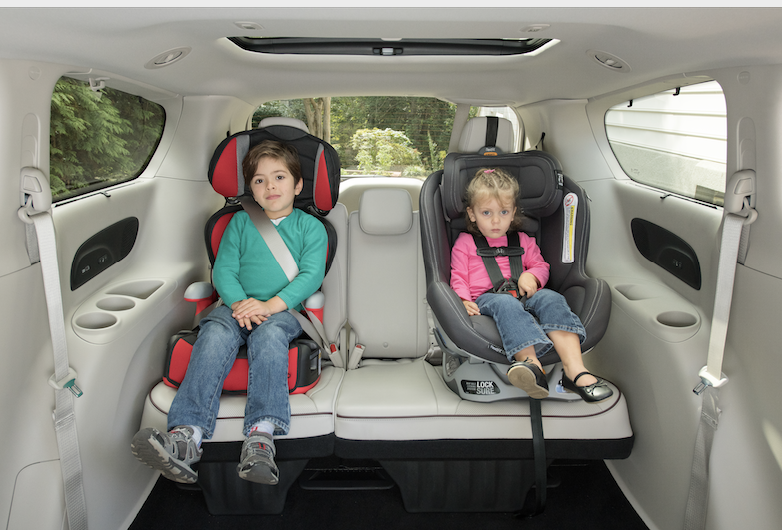
Lap belts placed on the stomach can cause serious injuries in crashes. The belt should lie low, touching the hips and upper thighs for proper protection.
A shoulder belt worn across the neck or face can hurt the child and reduce safety. It must rest snugly across the chest and shoulder, not the neck.
Many skip using the chest clip, but it is very important. The chest clip keeps the shoulder belt in the right position and stops the belt from sliding off.
Credit: www.vumc.org
Wrong Booster Seat Choice
Choosing a backless booster seat instead of a highback booster can reduce safety. Highback boosters provide better support for a child’s head and neck. They also help position the seatbelt correctly. Backless boosters may not protect well in a crash, especially on seats without headrests.
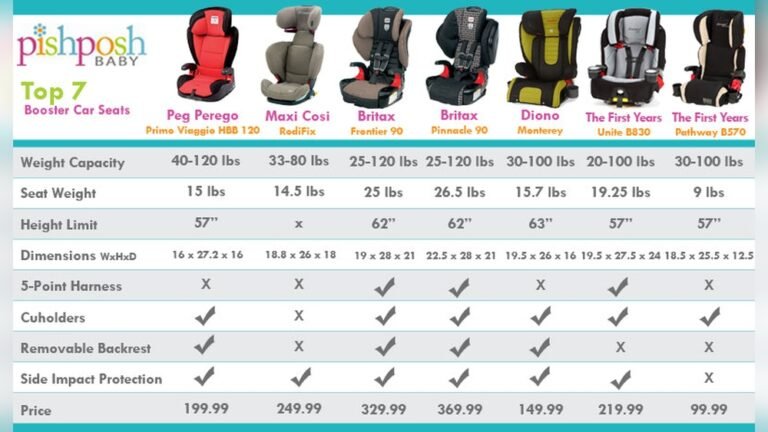
Ignoring the height and weight limits of a booster seat is risky. Each booster seat has specific limits for safe use. Using a booster that is too small or too large can cause poor fit and less protection. Always check the seat’s manual for these limits. Keeping children within these limits ensures proper safety and comfort.
Child’s Seating Posture
Slouching against the seat makes the child less protected. It can cause the seat belt to sit incorrectly. The belt may not stay on the shoulder, increasing injury risk.
Knees not bending comfortably means the booster seat might be too high or too low. This can make the child feel uneasy and shift positions while driving. Proper knee bend helps keep the child stable and safe.
Feet not flat on the floor reduces comfort and support. Dangling feet can cause poor posture and make the child slide forward. Booster seats should allow feet to rest flat to improve balance and safety.
Booster Seat Maintenance
Using expired booster seats can be very dangerous. Over time, materials weaken and may fail in a crash. Always check the expiration date on your seat before use. Seats older than this date should be replaced.
Skipping registration means missing important safety updates. Manufacturers may recall seats for defects or safety issues. Registering your booster seat ensures you get critical notifications directly.
Ignoring damage after accidents can put children at risk. Even small cracks or bends weaken the seat’s protection. Replace booster seats that have been in any crash, no matter how minor.
Legal And Safety Guidelines
Booster seats must match the child’s age and height. Most states require children to be at least 4 years old and about 40 inches tall. Using a booster seat too early or too late can be unsafe.
Always place booster seats in the back seat. This is the safest spot for children under 13 years old. Front seats have airbags that can hurt small kids during a crash.
Each state has different laws about booster seats. Some require children to use them until they reach certain height or age. Check local rules to avoid fines and keep kids safe.
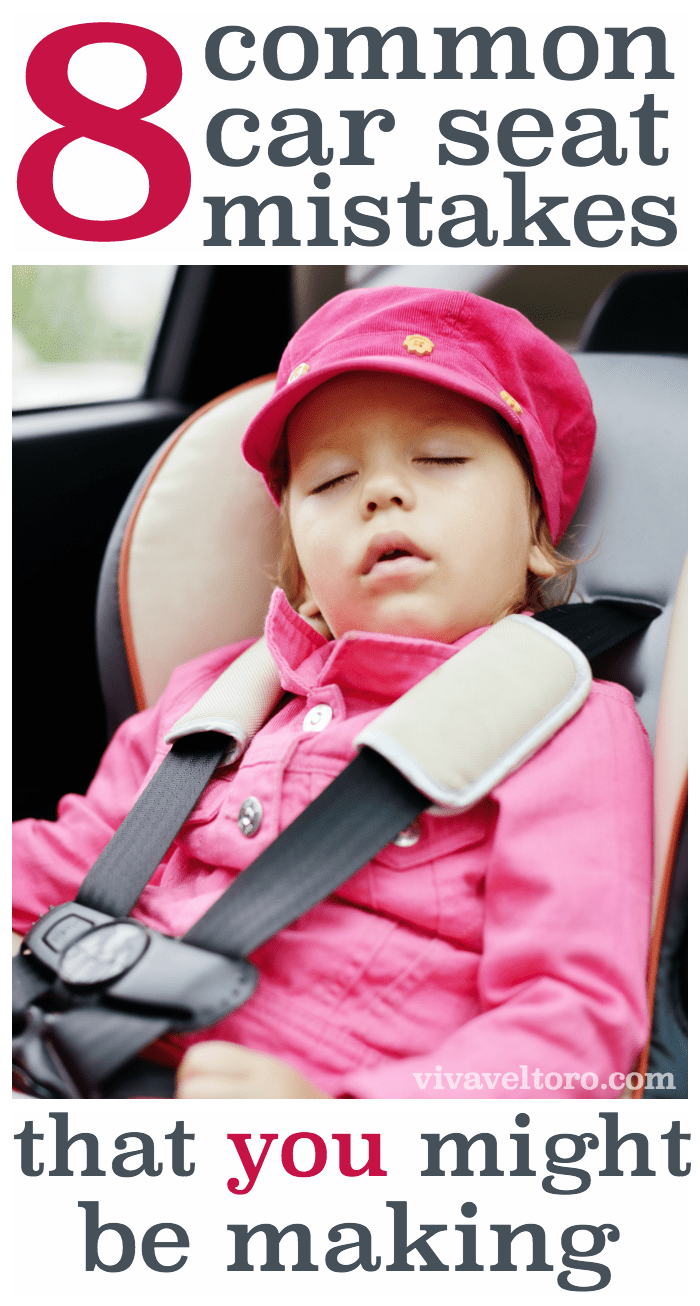
Credit: www.vivaveltoro.com
Common Parent Mistakes
Turning a child forward too soon can reduce safety. Kids should stay rear-facing until they reach the height or weight limit. This position protects their head and neck better in crashes.
Using unapproved accessories like extra cushions or covers may change how the booster fits. These can make the seat less safe. Always use parts made for the exact model.
Placing the seat in the wrong vehicle spot is risky. The back seat center is usually safest. Avoid front seats with airbags, which can hurt small children.

Credit: www.briskmanandbriskman.com
Frequently Asked Questions
What Are Common Booster Seat Mistakes?
Common booster seat mistakes include incorrect seat belt placement, loose installation, ignoring height/weight limits, skipping the manual, and improper harness positioning.
What Are Common Car Seat Installation Mistakes?
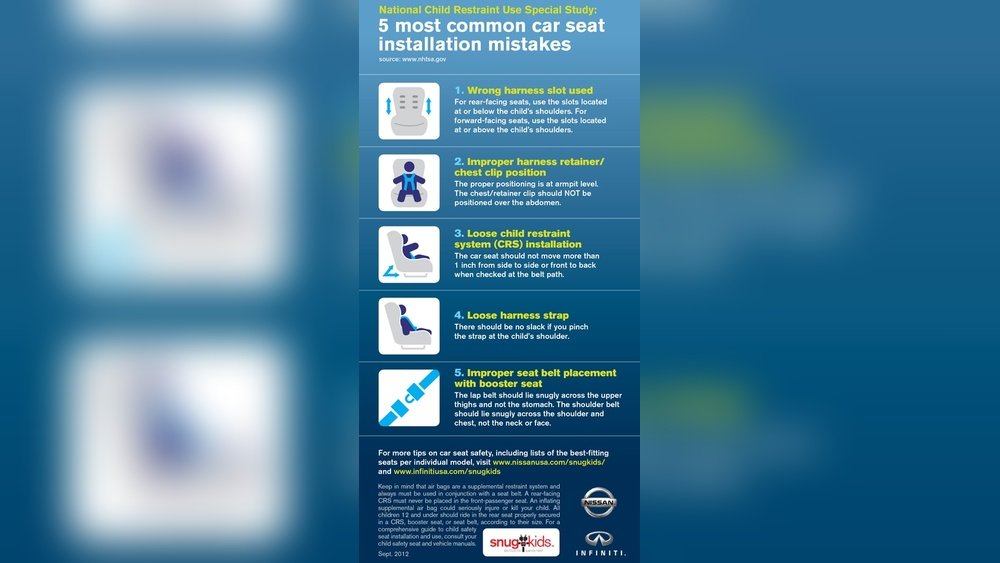
Common car seat installation mistakes include loose installation, incorrect harness slot use, wrong chest clip position, loose harness straps, and improper seat belt placement. Always secure the seat tightly and follow the manufacturer’s instructions to ensure child safety.
What Is One Of The Most Common Mistakes Parents Make With Car Seat Safety?
One common car seat safety mistake is installing the seat too loosely, compromising child protection during crashes.
When Should A Child Stop Using A Booster Seat?
A child should stop using a booster seat when they sit properly with the seat belt. Their back must be flat against the seat, knees bend at the edge, feet rest flat on the floor, the lap belt fits low on hips, and the shoulder belt crosses the chest correctly.
Conclusion
Booster seats protect children only when used correctly. Avoid common errors like loose straps or wrong seat placement. Always check the seat manual for clear instructions. Make sure the seat belt fits your child properly every time. Using the right booster seat for your child’s size is crucial.
Small mistakes can reduce safety and increase risk in accidents. Stay alert and keep learning about booster seat safety. Your child’s life depends on careful and correct use. Safety starts with you.

I’m Melissa Turner, a mom of two passionate about helping parents make confident buying decisions. I research and review baby gear, compare trusted products, and share practical parenting tips based on careful research. My goal is to simplify shopping with honest, easy-to-understand guides that put safety, comfort, and value first. I focus on baby carriers, strollers, feeding essentials, nursery products, and everyday parenting gear. I hope my recommendations help make your parenting journey a little easier and more enjoyable.