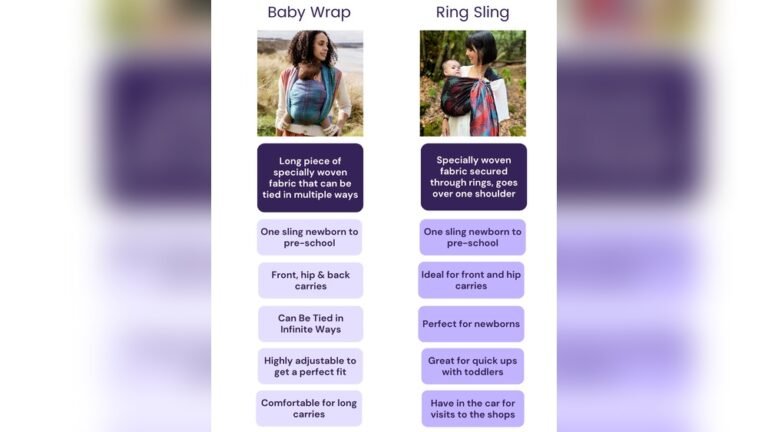

Avoid These Common Mistakes With Ring Sling | Parenting Pitfalls
Using a ring sling can make carrying your baby feel natural and freeing, but it’s easy to slip up without realizing it. Are you struggling with discomfort, your baby slipping, or just not getting the perfect fit?
You’re not alone. Many parents make simple mistakes that turn what should be a wonderful experience into a frustrating one. You’ll discover the most common ring sling mistakes and how to fix them quickly. By the time you finish reading, you’ll feel confident, comfortable, and ready to enjoy every moment with your little one, without the hassle.
Keep reading to learn how to master your ring sling!
Ring Sling Fit Issues
Ring sling fit issues are common and can cause discomfort for both baby and wearer. A poorly fitted sling can lead to back pain, slipping fabric, and unsafe positioning. Understanding how to adjust and wear your ring sling properly improves comfort and safety. Focus on key areas such as sling position, ring placement, and fabric tension to avoid typical problems.
Finding The Right Position
The sling should sit high on your shoulder, near your collarbone. This position helps distribute weight evenly and prevents strain. Avoid placing the sling too low, as it may cause slipping or poor support. The baby should rest close to your body, at chest or breast level. Keep the baby’s head visible and kissable for safety and comfort.
Adjusting The Ring Placement
Place the rings just below your shoulder, not too far back or forward. Proper ring placement allows easy tightening and loosening of the sling. If rings are too far back, the fabric may sag or feel loose. If too far forward, the sling might restrict your arm movement. Adjust the rings so the sling fabric spreads smoothly across your shoulder.
Avoiding Fabric Slumping
Fabric slumping happens when the sling fabric folds or sags under the baby’s weight. Tighten the sling by pulling the fabric strand by strand. Focus on the top, middle, and bottom sections to keep fabric even. A snug sling holds baby securely and prevents shifting. Regularly check and adjust tension during wear to maintain a firm, comfortable fit.

Credit: www.theratchetshop.com
Tightening Techniques
Tightening your ring sling properly ensures your baby stays safe and comfortable. Many caregivers struggle with getting the sling snug without causing discomfort. Using the right tightening techniques keeps the fabric secure and supports your baby well. This section explains simple steps to tighten your sling effectively.
Step-by-step Tightening
Start by placing the ring high on your shoulder. Pull the fabric through the rings slowly. Tighten the top rail first, then the middle, and finally the bottom. Adjust each section until the fabric feels snug but not tight. Check your baby’s position and repeat tightening if needed. Tighten strand by strand for even support.
Balancing Comfort And Security
Find a balance between tightness and comfort. Too loose, and your baby may slump or slide. Too tight, and you or your baby may feel pinched or sore. Adjust the sling so it holds your baby close to your body. Make sure the weight spreads evenly across your shoulder and back. This keeps both of you comfortable for longer wear.
Preventing Loose Carrying
Loose carrying is unsafe and uncomfortable. Check the sling often to avoid slack. If your baby shifts, re-tighten immediately. Focus on the middle third of the sling to prevent folding or sagging. Keep the rings close to your shoulder to maintain tension. Regularly tightening helps maintain a secure and safe carry.
Common Wearing Mistakes
Using a ring sling can make carrying your baby easier and more comfortable. Many parents face common wearing mistakes that affect safety and comfort. Avoiding these errors helps both you and your baby enjoy the sling better.
Wearing Sling Too Low Or High
Wearing the sling too low makes the baby sit below your waist. This causes strain on your back and makes walking difficult. Sling worn too high restricts your arm movement and feels tight. The ideal position is around your chest or just below your shoulder. This keeps your baby close and lets you move freely.
Incorrect Baby Positioning
Baby should sit in an upright position with knees higher than their bottom. Avoid letting the baby slump or lean to one side. Incorrect positioning can block the baby’s airway or cause discomfort. Always check the baby’s back is straight and supported by the sling fabric.
Covering Baby’s Face
Ensure the sling fabric does not cover the baby’s nose or mouth. Covering the face can block air and cause breathing problems. Keep the baby’s face visible and their head close enough to kiss. Regularly check that your baby’s airways are clear and free from fabric.
Back And Shoulder Comfort
Back and shoulder comfort is essential when using a ring sling. Many users feel strain or pain after wearing it for some time. This discomfort often comes from common mistakes in how the sling is worn or adjusted. Understanding how to avoid these issues can make babywearing a pleasant experience. Proper support helps protect your body and keeps your baby safe and cozy.
Preventing Back Strain
Back strain happens when the sling does not support your baby’s weight correctly. Avoid wearing the sling too low on your back. This puts extra pressure on your lower back muscles. Instead, position the sling so the baby sits high and close to your chest. Tighten the fabric evenly to keep the weight balanced. Take breaks if you feel any discomfort. Stretching your back regularly also helps relieve tension.
Avoiding Shoulder Pain
Shoulder pain often results from uneven sling adjustment. The ring should sit just below your shoulder, not on it. Avoid letting the fabric bunch up in one spot. Spread the fabric wide over your shoulder for better support. Switch shoulders regularly to reduce fatigue. A well-adjusted sling distributes weight evenly, preventing pinching or soreness. Listen to your body and adjust as needed.
Proper Weight Distribution
Weight distribution is the key to comfort in a ring sling. The sling must spread the baby’s weight across your back, shoulder, and torso. Tighten the fabric strand by strand, from the rings down to the tail. This method prevents slipping and keeps the baby secure. Avoid carrying the baby too far forward or too low. Proper positioning reduces pressure points and keeps your posture natural.
Safety Concerns
Safety is the top priority when using a ring sling. Many parents make mistakes that can risk their baby’s well-being. Understanding common safety concerns helps prevent accidents. Proper use of the sling ensures comfort and security for both baby and wearer.
Ensuring Baby’s Secure Seat
The baby must sit deeply in the sling. Avoid letting them slump or slide down. The fabric should support from knee to knee. Tighten the sling evenly to hold baby close. A secure seat prevents falls and helps baby feel stable.
Maintaining Airway Visibility
Always keep baby’s face visible to you. The sling fabric should not cover the nose or mouth. Check baby’s head position often. Their chin should not press against the chest. Clear airways are critical for safe breathing.
Avoiding Slipping Or Falling
Check sling rings for tightness before each use. The fabric must not loosen during wear. Practice adjusting the sling to remove slack. Use both hands when placing baby in or out. Avoid sudden movements that could shift baby’s position.
Usage Tips And Limits
Using a ring sling correctly helps keep both you and your baby safe and comfortable. Knowing the right usage tips and limits prevents common problems like back pain or baby slipping. It also ensures a positive experience for you and your child every time you wear the sling.
Recommended Wearing Duration
Wear the ring sling for short periods at first. Start with 30 minutes and watch how your body feels. If you feel pain or discomfort, remove the sling and rest. Gradually increase wearing time as you and your baby get used to it. Avoid wearing the sling for more than two hours without breaks.
When To Take Breaks
Take breaks to avoid strain on your shoulder and back. Stop wearing the sling if you feel any pain or numbness. Let your baby stretch and move freely during breaks. Use breaks to check the sling’s tightness and adjust if needed. Frequent breaks keep both of you comfortable and safe.
Adapting For Newborns Vs Toddlers
Newborns need more head and neck support in the sling. Use extra fabric to create a snug, secure hold. Keep the baby higher on your chest for better support. Toddlers can sit lower and face outward if they want to see around. Adjust the sling’s tightness and position to fit your child’s size and age.
Troubleshooting Common Problems
Troubleshooting common problems with a ring sling helps improve comfort and safety. Many users face issues like tightening difficulty, fabric bunching, or wrinkles. These problems can cause discomfort or unsafe carrying. Simple fixes make a big difference. Understanding how to adjust the sling properly ensures a better experience for both parent and baby.
Fixing Sling That Won’t Tighten
A ring sling that won’t tighten can feel loose and unsafe. Pull the tail fabric slowly and steadily to remove slack. Avoid pulling too fast; it makes tightening harder. Check that the rings are sitting flat and not twisted. Spread the fabric evenly across your shoulder to help grip. Practice tightening before placing your baby in the sling. This builds confidence and ensures a snug fit.
Handling Fabric Bunching
Fabric bunching creates pressure points and discomfort. Smooth the fabric before wearing the sling. Spread the fabric wide over your shoulder and back. Pull the fabric through the rings carefully to avoid folds. Adjust the fabric so it lies flat against your body. Bunching often happens when the sling is unevenly positioned. Regularly check and adjust to keep fabric smooth.
Dealing With Ring Sling Wrinkles
Wrinkles in a ring sling can reduce comfort and look untidy. Lay the sling flat and gently iron on low heat if the fabric allows. Fold the sling carefully to avoid deep creases. Use fabric softener when washing to keep it soft and less prone to wrinkles. Roll the sling instead of folding to prevent lines. Wrinkle-free fabric improves your baby’s comfort and sling appearance.

Credit: mariblum.de
Frequently Asked Questions
What Are The Common Mistakes Using A Sling?
Common sling mistakes include wearing it too low or high, improper tightening, uneven fabric spread, and not positioning the baby deeply and securely. These errors cause discomfort, poor support, and safety risks. Always adjust the sling snugly and position your baby for balanced weight distribution and comfort.
Why Does My Ring Sling Hurt My Back?
Your ring sling may hurt your back due to improper positioning, uneven weight distribution, or a loose fit. Tighten fabric evenly and position the ring high on your shoulder. Ensure your baby sits deeply and adjust the sling to avoid strain and discomfort.
How Many Hours A Day Should You Wear A Sling?
Wear your sling as advised by your healthcare provider, usually 2 to 6 hours daily. Take breaks to avoid strain.
How Does A Baby Not Fall Out Of A Ring Sling?
A baby stays secure in a ring sling by tightening the fabric evenly around them. Ensure the sling is snug at the top, middle, and bottom. Proper positioning prevents folding and slumping, keeping the baby safe and comfortable during carrying.
Conclusion
Avoid common ring sling mistakes to ensure comfort and safety. Keep the sling at the right height for better support. Tighten the fabric evenly to prevent slumping or folding. Check your posture to reduce back or shoulder pain. Practice adjusting your sling to find what works best.
Remember, patience helps you and your baby enjoy babywearing more. Small changes can make a big difference in your experience. Keep trying, and your ring sling will become easier to use every day.
I’m Melissa Turner, a mom of two passionate about helping parents make confident buying decisions. I research and review baby gear, compare trusted products, and share practical parenting tips based on careful research. My goal is to simplify shopping with honest, easy-to-understand guides that put safety, comfort, and value first. I focus on baby carriers, strollers, feeding essentials, nursery products, and everyday parenting gear. I hope my recommendations help make your parenting journey a little easier and more enjoyable.