How Long Do Babies Stay in Size 1 Diapers Best Parent Guide
Are you wondering how long your baby will stay in size 1 diapers? It’s a common question for many parents, especially when you want to avoid constantly buying new packs or dealing with leaks and discomfort.
The truth is, there’s no one-size-fits-all answer. Your baby’s growth, weight, and even the diaper brand all play a role in how long size 1 will fit comfortably. But don’t worry—knowing the typical weight ranges and signs that it’s time to move up can save you time, money, and stress.
Keep reading to discover exactly what to expect and how to make diapering as smooth as possible for both you and your baby.

Credit: www.walmart.com
Size 1 Diapers Basics
Size 1 diapers are designed for babies who have outgrown newborn diapers. They offer a snug fit to keep babies comfortable and dry. Parents often wonder how long babies stay in this size. Understanding the basics of size 1 diapers helps in choosing the right fit and timing for size changes.
These diapers balance absorbency and flexibility, fitting babies as they grow and gain weight. Knowing the weight range and typical age helps parents plan diaper purchases wisely. Also, different brands offer varied fits, so exploring popular options can be useful.
Weight Range And Age
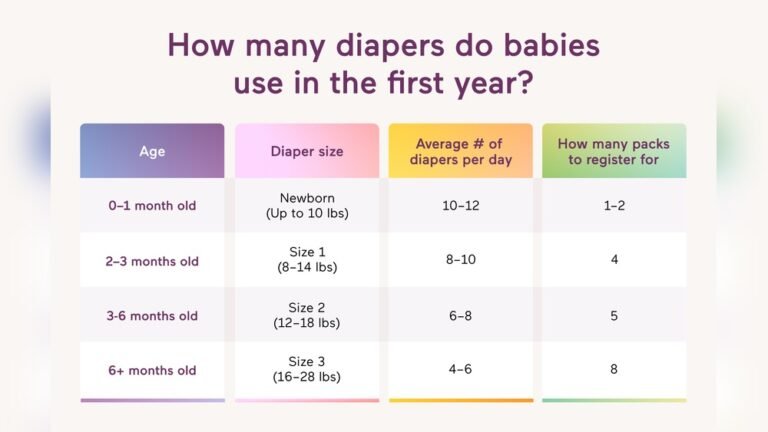
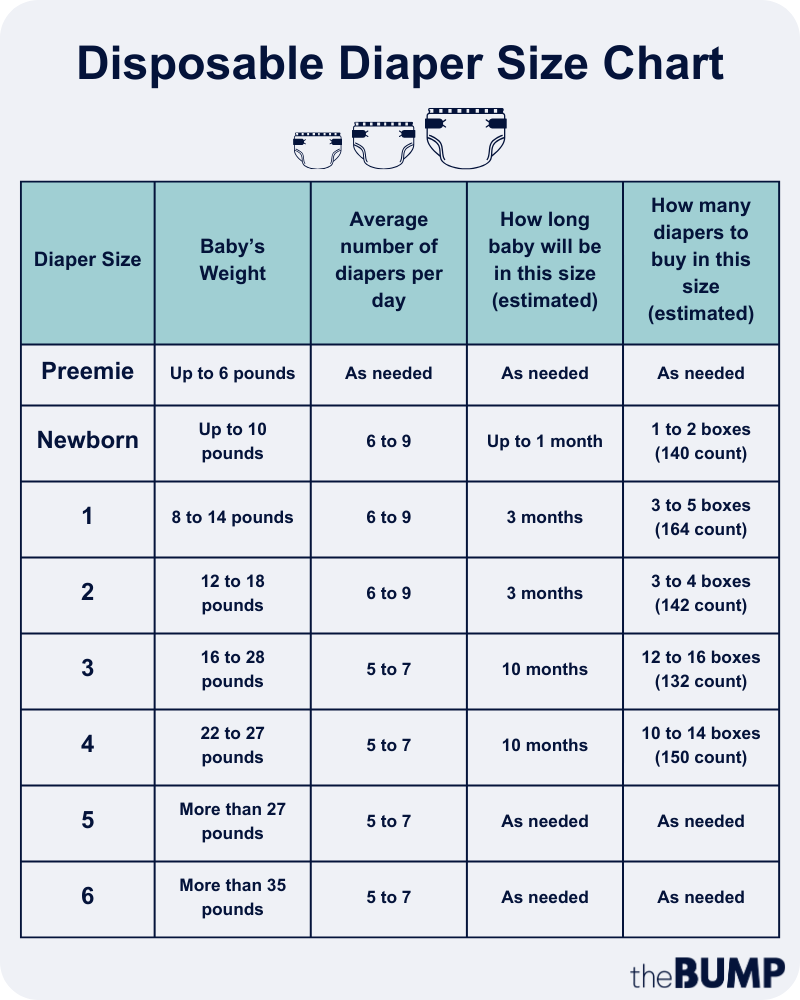
Size 1 diapers usually fit babies weighing between 8 and 14 pounds. This range covers many infants from about one to four months old. Babies grow at different rates, so some may stay in size 1 diapers longer than others.
Many babies move to size 1 diapers after outgrowing newborn sizes, typically around their first month. They stay in size 1 until they reach the upper weight limit or the diaper no longer fits well. Watch for gaps or leaks as signs to switch sizes.
Common Brands And Fits
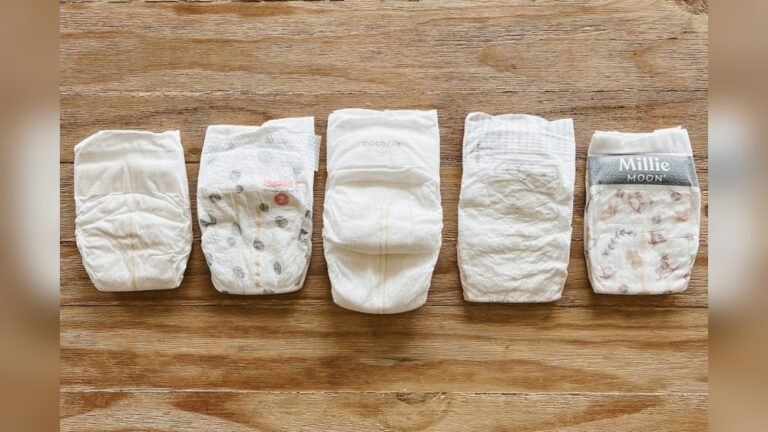
Popular brands like Pampers, Huggies, and Luvs offer size 1 diapers. Pampers often fits a bit larger and softer. Huggies provide a snug fit and strong leak protection. Luvs are known for affordability without sacrificing quality.
Each brand’s size 1 diapers may feel different on your baby. Trying a few brands helps find the best fit. Proper fit means fewer leaks and happier babies. Keep an eye on diaper tabs and stretch for a secure, comfortable seal.
Credit: www.thebump.com
Duration In Size 1 Diapers
Understanding how long babies stay in size 1 diapers helps parents plan better. Size 1 diapers fit babies who weigh between 8 and 14 pounds. This size usually follows newborn diapers as the baby grows. The duration in size 1 diapers varies with each child’s growth rate and habits.
Typical Time Span
Most babies wear size 1 diapers for about 1 to 3 months. This stage often covers the period from about 1 month to 4 months old. Babies grow fast, so the diaper size changes quickly. Some babies may need size 1 diapers for a shorter or longer time.
Factors Affecting Duration
Baby’s weight plays the biggest role in diaper size duration. Rapid weight gain means a faster switch to size 2. Feeding habits also affect diaper changes and growth. Brand differences can change how long size 1 diapers fit. Some brands run bigger or smaller than others.
Signs Baby Needs Size Up
Leaks and frequent blowouts signal a diaper is too small. Red marks on baby’s skin show tightness. If the diaper tabs cannot close properly, it is time to move up. When baby seems uncomfortable or restricted, consider the next size. Check diaper fit regularly for your baby’s comfort.
When To Switch Diaper Sizes
Knowing when to switch diaper sizes helps keep your baby comfortable and dry. Size 1 diapers fit babies who weigh between 8 to 14 pounds. Babies grow fast, so parents often wonder how long size 1 diapers last. Watching for signs that the diaper no longer fits well is important.
Checking Diaper Fit
Check the diaper’s fit around your baby’s waist and legs. The diaper should be snug but not too tight. If the diaper leaves red marks or is hard to close, it may be time to move up a size. A diaper that gaps or leaks easily also means the fit is off.
Monitoring Baby’s Growth
Track your baby’s weight regularly. Size 1 diapers usually fit babies up to 14 pounds. When your baby approaches or exceeds this weight, consider trying size 2 diapers. Growth spurts can happen quickly, so stay alert to changes in size and weight.
Avoiding Leaks And Discomfort
Diapers that are too small cause leaks and discomfort. A tight diaper can irritate your baby’s skin. Switching to a bigger size helps prevent leaks and keeps your baby happy. Comfort and dryness go hand in hand for a peaceful baby.

Credit: www.huggies.com
Diaper Usage Patterns
Understanding diaper usage patterns helps parents manage their baby’s needs efficiently. Babies grow fast, and their diaper requirements change often. Size 1 diapers usually fit babies weighing between 8 to 14 pounds. Parents need to track how long their baby stays in this size to avoid running out or having too many unused diapers.
Average Diapers Per Day
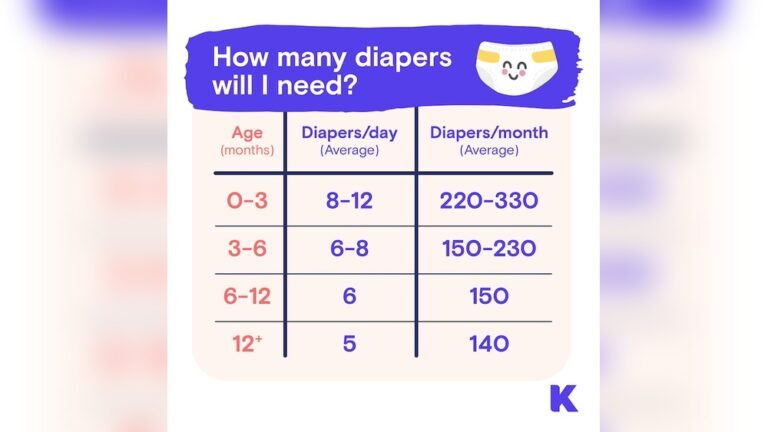
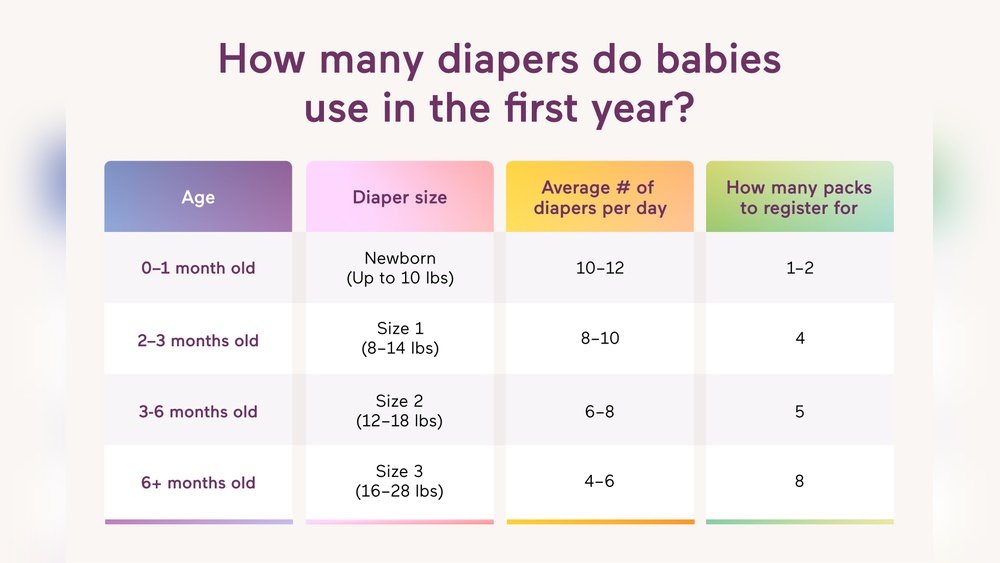
Newborns usually need about 10 to 12 diaper changes each day. This high number happens because newborns feed frequently and have many wet or soiled diapers. By the time babies reach size 1, the average drops slightly to 8 to 10 diapers daily. This change happens as babies start to feed less often and have more regular bathroom habits.
Changes Over Months
In the first three months, babies grow quickly and may outgrow size 1 diapers fast. Most babies stay in size 1 diapers for about one to two months. After this, they often move to size 2 as their weight increases. The number of diaper changes also decreases slowly during this time. By six months, babies may only need 6 to 8 diapers per day.
Stocking Tips For Parents
Parents should buy size 1 diapers in moderate amounts to avoid waste. It helps to keep a small stock of size 1 diapers for emergencies. Checking the baby’s weight regularly ensures the right diaper size. Switching sizes too late can cause leaks or discomfort. Buying a few packs of the next size early can make transitions smoother.
Special Considerations
Babies grow fast, and diaper size needs change quickly. Size 1 diapers suit babies around 8 to 14 pounds. Many parents wonder how long their baby stays in this size. Special factors affect this period, such as skin sensitivity, brand differences, and the baby’s birth size. Understanding these can help parents choose the best fit and keep their baby comfortable.
Diapers For Sensitive Skin
Some babies have very sensitive skin. Size 1 diapers with soft, hypoallergenic materials reduce irritation. Look for diapers labeled fragrance-free and dermatologist tested. These options help prevent rashes and redness. Switching to gentle diapers may extend the time your baby can use size 1.
Brand Size Variations
Not all brands size diapers the same way. Some brands run larger or smaller than others. For example, Pampers size 1 diapers may fit bigger than Huggies. Parents should watch for tightness or leaks as signs to change sizes. Trying a few brands helps find the best fit for each baby.
Handling Premature Or Larger Babies
Premature babies may need smaller diapers than size 1. Newborn sizes or preemie diapers often fit better. Larger babies might outgrow size 1 quickly. They may need to move to size 2 sooner. Weighing the baby regularly helps decide the right diaper size to avoid discomfort or leaks.
Frequently Asked Questions
When To Change Diaper Size From 1 To 2?
Change from diaper size 1 to 2 when your baby weighs about 12-18 pounds or if the size 1 diaper feels tight. Check if tabs don’t close properly or leaks occur. Adjusting ensures a comfortable, secure fit as your baby grows.
What Is The 3 6 9 Rule For Babies?
The 3 6 9 rule for babies guides feeding and development stages at 3, 6, and 9 months. It helps track growth milestones.
What Is The Hardest Month For A Baby?
The hardest month for a baby is often around 4 to 6 weeks due to growth spurts and increased fussiness. Babies may cry more and sleep less during this time. Every baby is different, so experiences vary widely. Parents should stay patient and supportive.
What Diaper Is Best For Eczema Skin?
Choose diapers made from hypoallergenic, fragrance-free materials with a soft, breathable design. Look for brands labeled for sensitive or eczema-prone skin to reduce irritation and promote comfort.
Conclusion
Babies usually wear size 1 diapers from about one to five months. Growth rates differ, so diaper size changes vary. Watch for signs like tightness or leaks to know when to switch. Choosing the right size keeps your baby comfortable and dry.
Remember, every baby is unique, so adjust as needed. Stay flexible and observe your little one closely. This way, diaper changes become easier for both of you.
I’m Melissa Turner, a mom of two passionate about helping parents make confident buying decisions. I research and review baby gear, compare trusted products, and share practical parenting tips based on careful research. My goal is to simplify shopping with honest, easy-to-understand guides that put safety, comfort, and value first. I focus on baby carriers, strollers, feeding essentials, nursery products, and everyday parenting gear. I hope my recommendations help make your parenting journey a little easier and more enjoyable.