How long will my baby actually fit into newborn diapers?
You might be wondering, “How long will my baby actually fit into newborn diapers?” It’s one of those questions every new parent has, especially when you’re trying to prepare and avoid running out or buying too many. Knowing how long your little one will stay in newborn diapers can save you time, money, and stress.
You’ll discover the typical duration babies wear newborn diapers, signs it’s time to switch sizes, and tips for making diaper changes smoother. Keep reading to get the answers you need and feel confident about your diaper choices from day one.

Credit: www.reddit.com
Newborn Diaper Sizes
Newborn diapers are specially designed for the tiniest babies. They fit snugly to prevent leaks and keep babies comfortable. Choosing the right size is important for your baby’s health and happiness.
These diapers are smaller and softer than regular sizes. They provide gentle protection for newborn skin. Understanding their size range helps parents know how long babies can use them.
Weight Guidelines
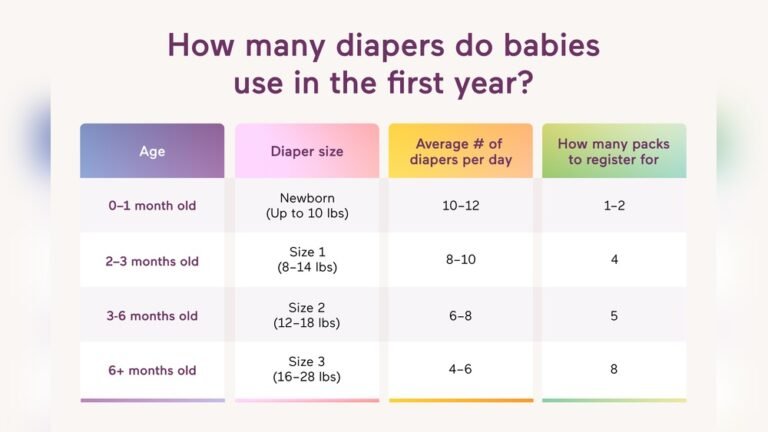
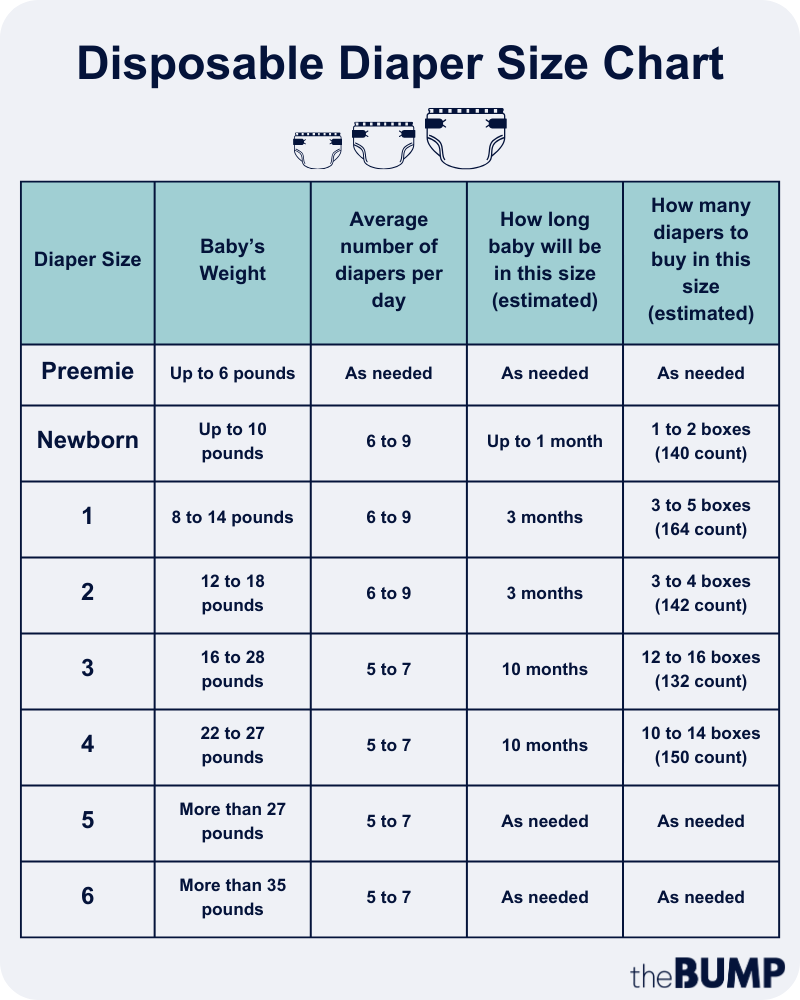
Newborn diapers usually fit babies weighing up to 10 pounds. Most newborns fall within this range at birth. Some brands label this size as “NB” or “Preemie” for smaller babies.
If your baby weighs less than 6 pounds, preemie diapers may fit better. Babies over 10 pounds often need size 1 diapers soon. Always check weight recommendations on the diaper package.
Typical Dimensions
Newborn diapers measure about 6 to 9 inches in length. They have a waist size of around 7 to 10 inches. The fit is designed to cover the diaper area without being bulky.
These diapers have a soft stretch waistband and fasteners for a snug fit. The leg openings are smaller to prevent leaks. Their shape suits newborn body contours for better comfort.
Duration In Newborn Diapers
Newborn diapers fit babies during their earliest days of life. The time babies wear these diapers varies by several factors. Understanding this duration helps parents prepare for diaper needs and changes. It also ensures a comfortable fit for the baby during growth.
Average Time Frame
Babies usually wear newborn diapers for about two to four weeks. This time depends on how fast the baby grows. Most newborn diapers fit babies up to 10 pounds. Once babies exceed this weight, parents often move to the next diaper size.
Factors Affecting Duration
Growth rate is the main factor affecting diaper duration. Babies who grow quickly outgrow newborn diapers faster. Feeding habits also play a role, as more feeding can lead to more diaper changes. Some babies may also have different body shapes that affect fit and comfort.
Variations By Birth Weight
Babies born under 7 pounds may stay in newborn diapers longer. Smaller babies grow at different rates, sometimes needing newborn diapers for up to six weeks. Larger babies, over 8 pounds, often outgrow newborn diapers sooner. These babies may switch to size one diapers within two weeks.
How Many Newborn Diapers To Have
Knowing how many newborn diapers to have helps parents prepare well. Babies in their first weeks need frequent diaper changes. Having the right amount ensures comfort and saves time. Stocking up avoids last-minute trips to the store. Planning with daily, weekly, and monthly needs gives peace of mind.
Daily Usage Estimates
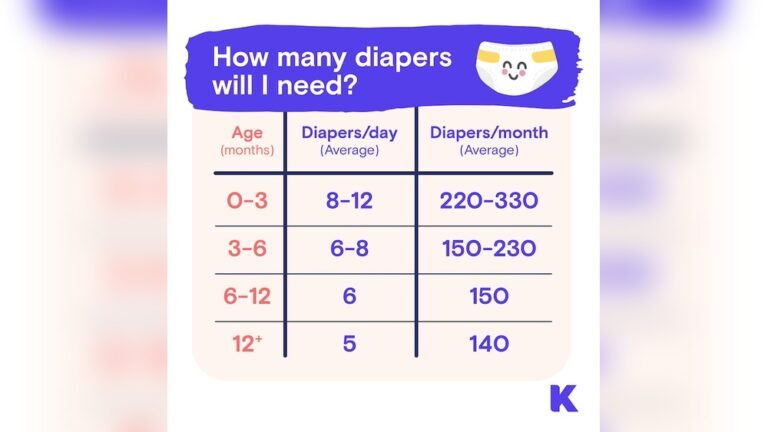
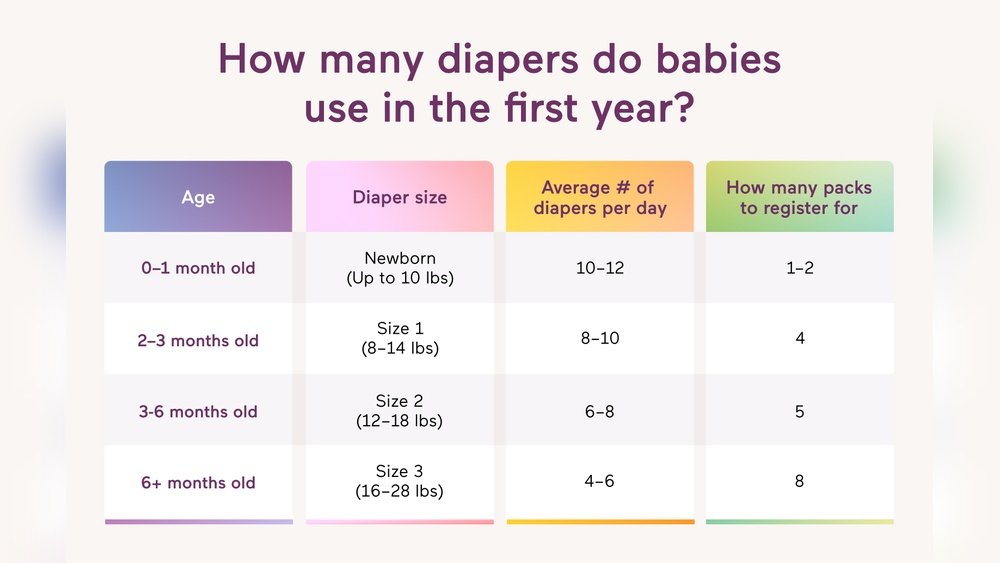
Newborns usually need 8 to 12 diaper changes each day. Their small bladders fill quickly, causing frequent wet diapers. Some newborns may even need more changes if they have sensitive skin. Expect to use about 10 diapers daily on average. This number helps plan how many diapers to keep handy.
Weekly And Monthly Needs
Multiply daily use by seven to find weekly needs. For example, 10 diapers per day means 70 diapers per week. Over a month, this totals around 280 diapers. Keep in mind that some babies may outgrow newborn sizes sooner. Adjust quantities based on your baby’s growth and diaper size changes.
Stocking Tips For Parents
Buy newborn diapers in small packs first to check the fit. Avoid buying too many packs at once in case your baby grows fast. Keep extra diapers in easy-to-reach places at home. Consider having at least a two-week supply ready. This way, diaper changes stay smooth and stress-free for parents.
Signs To Switch Diaper Sizes
Knowing when to switch your baby from newborn diapers to the next size is important. Using the right diaper size helps keep your baby comfortable and prevents leaks. Watch for clear signs that show your baby needs a bigger diaper. These signs relate to fit, comfort, and your baby’s growth. Recognizing them early saves you from diaper leaks and discomfort.
Fit And Comfort Indicators
The diaper should fit snugly but not too tight. Check if the diaper leaves red marks on your baby’s skin. If you see gaps around the legs or waist, the diaper is too big. A diaper that feels too tight can cause rashes or irritation. Your baby may seem uncomfortable or fussy during changes. A well-fitting diaper sits flat without bulging or sagging.
Leakage And Blowouts
Frequent leaks or blowouts suggest the diaper is too small. If you find wet clothes or bedding after a normal diaper time, it’s time to switch. A diaper that cannot hold enough waste will fail to protect your baby. Upsizing helps prevent messes and keeps your baby dry longer. Pay attention to how often leaks happen during daily use.
Growth Milestones
Babies grow quickly in the first weeks and months. Newborn diapers usually fit until your baby weighs about 10 pounds. When your baby starts rolling or moving more, they may need a bigger diaper. Growth spurts mean your baby’s body changes fast. Weigh your baby regularly to know when to try the next size. Using the right size supports your baby’s active lifestyle.
Choosing The Right Diaper Brand
Choosing the right diaper brand for your newborn is important. It affects your baby’s comfort and skin health. Newborn skin is very soft and sensitive. The right diaper protects against leaks and rashes. Many brands offer different features. Parents must consider several factors before buying. This section covers key points to help you decide.
Material And Sensitivity
Newborn skin can react easily to harsh fabrics. Choose diapers made from soft, breathable materials. Cotton and hypoallergenic options are best. Avoid diapers with strong fragrances or dyes. These may cause redness and irritation. Look for brands that mention dermatological testing. A gentle material keeps your baby calm and happy.
Absorbency Levels
Newborns often urinate frequently and in large amounts. Diapers must absorb well to keep skin dry. High absorbency prevents leaks and discomfort. Some brands use special gels to lock in moisture. Check if the diaper can hold liquid for several hours. A good absorbent diaper reduces the need for constant changes.
Cost And Availability
Budget plays a role in choosing diapers. Newborns go through many diapers each day. Pick a brand that fits your budget comfortably. Also, consider how easy it is to buy the diapers. Find brands available at nearby stores or online. Consistent availability means no last-minute trips or worries.
Credit: www.thebump.com
Newborn Diapers For Breastfed Babies
Newborn diapers for breastfed babies require special attention. Breastfed newborns often have different diapering needs than formula-fed babies. Understanding these differences helps parents choose the right diaper size and type. This ensures comfort and prevents leaks during the newborn phase.
Unique Needs
Breastfed babies tend to have softer, more frequent stools. Their skin can be sensitive to diaper materials and wetness. Newborn diapers for breastfed infants need to be gentle and highly absorbent. They should also fit snugly to avoid leaks but not be too tight. Soft fabrics and breathable designs help reduce diaper rash risks.
Diaper Output Differences
Breastfed newborns usually poop more often than formula-fed babies. Their bowel movements are smaller but happen frequently. Diapers for these babies need to handle many small, loose stools. This means changing diapers often to keep the baby comfortable. Choosing newborn diapers with good leak protection is important for this reason.
Tips For Efficient Diapering
Efficient diapering helps keep your baby comfortable and healthy. It also saves time and reduces waste. Using the right techniques makes diaper changes smoother. Here are some tips to improve your diapering routine.
Changing Frequency
Change diapers often to avoid discomfort and leaks. Newborns may need a change every two to three hours. Check diapers after feedings and naps. Always change a wet or soiled diaper quickly. This prevents skin irritation and keeps baby happy.
Preventing Diaper Rash
Keep your baby’s skin clean and dry. Use gentle wipes or a damp cloth to clean the area. Let the skin air dry before putting on a new diaper. Apply a thin layer of diaper cream to protect the skin. Choose diapers with breathable materials for better airflow.
Eco-friendly Options
Consider using cloth diapers to reduce waste. They are reusable and gentle on baby’s skin. If using disposables, look for biodegradable brands. Proper disposal helps the environment. Small changes in diapering habits can make a big impact.

Credit: www.walmart.com
Frequently Asked Questions
How Long Do Babies Stay In Newborn Diapers?
Babies typically wear newborn diapers for about 3 to 4 weeks. Smaller or premature babies may use them longer. Switch when diapers fit snugly or leak frequently.
How Long Will 200 Diapers Last A Newborn?
A newborn typically uses about 10-12 diapers daily. Therefore, 200 diapers can last approximately 16 to 20 days.
When To Switch From Newborn Diapers To Size 1?
Switch from newborn to size 1 diapers when your baby weighs 8-14 pounds or when the newborn diaper feels tight.
What Is The Hardest Month For A Baby?
The hardest month for a baby is often the second or third month due to growth spurts and sleep changes. Babies may cry more and need extra soothing during this time.
Conclusion
Newborn diapers usually fit babies for about one month. Size changes depend on a baby’s weight and growth rate. Some babies outgrow newborn diapers faster than others. Keep checking the diaper fit to avoid leaks and discomfort. Having a small supply of newborn diapers helps during those first weeks.
Remember, diaper sizes are just a guide, not a strict rule. Watch your baby closely and switch sizes when needed. This makes diapering easier and keeps your baby comfortable.
I’m Melissa Turner, a mom of two passionate about helping parents make confident buying decisions. I research and review baby gear, compare trusted products, and share practical parenting tips based on careful research. My goal is to simplify shopping with honest, easy-to-understand guides that put safety, comfort, and value first. I focus on baby carriers, strollers, feeding essentials, nursery products, and everyday parenting gear. I hope my recommendations help make your parenting journey a little easier and more enjoyable.