How Many Diapers Does a Baby Use in a Day?
If you’re a new parent, you might find yourself wondering just how many diapers your baby will go through each day. Knowing this can help you plan better, avoid last-minute runs to the store, and even save money.
From those frequent newborn changes to the slower pace as your little one grows, understanding diaper usage is key to keeping your baby comfortable and your sanity intact. Stick with me, and you’ll discover simple answers to this common question—so you can be prepared for every diaper change ahead.
Daily Diaper Use By Age
Babies need diaper changes many times a day. The number changes as they grow. Knowing how many diapers your baby uses daily helps you prepare well. Daily diaper use depends on the baby’s age and feeding habits. This guide explains diaper frequency for newborns, infants, and older babies.
Newborn Diaper Frequency
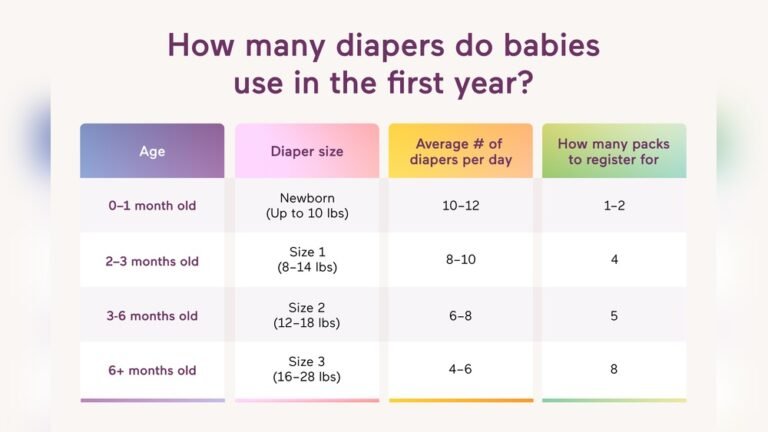
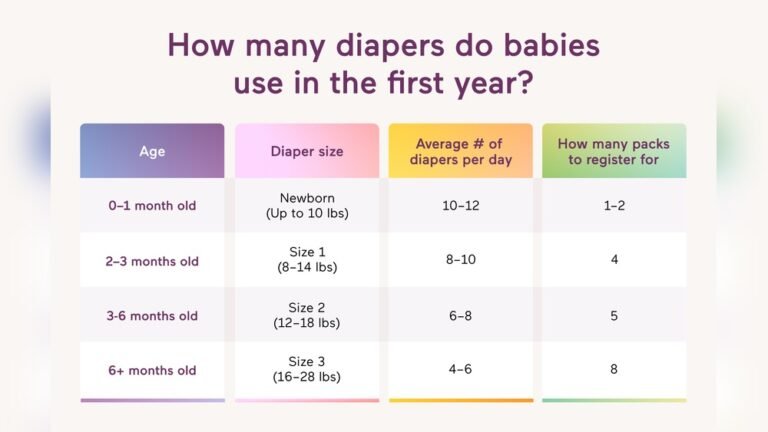
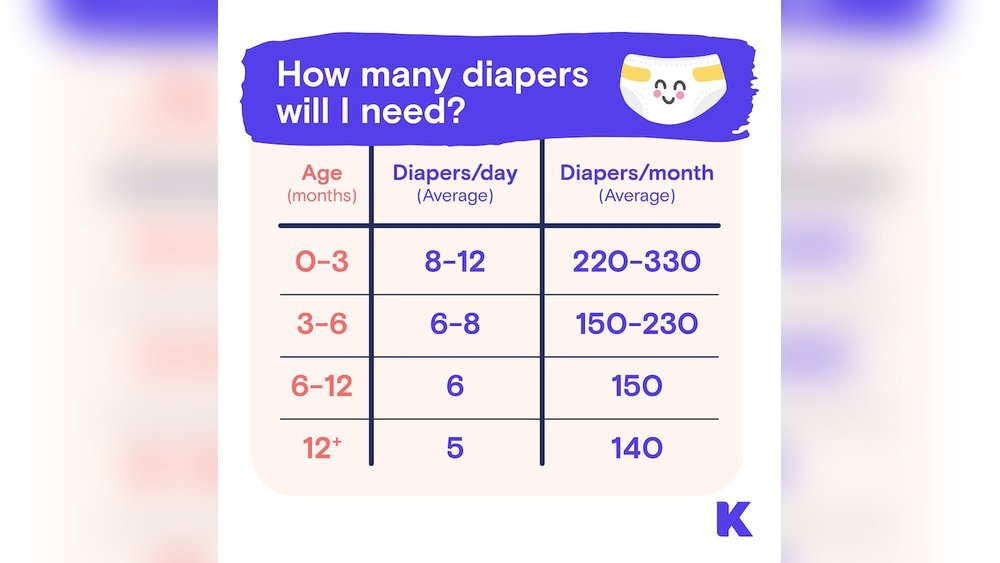
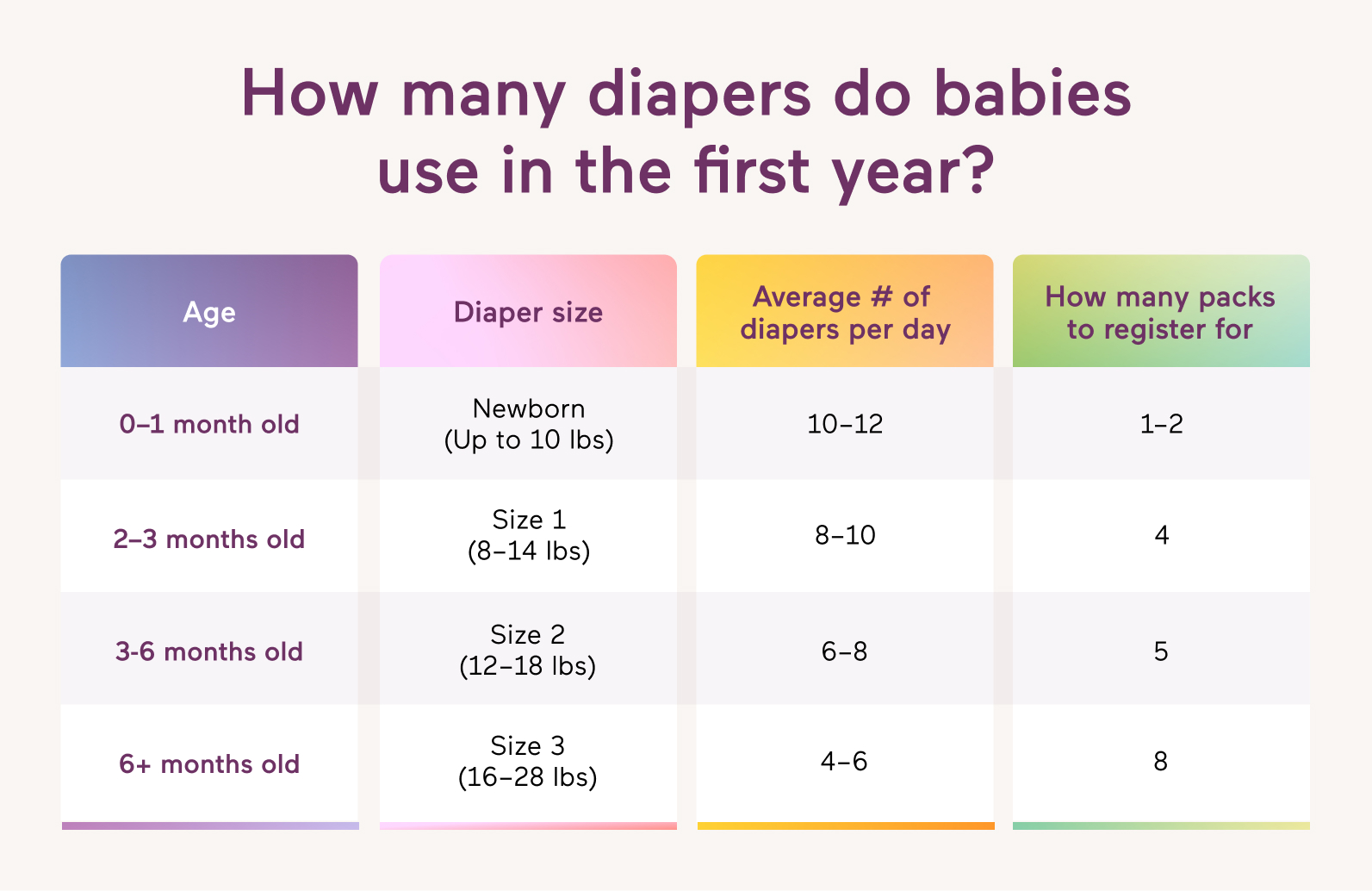
Newborns usually need 10 to 12 diaper changes each day. Their tiny bladders fill up quickly and they poop often. Breastfed babies may need more changes because they poop more. Frequent changes keep their skin clean and prevent rashes. Expect to change diapers every two to three hours.
Diaper Use At 1 To 6 Months
Babies from one to six months use about 8 to 10 diapers daily. Their feeding starts to regulate, so diaper changes slow down a bit. Wet diapers remain frequent as babies drink a lot of milk. Poop may become less frequent but still happens regularly. Keep checking diapers to avoid leaks and discomfort.
Diaper Changes After 6 Months
After six months, diaper use drops to around 5 to 8 times daily. Babies eat solid foods, which affects their poop patterns. They may stay dry longer, especially during naps. Changing diapers before and after naps helps keep them comfortable. Monitor diaper wetness to ensure your baby stays healthy and happy.
Factors Affecting Diaper Needs
Several factors influence how many diapers a baby needs each day. Understanding these can help parents prepare and avoid running out of supplies. Diaper needs vary widely depending on feeding habits, hydration, and the baby’s growth stage. These aspects affect diaper frequency and output volume.
Breastfed Vs Formula-fed Babies
Breastfed babies tend to poop more often than formula-fed babies. Their stools are usually softer and more frequent, requiring more diaper changes. Formula-fed babies may have fewer bowel movements but produce bulkier stools. Both feeding types affect how often parents must change diapers daily.
Baby’s Hydration And Output
A well-hydrated baby produces more wet diapers. The number of wet diapers is a good sign of proper fluid intake. Babies who drink more fluids may need diaper changes more frequently. Monitoring wet diaper count helps ensure your baby stays healthy and hydrated.
Growth And Development Changes
As babies grow, their diaper needs change. Newborns typically require more frequent changes due to smaller bladders and frequent feedings. Older babies tend to have fewer wet diapers and bowel movements. Their bodies become more efficient, reducing diaper change frequency over time.
Signs Of Adequate Diaper Output
Monitoring your baby’s diaper output helps ensure they are healthy and well-fed. Diaper output shows if your baby gets enough fluids and nutrition. It also indicates if their digestion works well. Parents can track diapers daily to spot any concerns early.
Noticing the right number of wet and dirty diapers is key. Changes in diaper output may signal health issues or feeding problems. Knowing what is normal helps you care better for your baby’s needs.
Wet Diaper Count Per Day
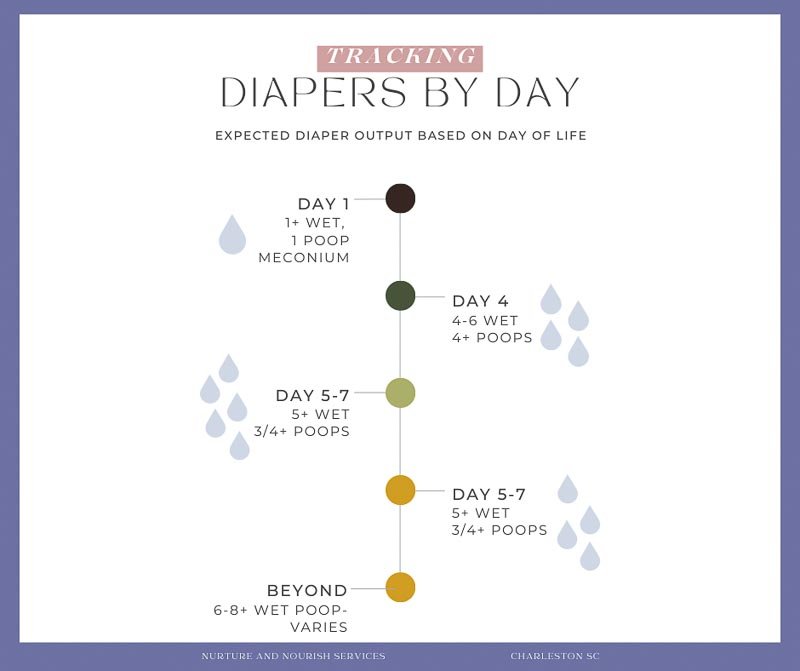
Newborns usually have about six to eight wet diapers every day. Each wet diaper means your baby drinks enough milk or formula. Fewer wet diapers might suggest dehydration or feeding problems. After the first week, at least six wet diapers daily show good hydration.
What Frequent Pooping Indicates
Breastfed babies often poop more than formula-fed babies. Pooping several times a day is normal and healthy for them. Frequent pooping can mean your baby digests milk well. Less frequent or very hard stools may need attention. Watch for changes in color, texture, or smell as well.
When To Consult A Pediatrician
Contact a pediatrician if your baby has very few wet diapers for over 12 hours. Also call if pooping stops for several days or if stools look unusual. Signs like blood, mucus, or a strong smell need medical advice. Sudden changes in diaper output or discomfort are reasons to seek help.
Credit: www.thebump.com
Planning Diaper Supply
Planning diaper supply is essential for every parent. Babies need frequent diaper changes, especially in their first year. Running out of diapers can cause stress and extra trips to the store. A good plan helps keep your baby comfortable and your day smoother.
Knowing how many diapers to buy and when to switch sizes saves money and time. It also avoids waste by preventing excess diapers that might not fit later. Preparing your diaper stock early makes caring for your baby easier.
Estimating Diapers For The First Year
Newborns use the most diapers daily, about 10 to 12 changes. As babies grow, they need fewer diaper changes, around 6 to 8 per day. After six months, the number drops to 5 per day. Total diapers for the first year average around 2,500 to 3,000.
Plan to buy diapers in small batches early on. This allows adjustments based on your baby’s needs. Tracking your baby’s diaper use helps estimate future needs better.
Choosing The Right Diaper Size
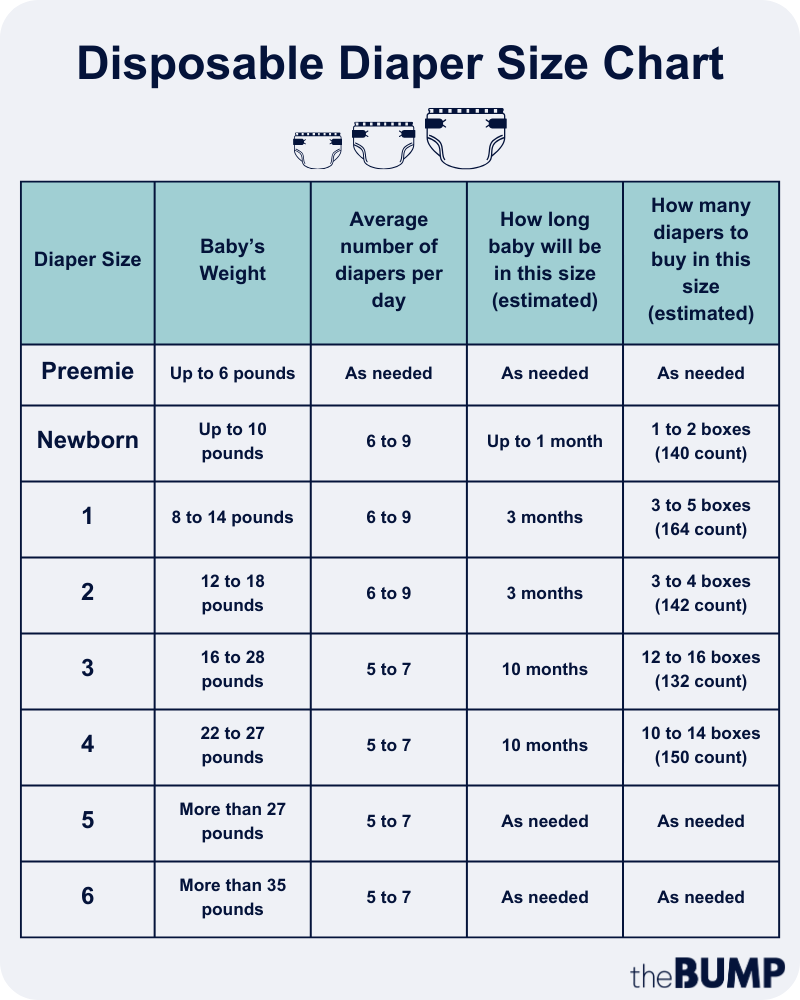
Diaper sizes depend on your baby’s weight, not age. Newborn sizes fit babies up to 10 pounds. Size 1 fits 8 to 14 pounds, and size 2 fits 12 to 18 pounds. Watch for leaks or discomfort to know when to change sizes.
Using the correct size prevents leaks and rashes. It also improves your baby’s comfort. Always check packaging weight ranges before buying.
Tips For Stocking Up Efficiently
Buy diapers in bulk to save money but avoid overbuying one size. Use subscription services for regular diaper deliveries. They offer convenience and often discounts.
Store diapers in a cool, dry place to keep them fresh. Keep a small diaper bag ready for outings. Track sales and coupons to stock up at the best prices.
Cost Considerations And Savings
Understanding the cost of diapers is important for every parent. Diapers are a daily essential that adds up quickly. Knowing the expenses helps plan your budget better. Saving money on diapers is possible with the right choices and strategies.
Average Monthly Diaper Expenses
Newborns typically use about 10 to 12 diapers a day. Older babies use fewer, around 6 to 8 daily. This adds up to about 300 to 360 diapers a month for newborns. Disposable diapers usually cost between 20 to 30 cents each. Monthly costs can range from $60 to $100 on disposable diapers alone. These expenses vary by brand and diaper size.
Using Cloth Vs Disposable Diapers
Cloth diapers have a higher initial cost but lower ongoing expenses. You buy a set once and wash them regularly. Disposable diapers have a lower upfront cost but add up over time. Cloth diapering can save hundreds of dollars yearly. Some parents prefer disposables for convenience despite the higher cost. Choosing depends on your lifestyle and budget.
Discounts And Bulk Buying Tips
Buying diapers in bulk often reduces the price per diaper. Warehouse stores and online retailers offer discounts on large packs. Look for sales or coupon codes for extra savings. Subscribing to delivery services can lower prices and save time. Keep an eye on store clearance sales for good deals. Planning your diaper purchases can help stretch your budget further.
Credit: nurturenourishservices.com
Diapering Best Practices
Proper diapering practices keep babies comfortable and healthy. Parents must change diapers often to avoid leaks and skin issues. Choosing the right diaper and caring for the baby’s skin are key parts of diapering. Understanding these basics helps parents manage daily diaper needs well.
Frequency Of Diaper Changes
Newborns usually need diaper changes every two to three hours. Wet or soiled diapers should be changed promptly. Frequent changes prevent discomfort and skin irritation. As babies grow, they may need fewer changes each day. Always check diapers regularly throughout the day and night.
Preventing Diaper Rash
Diaper rash occurs from moisture and friction on the skin. Clean the baby’s bottom gently with warm water and soft cloth. Avoid harsh wipes or soaps that can irritate skin. Let the skin dry before putting on a new diaper. Use diaper creams or ointments to protect sensitive skin.
Environmental Impact Of Diaper Choices
Disposable diapers create more waste but offer convenience. Cloth diapers reduce landfill waste and save money over time. Washing cloth diapers uses water and energy but can be eco-friendly with good practices. Choose diapers based on your lifestyle and environmental values. Proper disposal and recycling help lessen diaper waste impact.
Credit: www.babylist.com
Frequently Asked Questions
How Many Diapers Does A Newborn Use In 24 Hours?
A newborn typically uses 8 to 12 diapers every 24 hours. Frequent changes keep the baby comfortable and healthy.
What Is The 3 6 9 Rule For Babies?
The 3-6-9 rule for babies guides developmental milestones: 3 months for neck control, 6 months for sitting, 9 months for crawling.
How Long Do 200 Size 1 Diapers Last?
A pack of 200 size 1 diapers typically lasts about 10 to 14 days. Newborns use 14-20 diapers daily.
What Is The Hardest Month For A Baby?
The hardest month for a baby is often the second month due to increased crying and sleep challenges. Babies adjust gradually after this period.
Conclusion
Babies go through many diapers each day, especially when newborn. Frequent changes keep them clean and comfortable. As they grow, diaper use usually decreases. Knowing how many diapers your baby needs helps you plan better. It saves time and avoids last-minute trips to the store.
Every baby is different, so watch for signs your baby needs changing. Keep a good supply ready to stay stress-free. Caring for your baby becomes easier with the right diaper knowledge.
I’m Melissa Turner, a mom of two passionate about helping parents make confident buying decisions. I research and review baby gear, compare trusted products, and share practical parenting tips based on careful research. My goal is to simplify shopping with honest, easy-to-understand guides that put safety, comfort, and value first. I focus on baby carriers, strollers, feeding essentials, nursery products, and everyday parenting gear. I hope my recommendations help make your parenting journey a little easier and more enjoyable.