Benefits of Using Car Seat for Newborns: Safety and Comfort Tips
When you bring your newborn home, their safety becomes your top priority. One simple yet powerful way to protect your baby is by using a car seat designed just for newborns.
You might wonder, “Is it really necessary? ” The answer is a clear yes. A properly installed car seat not only shields your little one from harm during sudden stops or accidents but also supports their delicate head, neck, and spine.
Plus, it keeps your baby snug and secure, reducing stress for both of you on every trip. Keep reading to discover the life-saving benefits of using a car seat for your newborn—and why it’s an essential part of your parenting journey.

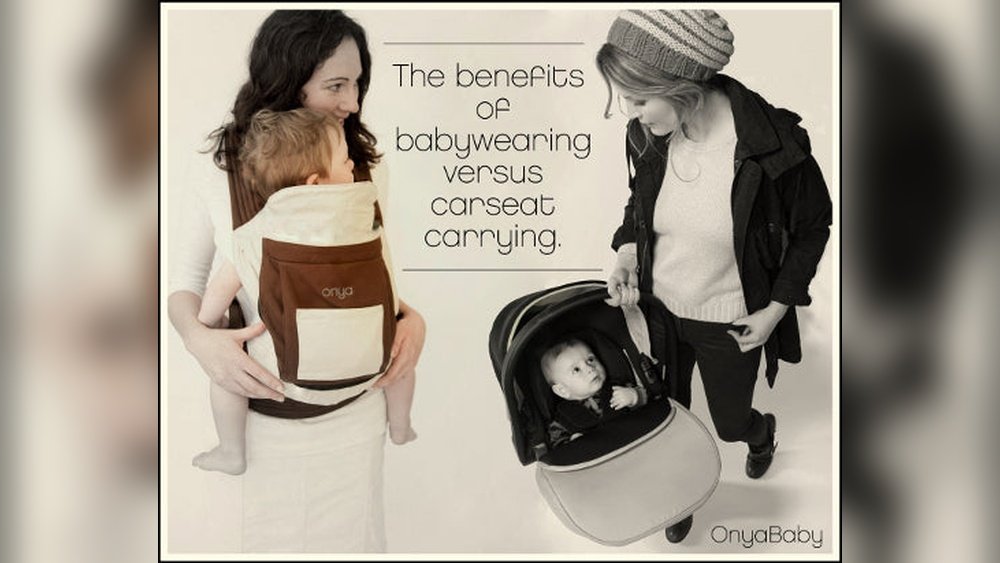
Credit: onyababy.com
Why Newborns Need Car Seats
Newborns are fragile and need special care during car rides. Car seats provide crucial protection for their delicate bodies. They help keep babies safe from harm caused by sudden stops or crashes. Using a car seat is not just safe—it is necessary for newborns’ well-being and comfort.
The right car seat supports the baby’s head, neck, and spine properly. It reduces the chance of injuries on the road. Laws also require car seats for children, including newborns, to ensure their safety.
Protecting Head, Neck, And Spine
Newborns have weak neck muscles and soft bones. A car seat supports their head and neck to prevent serious injuries. It holds the baby securely in a reclined position. This position reduces strain on the spine during sudden movements. Proper support helps avoid long-term damage.
Reducing Injury Risks On Roads
Car crashes can cause severe harm to newborns without protection. A car seat absorbs impact forces and limits baby’s movement. This lowers the risk of bruises, fractures, and head injuries. Even small bumps on the road can be dangerous without a car seat. It keeps newborns safe in all types of travel.
Legal Requirements And Recommendations
Most countries have laws requiring car seats for infants. These laws ensure babies travel safely in cars. Health experts and safety organizations strongly recommend using car seats. They advise rear-facing seats for newborns up to at least two years old. Following these rules helps avoid fines and protects your child.
Types Of Car Seats For Newborns
Choosing the right car seat for a newborn is important for safety and comfort. Different types of car seats suit different needs and stages. Understanding the options helps parents make the best choice for their baby’s security during travel.
Infant Car Seats
Infant car seats are designed specifically for newborns and small babies. They are rear-facing and provide a snug fit to protect a baby’s head and body. These seats usually come with a handle for easy carrying.
They often include a base that stays installed in the car. This setup allows quick and safe removal of the baby without disturbing them. Infant car seats fit babies up to about 30 pounds or 32 inches long.
Convertible Car Seats
Convertible car seats grow with the child and can be used for newborns and older kids. They start as rear-facing seats for infants and convert to forward-facing as the child grows. This flexibility can save money over time.
These seats are heavier and bulkier than infant car seats. They do not have a carrying handle, so they stay installed in the vehicle. Convertible seats often support children up to 65 pounds or more in rear-facing mode.
Choosing The Right Seat
Consider your lifestyle and vehicle space when selecting a car seat. Infant seats offer convenience for carrying babies in and out of the car. Convertible seats are practical for long-term use and larger children.
Check the car seat’s safety ratings and read user reviews. Ensure the seat fits well in your car and your baby meets the weight and height limits. Proper installation is key to keeping your newborn safe on every trip.
Safety Features To Look For
Choosing the right car seat for a newborn involves careful attention to safety features. These features protect your baby during every ride. Understanding what to look for helps ensure maximum protection. Safety features can reduce injury risks in sudden stops or crashes.
Five-point Harness Systems
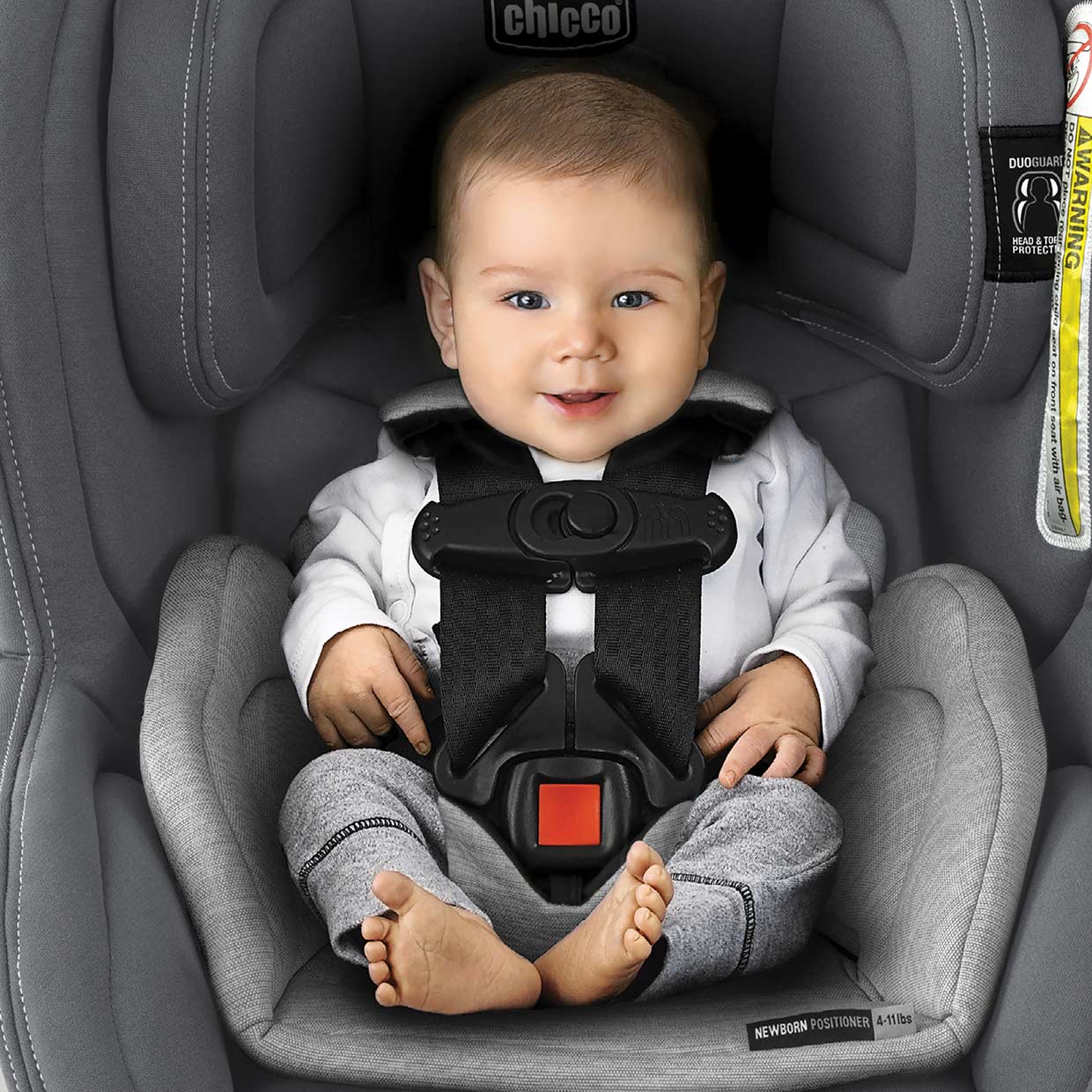
A five-point harness secures your baby at the shoulders, hips, and between the legs. This system holds the baby firmly in place. It prevents excessive movement during sudden braking. The harness spreads crash forces over the strongest parts of the body. This reduces pressure on any one area, increasing safety.
Side Impact Protection
Side impact protection shields your baby’s head and chest in a side collision. Extra padding and energy-absorbing materials absorb crash forces. These features reduce the risk of injury to the baby’s delicate body. Look for car seats with deep, padded side wings. These enhance protection and comfort during travel.
Proper Installation Indicators
Correct installation is crucial for car seat safety. Many seats include installation indicators that turn green when the seat is secure. These indicators help ensure the car seat is tightly fitted. They reduce the chance of incorrect installation by parents or caregivers. A properly installed seat keeps your newborn safe and stable on every ride.
Comfort Tips For Newborns
Ensuring your newborn’s comfort in a car seat is vital for safe and pleasant travel. Comfort helps reduce crying and fussiness during car rides. Simple adjustments can make a big difference in how your baby feels. Here are some key tips to keep your newborn cozy and secure.
Using Infant Inserts And Padding
Infant inserts provide extra support for your newborn’s small body. They keep the baby snug and prevent sliding in the seat. Choose soft, breathable padding that fits well with the car seat. Avoid bulky items that affect the harness fit or safety. Proper inserts help maintain the right posture for your baby.
Maintaining Proper Temperature
Newborns cannot regulate their body temperature well. Dress your baby in light layers to avoid overheating or chilling. Use a breathable blanket for warmth, but never cover the face. Check the car seat surface temperature before placing your baby inside. Keeping a balanced temperature ensures your newborn stays calm and comfortable.
Avoiding Prolonged Seating
Limit your newborn’s time in the car seat to under two hours at once. Long periods can cause discomfort and strain on their developing spine. Take breaks during long trips to remove your baby from the seat. Use these breaks for feeding, changing, and gentle movement. This practice promotes better comfort and safety.
Common Mistakes To Avoid
Using a car seat for newborns is essential for safety. Many parents make simple errors that reduce protection. Avoiding these mistakes keeps your baby secure and comfortable. Learn common errors to improve car seat use and protect your newborn effectively.
Incorrect Harness Positioning
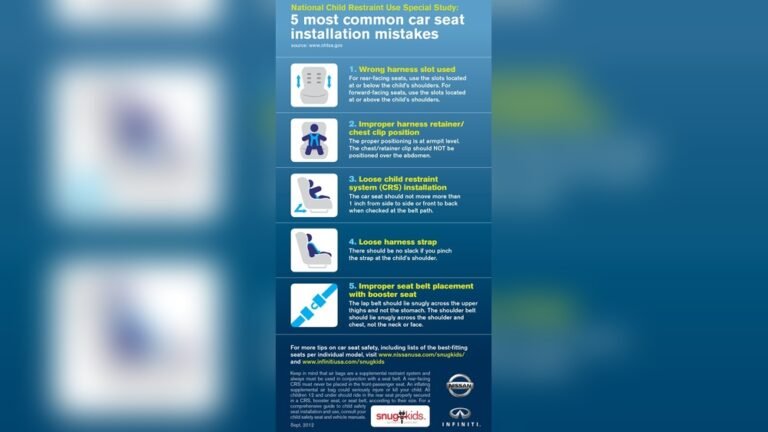
The harness should be at or below your baby’s shoulders. Too high or too low puts your baby at risk. Straps must lie flat and snug, not twisted or loose. Check the fit every time before traveling. Proper harness placement keeps your baby safe during sudden stops.
Loose Installation
Install the car seat tightly in the vehicle. A seat that moves more than one inch side to side or front to back is too loose. Use the seat belt or LATCH system correctly to secure the base. Double-check the seat’s stability before placing your baby inside. A loose seat can fail in a crash.
Using Expired Or Damaged Seats
Car seats have expiration dates, usually six years after manufacture. Old seats may have weakened materials or outdated safety standards. Never use a seat with cracks, broken parts, or after a crash. Using damaged or expired seats risks your newborn’s safety. Always check the label and condition before use.
Credit: www.chiccousa.com
Car Seat Maintenance And Care
Proper maintenance and care of your newborn’s car seat ensures safety and comfort. A well-kept car seat protects your baby during every journey. Simple steps keep the seat in top condition and extend its life.
Regular Inspection
Check the car seat often for damage or wear. Look for cracks, broken parts, or loose straps. Ensure the harness clips and buckles work smoothly. Inspect the base to confirm it fits tightly in the car. Spotting issues early prevents accidents and keeps your baby safe.
Cleaning Guidelines
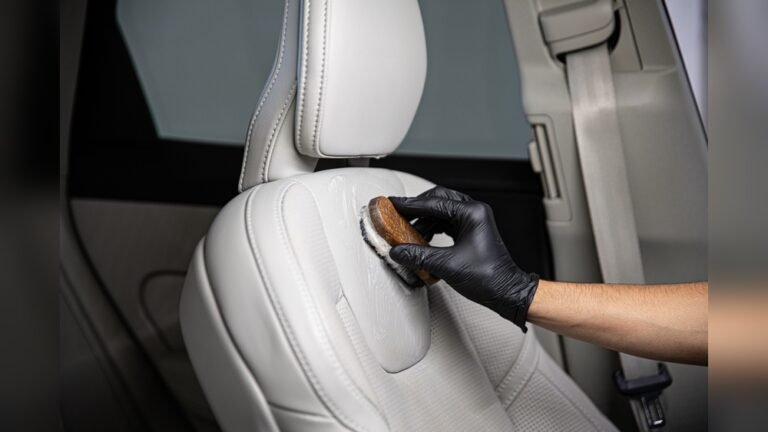
Keep the car seat clean to avoid germs and irritants. Remove the cover and wash it following the manufacturer’s instructions. Use mild soap and warm water for plastic parts. Avoid harsh chemicals that can damage materials. Dry all parts fully before reassembling to prevent mold.
When To Replace The Car Seat
Replace the car seat after any crash, even minor ones. Follow the expiration date printed on the seat, usually six to ten years. Damage from sunlight, heat, or wear weakens the seat’s protection. Using an expired or damaged seat puts your baby at risk.
Traveling Tips With Newborns
Traveling with a newborn requires careful planning and the right tools. Using a car seat is essential for safety and comfort. It also helps parents feel secure during trips. Understanding how to use the car seat correctly can make traveling easier and less stressful.
Securing The Seat In Different Vehicles
Every car is different. Always read the car seat manual and vehicle guide. Use the seat belt or LATCH system to secure the seat tightly. The car seat should not move more than an inch side to side. Double-check the angle to keep your baby safe and comfortable.
Keeping Baby Calm During Rides
Newborns can get fussy in the car. Talk softly or sing to your baby to soothe them. Use a pacifier or soft toy to comfort your child. Avoid loud noises or sudden stops. Keep the car temperature comfortable to prevent overheating or chills.
Frequent Breaks And Safety Checks
Long trips need regular stops. Take breaks every one to two hours to check on your baby. Remove the baby from the car seat during breaks to allow movement. Check the harness and straps each time before driving. Never leave your baby alone in the car seat outside the vehicle.

Credit: pishposhbaby.com
Frequently Asked Questions
Is It Worth Getting A Newborn Car Seat?
Yes, a newborn car seat ensures essential safety by protecting your baby’s head, neck, and spine during travel. It prevents injury from sudden stops or uneven roads. Using one reduces risks and provides peace of mind, making it a valuable investment for every newborn’s protection.
Is A Car Seat Necessary For A Newborn?
Yes, a car seat is essential for a newborn. It protects their fragile head, neck, and spine during travel and reduces injury risk. Always use a properly installed, rear-facing infant car seat for safety.
What Is The 2 Hour Car Seat Rule For Babies?
The 2-hour car seat rule advises not to keep babies in car seats longer than two hours continuously. This prevents breathing issues and discomfort. Taking breaks promotes safety and proper circulation during travel or rest periods.
Does A Newborn Baby Need A Car Seat?
Yes, newborn babies need a car seat for safety. It protects their head, neck, and spine during travel and sudden stops.
Conclusion
Using a car seat keeps your newborn safe during every car ride. It supports their fragile body and reduces injury risks. Car seats also provide comfort and proper positioning for your baby. Choosing the right seat ensures easy installation and secure travel.
Always follow safety guidelines to protect your child. A car seat is a small step that makes a big difference. Keep your newborn secure and travel with peace of mind.