Benefits of Using Convertible Car Seat for Newborns: Safety & Comfort
When it comes to your newborn’s safety and comfort, choosing the right car seat is one of the most important decisions you’ll make. You want a seat that not only protects your baby but also adapts as they grow.
That’s where a convertible car seat comes in. It’s designed to keep your little one secure from their first ride home and well into toddlerhood. You’ll discover the key benefits of using a convertible car seat for newborns, how it can save you money and hassle, and why it might be the smartest choice for your family’s peace of mind.
Keep reading to learn why this versatile car seat could be exactly what your newborn needs on the road.

Credit: onyababy.com
Why Choose Convertible Seats
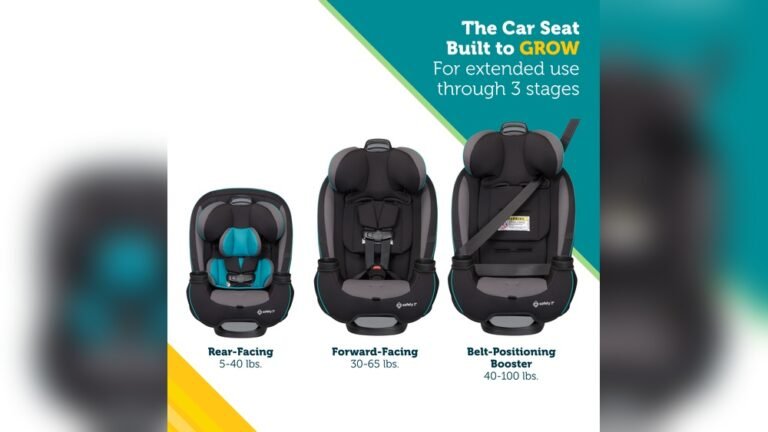
Choosing the right car seat for your newborn matters. Convertible car seats offer a smart choice for many parents. These seats grow with your child, providing safety and comfort from birth through toddler years. They adapt to different stages, reducing the need to buy multiple seats. This saves time, space, and effort in the long run.
Fits Newborns To Toddlers
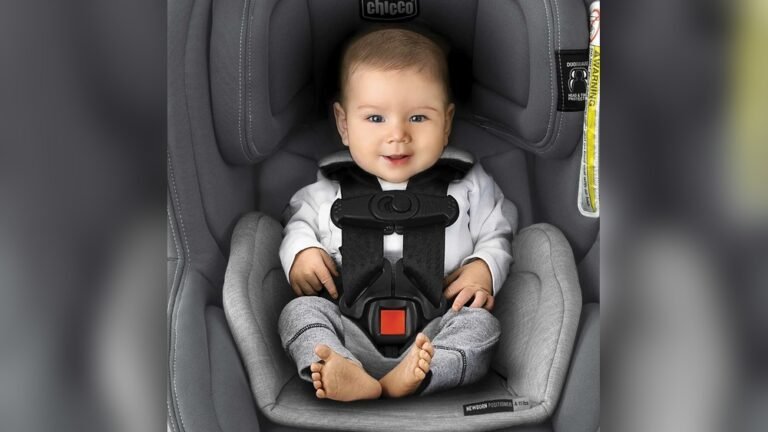
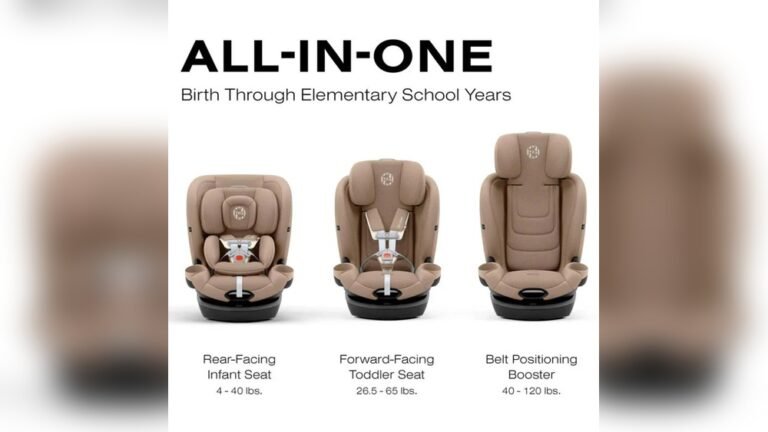
Convertible seats fit newborns with special inserts. They provide a snug, secure fit for very small babies. As your child grows, you can adjust the seat size. The same seat fits toddlers comfortably. This flexibility means you only need one seat for many years. It also makes travel and daily use easier.
Rear-facing Safety Benefits
Rear-facing is the safest position for young children. Convertible seats allow extended rear-facing use. This protects your baby’s head, neck, and spine better than forward-facing seats. Experts recommend keeping children rear-facing as long as possible. Convertible seats support this safety advice well. They help keep your child safer on every trip.
Long-term Cost Savings
Buying one seat for several years saves money. Convertible seats replace infant and toddler car seats. This reduces overall costs for growing families. You avoid buying multiple seats as your child grows. Less spending means more budget for other baby needs. A single, durable seat is a wise investment.
Safety Features For Newborns
Convertible car seats offer vital safety features designed specifically for newborns. These seats provide strong protection during car rides. They help reduce risks in crashes and keep babies secure. Parents can trust these seats to safeguard their little ones from birth.
Enhanced Head And Neck Protection
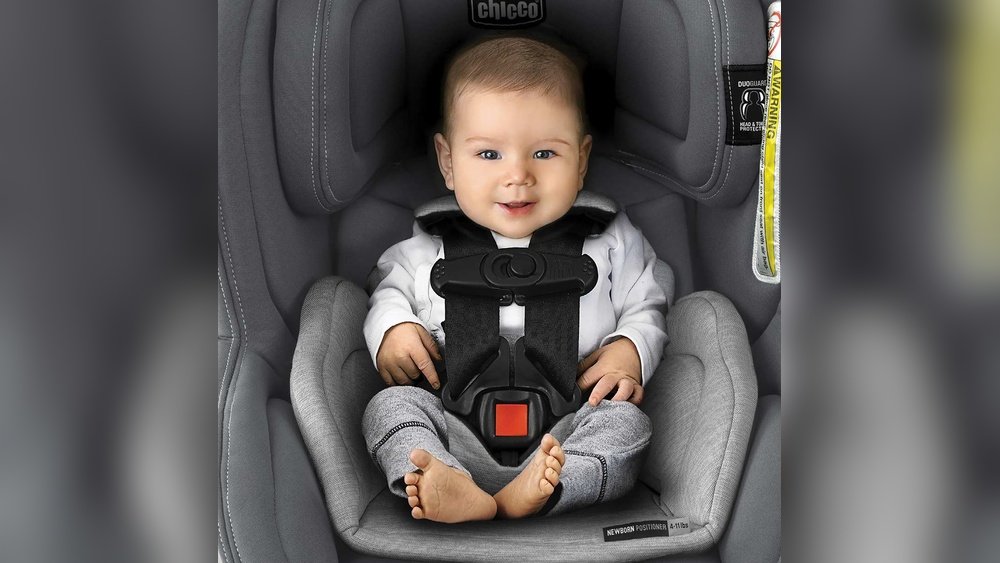
Newborns have delicate heads and weak neck muscles. Convertible car seats include padded supports to protect these areas. These cushions absorb impact and reduce sudden movements. The design keeps the baby’s head stable and safe. It lowers the chance of injury during sudden stops or collisions.
Extended Rear-facing Usage
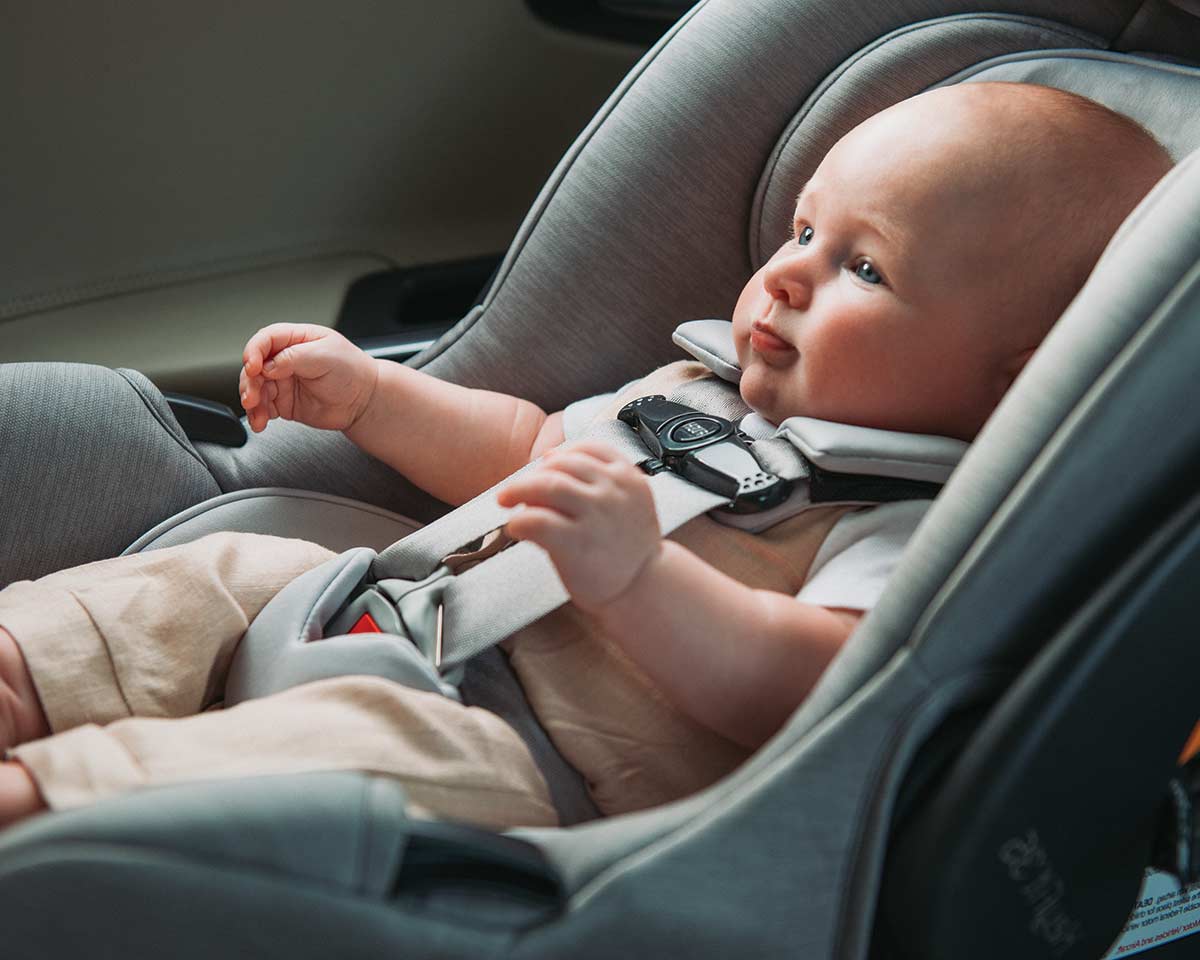
Rear-facing is the safest position for newborns. Convertible seats allow longer use in this position than infant seats. This keeps babies facing the back of the car for months. It better protects their spine and head in crashes. Extended rear-facing reduces the risk of severe injuries significantly.
Weight And Height Limits
Convertible seats support a wider range of weights and heights. They usually accommodate newborns from around 5 pounds up to 40 pounds or more. This means the seat grows with the child, providing continuous protection. Parents don’t need to buy new seats often. The adjustable harnesses and recline options ensure a snug, safe fit at every stage.
Comfort Advantages
Comfort plays a key role in choosing the right car seat for newborns. Convertible car seats offer several comfort advantages that keep babies calm and happy during rides. These seats adapt to your baby’s needs, ensuring a smooth and cozy journey every time.
Adjustable Recline Positions
Convertible car seats provide multiple recline positions. This feature helps to keep newborns in a natural and safe posture. Parents can adjust the seat angle for naps or alert times. It reduces strain on a baby’s neck and back. A proper recline also improves breathing and overall comfort.
Padded Support And Cushioning
These car seats come with extra padding to support a newborn’s delicate body. Soft cushions protect the head, neck, and sides from bumps. The padding helps absorb road vibrations for a smoother ride. It also creates a snug fit, reducing movement and fussiness.
Breathable Fabric Options
Many convertible seats use breathable fabrics that allow air circulation. This keeps babies cool and dry during long drives. Breathable materials prevent overheating and skin irritation. They also make cleaning easier, as they resist stains and odors.
Credit: www.chiccousa.com
When To Switch Seats
Knowing the right time to switch your newborn from an infant car seat to a convertible car seat is important. This change ensures your baby’s safety and comfort during every ride. Parents should watch for clear signs and check your baby’s growth regularly.
Switching too early or too late can affect how secure your child feels. Convertible car seats grow with your child and offer better protection as they get bigger. Below are key points to help you decide when to make the switch.
Signs Baby Has Outgrown Infant Seat
Your baby may have outgrown the infant seat if their weight or height exceeds the seat’s limits. Check the car seat manual for exact numbers. Another sign is when your baby’s shoulders reach the top harness slots. Also, if the seat feels tight or uncomfortable, it might be time to change seats.
Checking Head Clearance
Head clearance is vital for safety. Make sure there is at least one inch of space between the top of your baby’s head and the seat shell. Less space means your baby’s head could be at risk during a sudden stop. Keep checking this as your baby grows to ensure the seat still fits properly.
Assessing Neck Control
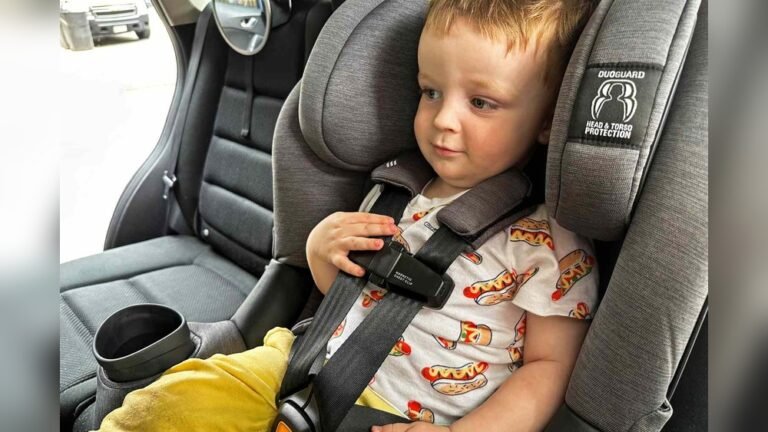
Good neck control shows your baby is ready for a convertible seat. Newborns need support because their neck muscles are weak. When your baby can hold their head up steadily without help, they have developed enough strength. This usually happens around 4 to 6 months of age. At this point, switching to a convertible seat is safer and more comfortable.
Installation And Convenience
Installing a car seat correctly is key to your newborn’s safety. Convertible car seats offer a blend of safety and ease for parents. They simplify the process without compromising protection. Convenience in installation helps reduce stress and saves time during travel.
These seats fit well in most vehicles and adjust as your child grows. They often come with clear instructions and user-friendly features. This makes installation less confusing for new parents. Let’s explore some ways to install and use them easily.
Ease Of Installation Tips
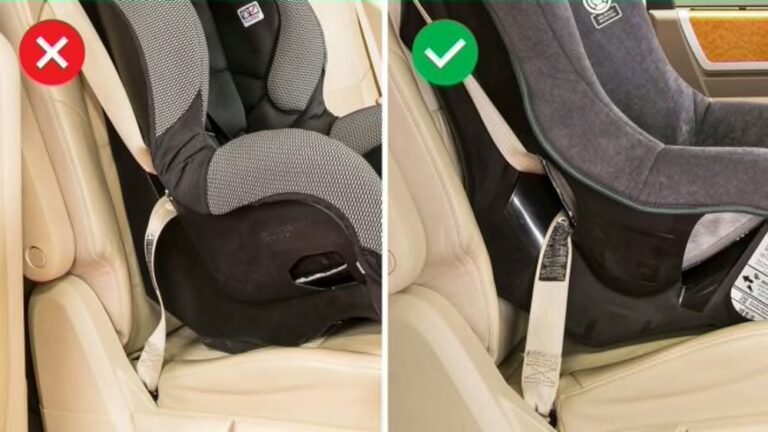
Start by reading the car seat manual carefully. Check your vehicle’s seat belt or LATCH system before installation. Ensure the car seat is tight and does not move more than one inch side to side. Use a level indicator if the seat has one. This helps to keep the seat at the correct angle for newborns.
Using Latch And Seat Belt Systems
Most convertible car seats support both LATCH and seat belt installation. LATCH anchors make installation quicker and more secure. Seat belts work well for older vehicles without LATCH anchors. Always lock the seat belt tightly to avoid movement. Follow the car seat’s guidelines for weight limits on each system.
Portability Compared To Infant Seats
Convertible car seats tend to be heavier than infant seats. They stay in the car rather than being moved frequently. Infant seats offer easy portability for quick trips or travel. Convertible seats focus more on long-term convenience and safety. This reduces the need for multiple seats as your baby grows. It also means less hassle switching seats in and out of the car.
Common Concerns And Drawbacks
Convertible car seats offer many benefits for newborns, but some parents worry about possible drawbacks. Understanding these concerns helps make a better choice for your child’s safety and comfort. This section covers common issues like cost, space, and upkeep. Each factor matters in everyday use and long-term convenience.
Higher Initial Cost
Convertible car seats often cost more than infant-only seats at first. The price reflects their ability to grow with your child from newborn to toddler. Although the upfront cost is higher, you may save money later by not buying multiple seats. Still, the initial expense can be a challenge for some families.
Space Requirements In Vehicle
These seats tend to be larger and heavier than infant models. They take up more room in the car, which can limit space for other passengers. Installing a convertible seat in smaller vehicles may be tricky. This can cause inconvenience on trips or daily drives with multiple passengers.
Noise And Maintenance Considerations
Convertible car seats have many parts that may make noise during movement. Adjusting straps or reclining positions can sometimes create rattling sounds. Regular cleaning is important to keep the seat hygienic and functional. Maintenance might require more effort compared to simpler infant seats.
Choosing The Right Convertible Seat
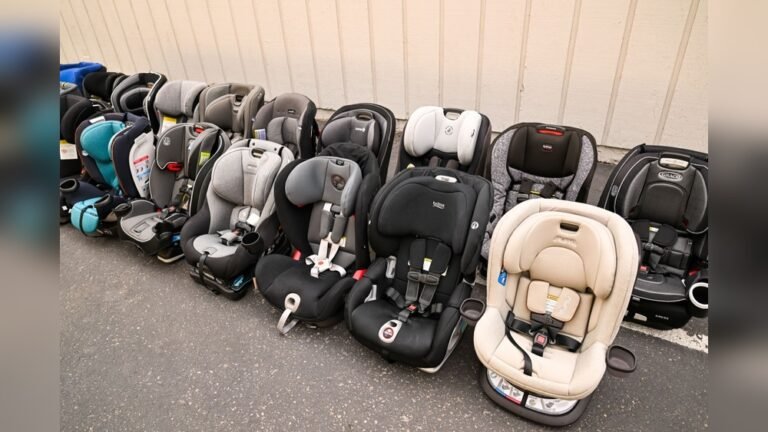
Choosing the right convertible car seat for your newborn is an important decision. It affects your child’s safety and comfort during every trip. The right seat fits your baby well and suits your vehicle. It also grows with your child, saving money and hassle. Several key factors help you pick the best option. Focus on safety ratings, vehicle compatibility, and your child’s growth needs.
Reviewing Safety Ratings
Safety ratings show how well a car seat protects your child. Look for seats tested by trusted organizations. Check for high scores in crash tests and side-impact protection. Make sure the seat meets all current safety standards. A top-rated seat gives peace of mind on every ride. Avoid seats with poor or no safety ratings.
Matching Seat To Vehicle Type
Not all car seats fit every vehicle well. Measure your car’s back seat space before buying. Choose a seat that installs easily and fits securely in your car. Consider the seat’s size and shape. Check if the seat uses your car’s seat belts or LATCH system. A properly fitting seat stays stable and protects your child better.
Considering Growth And Usage Needs
Convertible seats grow with your child from newborn to toddler. Look for adjustable harnesses and headrests. Choose a seat with a wide weight and height range. Think about how long you want to use the seat rear-facing. Consider your child’s comfort for long trips. A good seat adapts as your child grows, offering safety and comfort.

Credit: onyababy.com
Frequently Asked Questions
Are Convertible Car Seats Safe For Newborns?
Convertible car seats are safe for newborns if used rear-facing and meet height and weight guidelines. Always follow manufacturer instructions.
When To Switch Infant To Convertible Car Seat?
Switch your infant to a convertible car seat when they exceed the infant seat’s height or weight limits. Ensure head clearance is less than one inch. Confirm your baby has good head and neck control. Always follow your car seat manual for specific guidelines.
Prioritize safety over convenience.
What Are The Disadvantages Of A Convertible?
Convertibles cost more to buy and insure. They offer less security and cargo space. Roof mechanisms need extra maintenance. Convertibles can be noisy, less weather-insulated, and reduce visibility with the top up. These factors make them less practical than hardtops for daily use.
What Type Of Car Seat Is Best For A Newborn?
The best car seat for a newborn is a rear-facing infant car seat. It offers proper head and neck support and fits newborns securely. Choose one with a five-point harness and meets current safety standards. Rear-facing seats protect babies in crashes and ensure maximum safety.
Conclusion
Choosing a convertible car seat for your newborn ensures safety from day one. It grows with your child, saving time and money. Convertible seats support extended rear-facing, which protects your baby’s head and neck. Easy to install and comfortable, they suit newborns and toddlers alike.
Prioritize your child’s well-being with a seat that adapts as they grow. A smart choice for long-term use and peace of mind.