Benefits of Using Infant Car Seat for Newborns: Essential Safety Guide
When it comes to your newborn’s safety, every detail counts—especially when traveling by car. You might wonder if an infant car seat is really necessary or if other options could work just as well.
The truth is, choosing the right car seat can make a huge difference in protecting your baby during those first critical months. Not only does an infant car seat offer tailored support and comfort, but it also provides peace of mind that your little one is secure on every ride.
Keep reading to discover how using an infant car seat benefits your newborn’s safety, comfort, and your own convenience in ways you might not have considered.

Credit: pishposhbaby.com
Why Infant Car Seats Matter
Infant car seats play a crucial role in newborn safety during travel. They provide essential protection and comfort tailored to tiny bodies. Choosing the right car seat matters for every parent and caregiver. It ensures a secure ride from the very first trip home.
Protection In Traffic Accidents
Infant car seats reduce injury risks during crashes. They keep babies secured with a five-point harness system. This harness spreads crash forces across the strongest parts of a baby’s body. The seats also have side-impact protection to shield delicate heads and necks. Proper use of infant car seats saves lives in traffic accidents.
Design Tailored For Newborns
These car seats fit newborns perfectly. They provide extra padding and support for fragile bodies. The seats recline to keep babies in a safe, comfortable position. Their lightweight design allows easy carrying without disturbing the baby. This design helps parents move babies in and out of cars smoothly.
Legal Requirements And Safety Standards
Infant car seats meet strict safety regulations worldwide. Many countries require newborns to use approved car seats by law. These laws protect babies from harm during car travel. Parents must follow weight and height limits to ensure proper seat use. Meeting these standards guarantees the highest safety for newborns.

Credit: onyababy.com
Key Features Of Infant Car Seats
Infant car seats come with important features designed for newborn safety and comfort. These features protect babies during car rides and make travel easier for parents. Understanding these key features helps parents choose the right seat for their newborn.
Five-point Harness System
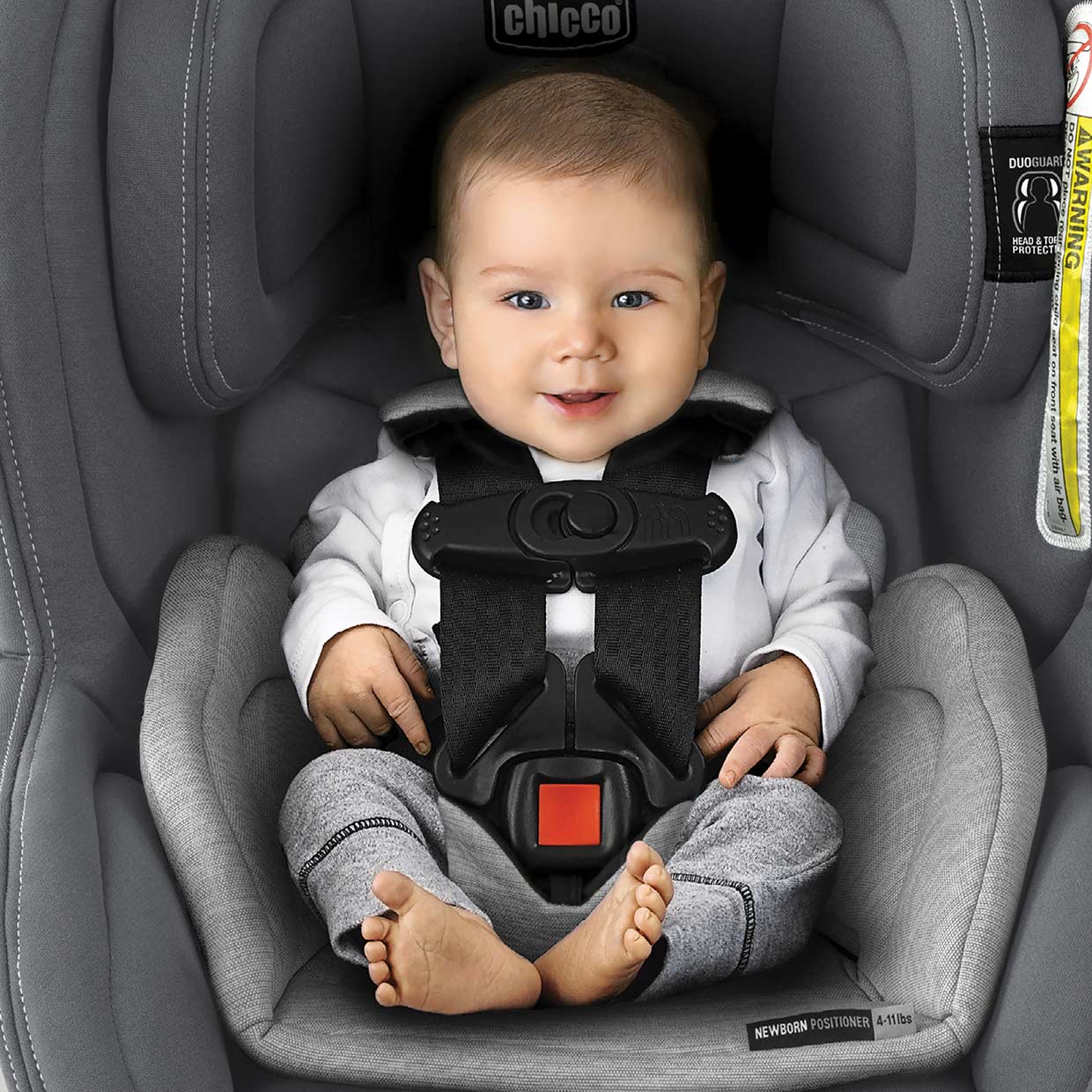
The five-point harness system secures the baby at five points: shoulders, hips, and between the legs. This design keeps the infant snug and prevents excessive movement. It offers better protection in case of sudden stops or accidents. Most infant car seats include this harness for enhanced safety.
Portability And Convenience
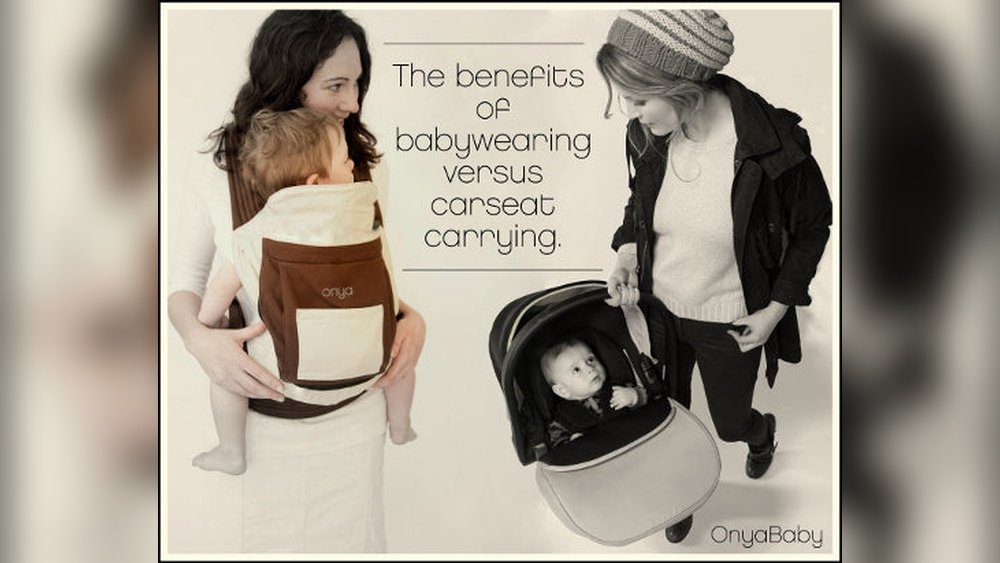
Infant car seats are lightweight and easy to carry. Many models have handles for simple transport from car to stroller. This portability allows parents to move the baby without disturbing their sleep. The convenience helps with quick trips and everyday errands.
Comfort And Support For Babies
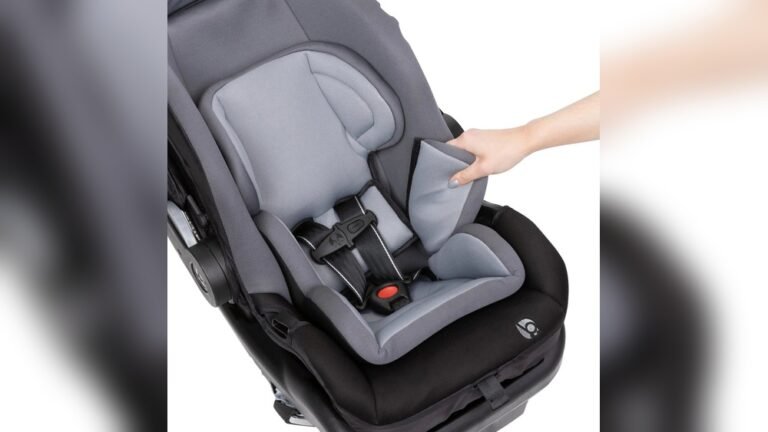
These car seats offer padded cushions and soft fabrics to keep babies comfortable. They provide proper head and neck support, which is crucial for newborns. The design helps maintain the right posture and reduces strain during travel. Comfort features ensure the baby stays calm and relaxed.
Infant Car Seat Vs Convertible Seat
Choosing between an infant car seat and a convertible seat is an important decision for new parents. Both types offer protection for your baby, but they serve different purposes and suit different needs. Understanding their differences helps you pick the best option for your newborn’s safety and comfort.
Safety Differences
Infant car seats are designed specifically for newborns and small babies. They provide extra head and neck support. The seat angle helps keep a baby’s airway open. Convertible seats fit children from birth through toddler years but may lack the snug fit newborns need. Infant seats use a five-point harness that holds babies securely in place. Convertible seats also have five-point harnesses but are bulkier, which can affect fit for tiny infants. For the first few months, infant seats offer better safety tailored to newborns.
Ease Of Use And Installation
Infant car seats are lightweight and easy to carry. Many models come with a handle, making transfers simple from car to stroller. They click easily into a base installed in the car. This convenience suits busy parents managing a newborn. Convertible seats are heavier and stay installed in the car. They do not detach for carrying the baby. Installation can be more complicated due to their size and weight. For quick trips and frequent moves, infant car seats are more user-friendly.
Cost And Longevity Considerations
Infant car seats usually cost less than convertible seats but only fit babies up to about one year old. Parents must buy a new seat once their baby outgrows the infant seat. Convertible seats cost more upfront but grow with the child, from newborn to toddler stage. This can save money over time. Parents who want one seat for several years may prefer convertible seats. Those focused on newborn comfort and ease might choose infant seats despite needing a second seat later.
How To Choose The Right Infant Car Seat
Choosing the right infant car seat is vital for your newborn’s safety and comfort. The market offers many options, but not all seats fit every family’s needs. Focus on key factors like safety, vehicle fit, and daily use. This approach helps find a seat that works well for you and your baby.
Checking Safety Ratings
Start by reviewing safety ratings from trusted organizations. Look for seats tested in crash simulations. High safety scores show strong protection for your newborn. Check for recalls or safety notices before buying. A well-rated seat reduces risks during travel.
Assessing Compatibility With Your Vehicle
Make sure the car seat fits your vehicle properly. Test the seat in your car if possible. Check if the seat base installs securely using your car’s seat belt or LATCH system. A proper fit prevents movement and keeps your baby safe. Some seats suit certain vehicles better than others.
Considering Your Lifestyle Needs
Think about how you will use the car seat daily. If you travel often, a lightweight, easy-to-carry seat helps. Some seats have extra padding for newborn comfort. Others offer quick installation and removal. Choose a seat that matches your routine and makes outings easier.
Tips For Using Infant Car Seats Safely
Using an infant car seat properly ensures your newborn stays safe and comfortable. Parents should learn key safety tips to protect their little ones during every trip. Small adjustments and careful installation make a big difference.
Correct Harness Adjustment
The harness must fit snugly against your baby’s body. Check that the straps lie flat without twists. The harness clip should be at armpit level. Adjust the straps as your baby grows for a secure fit. Loose or tight straps can cause discomfort or injury.
Proper Seat Installation
Place the car seat in the back seat, facing the rear of the vehicle. Use either the seat belt or the LATCH system for installation. Follow the car seat manual carefully. The seat should not move more than one inch side to side or front to back. A firmly installed seat keeps your baby safe.
Avoiding Common Mistakes
Never use aftermarket products not approved by the manufacturer. Avoid placing bulky clothing between the baby and harness. Always keep the car seat reclined at the correct angle to support your newborn’s head. Check the car seat for recalls and expiration dates regularly. These simple steps prevent avoidable risks.
When To Transition From Infant Car Seat
Knowing when to transition from an infant car seat is vital for your baby’s safety. Infant seats fit newborns perfectly and offer great support. But babies grow fast. They soon need a different car seat that matches their size and weight. Watching your baby closely helps you decide the right time to switch. This move keeps your child comfortable and secure during every trip.
Signs Baby Has Outgrown The Seat
Check the height and weight limits on the seat’s label. Your baby may outgrow the seat if they are too tall or heavy. Notice if your baby’s head is near the top edge of the seat. If the straps feel tight or hard to buckle, it might be time to change. Also, if your baby’s shoulders are above the highest harness slots, the seat is no longer safe.
Next Steps In Car Seat Choices
After outgrowing an infant car seat, choose a convertible or all-in-one seat. Convertible seats can face backward or forward, fitting toddlers and older children. All-in-one seats grow with your child from infancy to booster stage. Pick a seat that fits your car and is easy to install. Look for seats with good safety ratings and clear instructions.
Balancing Safety And Comfort
Safety is the top priority when selecting a car seat. Make sure the new seat fits your child well and meets safety standards. Comfort matters too. Padded straps and soft fabric help your child enjoy the ride. Adjust the harness correctly every time. A secure and cozy seat reduces fussiness and keeps your baby safe on every trip.
Credit: www.chiccousa.com
Frequently Asked Questions
Is An Infant Car Seat Good For Newborns?
Yes, infant car seats are ideal for newborns. They provide proper support, safety, and comfort tailored specifically to infants.
Should A Newborn Baby Be In A Car Seat?
Yes, a newborn must always ride in a properly installed, rear-facing infant car seat. It ensures maximum safety during travel.
What Are The Benefits Of Car Seats For Babies?
Car seats protect babies by securing them during travel and reducing injury risk in accidents. They ensure proper support and comfort. Designed for infants, they promote safety and peace of mind for parents. Using car seats complies with legal safety standards and enhances overall child protection on the road.
Does A Newborn Baby Need A Car Seat?
Yes, a newborn baby needs a car seat for safety during travel. Infant car seats provide proper support and protection. Always use a rear-facing car seat designed specifically for newborns to reduce injury risks in accidents.
Conclusion
Using an infant car seat keeps your newborn safe during every trip. It fits babies perfectly, offering comfort and proper support. The five-point harness secures your child well in the seat. Infant car seats also make carrying your baby easier outside the car.
Choosing the right seat helps prevent injuries in accidents. Always install the car seat correctly to ensure maximum protection. Investing in a good infant car seat means peace of mind for parents. Safety and comfort go hand in hand for your newborn’s travel.