Best Swaddle Technique for Newborn: Ultimate Guide for Peaceful Sleep
If you’re a new parent, you know how important it is to help your newborn feel safe and comfortable. Swaddling is one of the best ways to soothe your baby and promote better sleep.
But are you using the best swaddle technique? A proper swaddle can calm your little one, reduce startle reflexes, and even help them sleep longer. On the other hand, an incorrect swaddle might cause discomfort or safety risks. You’ll discover the easiest and safest way to swaddle your newborn, step by step.
By the end, you’ll feel confident wrapping your baby like a pro, ensuring their comfort and your peace of mind. Keep reading to master the art of swaddling and give your baby the cozy hug they need.
Credit: mini-wander.com
Classic Swaddle Method
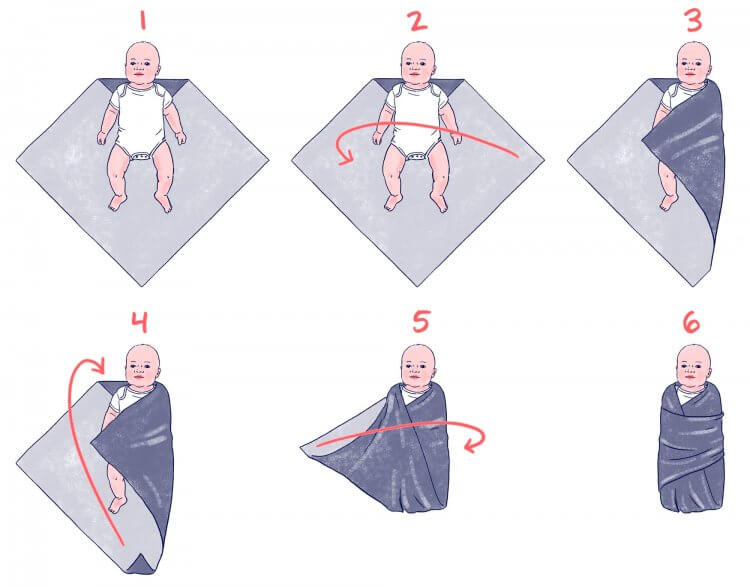
The classic swaddle method is a simple and effective way to wrap your newborn. This technique helps your baby feel safe and cozy. It mimics the snugness of the womb. Many parents find this method calming for their baby. It also promotes better sleep by preventing startle reflexes.
Following a clear step-by-step process ensures a secure and comfortable swaddle. The blanket should be snug but not tight, allowing your baby to move hips freely. Proper positioning is key for safety and comfort.
Preparing The Blanket
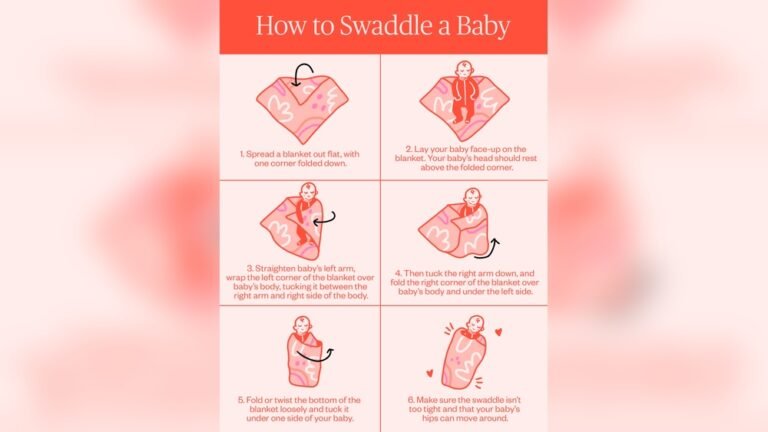
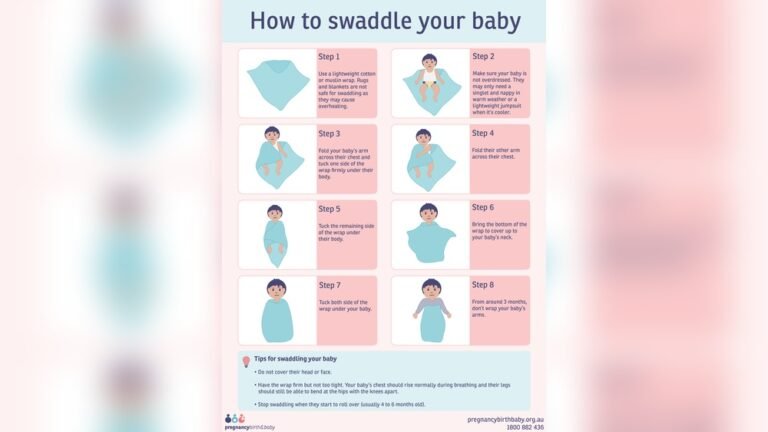
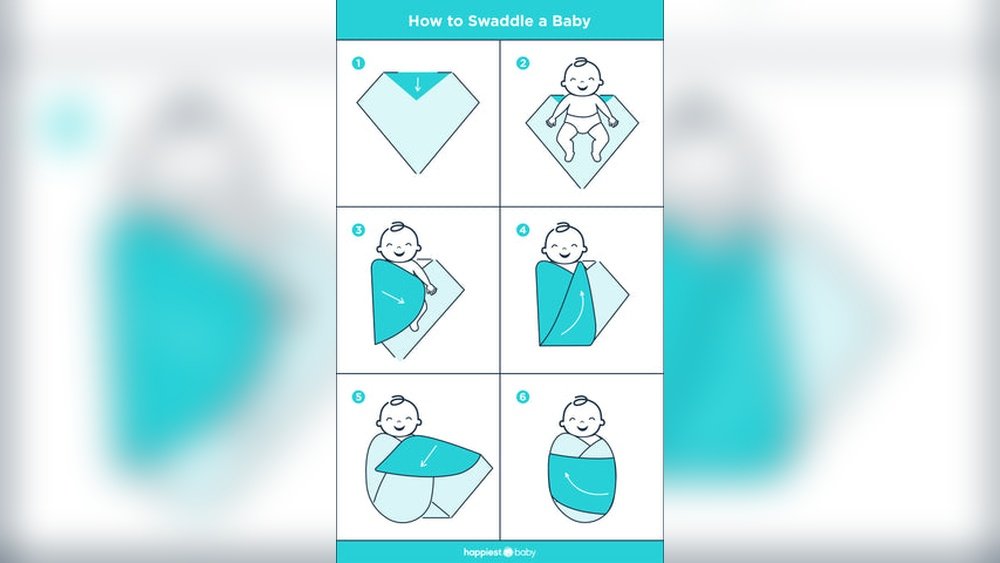
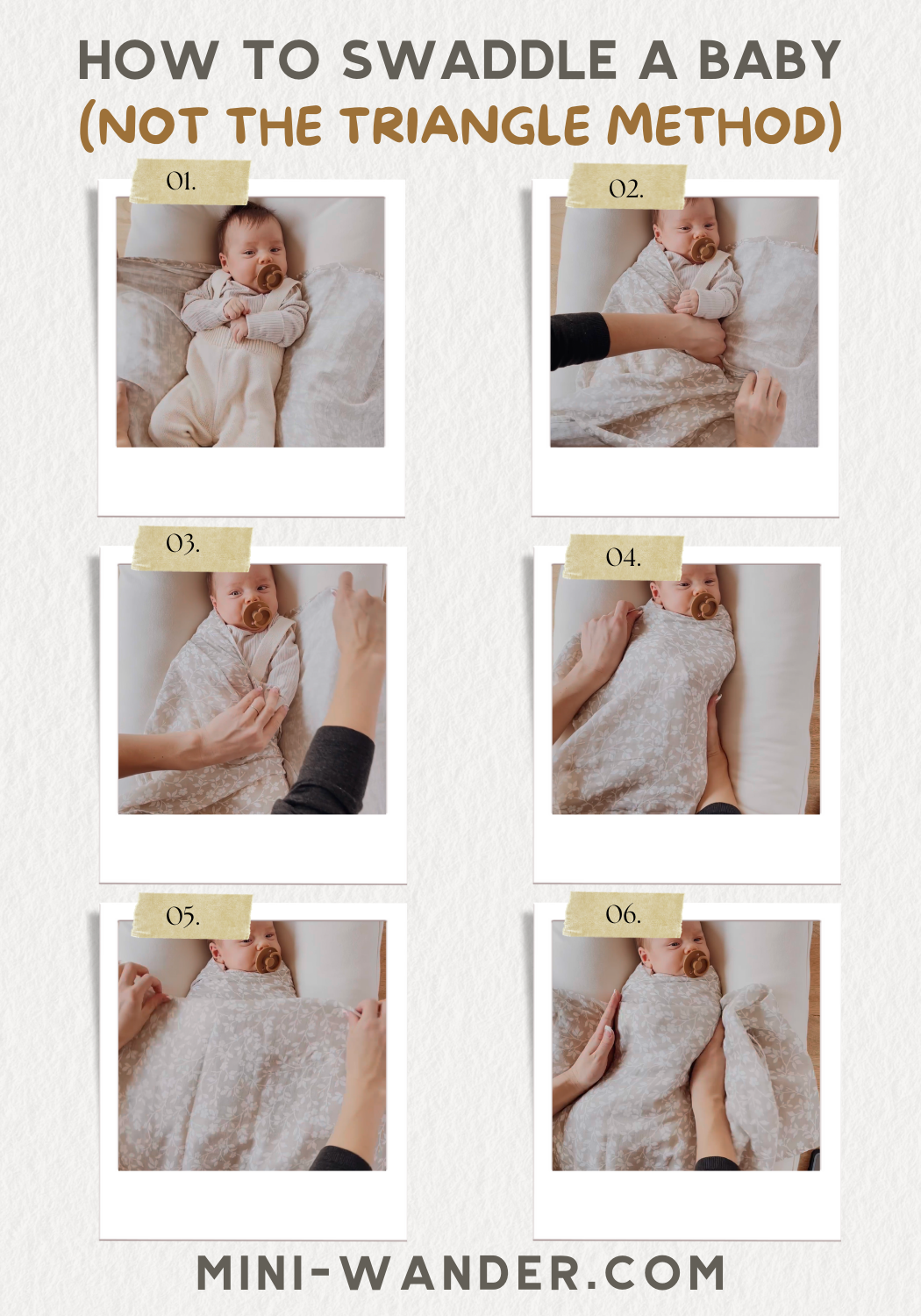
Start with a large, thin, square blanket. Lay it flat on a safe surface. Fold the top corner down about six inches. This creates a straight edge for your baby’s head. Make sure the blanket is smooth without wrinkles.
Positioning The Baby
Place your baby on their back on the blanket. Their neck and shoulders should be just above the folded edge. Keep the baby’s head clear of the blanket. Lay their arms gently at their sides or bent slightly.
Wrapping Left Side
Hold your baby’s left arm close to their body. Pull the left corner of the blanket across their chest. Tuck it snugly under their back. Avoid wrapping too tight around the chest. The goal is a secure but comfortable fit.
Folding Bottom Section
Fold the bottom corner of the blanket up over your baby’s feet. Make sure the hips and legs have room to move. This helps prevent hip dysplasia. Tuck the folded edge into the top of the swaddle.
Wrapping Right Side
Bring your baby’s right arm down against their side. Pull the right corner of the blanket across the body. Tuck it securely under their back. Check the swaddle is snug but allows chest movement. Your baby should feel cozy and safe.
Safety Tips
Swaddling your newborn can bring comfort and better sleep. Safety is the top priority. Follow these tips to swaddle safely and protect your baby.
These safety tips help prevent risks and keep your baby cozy without harm.
Checking Swaddle Tightness
Make sure the swaddle is snug but not too tight. You should fit two to three fingers between the swaddle and your baby’s chest. Too tight can make breathing hard. Too loose may cause the blanket to come undone.
Allowing Hip Movement
Keep the swaddle loose around the hips and legs. Babies need space to move their hips to avoid hip dysplasia. The bottom of the swaddle should allow bending and kicking.
Proper Sleep Position
Always place your baby on their back to sleep. This position lowers the risk of sudden infant death syndrome (SIDS). Never place your baby on their stomach or side while swaddled.
Preventing Overheating
Choose lightweight blankets for swaddling. Check your baby’s temperature often by feeling their neck or back. Remove the swaddle if your baby seems hot or sweaty. Overheating can be dangerous.
When To Stop Swaddling
Stop swaddling once your baby starts to roll over. Rolling while swaddled increases the risk of suffocation. Many babies begin rolling between 2 to 4 months old. Switch to a sleep sack or wearable blanket then.
Choosing The Right Swaddle
Choosing the right swaddle is key to keeping your newborn safe and comfortable. A good swaddle helps your baby sleep soundly and feel secure. It should be soft, breathable, and easy to use. Selecting the right fabric, style, and fit can make all the difference in your baby’s comfort and your ease of use.
Fabric Types
Choose fabrics that are gentle on your baby’s skin. Cotton is soft, breathable, and easy to wash. Muslin is lightweight and allows good airflow. Bamboo fabric feels silky and helps regulate temperature. Avoid thick or rough materials that might irritate delicate skin.
Swaddle Styles
Swaddles come in blankets, wraps, and sacks. Traditional blankets need folding and tucking. Wraps have Velcro or snaps for quick fastening. Swaddle sacks are wearable and allow easy diaper changes. Pick a style that suits your baby’s size and your comfort level.
Ease Of Use
Swaddles with simple fasteners save time. Velcro or snaps keep the swaddle secure without complicated folding. Blankets require practice to wrap correctly. Choose a swaddle that fits your daily routine and skill. This helps you swaddle quickly and safely every time.
Comfort For Baby
Ensure the swaddle is snug but not tight. It should hold your baby securely while allowing hip movement. The fabric must breathe to avoid overheating. Check that your baby’s arms and legs can move slightly. Comfort keeps your baby calm and happy during sleep.
Swaddle Variations
Swaddling helps newborns feel safe and sleep better. Different swaddle styles suit different babies. Trying variations can support baby’s growth and comfort. Choose a method that fits your baby’s needs and your ease.
Simple Swaddle For Motor Skills
This method keeps the baby’s arms snug inside the blanket. It helps limit sudden movements that startle babies awake. A tight but gentle wrap supports newborn motor skills development. Always leave space for the hips and legs to move freely. This swaddle style encourages calmness and longer sleep stretches.
Hands-out Swaddle
Some babies prefer keeping their hands free. The hands-out swaddle lets arms move outside the blanket. This helps with self-soothing and reduces fussiness. It also lets babies explore their hands and fingers. Use a soft, breathable fabric to avoid overheating. This style suits babies who resist classic swaddling.
Swaddle Alternatives
Alternatives include wearable swaddles and sleep sacks. These give freedom of movement while maintaining warmth. They are easy to use and reduce wrapping mistakes. Some have adjustable fasteners for a better fit. Alternatives work well as babies grow and start to roll over. Always choose options that keep baby safe and comfortable.
Common Mistakes To Avoid
Swaddling helps newborns feel safe and sleep better. Many parents try swaddling but make common mistakes. These errors can cause discomfort or safety risks for babies. Avoid these mistakes to swaddle your baby properly and keep them cozy.
Understanding what not to do is as important as knowing the right technique. Let’s explore the key mistakes to avoid when swaddling your newborn.
Wrapping Too Tight
Wrapping the swaddle too tight can harm your baby. It restricts natural movement and breathing. Your baby needs room to move their hips and legs. A tight wrap may cause hip problems or overheating. Always keep the swaddle snug but loose enough to fit two fingers between the blanket and baby’s chest.
Covering Face
Never cover your baby’s face with the swaddle. It blocks airflow and increases the risk of suffocation. Keep the blanket below the chin and away from the nose and mouth. Make sure the swaddle stays secure without slipping up near the baby’s face.
Ignoring Baby’s Cues
Babies show signs when they are uncomfortable in a swaddle. Watch for fussiness, sweating, or struggling to move. These cues mean the swaddle may be too tight or too loose. Adjust the wrap or try a different style if your baby seems upset. Listening to your baby helps keep them safe and happy.

Credit: www.pregnancybirthbaby.org.au
Benefits Of Swaddling
Swaddling has been a trusted practice for newborn care across cultures. Wrapping a baby snugly in a soft blanket offers several benefits. It helps newborns feel secure and calm, similar to the womb environment. Swaddling also supports healthy sleep and soothes fussiness.
Improved Sleep Quality
Swaddling creates a cozy, warm feeling for babies. This comfort helps them fall asleep faster and stay asleep longer. Swaddled babies often wake up less due to sudden movements. Better sleep means more rest for both baby and parents.
Reduced Startle Reflex
Newborns have a natural startle reflex that can wake them suddenly. Swaddling gently limits this reflex by keeping their arms close. This reduces sudden jerks that can disrupt sleep. Calm, uninterrupted sleep supports healthy brain development.
Soothing And Comfort
Swaddling provides a snug, womb-like feeling that soothes babies. It helps calm crying and fussiness during the first weeks. The gentle pressure from the blanket offers comfort and security. This calming effect can help babies settle quickly.
Credit: www.adsam.es
Frequently Asked Questions
What Is The Best Way To Swaddle A Newborn?
Lay a blanket flat and fold the top corner. Place baby on their back above the fold. Wrap sides snugly, allowing hip movement. Tuck securely without tightness. Use breathable fabric and stop swaddling once baby rolls over. Always place baby on their back to sleep safely.
What Is The 2/3 Finger Rule When Swaddling?
The 2/3 finger rule means leaving space to fit two to three fingers between the swaddle and baby’s chest. This ensures snugness without restricting breathing.
Is It Better To Swaddle A Newborn With Arms In Or Out?
Swaddle newborns with arms in to promote better sleep and security. Ensure hips move freely to prevent hip issues. Stop swaddling once the baby can roll over.
Should Arms Be Straight Or Bent When Swaddled?
Arms should be bent and placed gently against the baby’s sides when swaddled. This supports natural posture and comfort.
Conclusion
Swaddling helps newborns feel safe and sleep better. Use a soft, breathable blanket. Wrap snugly but leave room for hip movement. Always place your baby on their back to sleep. Check that the swaddle is not too tight. Stop swaddling once your baby starts to roll over.
With careful practice, swaddling becomes easier. Your baby will enjoy comfort and security. Keep these tips in mind for safe swaddling every time.