
Best Way to Clean Infant Car Seat: Ultimate Guide for Safe Freshness
You want your infant car seat to be clean, safe, and fresh for every ride. But cleaning it can feel tricky.
How do you avoid damaging the delicate straps or the fabric? What’s the safest way to remove stains and odors without using harsh chemicals? If you’re wondering about the best way to clean your infant car seat, you’re in the right place.
This guide will walk you through simple, effective steps that protect your baby’s seat and keep it spotless. Keep reading to discover easy tips that make cleaning stress-free and safe for your little one.

Credit: www.youtube.com
Check The Manual
Checking the manual is the first and most important step to clean an infant car seat. Each car seat model has specific cleaning instructions. Following them keeps the seat safe and in good condition. Avoiding damage and maintaining safety standards depend on these guidelines.
The manual tells you if the cover is machine washable. It also explains how to clean the straps and plastic parts. Some materials need gentle washing, while others require spot cleaning only.
Reading the manual helps you avoid common cleaning mistakes. For example, some straps cannot get wet, or harsh chemicals can weaken them. The manual guides you on the right soap or detergent to use. This prevents skin irritation for your baby and keeps the fabric intact.
Locate The Cleaning Section In The Manual
Most manuals have a dedicated cleaning or care section. Find this part to get specific instructions. It usually includes step-by-step advice and warnings. This section helps you clean safely and effectively.
Follow The Washing Instructions Carefully
Manuals often state whether you can machine wash the cover. If yes, it usually recommends cold water and gentle cycles. Avoid bleach and fabric softeners. Drying instructions are also important to prevent shrinking.
Understand Strap Cleaning Guidelines
Straps require gentle care. Manuals often say to wipe them with mild soap and water. Never soak or machine wash the straps. This keeps their strength and safety intact.
Check For Any Restrictions On Cleaning Products
Some cleaning products can damage the car seat. The manual lists which products to avoid. Stick to mild soaps or recommended cleaners only. This protects the materials and your baby’s health.
Keep The Manual Handy For Future Use
Keep the manual near the car seat or store it safely. You will need it for regular cleaning and maintenance. It also helps if you want to deep clean or remove stains later.
Remove Loose Debris
Removing loose debris is the first and most important step in cleaning an infant car seat. Dirt, crumbs, and small particles often hide in the crevices. Clearing them out makes the next cleaning steps easier and more effective. This step helps keep the seat fresh and safe for your baby.
Vacuuming Tips
Use a handheld vacuum or a vacuum with a narrow nozzle. This helps reach tight spaces and corners. Move the vacuum slowly to pick up all crumbs and dust. Pay attention to seams and folds where debris collects. Vacuuming regularly prevents buildup and keeps the seat clean longer.
Brushing Off Particles
Use a soft brush or a clean cloth to gently remove stuck-on particles. Lightly brush the fabric and straps to loosen dirt. Be careful not to damage the material. Brushing helps remove debris that vacuuming may miss. It also refreshes the fabric before deep cleaning.
Clean The Fabric Cover
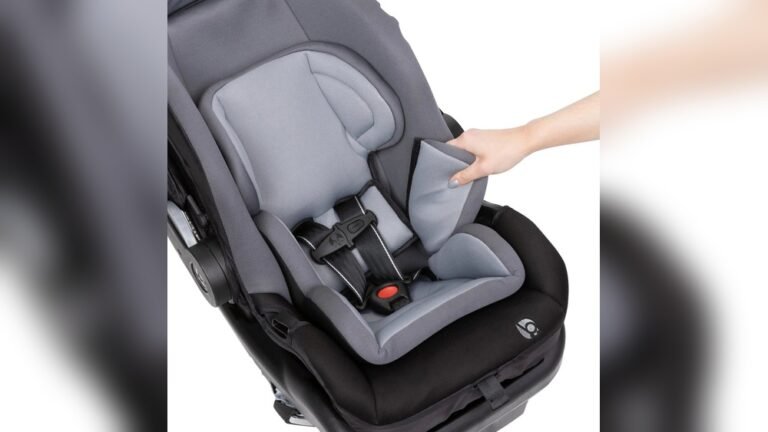
Cleaning the fabric cover of an infant car seat keeps it fresh and safe for your baby. Dirt, spills, and crumbs can build up quickly. Regular cleaning prevents stains and odors. Handling the fabric gently protects its color and texture.
Washing Removable Covers
Start by checking the car seat manual for washing instructions. Most covers can be removed easily. Use cold water and a gentle cycle in your washing machine. Avoid bleach and fabric softeners to protect the fabric. Air dry the cover to keep its shape and size. Do not put it in the dryer, as heat can damage the fabric.
Spot Cleaning Techniques
For small stains, use a soft cloth or sponge. Mix mild soap with water for a gentle cleaning solution. Dab the stain carefully without rubbing hard. Rinse the area with a clean damp cloth to remove soap. Let the fabric air dry completely before use. Avoid soaking the fabric to prevent damage.
Choosing Mild Detergents
Select detergents made for sensitive skin or baby clothes. These detergents are free of harsh chemicals and dyes. Mild detergents clean effectively without harming fabric fibers. Avoid strong scents and additives that may irritate your baby’s skin. Always rinse thoroughly to remove all detergent residues.
Sanitize The Harness Straps
Sanitizing the harness straps is a crucial step in cleaning an infant car seat. The straps keep your baby safe and need to be clean without losing strength. Using the right method helps keep the straps strong and free from germs.
Harsh cleaning or soaking can damage the straps. Gentle cleaning keeps them safe and effective for use. This section explains how to sanitize the harness straps properly.
Avoiding Submersion
Never soak or submerge the harness straps in water. Water can weaken the straps and reduce their safety. The straps are made of special materials that lose strength when wet for long. Avoid harsh chemicals or bleach that can also damage the fibers. Keeping the straps dry and clean is the safest way.
Using Damp Cloth And Mild Soap
Use a soft, damp cloth to clean the straps gently. Add a small amount of mild soap to the cloth for better cleaning. Wipe the straps carefully without rubbing too hard. Rinse the cloth often to avoid spreading dirt. Let the straps air dry completely before using the car seat again. This method kills germs and removes stains safely.
Clean Plastic And Metal Parts
Cleaning the plastic and metal parts of an infant car seat keeps it safe and looking new. These parts often collect dust, food crumbs, and sticky residue. Dirt in small crevices can affect the seat’s function and safety. Proper cleaning protects these materials from damage and ensures your baby’s comfort.
Safe Cleaning Sprays
Choose sprays that are gentle and non-toxic. Look for products labeled safe for baby items. Avoid sprays with strong scents or harsh chemicals. Water-based cleaners work well for plastic and metal. Use a soft cloth to apply the spray and wipe gently. This method removes dirt without causing damage.
Avoiding Harsh Chemicals
Harsh chemicals can weaken plastic and metal over time. Avoid bleach, ammonia, and alcohol-based cleaners. These can cause discoloration and corrosion. They may also leave harmful residues harmful to babies. Stick to mild soap and water or specially made baby-safe cleaners. Rinse thoroughly to remove any cleaner residue.
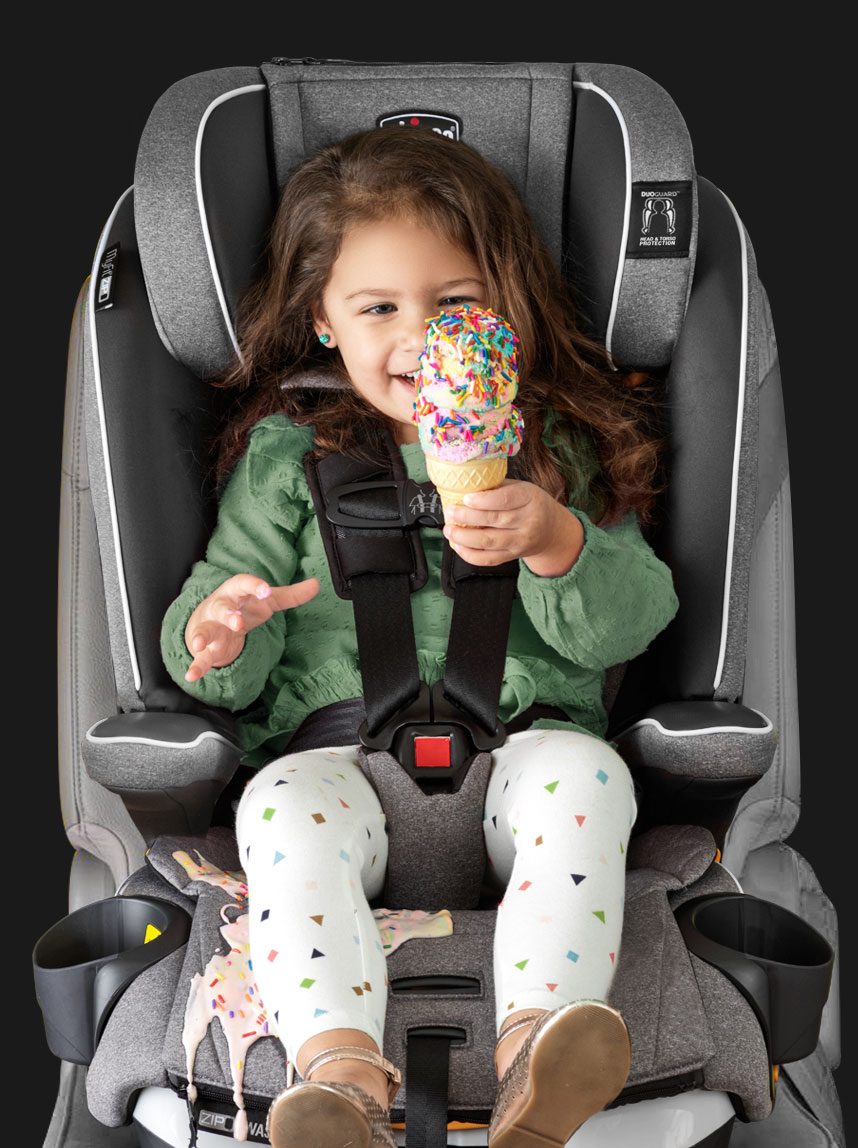
Credit: www.chiccousa.com
Drying And Deodorizing
Drying and deodorizing an infant car seat is a crucial step after cleaning. Proper drying stops mold and mildew growth. Deodorizing ensures the seat smells fresh and inviting for your baby. Both steps keep the car seat safe and comfortable for daily use.
Air Drying Best Practices
Remove all covers and padding before drying. Spread them out flat on a clean surface. Use a well-ventilated room to speed up drying. Avoid using a dryer or direct heat sources. Let the straps and plastic parts air dry naturally. Check often to make sure no moisture remains.
Using Sunlight For Freshness
Sunlight is a natural way to freshen the car seat. Place the covers and padding outside on a dry day. The sun helps kill bacteria and reduces odors. Keep the seat out of direct sunlight for long periods. Too much sun can fade colors and weaken fabric. A few hours is enough for a fresh scent.
Eliminating Odors Safely
Use baking soda to remove stubborn smells. Sprinkle it lightly on fabric parts and let sit for a few hours. Vacuum thoroughly to remove all powder. Avoid harsh chemical sprays that can irritate your baby. A small amount of mild vinegar diluted in water can also help. Test any deodorizer on a hidden spot first.
Steam Cleaning Benefits
Steam cleaning offers a safe and effective way to clean infant car seats. It uses hot steam to loosen dirt and kill germs. This method reaches deep into fabric fibers without soaking the seat. Steam cleaning also dries quickly, preventing mold and bad smells. It keeps your baby’s car seat fresh and hygienic.
Removing Stains And Germs
Steam cleaning breaks down tough stains easily. The high temperature lifts food, drink, and dirt from the fabric. It also kills bacteria and viruses on contact. This makes the car seat safer for your baby. Steam cleans areas that are hard to reach with regular wipes.
Chemical-free Cleaning
Steam cleaning uses only water, no harsh chemicals. This reduces the risk of skin irritation or allergic reactions. It is gentle on the car seat materials and straps. Without chemicals, steam cleaning is eco-friendly and safe for infants. This method is perfect for parents who want natural cleaning solutions.
Products To Avoid
Choosing the right products to clean an infant car seat is crucial for safety and durability. Some cleaning agents can damage the fabric and weaken the safety features. Avoid using products that contain harsh chemicals. These can irritate your baby’s skin and harm the car seat materials.
Harsh Chemicals
Harsh chemicals break down the fabric and padding of the car seat. They can cause colors to fade and fabrics to weaken. Strong solvents or cleaners with ammonia should never touch the car seat. These chemicals may also leave harmful residues that your baby could come into contact with.
Bleach And Strong Detergents
Bleach and strong detergents are too aggressive for infant car seats. They can damage the fabric and straps. These products may reduce the effectiveness of the seat’s safety harness. Using bleach can also cause discoloration and weaken the material fibers. Stick to mild soaps and water for cleaning.
Regular Maintenance Tips
Keeping your infant car seat clean is vital for your baby’s safety and comfort. Regular maintenance helps avoid buildup of dirt and germs. It also extends the life of the car seat. Simple daily care keeps the seat fresh and safe for every ride.
Routine Cleaning Schedule
Set a weekly time to clean the car seat thoroughly. Remove the fabric cover if possible. Wash it according to the label instructions using mild detergent. Clean the plastic and metal parts with a damp cloth. Avoid harsh chemicals that can damage materials. Check the straps and buckles for dirt. Wipe them gently with a soft sponge and mild soap. Let all parts dry completely before reassembling. This routine keeps your car seat hygienic and ready for use.
Spot Cleaning For Spills
Act quickly when spills happen. Use a clean cloth to blot the liquid immediately. Do not rub, as this spreads the stain. Mix a small amount of mild soap with water. Dip a soft cloth into the solution and gently clean the spot. Rinse with a damp cloth to remove soap residue. Allow the area to air dry fully. Spot cleaning prevents stains from setting and keeps the seat looking new.

Credit: vixencomposites.com
Frequently Asked Questions
What Is The Best Way To Clean An Infant Car Seat?
Check the manual first. Vacuum debris, wash removable covers with mild soap in cold water. Wipe harness with a damp cloth. Air-dry completely before reassembling.
Is It Better To Shampoo Or Steam Clean Car Seats?
Steam cleaning car seats removes stains, kills germs, and eliminates odors without chemicals. Shampooing cleans but may leave residue. Steam cleaning offers deeper, safer cleaning for most fabrics.
Are Infant Car Seats Washable?
Infant car seats have removable covers that you can wash gently by hand or machine on cold, using mild detergent. Avoid harsh cleaners and never soak harness straps. Clean straps with a damp cloth and mild soap. Always air-dry covers completely before reassembling to keep the seat safe.
Can You Wash The Fabric On A Baby Car Seat?
Check the car seat manual before cleaning. Remove fabric covers and wash gently with mild soap in cold water. Wipe harness straps with a damp cloth only. Avoid harsh cleaners or soaking to keep the seat safe and durable. Air-dry covers completely before reassembly.
Conclusion
Cleaning your infant car seat keeps it safe and fresh for your baby. Use gentle soap and a soft cloth to avoid damage. Always follow the car seat manual instructions closely. Regular cleaning prevents germs and odors from building up.
A clean car seat ensures comfort and safety on every ride. Remember, simple steps make a big difference in care. Keep your baby’s seat spotless for peace of mind.