Common Mistakes With Car Seat: Avoid These Dangerous Errors Now
Are you confident that your child’s car seat is installed correctly? Many parents and caregivers unknowingly make common mistakes that can put their little ones at risk.
From loose harness straps to improper seat placement, these errors can compromise your child’s safety during every trip. But don’t worry—by learning what to watch out for, you can easily avoid these pitfalls and ensure your child is as protected as possible.
Keep reading to discover the most frequent car seat mistakes and how you can fix them right now. Your child’s safety depends on it.
Harness Position Errors
Harness position errors are a frequent problem with car seat safety. Incorrect harness placement reduces protection during a crash. Parents often place straps too high, too low, or leave them loose. Proper harness positioning keeps children secure and comfortable. Understanding the right strap locations for each seat type is vital.
Rear-facing Strap Placement
For rear-facing seats, straps must be at or below the child’s shoulders. Straps placed too high allow the child to slip out during impact. Tighten straps so they lie flat without twists. Check that the harness fits snugly against the child’s body.
Forward-facing Strap Placement
In forward-facing seats, straps should sit at or above the shoulders. Straps placed too low reduce effectiveness in a crash. Adjust the harness height as your child grows. Make sure the straps are secure and snug, but not uncomfortable.
Crotch Buckle Position
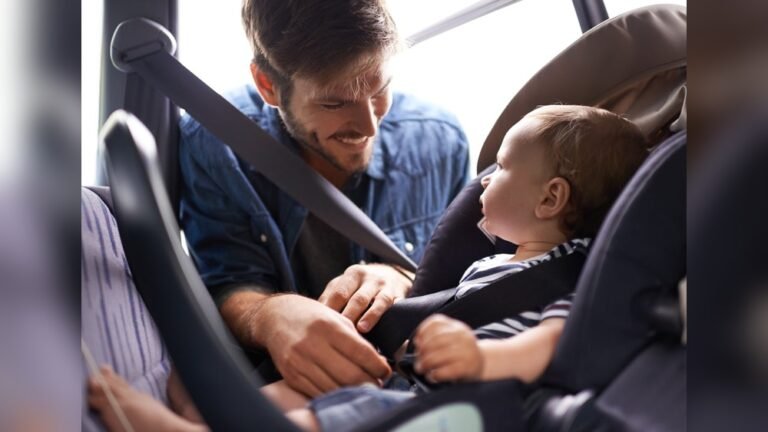
The crotch buckle must be correctly positioned for safety and comfort. It should lie close to your child’s body without gaps. Placing it too far forward can cause loose harness straps. Always check that the buckle clicks securely and is easy to fasten.

Credit: www.briskmanandbriskman.com
Installation Mistakes
Installing a car seat correctly is vital for your child’s safety. Many parents make errors during installation that reduce protection. These mistakes often happen because of confusion or rushing. Understanding common installation errors can help you secure the seat properly. Below are some frequent installation mistakes to watch for.
Loose Seat Installation
The car seat must not move more than one inch side to side or front to back. A loose seat puts your child at risk during a crash. Tighten the seatbelt or latch system firmly to avoid any wiggle. Always double-check the fit before every trip.
Wrong Belt Path
Car seats have specific belt paths for rear-facing and forward-facing use. Using the wrong path weakens the seat’s hold. Check the car seat manual to find the correct belt route. A wrong belt path can cause the seat to shift dangerously.
Skipping Top Tether Use
Many forward-facing seats have a top tether strap to reduce seat movement. Leaving it unused increases head and neck injury risk. Always connect the top tether to the vehicle anchor point. This extra step improves safety by limiting forward motion.
Harness Tightness Issues
The harness in a car seat keeps your child safe during travel. Proper harness tightness is crucial. Too loose or too tight straps can cause serious risks. Many parents struggle with this balance. Understanding common harness tightness issues helps protect your child better.
Straps Too Loose
Loose harness straps allow your child to move too much. In a crash, this can cause injury. Always pull the straps snug. You should not be able to pinch any slack at the shoulder.
Check that the harness lies flat without twists. Loose straps reduce the car seat’s effectiveness. Tighten the harness until it fits securely but comfortably.
Effect Of Bulky Clothing
Thick coats or bulky clothing can hide loose straps. They create a false sense of tightness. The harness may seem snug but actually be loose.
Remove bulky jackets before buckling your child. Use a blanket over the harness after securing your child. This keeps them warm without compromising safety.
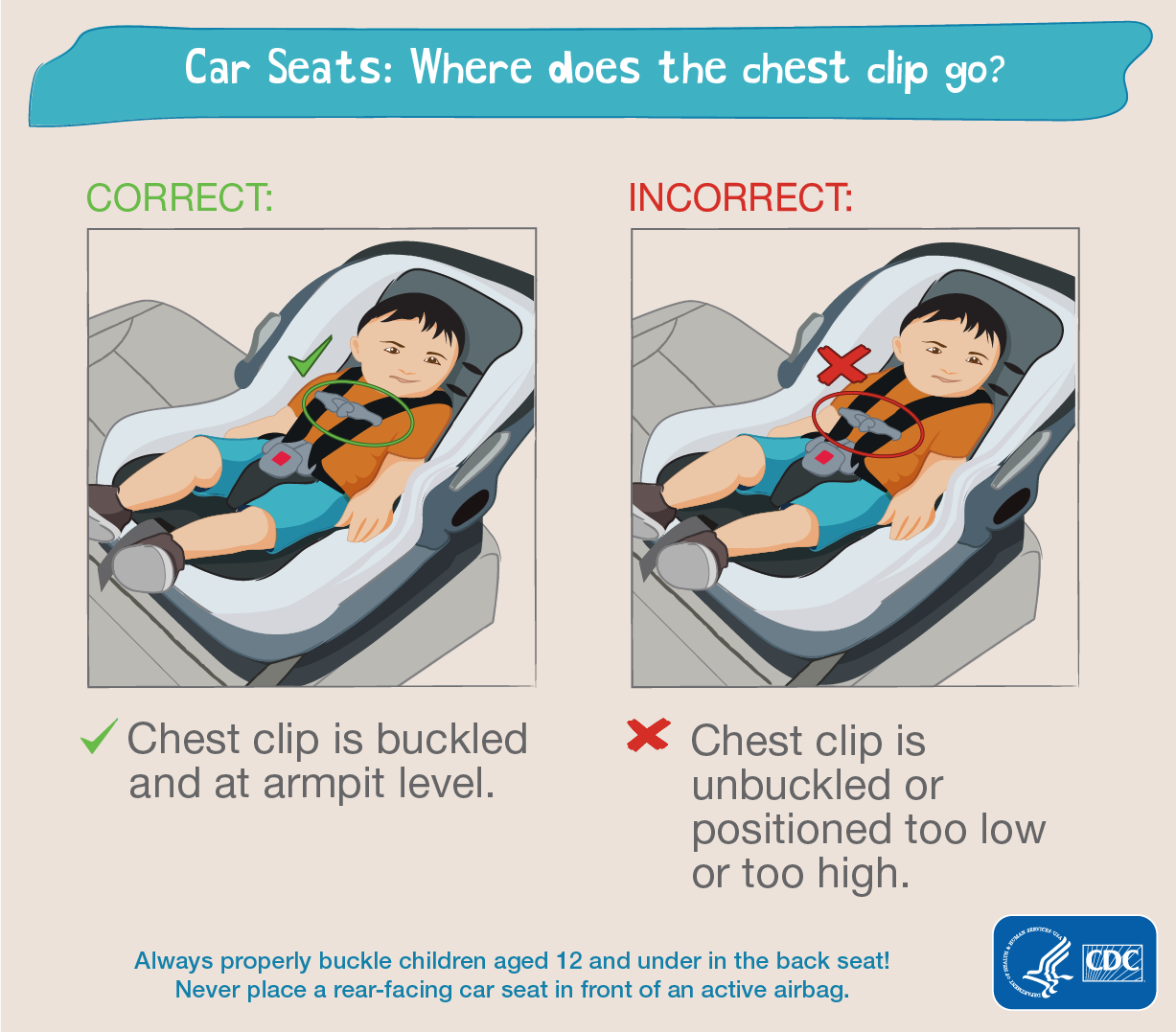
Proper Chest Clip Placement
The chest clip keeps the harness straps in position. It should sit at armpit level. Too low or too high placement reduces protection.
Check the chest clip after tightening the harness. It should rest flat across the chest, not on the stomach or neck. Correct placement keeps the straps in place during sudden stops.
Credit: www.congresoscoit.es
Seat Selection Errors
Choosing the right car seat is critical for your child’s safety. Many parents make mistakes during seat selection. These errors can put children at risk. Picking an incorrect seat or ignoring key guidelines causes serious problems. Understanding seat selection errors helps avoid these risks and keeps kids safe.
Ignoring Height And Weight Limits
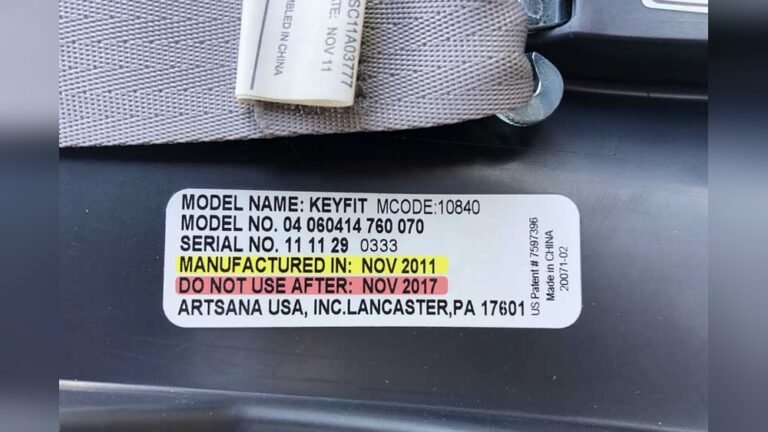
Every car seat has height and weight limits. These limits ensure the seat fits your child properly. Ignoring them can cause poor fit and reduced protection. Seats used beyond their limits may fail in a crash. Always check the label before buying or installing a seat. Adjust the seat type as your child grows.
Using Inappropriate Seat Types
Car seats come in different types: rear-facing, forward-facing, and booster seats. Using the wrong type decreases safety. Infants need rear-facing seats for better head and neck support. Older children require forward-facing or booster seats based on size. Choose the correct seat type for your child’s age and size. This prevents injuries and improves comfort.
Turning Forward Too Early
Switching to a forward-facing seat too soon is a common mistake. Children should stay rear-facing as long as possible. Rear-facing seats protect the spine and head better during a crash. Many seats allow rear-facing use until the child reaches the weight or height limit. Follow these limits strictly before turning the seat forward.
Placement Problems
Proper placement of a car seat is vital for child safety. Many parents make mistakes that reduce protection during a crash. Placing the car seat in the correct location inside the vehicle matters a lot. This section highlights common placement problems and how to avoid them.
Choosing Front Seat Over Back
Placing a car seat in the front seat is risky. Airbags can cause serious injuries to children in the front. The back seat is the safest spot for all child car seats. Always install car seats behind the driver or passenger seat. This position reduces the chance of injury during a crash.
Positioning In Suvs
SUVs have larger interiors which may confuse parents about car seat placement. Some seats may not fit well in the middle position. Placing the car seat on the side where it fits tight is better. Ensure the seat is secure and does not move more than an inch. Always check the vehicle manual for recommended seating positions.
Avoiding Airbag Zones
Airbags save adults but can harm small children. Never place rear-facing or forward-facing car seats in front of active airbags. Airbags inflate with great force and can injure a child. Always read the car and car seat manuals for airbag warnings. Choose seating positions away from airbag zones to keep children safe.
Accessory And Maintenance Risks
Car seat safety depends not only on correct installation but also on proper accessories and maintenance. Using the wrong accessories or neglecting maintenance can reduce protection. These risks often go unnoticed but can lead to serious problems during a crash.
Parents and caregivers must pay close attention to what is added to the car seat. Regular checks for wear and damage help keep the seat reliable. Small issues can grow into safety hazards if ignored.
Using Unapproved Accessories
Many think all car seat accessories are safe. This is not true. Only use accessories approved by the car seat manufacturer. Unapproved items like extra padding, covers, or toys can weaken the seat’s protection. They may interfere with harness straps or seat fit. Avoid anything not listed in the car seat manual.
Checking Car Seat Connections
Secure connections keep the seat in place during travel. Check the seat’s attachment points often. Look at the seat belt path and latch connectors. Tighten any loose straps or buckles. Loose connections reduce crash protection. A well-fastened seat saves lives.
Inspecting For Wear And Damage
Wear and tear can weaken a car seat over time. Inspect the seat fabric, buckles, and straps regularly. Look for cracks in the plastic shell. Check for frayed or stretched harness straps. Replace any damaged parts immediately. A damaged car seat cannot protect your child fully.
Credit: www.vivaveltoro.com
Frequently Asked Questions
What Are Common Car Seat Mistakes?
Common car seat mistakes include loose installation, incorrect harness height, turning forward too early, using wrong seat type, and placing seats improperly. Always avoid bulky clothing under harnesses and never use unapproved accessories.
What Is A Common Mistake When Installing A Child’s Car Seat?
A common mistake when installing a child’s car seat is securing it too loosely, causing unsafe movement during travel.
What Is One Of The Most Common Mistakes Parents Make With Car Seat Safety?
One common mistake parents make is installing the car seat too loosely, risking inadequate protection during a crash.
What Are The Two Most Common Problems That Occur With Power Seats?
The two most common power seat problems are a blown fuse and a faulty seat switch. These issues often cause seat movement failure.
Conclusion
Avoiding common car seat mistakes keeps children safer on every trip. Always follow instructions carefully and double-check the fit. Secure the harness snugly and place the seat in the correct position. Remember, small errors can lead to big risks. Stay alert and update the seat as your child grows.
Safety starts with proper installation and regular checks. Your effort helps protect your child every time you drive.