
Expert Tips for Using Infant Car Seat: Safety & Comfort Guide
When it comes to your baby’s safety, using an infant car seat correctly isn’t just important—it’s essential. You want to make sure your little one is secure and comfortable every time you hit the road.
But with so many tips, rules, and products out there, it’s easy to feel overwhelmed or unsure if you’re doing it right. That’s why you need expert advice you can trust. You’ll discover simple, practical tips that will help you install and use your infant car seat safely and confidently.
Keep reading to protect your baby and enjoy peace of mind every time you drive.
Choosing The Right Infant Car Seat
Choosing the right infant car seat is important for your baby’s safety and comfort. The right seat protects your child during every trip. It also fits well in your vehicle and is easy to use. This section helps you pick the best seat for your infant.
Types Of Infant Car Seats
Infant car seats come mainly in three types. First, there are rear-facing seats designed for newborns and small babies. These seats offer the best protection for a baby’s head and neck. Second, convertible car seats can change from rear-facing to forward-facing as your child grows. Third, some seats are travel systems that attach to strollers for easy transport. Choose a type that fits your lifestyle and your baby’s needs.
Checking Safety Ratings
Always check the safety ratings before buying a car seat. Look for seats that meet or exceed government safety standards. Many websites and consumer reports rate car seats by crash tests and safety features. A high safety rating means better protection for your baby. Avoid seats with recalls or poor reviews.
Matching Seat To Vehicle
Not all car seats fit well in every vehicle. Check your car’s manual for recommended car seat types. Measure the space in your back seat to ensure the seat fits properly. Some seats are easier to install in certain cars. A secure fit helps the car seat stay stable during travel. Test the seat in your car before buying if possible.
Credit: smartbuy.alibaba.com
Proper Installation Techniques
Proper installation of an infant car seat ensures your baby’s safety on every trip. A securely installed car seat reduces injury risks during sudden stops or crashes. Follow these expert tips to install the seat correctly. Each method requires careful attention for the best fit.
Using Latch System
The LATCH system helps attach the car seat to your vehicle. Locate the lower anchors in your car’s back seat. Connect the car seat’s lower connectors to these anchors firmly. Tighten the straps until the seat does not move more than one inch side to side. Always check for a secure fit before placing your baby inside.
Seat Belt Installation
Some cars do not have the LATCH system, so use the seat belt instead. Thread the seat belt through the car seat belt path. Buckle the seat belt and pull it tight to remove slack. Lock the seat belt by pulling it all the way out and letting it retract slowly. Confirm the car seat is stable and does not shift more than one inch.
Adjusting Seat Angle
The correct seat angle keeps your baby’s head from falling forward. Many infant seats have adjustable bases with angle indicators. Follow the car seat manual to set the angle within the recommended range. Use the recline foot or adjust the base until the bubble or line matches the level mark. A proper angle supports safe breathing and comfort for your baby.
Securing Your Baby Correctly
Securing your baby correctly in an infant car seat is vital for their safety. A proper fit reduces injury risk during sudden stops or crashes. Parents must pay close attention to harness and strap adjustments. Small changes can make a big difference. Follow these expert tips to ensure your baby stays secure and comfortable on every ride.
Harness Positioning Tips
Place the harness straps at or just below your baby’s shoulders. This keeps them snug and safe. Avoid placing straps too high or too low. Check the harness height every time you buckle your baby in. Adjust as your baby grows to maintain the correct position.
Strap Tightness Guidelines
Straps must be snug but not too tight. You should not be able to pinch extra material at the shoulder. Tighten the straps until they lie flat against your baby’s body. Loose straps can cause injury during a crash. Make sure your baby can move arms slightly but cannot slip out.
Using Chest Clips Properly
Position the chest clip at armpit level. This keeps straps in the right place. A chest clip too low or too high can cause harm. It helps spread crash forces across the chest evenly. Check the clip each time you fasten your baby to ensure it stays in place.

Credit: bababing.com
Comfort Tips For Your Infant
Ensuring your infant’s comfort in their car seat is as important as their safety. A comfortable baby stays calm and relaxed during trips, making travel easier for everyone. Simple adjustments can make a big difference in how your infant feels while secured in the car seat.
Maintaining Proper Temperature
Keep your baby’s environment neither too hot nor too cold. Dress your infant in light layers to help regulate body heat. Use a breathable car seat cover during cool weather. Avoid heavy blankets that can cause overheating. Always check your baby’s neck or back for sweat or chills.
Avoiding Bulky Clothing
Bulky clothing can interfere with the car seat harness. Thick jackets and snowsuits prevent the straps from fitting snugly. Instead, dress your baby in thin layers and cover them with a blanket after buckling. This keeps your infant warm without sacrificing safety. Proper harness fit is key to comfort and security.
Using Support Accessories Safely
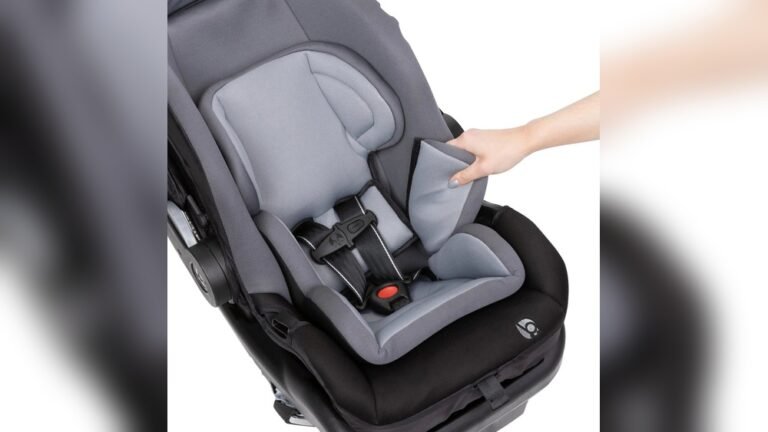
Use only manufacturer-approved support accessories. These include head and body supports designed for your car seat model. Avoid adding blankets, pillows, or toys that are not made for the seat. Extra items can shift during travel and affect safety. Always follow the car seat manual for guidance on accessories.
Safety Practices During Travel
Traveling with an infant requires strict attention to safety. Proper use of the car seat is essential to protect your baby during every trip. Following safety practices ensures your child stays secure and comfortable. These simple steps reduce risks and promote safer travel.
Limiting Car Seat Time
Infants should not stay in the car seat for too long. Extended time can cause discomfort and restrict breathing. Take breaks during long trips to remove the baby from the seat. Use these pauses for feeding, stretching, and calming. Keep car seat time short and balanced with rest outside the seat.
Regularly Checking Seat Condition
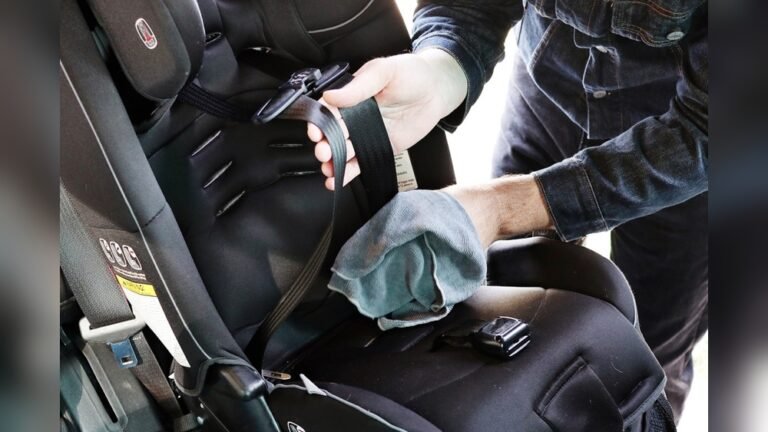
Inspect the car seat before each use. Look for cracks, loose parts, or worn straps. Make sure all buckles work smoothly and latch securely. Clean the seat regularly to avoid dirt buildup. A well-maintained seat performs better in protecting your infant. Replace the car seat if it shows any damage or fails safety checks.
Avoiding Common Installation Errors
Incorrect installation is a major risk. Follow the manufacturer’s instructions carefully. Ensure the seat is tightly secured and does not move more than one inch. Use the correct belt path and locking method for your vehicle. Double-check harness tightness around your baby. Seek professional help if unsure about installation steps.

Credit: www.jovikids.ae
When To Transition Out Of Infant Seat
Knowing the right time to move your baby out of the infant car seat is important. The infant seat fits babies just right for a while. After some months, your baby will need a bigger seat for safety and comfort. Watch for key changes in your baby’s size and behavior. These signs help you decide when to switch.
Recognizing Weight And Height Limits
Every infant car seat has specific weight and height limits. Check the label on your seat to find these numbers. Most infant seats hold babies up to 22 to 35 pounds. Height limits usually range from 29 to 32 inches. When your baby reaches or nears these limits, it is time to change seats. Staying within limits keeps your baby safe.
Signs Your Baby Needs Bigger Seat
Your baby might look cramped in the seat. Their head could be near the top edge or sides. The harness straps may be too tight or hard to adjust. Your child may start pushing against the seat with their legs. These signs show your baby needs a larger seat. Never force your baby to stay in an infant seat that is too small.
Next Steps For Child Safety Seats
After the infant seat, switch to a convertible car seat. Convertible seats can face rear or forward and hold bigger children. Always use rear-facing mode as long as possible. Check your local laws for age and size rules. Proper installation is key to safety. Follow the manufacturer’s instructions carefully. Keep your child secure and comfortable in the new seat.
Frequently Asked Questions
How To Properly Use An Infant Car Seat?
Place the infant car seat rear-facing in the vehicle. Secure it tightly using LATCH or seat belt. Adjust the angle for proper head support. Buckle the harness snugly at or below shoulder level. Avoid loose straps and never leave the baby unattended in the seat.
What Is The 2 Hour Rule For Newborns In Car Seats?
The 2-hour rule advises not to keep newborns in car seats over two hours continuously. Extended time may restrict breathing and cause discomfort. Always remove and reposition your baby to ensure safety and comfort during travel or rest.
Is It Better To Latch Or Seatbelt A Car Seat?
Both LATCH and seatbelt methods safely secure car seats. Use LATCH for easier, quicker installs; switch to seatbelt as your child grows. Always follow car seat and vehicle guidelines for the safest fit.
What Is One Of The Most Common Mistakes Parents Make With Car Seat Safety?
One common mistake is not tightening the harness properly, leaving it too loose to protect the child effectively.
Conclusion
Using an infant car seat correctly keeps your baby safe during every trip. Always check the seat’s fit and harness snugness before driving. Regularly review the car seat manual for updates and safety tips. Remember, proper installation prevents injuries and gives you peace of mind.
Trust your instincts and stay attentive to your baby’s comfort. Safety matters most, so take time to do it right every time.