Full Comparison of Booster Seat: Ultimate Guide for Safe Choices
Choosing the right booster seat for your child can feel overwhelming. With so many options available, how do you know which one offers the best safety, comfort, and value for your family?
You want a booster seat that fits your child perfectly, keeps them secure, and makes every car ride worry-free. In this full comparison of booster seats, you’ll discover clear, easy-to-understand insights that help you make the smartest choice. Whether you’re looking for the safest model, the most comfortable design, or the best budget-friendly option, this guide has you covered.
Keep reading to find the booster seat that truly meets your needs and keeps your little one safe on every journey.
Credit: www.babygearlab.com
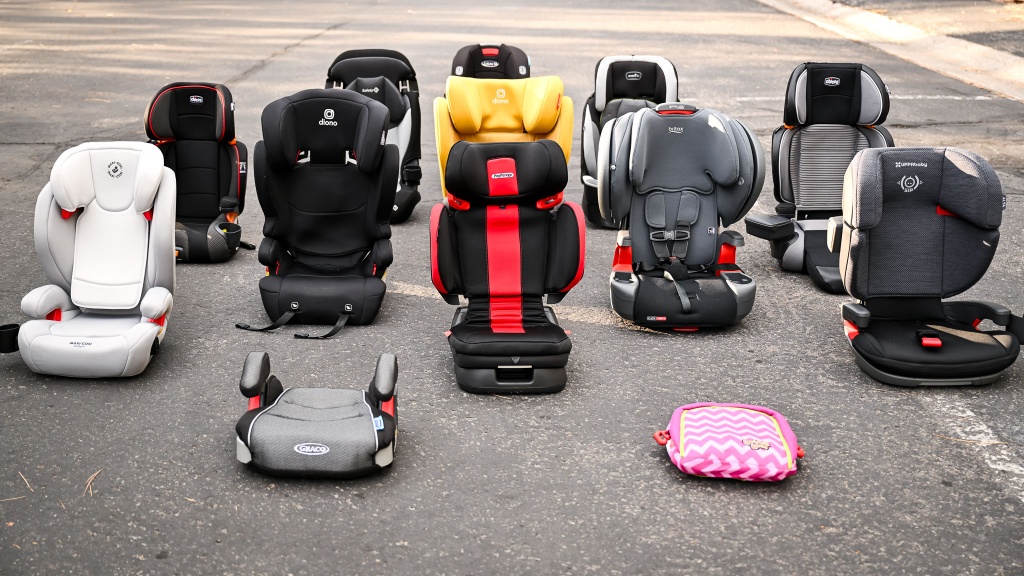
Types Of Booster Seats
High-back booster seats offer head and neck support. They have a backrest and side wings to protect your child in a crash. These seats are good for cars without headrests or with low seat backs. They also help position the seat belt correctly across the chest and shoulder.
Backless booster seats are smaller and lighter. They are easy to move between cars. These boosters work best in vehicles with high seat backs and headrests. They raise your child so the seat belt fits properly over their body. Backless boosters are less bulky but offer less protection for the head and neck.
Combination car seats start as harness seats for toddlers. Later, they convert to booster seats. This makes them useful for many years. They provide a harness for younger kids and then switch to a seat belt booster. Combination seats save money by growing with your child.
Safety Ratings And Crash Tests
Crash test results show how well booster seats protect children during accidents. Seats that perform well reduce the risk of injury significantly. Most safety tests check side and front impacts.
Safety standards like FMVSS 213 and ECE R44/04 set strict rules for booster seats. These rules ensure seats hold children securely and use strong materials. Always choose seats that meet or exceed these standards.
| Booster Seat Model | Crash Test Rating | Safety Feature |
|---|---|---|
| Diono Monterey XT | Excellent | High-back for head support |
| Chicco KidFit ClearTex Plus | Very Good | Energy-absorbing foam |
| Graco TurboBooster | Good | Adjustable headrest |
Comfort And Fit
Seat padding affects comfort during long rides. Soft, thick cushions help keep kids cozy. Some seats have memory foam for extra support. Good support protects a child’s back and neck.
Adjustability features allow the booster to grow with your child. Adjustable headrests and armrests improve fit and safety. Reclining options can add comfort on longer trips.
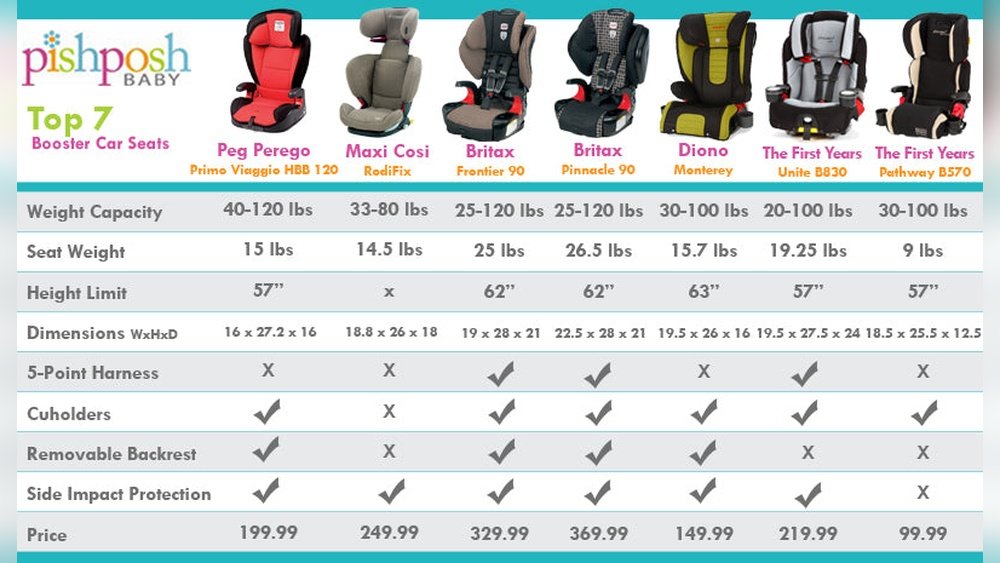
The size and weight limits tell you if the booster fits your child. Most seats fit kids from about 40 to 120 pounds. Choose a booster that fits your car and child well to ensure safety.
Ease Of Installation
The Latch system uses built-in anchors to secure the booster seat. It is often quicker and simpler to install than using a seat belt. The seat belt method requires threading the belt through specific booster seat paths, which can be tricky for some users.
Installation guides usually include clear step-by-step instructions. Tools like a belt lock-off or tightener help keep the seat secure. Many seats come with labels showing where the belt or Latch should go.
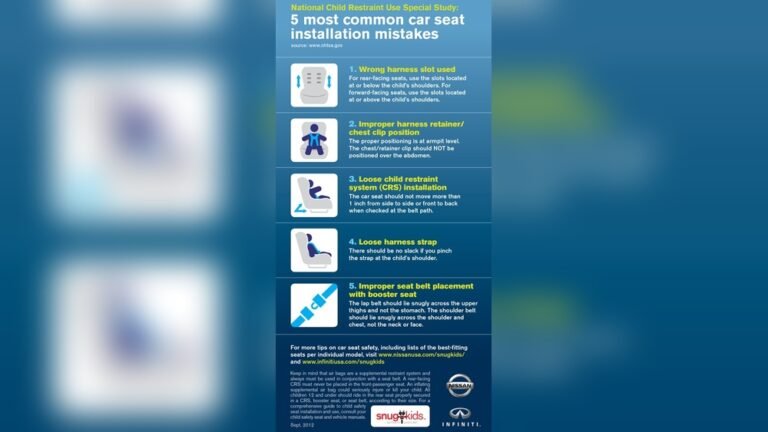
Common mistakes include loose attachments, wrong belt paths, or forgetting to tighten the seat. Checking the booster seat’s fit after installation is important. A properly installed seat does not move more than one inch side to side or front to back.
Material Quality And Durability
Fabric types in booster seats vary from polyester to mesh. Mesh fabrics offer better breathability and keep kids cool during long rides. Soft polyester feels comfortable but may trap heat. Some seats use a mix to balance comfort and airflow.
The frame construction impacts durability and safety. Steel frames provide strong support and last longer. Plastic frames are lighter but may wear out faster. Reinforced joints and solid stitching increase overall strength.
Cleaning booster seats is easy if the fabric is removable. Machine-washable covers save time. Some seats use stain-resistant fabrics, which need less frequent washing. Wipeable plastic parts make maintenance simple and quick.
Price And Value
Budget-friendly booster seats offer basic safety and comfort. They usually cost less than $50 and provide essential features like secure straps and simple installation. These models are good for families on a tight budget but may lack extra padding or adjustable parts.
Premium booster seats come with advanced safety features, extra padding, and better materials. Prices range from $100 to $200. These seats often include adjustable headrests, cup holders, and side impact protection. The added comfort and safety make them worth the higher price for many parents.
| Type | Price Range | Features | Warranty |
|---|---|---|---|
| Budget-Friendly | Under $50 | Basic safety, simple design | Limited, usually 1 year |
| Premium | $100 – $200 | Adjustable, padded, extra safety | Extended, 2+ years |
Good customer support and warranty are important. Some brands offer free replacements or repairs if problems occur. Check the warranty length before buying. This helps protect your investment and ensures help if needed.
Popular Booster Seat Brands
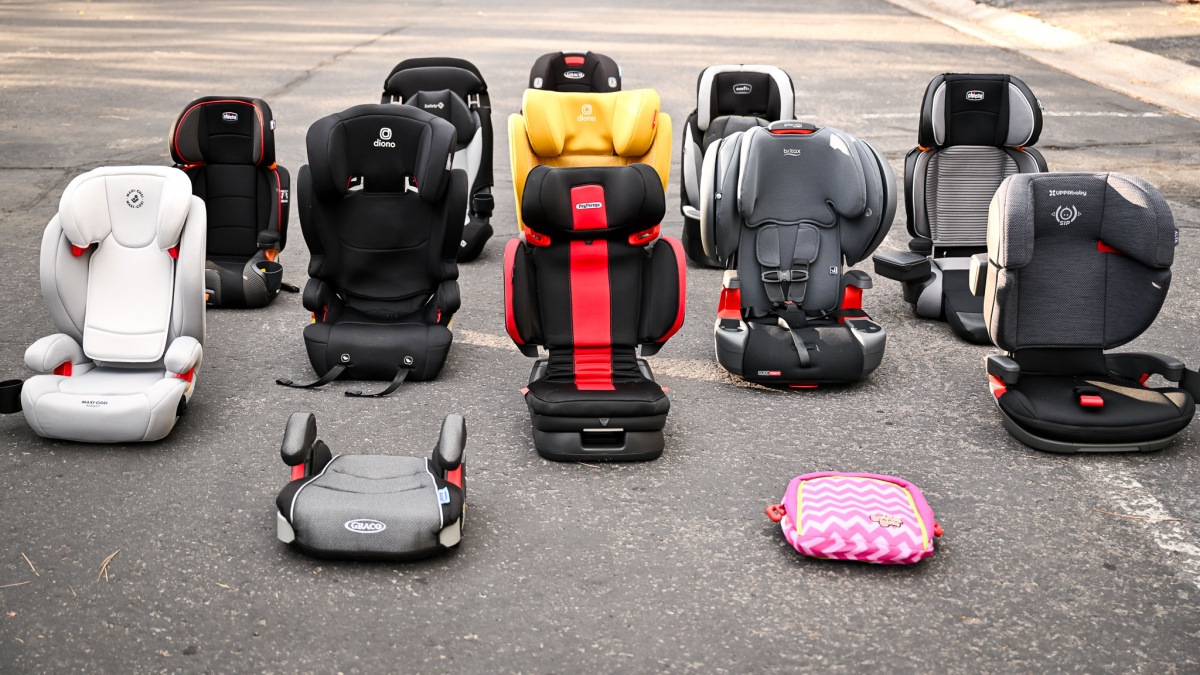
Diono booster seats are known for their durability and comfort. They offer a wide seat and strong side protection, making rides safer. Their seats often grow with your child, lasting many years.
Graco seats are very popular for their easy installation and affordable price. Many models have cup holders and adjustable features, helping kids stay comfortable on long trips.
Chicco booster seats focus on safety and comfort. Their padding is soft, and many seats have adjustable headrests. They fit well in many car types.
Nuna offers booster seats with a modern design and high safety ratings. Their seats are lightweight but sturdy. Parents like their simple setup and sleek look.
Credit: www.babygearlab.com
Legal Requirements And Guidelines
Children must use booster seats until they reach the right age and weight. Most experts say kids should be at least 4 years old and weigh 40 to 80 pounds. Texas law requires children under 8 years old to use a car seat or booster seat in a car. Children under 4 feet 9 inches tall must remain in a booster seat for safety.
In Austin, Texas, parents must follow these rules strictly. The law protects children by ensuring they use seats that fit their size. Booster seats help position the seat belt properly across the child’s chest and lap.
Transition from a booster seat to a regular seat belt only when the child fits well. The seat belt should lie across the upper thighs, not the stomach. The shoulder belt must cross the chest and shoulder, not the neck or face.
Additional Features To Consider
Cup holders and storage add convenience for kids and parents. They hold drinks and small toys, keeping the car tidy. Some boosters have removable holders for easy cleaning.
Portability and foldability help if you move the booster between cars. Lightweight models are easier to carry. Foldable boosters save space when not in use or during travel.
Color and design options let kids pick seats they like. Bright colors and fun patterns can make car rides more enjoyable. Some designs also match car interiors better.

Credit: www.thecarseatpros.com
Frequently Asked Questions
What Are The Safest Booster Seats Available?
The safest booster seats pass rigorous crash tests and meet or exceed safety standards. Look for models with side-impact protection and secure harness systems to ensure maximum child safety.
How Do High-back And Backless Booster Seats Differ?
High-back boosters provide head and neck support, ideal for vehicles without headrests. Backless boosters are portable and suitable for cars with proper head restraints.
When Should A Child Transition To A Booster Seat?
Children should use a booster seat once they outgrow their forward-facing car seat, typically around age 4-7, until the vehicle seat belt fits properly without a booster.
What Features Should I Compare In Booster Seats?
Compare safety ratings, comfort, ease of installation, adjustability, and compatibility with your vehicle. Features like cup holders and washable covers also add convenience.
Conclusion
Choosing the right booster seat keeps your child safe and comfortable. Consider size, weight limits, and ease of use carefully. Each seat offers unique features to fit different needs. Safety ratings and crash test results matter most in your decision.
Remember to check installation options and your vehicle compatibility. A well-chosen booster seat supports your child’s growth and security. Take time to compare models before buying. Safety and comfort should always come first.