Full Comparison of Car Seat: Ultimate Guide to Safety & Comfort
Choosing the right car seat for your child can feel overwhelming. With so many options, brands, and safety features out there, how do you know which one truly fits your needs?
This full comparison of car seats breaks down everything you need to consider—from infant to booster seats, safety ratings to ease of installation. By the end, you’ll feel confident about making the safest, smartest choice for your family’s rides. Keep reading to discover which car seat stands out and why it could be the perfect match for your child’s comfort and protection.
Credit: www.chantiersmagazine.ch
Types Of Car Seats
Choosing the right car seat is crucial for your child’s safety and comfort. Car seats come in various types designed to meet different age groups and needs. Understanding these types helps you pick the best option for your child’s size and growth stage. Below is a detailed look at the common car seat types available.
Infant Seats
Infant seats are made for newborns and small babies. They face the rear of the car to protect the baby’s head and neck. These seats are lightweight and easy to carry. Many come with a handle to use as a carrier outside the car. Infant seats usually have a weight limit up to 30 pounds.
Convertible Seats
Convertible seats grow with your child from infancy to toddlerhood. They can face rearward for babies and forward for older children. These seats often last longer than infant seats. Parents save money by using one seat instead of two. Convertible seats tend to be heavier and less portable.
Booster Seats
Booster seats help older children use the car’s seat belt correctly. They raise the child so the belt fits over the shoulder and hips. Boosters are for kids who outgrow their convertible seats. These seats do not have harnesses. Kids usually use boosters between ages four and twelve.
All-in-one Seats
All-in-one seats combine features of infant, convertible, and booster seats. They can be used from birth through booster age. These seats adjust to fit a wide range of sizes. All-in-one seats save space by replacing multiple seats. They often cost more but offer long-term use.
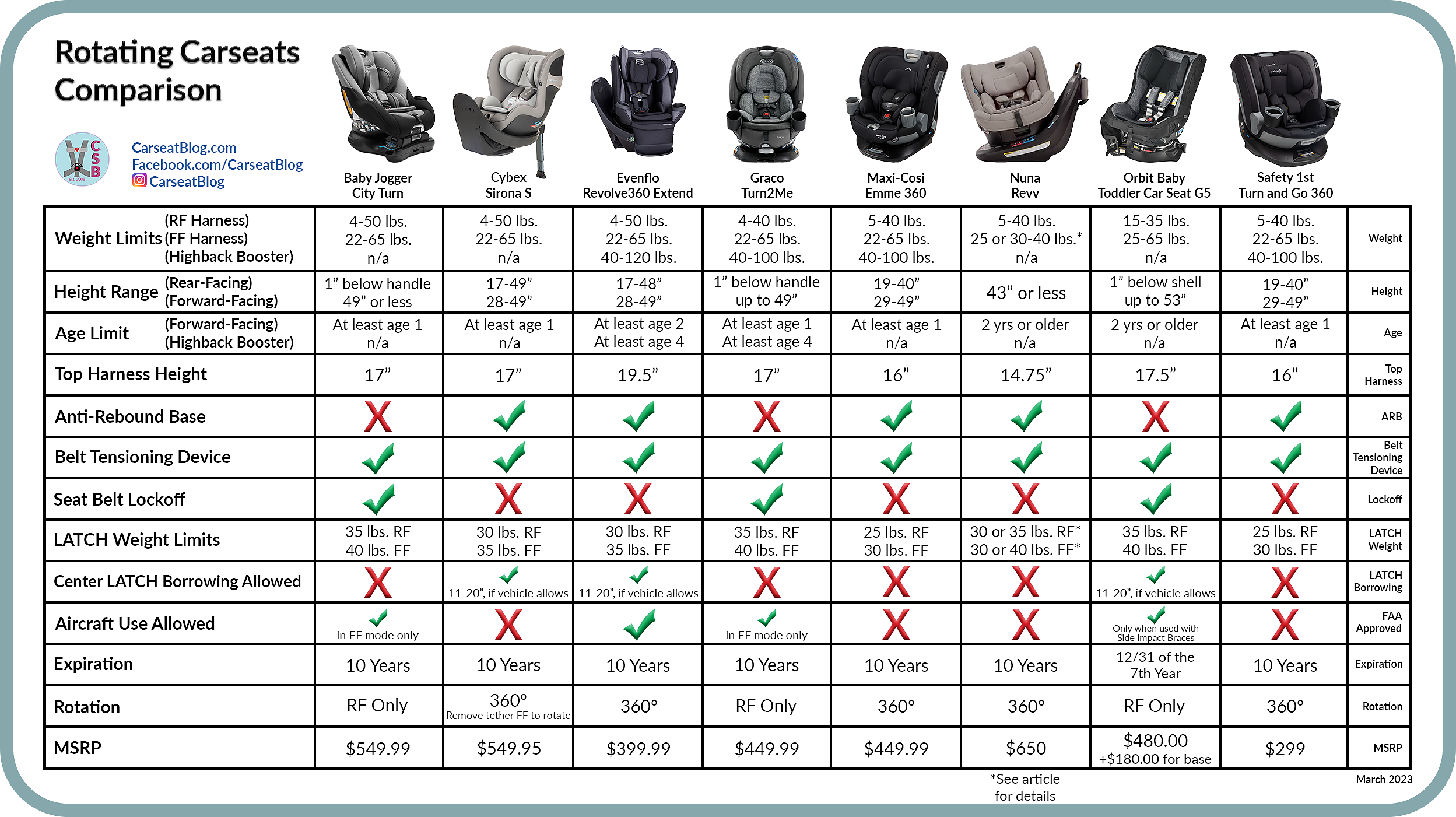
Rotating Seats
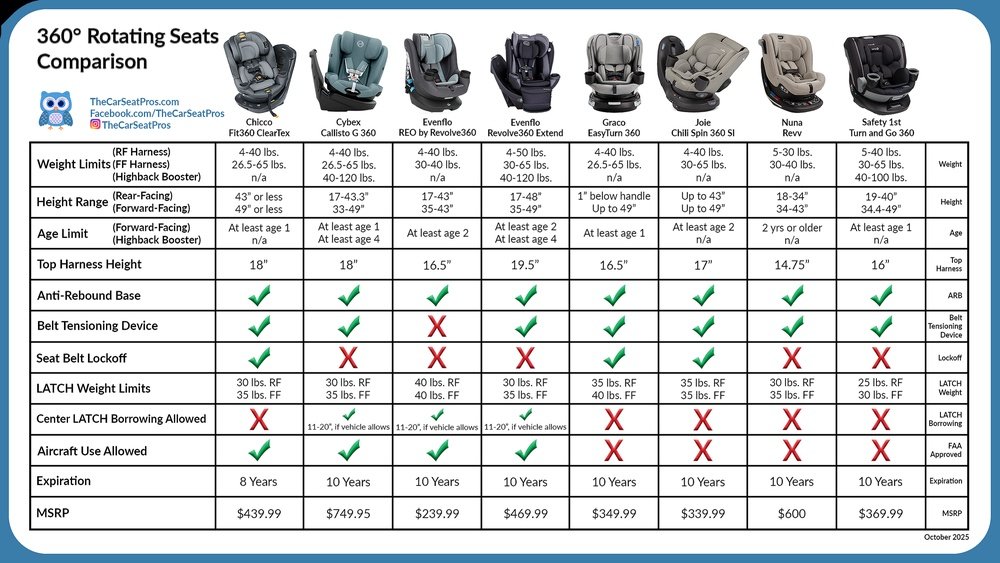
Rotating seats turn toward the car door for easy access. This feature helps parents place and secure their child. Rotating seats often come in convertible or all-in-one models. They reduce strain on the back and shoulders. Many parents find rotating seats convenient and safe.
Credit: www.advancedresources.com
Safety Ratings And Standards
Safety is the top priority when choosing a car seat for your child. Understanding safety ratings and standards helps you pick a reliable seat. These ratings show how well a car seat protects your child during a crash. They also guide you in meeting legal requirements and ensuring proper use.
Crash Test Results
Crash tests measure how well a car seat protects a child in an accident. Experts use dummies to simulate real crashes. The seat’s ability to absorb impact and keep the child secure is rated. Higher scores mean better protection. Check these results to compare car seats before buying.
Nhtsa Guidelines
The National Highway Traffic Safety Administration sets key rules for car seats. Their guidelines cover design, installation, and use. NHTSA also provides safety ratings from 1 to 5 stars. These ratings help parents find seats with strong safety records. Choosing a seat that meets NHTSA standards is essential.
Ease Of Installation
Proper installation is crucial for safety. A car seat must fit tightly and correctly in your vehicle. Seats with clear instructions and simple mechanisms reduce installation errors. Many seats have features like LATCH systems to help. Easy installation improves safety and peace of mind.
Side-impact Protection
Side-impact crashes can cause serious injuries. Car seats with side-impact protection add extra padding and energy-absorbing materials. This design helps shield a child’s head and torso. Look for seats tested specifically for side impacts. This feature increases overall safety in real-life crashes.
Comfort Features
Comfort features play a key role in choosing the best car seat for your child. A comfortable seat keeps your child calm and happy during trips. Comfort also supports safety by reducing fussiness and distractions while driving.
Different car seats offer various comfort elements. These features focus on padding, adjustability, breathability, and harness systems. Each detail helps improve your child’s ride experience.
Padding And Support
Good padding cushions your child and protects against bumps. Thick foam or memory foam padding adds softness and absorbs shocks. Supportive side walls keep your child’s head and body steady. Look for seats with extra neck and lumbar support for long rides.
Adjustability Options
Adjustable seats grow with your child. Recline positions allow your child to rest comfortably. Height-adjustable headrests and harness slots fit different ages and sizes. Easy-to-change settings save time and ensure a perfect fit every trip.
Breathable Materials
Breathable fabrics prevent overheating and sweating. Mesh panels and moisture-wicking covers keep air flowing. Soft, natural fibers add comfort without irritation. These materials help your child stay cool during warm weather drives.
Harness Systems
Comfortable harnesses keep your child safe and snug. Padded straps prevent rubbing and skin marks. Five-point harnesses distribute pressure evenly across the body. Quick-adjust systems make tightening or loosening the harness simple and fast.
Top Brands And Models
Choosing the right car seat means understanding top brands and their best models. Each brand offers unique features and safety standards. Parents can find options that suit newborns, toddlers, and older children. This section covers popular brands and their standout seats.
Graco Comparisons
Graco is a trusted name for car seats. It offers infant, convertible, and booster seats. The Graco SnugRide series is popular for newborns. Its Click Connect system makes installation easy. The 4Ever model grows with your child from infant to booster. Graco seats balance safety, comfort, and budget well.
Chicco Infant Seats
Chicco infant seats focus on safety and convenience. The KeyFit 30 is a top seller for newborns. It fits well in many cars and strollers. Chicco seats have excellent side-impact protection. Parents appreciate their padded inserts and easy harness systems. These seats provide a secure fit for infants.
Nuna And Cybex Reviews
Nuna and Cybex offer premium car seats with high safety ratings. Nuna PIPA seats are lightweight and stylish. They include energy-absorbing foam for crash protection. Cybex models feature innovative designs like rotating bases. Both brands emphasize comfort with breathable fabrics. Nuna and Cybex seats often come at a higher price.
Evenflo And Joie Models
Evenflo provides affordable car seats with solid safety features. The Evenflo Tribute series is easy to install and use. Joie offers European designs known for comfort and safety. Joie Spin 360 allows seat rotation for easy access. Both brands suit families wanting quality without a high cost. They cover a wide range of child ages and weights.
Installation Tips
Installing a car seat correctly is key to keeping your child safe. Proper installation ensures the seat stays secure during every trip. Even small errors can reduce protection. Follow these tips to install your car seat safely and confidently.
Using Latch Vs Seat Belt
Most car seats can attach using LATCH or a seat belt. LATCH uses lower anchors built into your vehicle. It often makes installation easier and tighter. Seat belts work in all cars and can be just as secure. Check your car seat manual to choose the best method for your vehicle and seat model.
Checking For Secure Fit
After installation, press down hard on the car seat. Try to move it side to side and front to back. The seat should not move more than one inch. A tight fit keeps your child safe during sudden stops. Double-check straps and buckles for firm locking and no slack.
Common Installation Mistakes
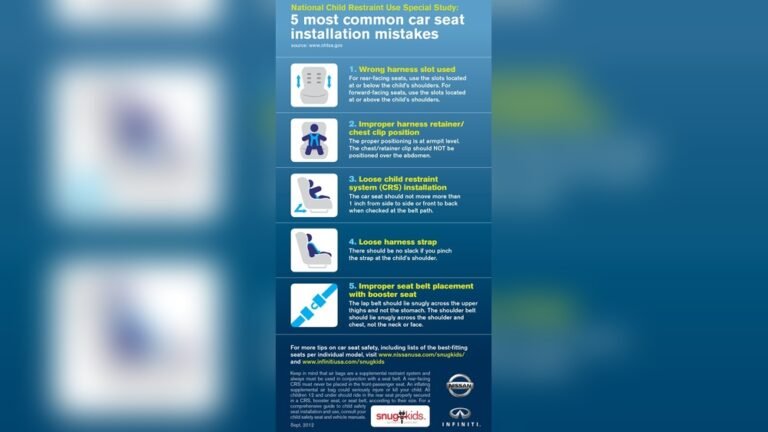
Many parents make simple errors when installing car seats. These include using the wrong belt path or loose straps. Another mistake is not locking the seat belt or LATCH properly. Avoid placing the seat at too steep or flat an angle. Always read instructions carefully before starting.
Vehicle Compatibility
Not all car seats fit every vehicle perfectly. Some cars have narrow seats or unusual anchor points. Test the car seat in your vehicle before buying if possible. Check your vehicle’s manual for specific car seat guidelines. Proper fit means safer and easier installation every time.
Choosing The Right Seat
Choosing the right car seat is a crucial step for every parent. It ensures your child travels safely and comfortably. The right seat fits your child’s needs and your lifestyle. This section covers key factors to consider.
Matching Age And Weight
Car seats are designed for specific age and weight ranges. Using the correct seat helps protect your child in a crash. Always check the seat’s label for limits. Infants need rear-facing seats. Toddlers often switch to forward-facing seats. Booster seats suit older children. Matching these limits keeps your child safe.
Growth Considerations
Children grow fast. Choose a seat that adapts to their size. Convertible seats change from rear-facing to forward-facing. Some grow into booster seats. This flexibility saves money and time. Adjust harnesses and headrests as your child grows. Regularly check the fit to maintain safety.
Lifestyle And Travel Needs
Think about your daily travel habits. Short trips might need a lightweight, easy-to-install seat. Long drives require seats with extra padding and comfort. If you use multiple cars, a seat that moves easily is best. Consider seats with removable covers for easy cleaning. Your lifestyle guides the best choice.
Budget And Longevity
Car seats vary in price. Higher cost does not always mean better safety. Look for seats with good safety ratings within your budget. Seats that grow with your child offer better value. Balance cost with features and durability. Investing in the right seat protects your child for years.
Maintenance And Care
Proper maintenance and care keep your car seat safe and comfortable. Regular upkeep helps the seat last longer and stay clean. Paying attention to details protects your child every ride. This section covers key steps to maintain your car seat effectively.
Cleaning Tips
Remove the cover and wash it following the label instructions. Use mild soap and warm water for stains. Avoid harsh chemicals that can damage fabric or padding. Wipe plastic parts with a damp cloth to remove dirt. Let all parts dry completely before reassembly to prevent mold.
Inspecting For Wear
Check harness straps for frays, cuts, or tears regularly. Examine buckles and clips to ensure they fasten securely. Look for cracks or damage in the plastic shell. Make sure the padding is intact and not compressed. Early detection of wear keeps the seat reliable.
When To Replace
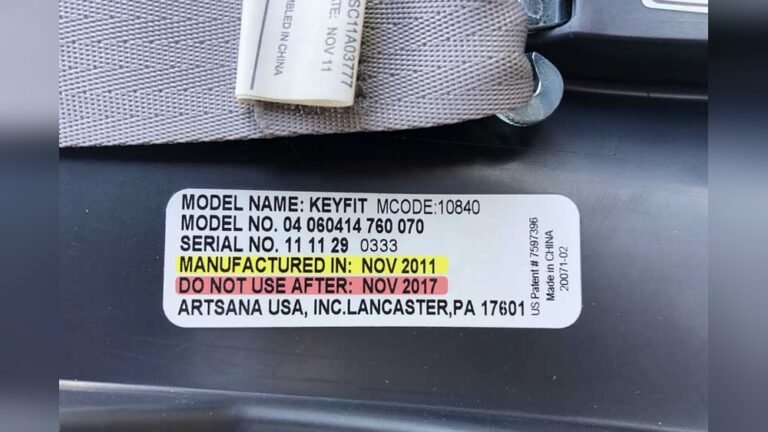
Replace the car seat after any serious crash, even if no damage is visible. Follow the manufacturer’s expiration date, usually 6 to 10 years. Do not use a seat with missing parts or broken components. Upgrading as your child grows ensures proper fit and safety. Safety standards evolve, so newer models may offer better protection.
Storage Guidelines
Store the car seat in a dry, cool place away from sunlight. Avoid damp or humid areas that promote mold growth. Keep it covered to protect from dust and dirt. Do not place heavy items on top to prevent warping. Proper storage preserves the seat’s condition for future use.

Credit: www.arloren.com
Frequently Asked Questions
What Is The Safest Car Seat For Infants?
The safest infant car seats pass rigorous crash tests and have high safety ratings. Look for side-impact protection and easy installation features.
How Do Convertible Car Seats Compare To Infant Seats?
Convertible seats grow with your child, fitting rear and forward-facing needs. Infant seats are portable but limited to early months.
Which Car Seat Types Are Best By Age Group?
Infant seats suit newborns, convertible seats fit toddlers, and booster seats help older kids. Choose based on your child’s age and size.
What Features Should I Look For In A Car Seat?
Focus on safety ratings, ease of installation, comfort, and adjustability. Additional features like cup holders and removable covers add convenience.
Conclusion
Choosing the right car seat matters for your child’s safety and comfort. Each type offers unique benefits depending on age, size, and usage. Compare features like installation ease, weight limits, and safety ratings carefully. Remember, a well-fitted car seat makes every trip safer and more pleasant.
Take your time to decide what fits your family’s needs best. Safe travels start with the right car seat choice.