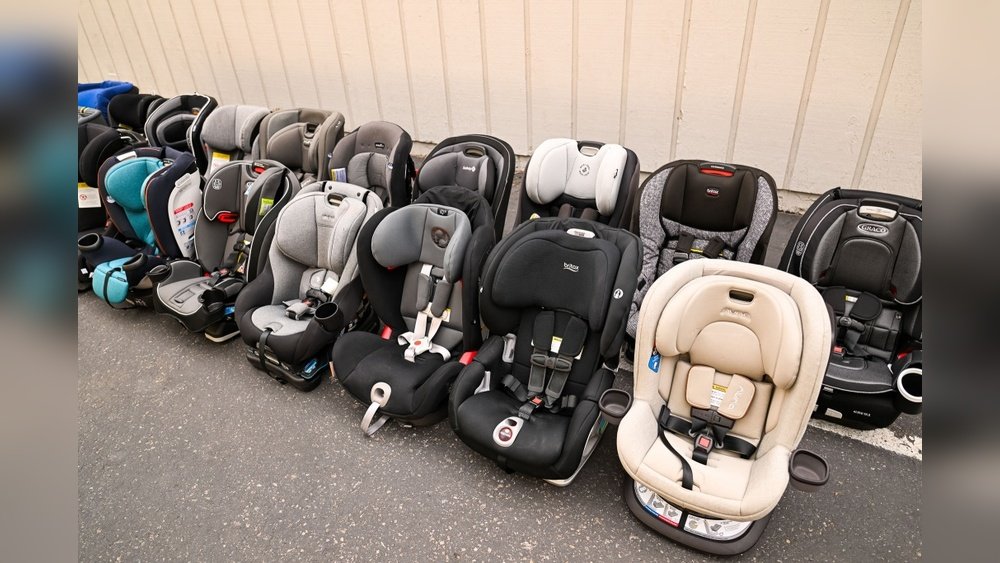
Full Comparison of Convertible Car Seat: Top Picks for Safety & Comfort
Choosing the right convertible car seat for your child can feel overwhelming. You want something safe, comfortable, and easy to use—but with so many options out there, how do you pick the best one?
This full comparison of convertible car seats breaks down everything you need to know. From safety ratings to ease of installation, and from size to special features, you’ll get clear, straightforward insights to help you make the smartest choice for your family.
Keep reading to find the perfect car seat that fits your needs and keeps your little one safe on every ride.
Top Convertible Car Seats
Choosing the right convertible car seat is important for your child’s safety and comfort. Many options are available, each with unique features and price points. This guide highlights top convertible car seats across different categories. It helps narrow down choices based on your needs and budget.
Explore the best overall picks, budget-friendly options, and premium models. Each group offers reliable safety and ease of use. Find the seat that fits your lifestyle and keeps your child secure on every trip.
Best Overall Picks
These seats balance safety, comfort, and ease of installation. They suit most families and vehicles. Brands like Graco and Britax often appear here. These models grow with your child from infancy to toddlerhood. They feature adjustable harnesses and side-impact protection. Easy cleaning and durable fabrics make them practical choices.
Budget-friendly Options
Affordable seats provide essential safety without extra features. They meet all federal safety standards. Many budget models are lightweight and simple to install. Parents can find well-reviewed options from brands like Evenflo and Safety 1st. These seats are good for families on a tight budget. They offer reliable protection and comfort for daily use.
Premium Models
Premium convertible car seats include advanced safety technologies. These models often have superior padding and ergonomic design. Brands such as Nuna and Cybex lead this category. Premium seats may include features like magnetic chest clips and anti-rebound bars. They focus on style and comfort, alongside top safety ratings. These seats are ideal for parents who want extra peace of mind.
Safety Features
Safety is the top priority in every convertible car seat. Parents want to protect their children during every trip. Car seats come with various safety features. These features help reduce injury risk in accidents. Understanding these features helps you choose the best seat.
Crash Test Ratings
Crash test ratings show how well a car seat performs in a crash. Independent labs perform these tests. They check the seat’s ability to protect the child. Higher ratings mean better protection. Always select a seat with strong crash test results.
Side-impact Protection
Side-impact crashes can cause serious injuries. Many car seats include side-impact protection. This feature uses extra padding or energy-absorbing materials. It shields the child’s head and torso. Look for seats with enhanced side-impact features for added safety.
Harness Systems
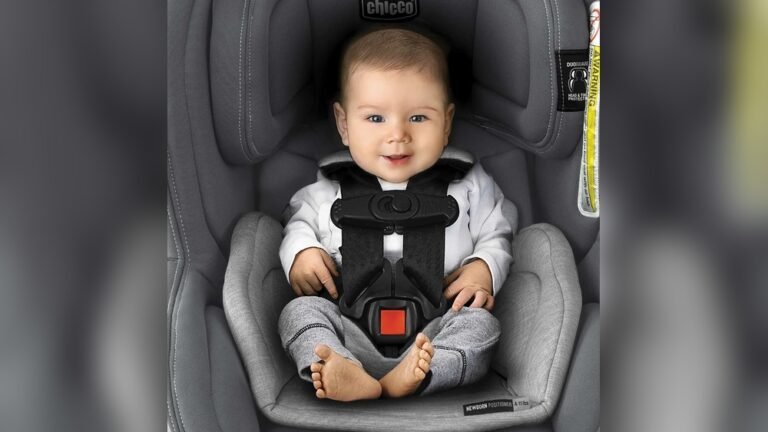
The harness system secures the child inside the car seat. Most convertible seats use a five-point harness. It has straps over the shoulders, hips, and between the legs. This design spreads crash forces across strong body parts. Adjustable harnesses ensure a snug, safe fit as your child grows.
Comfort Factors
Comfort matters a lot in a convertible car seat. It helps your child enjoy every ride, big or small. Parents want seats that keep kids happy and cozy. Comfort factors include padding, support, recline options, and fabric breathability. These aspects work together to create a safe, snug space for your child.
Padding And Support
Good padding cushions your child during the ride. It absorbs bumps on the road and adds softness. Look for seats with thick, high-quality foam. Support around the head and neck is key for safety and comfort. Some seats offer extra inserts for newborns. These features keep your child stable and comfy in every position.
Adjustable Recline Positions
Recline options let you change the seat angle. This helps your child sit up or lie back comfortably. Multiple recline settings suit different ages and moods. Newborns often need a more reclined position. Older kids prefer sitting upright for better views. Adjustable recline also helps the seat fit well in your car.
Breathable Fabrics
Breathable fabrics keep your child cool and dry. They let air flow through the seat’s cover. This reduces sweating and discomfort on hot days. Many seats use mesh or moisture-wicking materials. Soft, natural fabrics feel gentle on the skin. Easy-to-remove covers make cleaning simple and quick.
Ease Of Installation
Installing a convertible car seat can feel tricky. Ease of installation matters a lot for busy parents. A seat that installs quickly and correctly helps keep children safe. It also reduces stress during every trip. Let’s explore key factors that make installation easier.
Installation Methods
Convertible car seats use different ways to attach to vehicles. The two main methods are LATCH and seat belt installation. LATCH uses anchors built into the car. It often provides a simpler, tighter fit. Seat belt installation works in most cars and can be just as secure.
Some seats offer a click-tight system. This design helps lock the seat in place with one pull. Another method uses color-coded guides. These guides show exactly where to thread the belt. Clear instructions reduce mistakes and speed up the process.
Vehicle Compatibility
Not all car seats fit every vehicle easily. Some seats are bulky and take up too much space. Others are slim and fit well in small cars. Checking the seat’s size and shape against your vehicle is important. Many manufacturers provide fit guides online.
Seats with adjustable bases or removable parts often fit more cars. Also, some models allow the seat to recline in various positions. This helps secure the seat correctly on uneven car seats. Compatibility ensures safe installation every time.
User-friendly Design
Design features affect how easy a seat is to install. Seats with clear labels and simple buckles reduce confusion. Many models include built-in bubble levels to show proper angle. This helps avoid guesswork during installation.
Handles and grips on the seat frame make it easier to carry and position. Some seats have quick-release buttons to remove them fast. User-friendly designs save time and make installation less frustrating.
Size And Fit
Choosing the right convertible car seat means paying close attention to size and fit. Every car seat has different dimensions that affect how it fits in your vehicle. Proper size ensures your child rides safely and comfortably. It also makes installation easier and maximizes space in your car.
Rear-facing Dimensions
Rear-facing mode requires more space than forward-facing. Most convertible seats extend about 25 to 30 inches from the vehicle seat back. Height and width vary between models, affecting fit in smaller cars. Check the seat’s height to ensure it fits well without hitting the front seats.
Forward-facing Dimensions
Forward-facing seats usually take up less depth but need more height clearance. The seat base width ranges from 17 to 20 inches on average. Some seats offer slim profiles, allowing better fit side-by-side. Seat height can affect headroom, so measure your vehicle’s interior space before buying.
Suitability For Small Cars
Small cars need compact car seats with slim designs. Some convertible seats are specifically made for tight spaces. Look for models with narrow widths and adjustable features. Seats that install with lower anchors can save room. Testing the seat in your car before purchase is best to ensure a proper fit.

Credit: www.whattoexpect.com
Maintenance And Cleaning
Keeping a convertible car seat clean is important for safety and comfort. Parents want a seat that stays fresh despite spills and messes. Easy maintenance saves time and effort. Understanding how to clean and care for your car seat helps it last longer. The right features can make cleaning quick and simple.
Removable Covers
Removable covers allow easy cleaning without removing the whole seat. They come off quickly for washing. This feature helps reach every corner of the seat. Covers that unzip or snap off are user-friendly. It also keeps the seat frame dry and intact during cleaning.
Machine Washable Fabrics
Many car seats use fabrics that fit in the washing machine. Machine washable covers handle stains and dirt better. This saves parents from hand washing or spot cleaning. Always follow the manufacturer’s washing instructions. Gentle cycles and mild detergents protect the fabric and color.
Stain Resistance
Stain-resistant fabrics repel spills and dirt. They keep the car seat looking new longer. These fabrics reduce the need for frequent washing. Some come with special coatings that block liquids. Easy-to-clean surfaces improve daily maintenance and child comfort.
Convertible Vs All-in-one Seats
Choosing between a convertible car seat and an all-in-one seat can be confusing. Both options offer safety and comfort for your child. Understanding their main differences helps you pick the right seat. Let’s explore their design, use, and cost to guide your decision.
Differences In Design
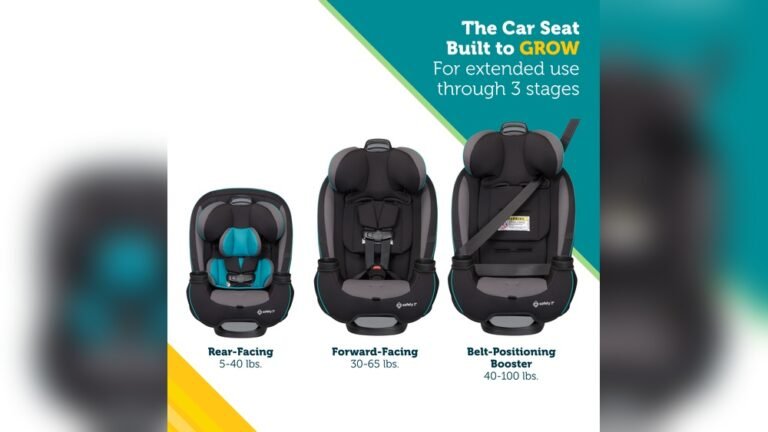
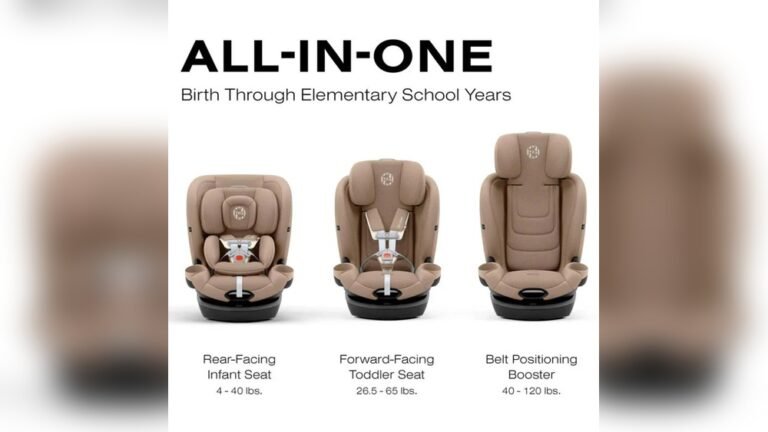
Convertible seats usually switch from rear-facing to forward-facing. They focus mainly on these two modes. All-in-one seats offer more flexibility. They include rear-facing, forward-facing, and booster modes. This design means all-in-one seats adapt as your child grows.
Longevity And Use
Convertible seats last through toddlerhood. They cover the age range of about one to four years. All-in-one seats last longer, from infancy to booster age. You can use them for many years without buying another seat. This makes all-in-one seats a practical choice for long-term use.
Cost Comparison
Convertible seats tend to cost less upfront. They serve two main stages, so the price is moderate. All-in-one seats usually have a higher initial price. Their multi-stage design adds value over time. Choosing all-in-one can save money by avoiding extra purchases later.
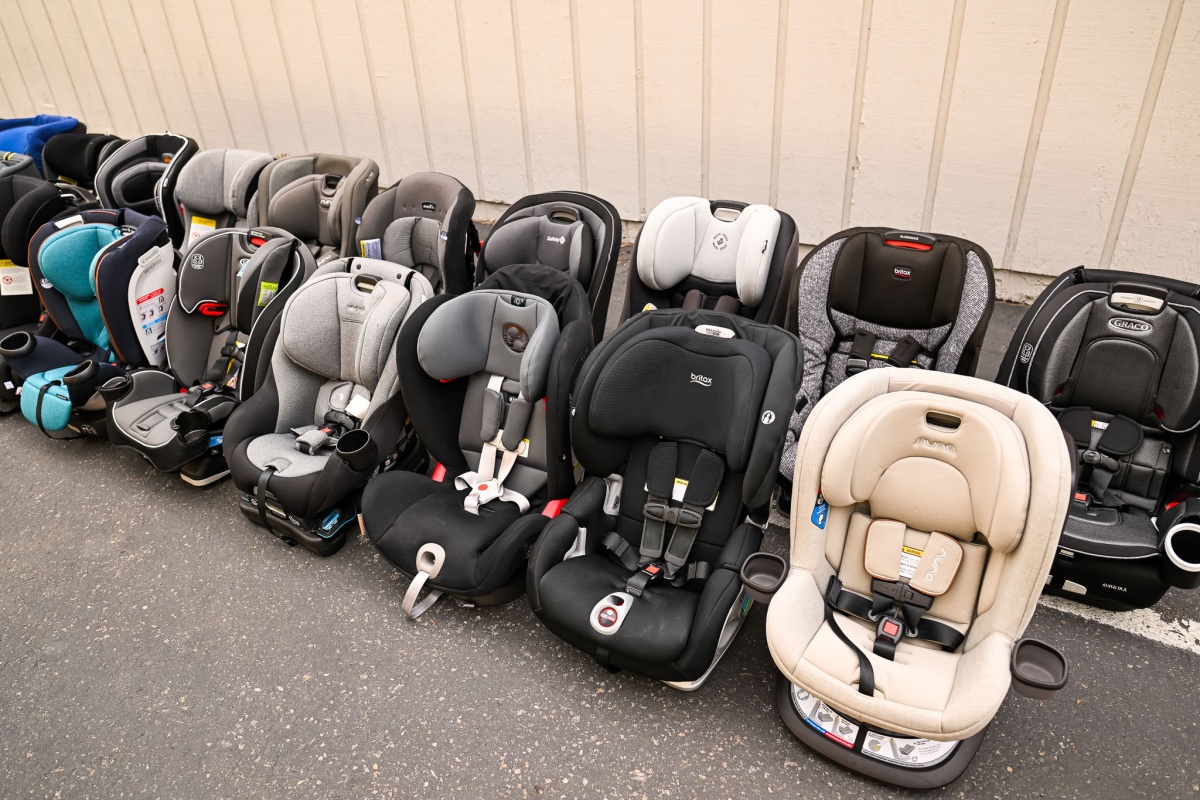
Credit: www.babygearlab.com
Rotating Convertible Seats
Rotating convertible car seats bring a new level of convenience for parents and caregivers. These seats swivel, allowing easy access to your child without struggling to reach or twist awkwardly. This feature helps with both securing your child and removing them from the seat.
Rotation can also make transitions from rear-facing to forward-facing simpler. The design saves time and effort, especially in tight spaces inside a vehicle. Rotating seats are becoming popular for their user-friendly approach and safety standards.
Advantages Of Rotation
Rotating seats reduce the strain on your back and shoulders. You can turn the seat towards the car door for easier access. This makes buckling and unbuckling faster and safer.
Switching between rear and forward-facing positions is smoother. The rotation feature helps maintain a correct harness fit. It also allows you to check on your child without leaving the driver’s seat.
Popular Rotating Models
Several brands offer reliable rotating convertible car seats. Some top models include the Nuna Revolve, Cybex Sirona, and Graco Turn2Me. These seats combine safety with easy rotation mechanisms.
They come with various features like adjustable headrests and multiple recline positions. Many models meet or exceed safety standards for both rear and forward-facing use.
Installation Considerations
Installing a rotating car seat requires careful attention. The base must be secured tightly to prevent movement. Follow the manufacturer’s instructions closely for the best fit.
Check that the rotation mechanism works smoothly after installation. Make sure the seat locks firmly in each position. Test the seat in your vehicle to ensure enough space for rotation.
Brand Comparisons
Choosing the right convertible car seat means understanding how different brands compare. Each brand offers unique features, safety standards, and designs. This section highlights key differences among popular brands. It helps parents pick the best fit for their child and car.
Britax Vs Graco
Britax seats focus on advanced safety technology. They often include steel frames and multiple layers of side impact protection. Installation is simple with their ClickTight system. Graco offers more budget-friendly options. Their seats are known for versatility and ease of use. Graco models usually have adjustable harnesses and removable covers for cleaning. Both brands have solid safety records and wide availability.
Nuna Vs Chicco
Nuna car seats stand out with premium materials and sleek design. They provide excellent comfort and safety features. Nuna seats tend to be lighter and easier to carry. Chicco seats are praised for user-friendly installation and good padding. Their products often include cup holders and recline options. Safety ratings for both brands are high, making either a reliable choice.
Other Trusted Brands
Other brands like Evenflo, Diono, and Clek also offer strong contenders. Evenflo focuses on affordability and innovative safety features. Diono seats are compact and fit well in small cars. Clek is known for eco-friendly materials and extended rear-facing options. These brands provide variety for different needs and budgets. Each has been tested for safety and comfort, ensuring dependable protection for children.
Buyer Tips
Buying a convertible car seat needs careful thought. Safety, comfort, and ease matter most. Follow these tips to choose the best seat for your child and car. Each point helps you focus on what really counts.
Choosing Based On Child’s Age And Size
Check the car seat’s weight and height limits. Rear-facing seats suit infants and toddlers. Forward-facing seats work for older kids. Pick a seat that grows with your child. This saves money and keeps your child safe longer.
Checking Vehicle Compatibility
Measure your car’s back seat space. Some seats fit better in small cars or SUVs. Look for seats with easy installation systems. Confirm the seat works with your car’s seat belts or LATCH system. A tight, secure fit is key to safety.
Reading User Reviews
Read reviews from parents who used the seat. Look for comments on comfort, ease of use, and durability. Reviews reveal real-life issues or benefits. Choose seats with mostly positive feedback. This helps avoid common problems.
Credit: thebluffsnc.com
Frequently Asked Questions
What Is A Convertible Car Seat?
A convertible car seat adapts for rear- and forward-facing use. It grows with your child from infancy to toddlerhood, offering extended usability and safety.
How To Choose The Best Convertible Car Seat?
Consider safety ratings, ease of installation, comfort, and size compatibility with your vehicle. Also, check features like adjustable harnesses and padding.
Are Convertible Car Seats Safer Than Infant Seats?
Convertible seats offer extended rear-facing use, which is safer for toddlers. Both types meet safety standards, but convertibles provide longer protection.
What Is The Weight Range For Convertible Car Seats?
Most convertible seats support children from 5 to 65 pounds. Always verify specific model limits to ensure proper fit and safety.
Conclusion
Choosing the right convertible car seat matters for your child’s safety. Consider size, ease of use, and comfort carefully. Each model offers unique features and benefits. Think about your car space and how long your child will use it. Check installation methods and weight limits before buying.
This helps ensure the best fit and protection. Take your time to compare options wisely. Your child’s safety deserves thoughtful decisions every time.