Full Comparison of Infant Car Seat: Ultimate Guide for Safety & Comfort
Choosing the right infant car seat is one of the most important decisions you’ll make for your baby’s safety and comfort. But with so many options available, how do you know which one fits your needs best?
You want a seat that’s safe, easy to use, and fits your lifestyle — whether you’re driving around town or traveling long distances. In this full comparison of infant car seats, you’ll discover clear, straightforward insights that help you cut through the confusion.
By the end, you’ll feel confident picking the perfect car seat that keeps your little one secure and happy every time you hit the road. Keep reading to find the best match for your family.
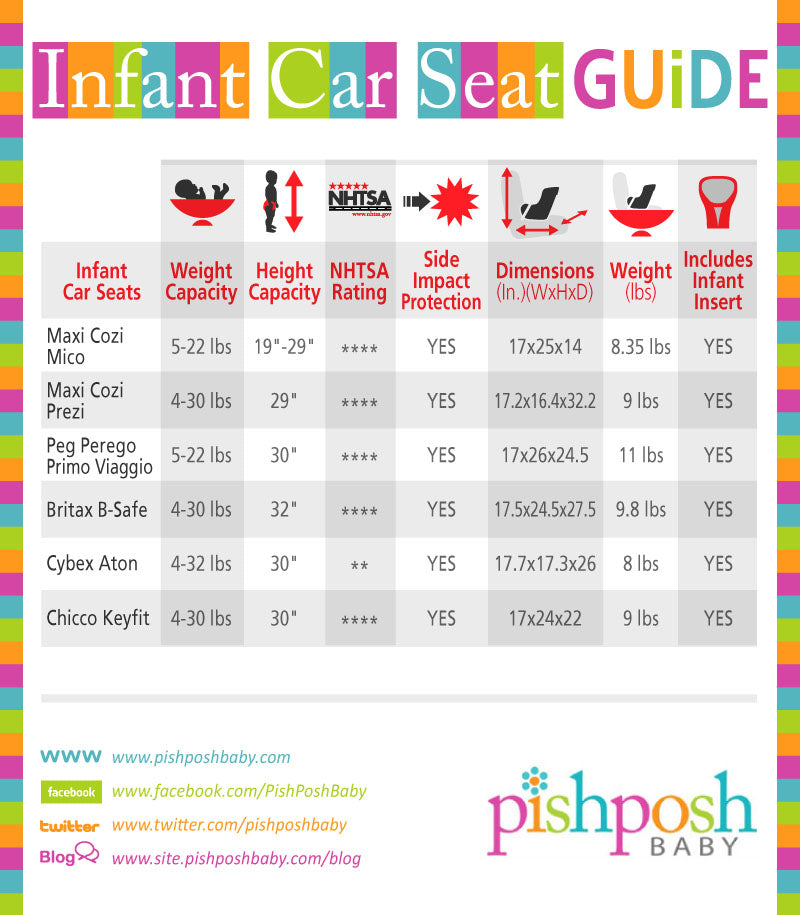
Credit: pishposhbaby.com
Key Safety Features
Choosing the right infant car seat means paying close attention to safety features. These features protect your baby during every ride. Understanding these features helps you pick the safest option. Let’s explore the key safety aspects in infant car seats.
Crash Test Ratings
Crash test ratings show how well a car seat protects your baby. Independent organizations test seats in different crash scenarios. Higher ratings mean better protection in accidents. Always check the latest crash test results before buying.
Side Impact Protection
Side impact protection cushions your baby’s head and body during side collisions. Many seats have extra padding and energy-absorbing materials. This feature reduces the risk of injury. Look for seats with strong side impact safety designs.
Harness Systems
The harness keeps your baby secure in the seat. Most infant car seats use a five-point harness. It has straps over the shoulders, hips, and between the legs. This design holds the baby firmly in place and spreads crash forces evenly.
Installation Ease
Proper installation is crucial for safety. Some seats offer easy-to-use features like LATCH connectors or clear indicators. A well-installed seat stays secure during travel. Choose a car seat that fits your vehicle and is simple to install correctly.
Comfort Factors
Comfort is a key factor when selecting an infant car seat. A comfortable seat keeps your baby calm and happy during travel. It also supports proper growth and reduces fussiness. Parents should focus on features that cushion, support, and protect their infant well.
Padding And Support
Soft padding cushions your baby’s body gently. Look for thick, plush foam that absorbs bumps. Well-designed support holds your infant’s back and bottom firmly. This prevents sliding and keeps your baby stable. Extra padding around the sides adds safety and comfort too.
Adjustable Recline
Recline options let you change the seat angle easily. Babies need different positions for sleep or play. A smooth recline helps find the perfect tilt for your infant’s comfort. It also helps maintain a safe, ergonomic posture. Check if the recline adjusts without hassle.
Breathable Materials
Breathable fabrics stop overheating and sweating. Mesh panels and cotton blends allow air to flow freely. This keeps your baby cool during warm weather. Soft, moisture-wicking materials prevent skin irritation. Choose seats made with natural, gentle textiles for sensitive skin.
Head And Neck Support
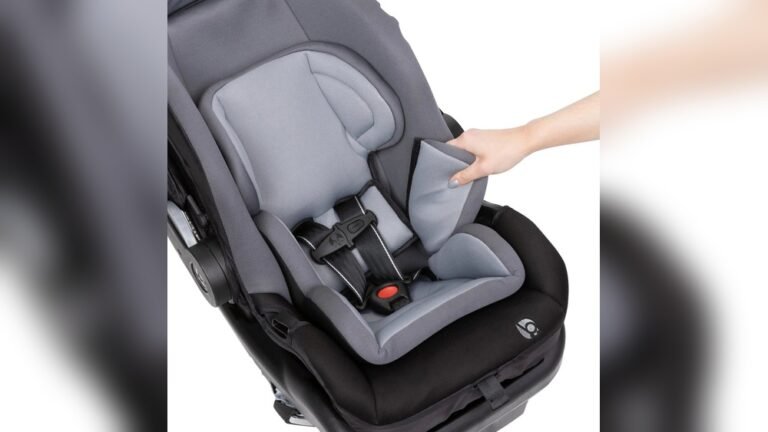
Proper head and neck support is crucial for newborns. Adjustable inserts and cushions cradle the head securely. This reduces strain and prevents uncomfortable movement. Look for seats with removable or customizable headrests. This ensures your baby’s delicate neck stays safe and comfortable.
Design And Portability
The design and portability of an infant car seat are crucial for parents on the move. A well-designed seat ensures safety and comfort for your baby. Portability makes travel easier and less stressful. This section breaks down key features that affect these aspects.
Weight Comparison
Infant car seats vary in weight, typically ranging from 7 to 14 pounds. Lighter seats are easier to carry but may lack extra padding or features. Heavier seats often provide more protection but can be hard to lift. Choose a weight that fits your daily needs and strength.
Handle And Carry Options
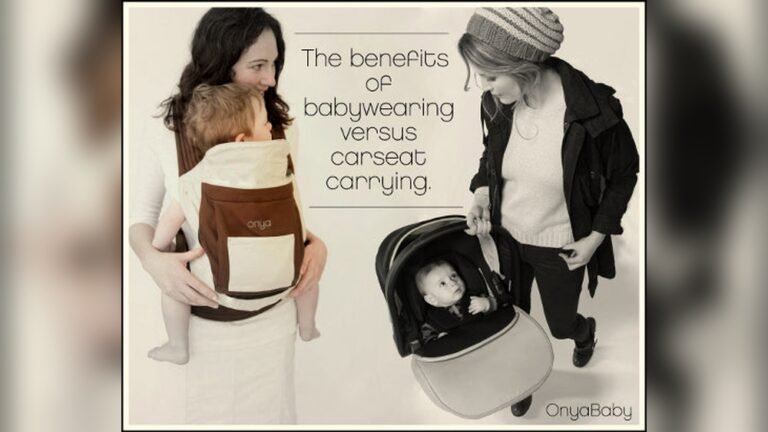
Look for seats with ergonomic handles that feel comfortable in your hand. Some models have adjustable handles that lock in multiple positions. Padded handles add comfort for long carries. Some seats include shoulder straps or carry bags for easier transport.
Compatibility With Strollers
Many infant car seats connect directly to strollers. This feature allows seamless travel from car to stroller without waking the baby. Check if the car seat fits your existing stroller or if adapters are needed. Compatibility saves time and effort during outings.
Storage And Space Needs
Consider the size of the car seat when stored at home or in your vehicle. Some seats fold or have removable parts to save space. Bulky seats may be harder to store in small cars or crowded homes. Choose a design that fits your storage options.
Price And Value
Choosing the right infant car seat means balancing price and value carefully. Parents want a safe, reliable seat without overspending. Prices vary widely, reflecting different features, materials, and brands.
Understanding what each price range offers helps you make a smart decision. Here, we break down infant car seats into budget, mid-range, and premium categories. We also cover warranty and customer service, which add value beyond the price tag.
Budget Options
Budget infant car seats cost less but still meet safety standards. These seats offer basic protection and simple installation. They often have fewer extra features but get the job done. Ideal for those needing a safe seat without many bells and whistles.
Mid-range Choices
Mid-range car seats balance price and features well. Expect better padding, easier installation, and more adjustability. Many include added convenience like removable covers and compatibility with strollers. These seats suit parents wanting comfort and safety without a high price.
Premium Features
Premium infant car seats cost more but provide top safety and comfort. They include advanced side-impact protection and superior materials. Features like adjustable bases, extra padding, and stylish designs are common. These seats appeal to families who want the best for their baby.
Warranty And Customer Service
Warranty length and quality customer service add value to any purchase. Look for seats with at least a two-year warranty. Brands offering easy claim processes and helpful support improve ownership experience. Good customer service can save time and stress in case of issues.
Top Brands And Models
Choosing the right infant car seat means understanding the top brands and models. Each brand offers unique features that suit different family needs. Safety, comfort, and ease of use remain key factors. This section breaks down leading brands for clear comparison. It helps parents decide with confidence.
Graco Infant Seats
Graco provides reliable and affordable infant car seats. Their seats often include easy installation features. Many models have adjustable bases for growing babies. Graco seats meet strict safety standards and offer good padding. Parents appreciate their balance of safety and budget-friendly options.
Chicco Options
Chicco car seats focus on comfort and safety. They offer a smooth ride with extra cushioning. Installation is simple thanks to their user-friendly design. Chicco models often include removable infant inserts for newborns. These seats are lightweight, making travel easier for parents.
Britax Selections
Britax is known for strong safety technology. Their infant seats include side impact protection and steel frames. Many models come with multiple recline positions. Britax seats provide extra support and stability. Families value their durable build and high safety ratings.
Nuna And Uppababy Highlights
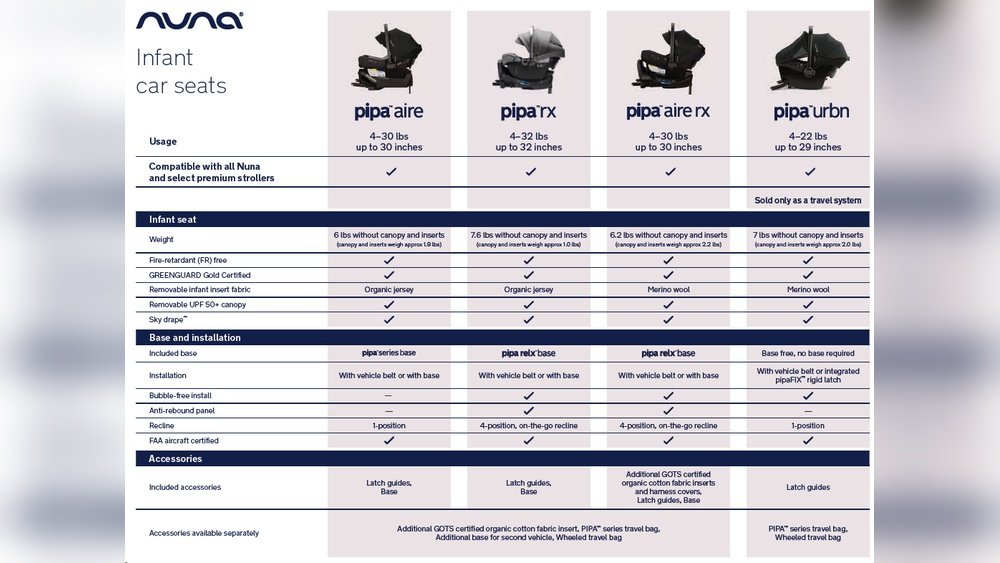
Nuna and UPPAbaby offer premium infant car seats. Nuna seats combine sleek design with advanced safety features. They often include breathable fabrics and ergonomic handles. UPPAbaby focuses on style and ease of use. Both brands provide excellent crash protection and comfort for babies.

Credit: www.arloren.com
Travel System Compatibility
Travel system compatibility is a key factor for parents choosing an infant car seat. It determines how well the seat works with strollers and other travel gear. A good travel system saves time and effort during outings. It makes moving your baby from car to stroller easier and safer. Below, we explore important points about travel system compatibility.
Stroller Integration
Check if the car seat fits with your stroller brand. Some brands design seats and strollers to work perfectly together. This ensures a secure fit and smooth ride for your baby. Stroller integration means less hassle switching between car and stroller. It also keeps your baby safe and comfortable on the go.
Adapter Availability
Adapters allow your car seat to connect to different stroller models. They add flexibility if you change strollers later. Look for car seats with easy-to-find adapters. This expands your travel options and protects your investment. Adapters should be simple to install and remove without tools.
Ease Of Transition
Moving your baby from car to stroller should be quick and smooth. The car seat must click in and out easily. Lightweight seats help reduce strain during transitions. Look for ergonomic handles and clear release buttons. An easy transition means less fuss and more time enjoying your day.
Installation Types
Choosing the right installation type for an infant car seat is crucial for safety and ease of use. Installation methods affect how securely the seat fits in your vehicle. Parents must understand the differences to ensure their baby’s protection. This section explains the main installation types for infant car seats.
Latch System
The LATCH system uses built-in anchors in your car. These anchors connect directly to the car seat. It often makes installation simpler and more secure. Many newer vehicles and car seats include LATCH. It reduces the chance of incorrect seatbelt threading. However, weight limits apply to LATCH, so check your car’s manual.
Seat Belt Installation
Seat belt installation uses your car’s existing seat belts to secure the car seat. This method works in almost every vehicle. It requires threading the seat belt through the car seat base or shell. Tightening the seat belt properly is critical for safety. Seat belt installation may take longer and needs careful attention.
Base Vs. Without Base
Some infant car seats come with a base that stays in the car. The seat clicks into the base easily and securely. This option allows quick removal and attachment of the seat. Other car seats do not use a base and install directly with the seat belt or LATCH. Without a base, the seat is more portable but can be harder to install correctly.
Credit: usasupport.nunababy.com
Maintenance And Cleaning
Keeping an infant car seat clean and well-maintained is vital for your child’s safety and comfort. Dirt, spills, and everyday messes can build up quickly. Regular care extends the seat’s life and keeps it looking fresh. Simple cleaning and maintenance steps help preserve the materials and ensure the seat functions properly.
Removable Covers
Many infant car seats come with removable covers. These covers make cleaning easy and quick. You can take them off and wash them without trouble. Check if the cover is machine washable or needs hand washing. Removable covers help keep the seat hygienic and reduce wear on the fabric.
Cleaning Instructions
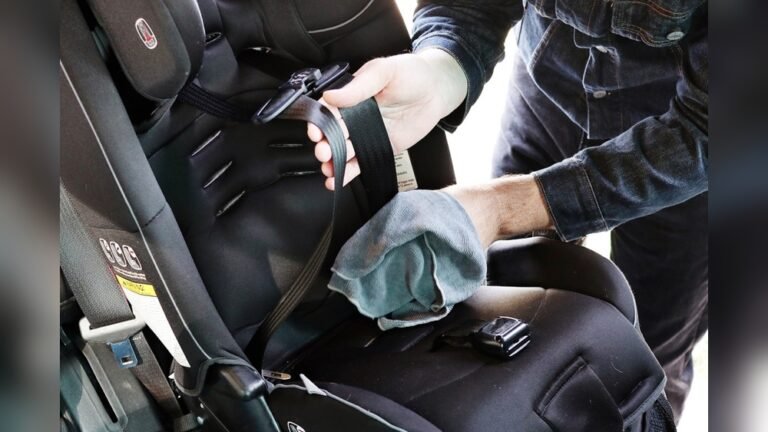
Always follow the manufacturer’s cleaning instructions. Use mild soap and warm water for spot cleaning. Avoid harsh chemicals that can damage the materials. Remove crumbs and dirt with a soft brush or vacuum. Clean straps with a damp cloth only. Do not soak or put straps in the washing machine.
Durability Of Materials
Durability matters for long-term use. Look for car seats made with strong, easy-to-clean fabrics. Materials should resist fading and wear from frequent washing. Sturdy plastic and metal parts ensure safety over time. Durable seats keep your baby secure and comfortable through daily use.
User Reviews And Ratings
User reviews and ratings offer valuable insight into infant car seats. Real experiences help identify the best choices. They reveal how seats perform in everyday use. This section explores parent feedback, expert opinions, and common complaints.
Parent Feedback
Parents share honest thoughts about infant car seats. They often mention comfort, ease of use, and safety. Many appreciate simple installation and lightweight design. Some praise adjustable straps and padding for newborns. Others note how easy cleaning can be. Positive feedback highlights reliability during daily drives. Parents also value seats that grow with their child.
Expert Opinions
Experts test infant car seats on safety and durability. They check crash protection and material quality. Many recommend seats with high safety ratings from trusted agencies. Experts also focus on how well seats fit different vehicles. They value clear instructions and user-friendly features. Reviews include long-term use and maintenance tips. Expert advice helps parents choose wisely and confidently.
Common Complaints
Some users report difficulties with seat installation. Bulky designs can make handling hard in small cars. A few mention uncomfortable harnesses or limited padding. Others find cleaning the fabric challenging. Some seats may not fit all stroller brands. Parents sometimes struggle with adjusting straps quickly. These issues guide improvements in new models.
Frequently Asked Questions
What Is The Safest Infant Car Seat Brand?
The safest infant car seat brands include Graco, Chicco, Britax, and Nuna. These brands consistently score high in crash tests and offer advanced safety features to protect your baby during travel.
How To Compare Infant Car Seats Effectively?
Compare infant car seats by checking safety ratings, ease of installation, weight limits, and comfort features. Look for features like side-impact protection, adjustable harness, and compatibility with strollers.
What Weight And Height Limits Should I Consider?
Infant car seats typically support babies from 4 to 35 pounds and up to 32 inches tall. Always follow manufacturer guidelines to ensure your baby fits safely and comfortably in the seat.
Are Lightweight Infant Car Seats Better For Travel?
Lightweight infant car seats are easier to carry and ideal for travel. However, full-feature seats often offer better safety and comfort features, so choose based on your specific needs.
Conclusion
Choosing the right infant car seat keeps your baby safe and comfortable. Comparing features helps find the best fit for your needs. Consider weight limits, ease of installation, and safety ratings carefully. Every family has different priorities and budgets. Take your time to review options before deciding.
Your child’s safety deserves thoughtful attention and care.