
How Long Does Booster Seat Last: Ultimate Guide for Safety & Durability
You want to keep your child safe every time they ride in the car. But have you ever wondered, how long does a booster seat actually last?
Knowing the answer is crucial—not just for your child’s comfort but for their safety too. Using a booster seat past its prime can put your little one at risk. You’ll discover the key facts about booster seat lifespan, when to replace it, and what signs to watch for.
Stick with us to make sure your child is always secured with the best protection possible.
Booster Seat Lifespan
Most booster seats have a typical expiration period of about 6 to 10 years. This period depends on the manufacturer’s guidelines and the materials used. Over time, the plastic and straps can weaken.
Factors affecting durability include exposure to sunlight, temperature changes, and wear from daily use. Seats left in hot cars often degrade faster. Also, frequent cleaning with harsh chemicals can reduce strength.
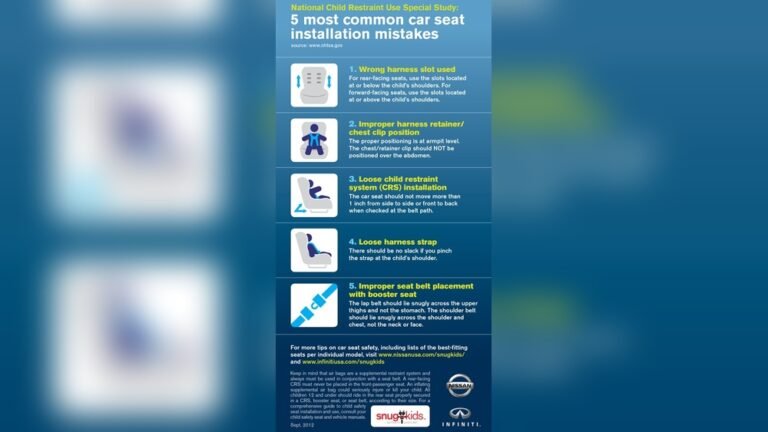
Signs to replace a booster seat are cracks in the plastic, frayed straps, or missing parts. If the seat has been in a car crash, it should be replaced immediately. Check the expiration label usually found on the seat’s bottom or side.

Credit: elfuslenis.lt
Safety Standards
Booster seats must meet strict safety standards to protect children in cars. Regulatory guidelines set rules for design, materials, and durability. These rules ensure the seat can handle crashes and keep kids safe.
Testing and certification are done by certified labs. Seats go through impact tests and checks for seat belt fit. Only seats that pass these tests get certified for use.
Using a booster seat past its expiration date reduces safety. Materials can weaken, and parts may break easily. Expired seats might not protect children well during accidents. Always check the seat’s expiration label before use.
Expiration Dates
Booster seats have expiration dates to keep children safe. The expiration label is usually found on the side or bottom of the seat. It shows the date of manufacture and how long the seat lasts, often 6 to 10 years.
Different brands set varied expiration periods. For example, some seats expire after 6 years, while others last 10 years. These timelines depend on the materials used and safety rules.
Booster seats expire because plastic parts weaken over time. Safety technology also changes, making old seats less effective. Using an expired seat can be dangerous in a crash.
Legal Requirements
State laws on booster seat use vary widely across the U.S. Most require children to use booster seats until they reach specific age, weight, or height limits. For example, many states say children must remain in boosters until they are at least 8 years old or weigh around 80 pounds. Height rules often require children to be at least 4 feet 9 inches tall before using a seat belt alone.
Penalties for not following booster seat laws include fines and sometimes court appearances. Some states offer voucher programs to help families buy proper car seats. Judges may dismiss charges if parents show proof of purchasing the correct seat.
| State | Age Limit | Weight Limit | Height Limit | Penalty |
|---|---|---|---|---|
| Alabama | Under 8 years | Up to 80 lbs | Under 4’9″ | Fines, possible dismissal with proof |
| Texas | Under 8 years | Up to 80 lbs | Under 4’9″ | Fines |
| California | Under 8 years | Up to 80 lbs | Under 4’9″ | Fines |
Choosing The Right Booster
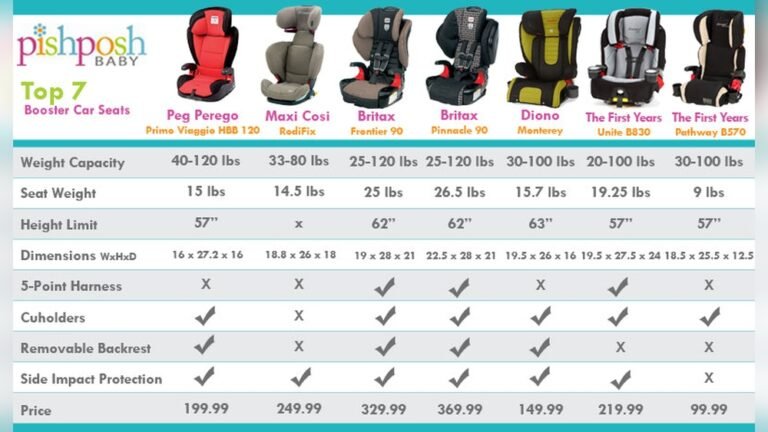
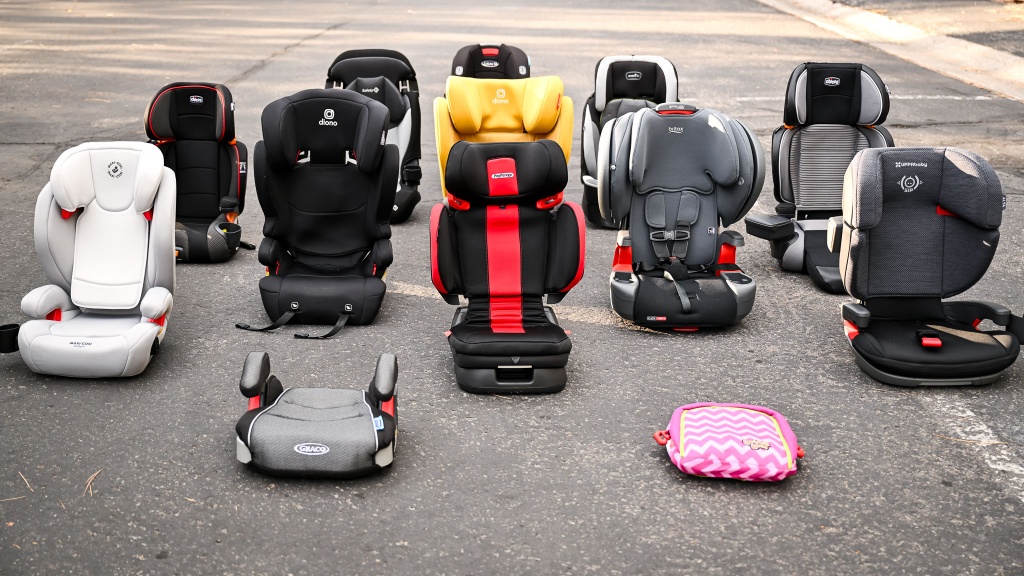
Booster seats come in two main types: high-back and backless. High-back boosters offer extra support and are great for cars without headrests. Backless boosters are smaller and easier to move between vehicles.
Choosing a booster seat depends on your child’s size and comfort. The seat should fit snugly and the seat belt must lay correctly across your child’s body. A well-fitted booster helps keep your child safe during travel.
Adjust the booster seat as your child grows. Raise the seat belt guides and headrest to match their height. Stop using the booster when your child fits the car’s seat belt properly without assistance.
Maintenance Tips
Keep the booster seat clean by wiping it with a damp cloth. Use mild soap if needed. Avoid harsh chemicals that can damage the seat materials. Let the seat dry completely before using it again.
Store the booster seat in a dry place away from direct sunlight. Sunlight can weaken the plastic and fabric over time. Avoid placing heavy objects on the booster seat to prevent deformation.
Check the seat for cracks or broken parts regularly. Do not use the booster if it is damaged. Follow the manufacturer’s instructions for proper care and maintenance to ensure safety.
When To Transition
Stop using the booster seat when your child fits well with the car’s seat belt. The lap belt should rest low on the upper thighs, not the belly. The shoulder belt must cross the middle of the chest, avoiding the neck. Your child’s knees should bend at the seat edge, with feet touching the floor.
Switching to a seat belt means your child meets these size rules. The booster seat is not needed anymore once the seat belt fits correctly. Always check the fit every time your child uses the car.
Proper seat belt fit is crucial for safety. The belt must lie flat and snug. If it rides up on the stomach or neck, keep using the booster. This helps protect your child in case of a crash.
Credit: www.babygearlab.com
Common Myths
Many think booster seats last forever, but they have expiration dates. These dates matter because materials can wear out or weaken over time. Some believe seats expire only if damaged, but age alone can make them unsafe.
Others say booster seats protect kids of all sizes, but that’s a misconception. Seats fit only specific weight and height limits. Using them beyond these limits lowers safety.
Rules say to stop using boosters when the seat belt fits properly. The belt should lie across the upper thighs and chest, not the belly or neck. Kids should sit with knees bent and feet flat.
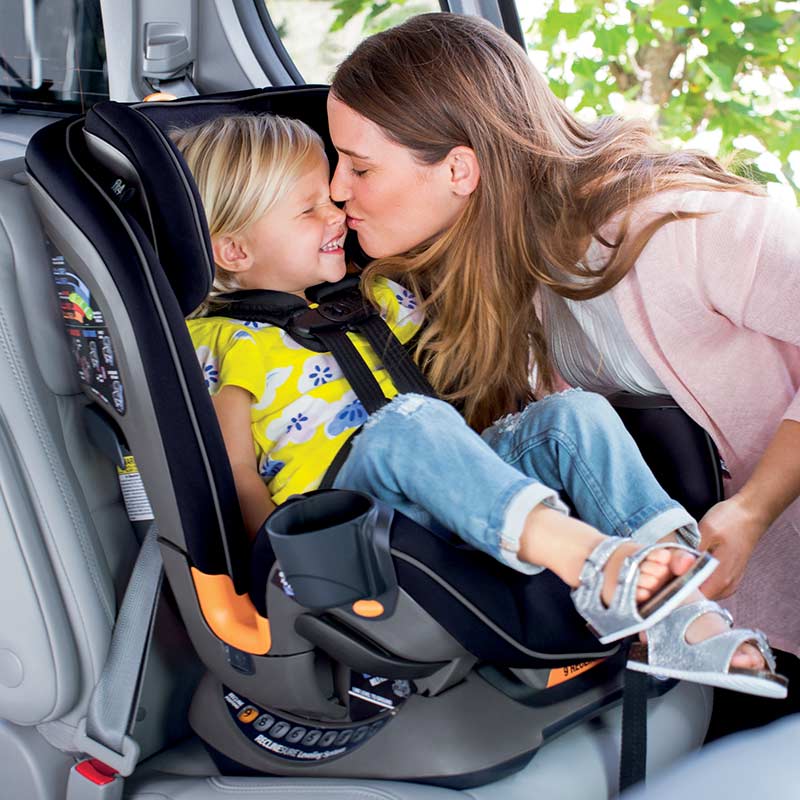
Credit: www.chiccousa.com
Frequently Asked Questions
Do Booster Seats Have An Expiration Date?
Yes, booster seats have expiration dates, typically 6 to 10 years from manufacture. This ensures safety and material integrity.
Does My 7 Year Old Still Need A Booster?
A 7-year-old often still needs a booster seat for proper seatbelt fit. Use it until the seatbelt fits correctly.
What Is The Alabama Law On Car Seats?
Alabama law requires children under age 6 or weighing less than 40 pounds to use a child safety seat. Booster seats are mandatory until kids fit seat belts properly. Violations may result in fines, but proof of proper car seat purchase can dismiss charges.
What Is The Ga Law For Booster Seats?
Georgia law requires children under 8 years or shorter than 4’9” to use booster seats. Booster seats must fit with both lap and shoulder belts correctly. Violations can lead to fines and license points.
Conclusion
Booster seats do not last forever. Check the expiration date on your seat. Most booster seats expire after six to ten years. Wear and tear reduce their safety over time. Always follow the manufacturer’s guidelines for use. Replace the booster seat if it shows damage.
Ensure your child fits properly before switching seats. Safety comes first when choosing a booster seat. Keep your child secure for every car trip.