How Long Does Convertible Car Seat Last: Ultimate Lifespan Guide
You want the best protection for your child every time you hit the road. But have you ever wondered, how long does a convertible car seat actually last?
Knowing when to replace your car seat isn’t just about following rules—it’s about keeping your child safe from harm. Using an expired seat can mean worn-out materials, outdated safety technology, and a higher risk during a crash. You’ll discover exactly how to find your car seat’s expiration date, why that date matters, and what key factors affect its lifespan.
By the end, you’ll feel confident that your child is riding in the safest seat possible. Keep reading to make sure your investment in safety never expires.

Credit: www.babylist.com
Car Seat Lifespan
Understanding the lifespan of a convertible car seat is key to keeping your child safe. Car seats do not last forever. Over time, their materials can weaken and safety features can become outdated. Knowing how long a car seat lasts helps you plan for a replacement before it becomes unsafe.
Typical Expiration Range
Most convertible car seats last between 6 and 10 years. This range depends on the brand and model. The expiration date is often printed on the seat or in the manual. Using a seat past its expiration can reduce protection in a crash.
Manufacturer Guidelines
Manufacturers provide clear instructions on seat lifespan. Always check the label for the date of manufacture. Follow the manual for exact expiration details. These guidelines ensure the seat meets safety standards during use.
Material Durability
Plastic shells can weaken over time due to heat and sunlight. Fabrics may fade or tear with long use. Internal parts like buckles and straps can wear out. These changes affect how well the seat protects your child.
Finding Expiration Dates
Finding the expiration date of a convertible car seat is essential for safety. Car seats do not last forever. Over time, materials wear out and safety features may fail. Knowing where to find the expiration date helps you avoid using an unsafe seat. It also ensures your child travels in the safest seat possible.
Locating Stickers And Labels
Most convertible car seats have a sticker or label with important dates. Check the back, side, or bottom of the seat. The sticker usually shows the date of manufacture and sometimes the expiration date. Some seats have the date embossed directly into the plastic shell. Look carefully for these details to find the information you need.
Date Of Manufacture Vs Expiration Date
The date of manufacture (DOM) is when the seat was made. This date is easy to find on the sticker or stamp. The expiration date is different. It tells you when the seat is no longer safe to use. Some labels list the expiration date directly. If it is not there, use the DOM and add the seat’s lifespan from the manual to find it.
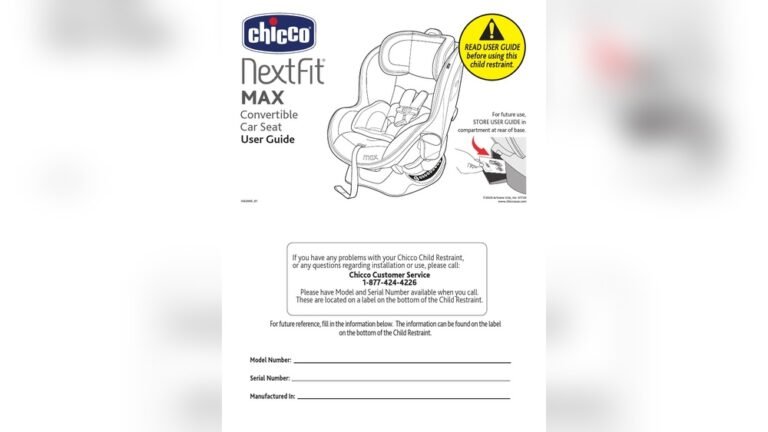
Using Owner’s Manual
The owner’s manual is a helpful resource. It lists the exact lifespan of your car seat model. Lifespans usually range from 6 to 12 years after the manufacture date. If you cannot find the expiration date on the seat, check the manual. Keep the manual safe or download a copy online for easy reference.
Factors Affecting Longevity
The lifespan of a convertible car seat depends on various factors beyond just the date printed on the label. Understanding these factors helps parents decide when to replace the seat to ensure safety. Some elements affect the seat’s durability and performance over time. These include environmental conditions, technological updates, and the type of seat itself.
Environmental Impact
Exposure to heat, sunlight, and moisture can weaken the car seat’s materials. Plastic parts may become brittle or crack. Fabrics can fade or lose strength. Extreme temperatures inside a car can speed up wear and tear. Keeping the seat away from direct sunlight helps maintain its condition longer.
Technological Advances
Car seat safety standards improve regularly. New models often include better features and designs. Older seats might lack important safety updates. Using a seat past its recommended lifespan means missing out on these improvements. Replacing the seat ensures the child benefits from the latest protection.
Seat Type Differences
Convertible car seats vary in design and materials. Some have metal frames, others use more plastic parts. The quality of materials affects how long the seat lasts. Seats with removable covers may last longer if the fabric is well cared for. Different models also have unique expiration times set by manufacturers.
Credit: www.chiccousa.com
Risks Of Using Expired Seats
Using an expired convertible car seat can put your child at risk. Car seats are designed to protect children in crashes. Over time, their ability to keep children safe decreases. Expired seats may no longer meet safety standards. The materials can weaken and fail during impact. Understanding the risks helps you keep your child safe on every ride.
Safety Performance Decline
Car seats lose their crash protection over time. The plastic shell can become brittle and crack. Straps and buckles may weaken or break easily. Expired seats might not absorb impact well. This reduces their ability to protect your child. Using a seat past its expiration date is dangerous.
Regulation Changes
Safety rules for car seats improve regularly. Older seats may not meet new safety requirements. They might lack important features like better side impact protection. Using an expired seat means missing out on these updates. Newer models offer stronger protection in crashes.
Material Degradation
Heat, sunlight, and humidity damage car seat materials. Plastic parts can weaken without visible signs. Foam padding may break down and lose cushioning. Straps can fray or lose strength. These changes reduce the seat’s effectiveness. Material degradation increases the risk of injury.
Second-hand Car Seats
Buying second-hand convertible car seats can save money. Many parents consider this option to reduce costs. Yet, safety and usability must come first. Used seats may have hidden damage or expired parts. Understanding the risks helps make a smart choice.
Safety Concerns
Used car seats might have unseen damage. Cracks, worn straps, or missing parts reduce safety. Past accidents can weaken the seat’s structure. Expired seats lose strength over time. Using a damaged or expired seat puts children at risk. Always prioritize safety over cost.
Checking History And Condition
Ask the seller for the seat’s history. Find out if it was ever in a crash. Check for recalls on the model. Inspect the seat carefully for cracks or tears. Look for the expiration date on the label. Confirm all parts and instructions are included. Cleanliness is also important for hygiene.
Manufacturer Recommendations
Manufacturers usually advise against buying used seats. They cannot guarantee safety if the seat is second-hand. Many seats expire after 6 to 10 years. Check the manual or website for exact lifespan. Follow these guidelines to keep your child safe. Always use seats as directed by the maker.

Credit: safety1st.com
Maximizing Seat Lifespan
Maximizing the lifespan of a convertible car seat helps ensure safety and saves money. Proper care keeps the seat in good shape for years. Small efforts daily make a big difference. Follow simple steps to extend your seat’s usability without compromising safety.
Proper Maintenance
Clean the seat regularly using mild soap and water. Avoid harsh chemicals that can damage the fabric and plastic. Wipe spills immediately to prevent stains and odors. Check straps and buckles for dirt and debris. Keeping these parts clean helps them work correctly and last longer.
Storage Tips
Store the seat in a cool, dry place when not in use. Avoid exposure to direct sunlight, which can weaken plastic parts. Keep it away from extreme temperatures to prevent material damage. Use a protective cover to shield the seat from dust and moisture. Proper storage keeps the seat ready for safe use anytime.
Regular Inspections
Check the car seat often for signs of wear or damage. Look for cracks, broken parts, or loose stitching. Test the harness and buckles to ensure they fasten securely. Inspect the label for expiration dates and manufacturing details. Regular checks catch problems early and help maintain safety standards.
When To Replace Your Seat
Knowing when to replace your convertible car seat keeps your child safe. Car seats do not last forever. Over time, their materials weaken and safety features may fail. Always check your seat regularly. Watch for signs that it’s time to get a new one. Below are key moments to replace your seat.
After An Accident
Replace your convertible car seat immediately after a crash. Even a minor accident can damage its structure. Damage might not be visible but can weaken the seat. A compromised seat will not protect your child properly.
Visible Damage Signs
Look for cracks, broken parts, or loose components. Check the harness and buckles for wear or tear. Faded or frayed straps reduce safety. Any damage means the seat should be replaced right away.
Expiration Date Approaching
Car seats have an expiration date set by the manufacturer. This date usually ranges from eight to twelve years. Find the date on a sticker or molded into the plastic shell. Do not use the seat past this date. Expired seats may fail in a crash.
Frequently Asked Questions
How Long Do Convertible Car Seats Last?
Convertible car seats last between 8 to 12 years from the date of manufacture. Check the seat’s label or manual for exact expiration. Expired seats may lose safety effectiveness due to material wear and updated safety standards. Always follow manufacturer guidelines for safe use.
How Long Does A Graco Convertible Car Seat Last?
A Graco convertible car seat typically lasts 6 to 10 years from its manufacture date. Check the label or manual for exact expiration. Replace it after expiration for safety.
Can I Still Use A Car Seat From 2017?
A car seat from 2017 may be expired, as most last 8 to 12 years. Check the seat’s label and manual for exact expiration. Use only unexpired car seats to ensure maximum safety and compliance with current standards.
How To Tell If A Car Seat Is Expired?
Check the car seat’s label or shell for a manufacture date and expiration date. Consult the user manual for lifespan details. Expiration usually occurs 8-12 years after manufacture. Expired seats may lose safety effectiveness and no longer meet current standards.
Replace expired seats promptly for child safety.
Conclusion
Convertible car seats usually last between eight to twelve years. Check the seat’s label or manual for the exact expiration date. Over time, materials weaken and safety features may become outdated. Using an expired seat can put your child at risk during a crash.
Always replace the car seat once it reaches its limit. Staying informed helps keep your child safe on every ride. Remember, safety is the top priority when choosing a car seat.