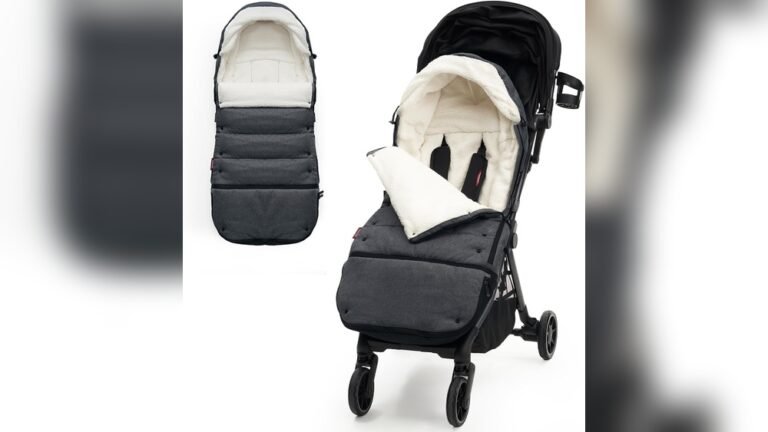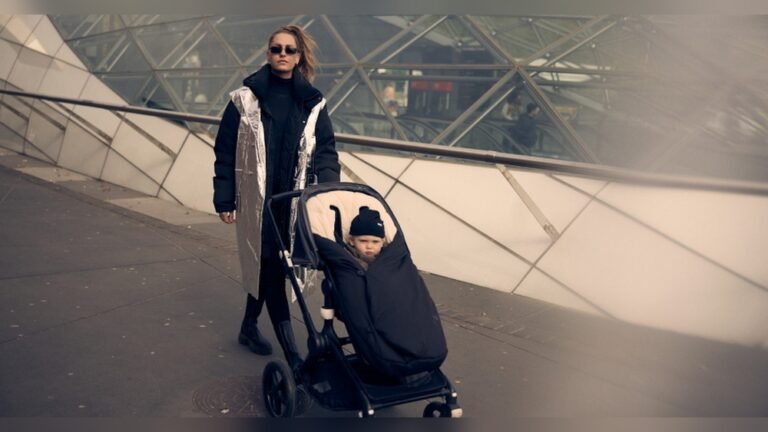
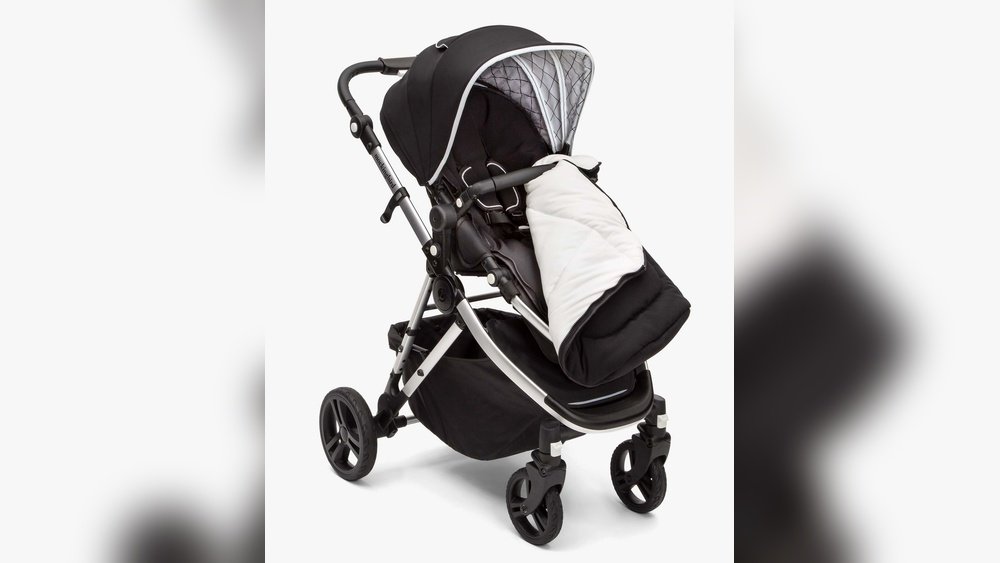
How Long Does Stroller Footmuff Last: Ultimate Durability Guide
You’ve invested in a stroller footmuff to keep your little one cozy during chilly walks. But how long can you really expect it to last?
Whether you’re wondering if it can get through just one winter or multiple seasons, knowing the lifespan of a footmuff helps you plan your purchases smarter and ensures your baby stays warm without interruptions. You’ll discover the key factors that affect how long a stroller footmuff lasts, from material quality to how you care for it.
Keep reading to make the most of your investment and keep your child comfortable on every stroll.
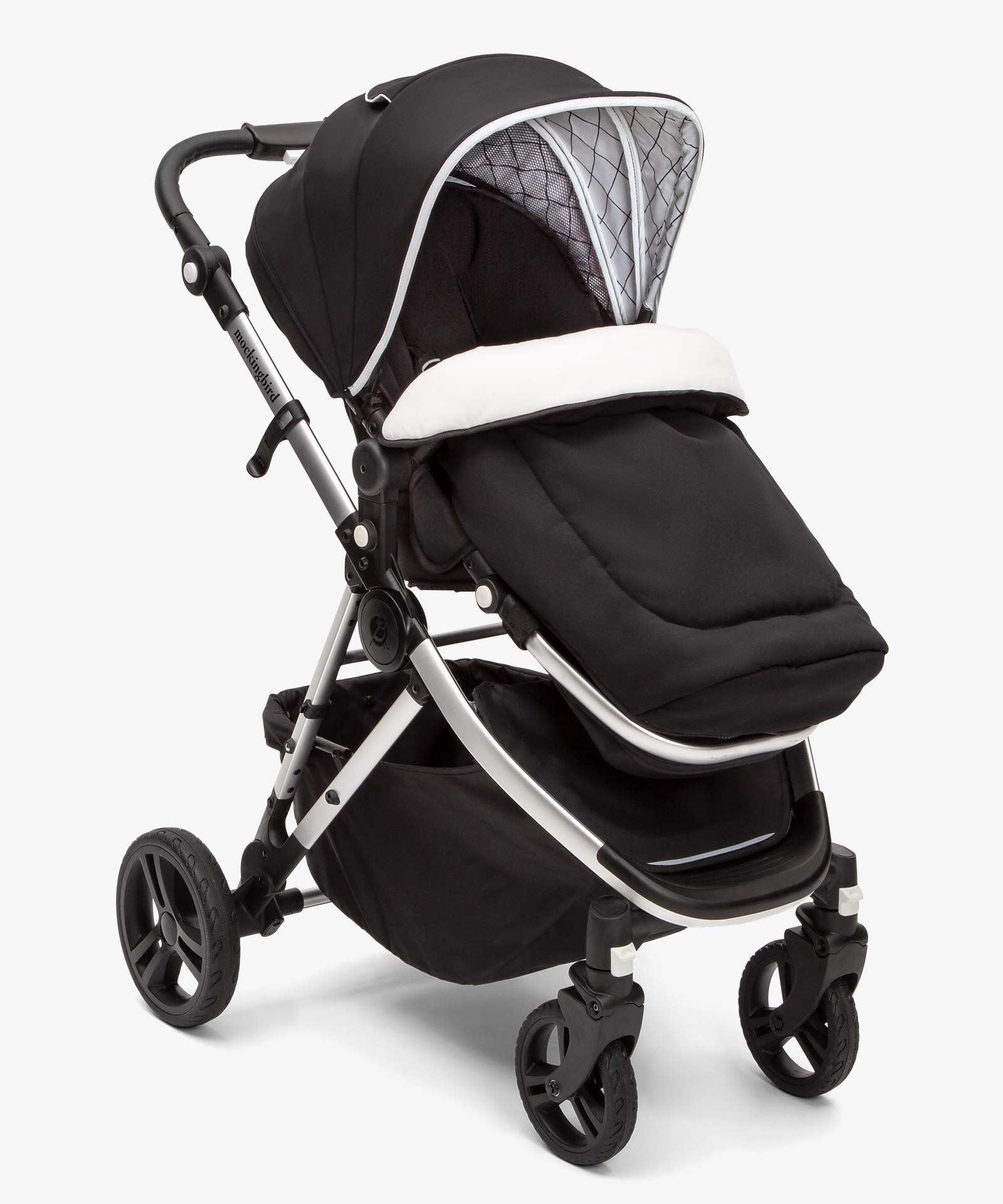
Credit: hellomockingbird.com
Footmuff Lifespan
The lifespan of a stroller footmuff depends on several factors. These include the quality of materials, frequency of use, and how well it is cared for. A footmuff protects your child from cold weather and keeps them comfortable during strolls. Understanding how long it typically lasts helps you plan your purchases and care routines.
Typical Duration
Most stroller footmuffs last between one to three years. High-quality footmuffs with durable fabrics can last longer. Regular washing and gentle handling help maintain their shape and warmth. Exposure to harsh weather may reduce their lifespan. Signs of wear include thinning fabric and broken zippers.
Usage Period By Age
Footmuffs suit babies from newborn to toddler stages. Newborns benefit most as they cannot regulate body temperature well. Toddlers may outgrow footmuffs by age two or three. As children start walking more, footmuffs become less practical. Parents often stop using them when the child prefers moving freely.
When To Start And Stop
Knowing when to start and stop using a stroller footmuff helps keep your child comfortable and safe. A footmuff offers warmth and protection during cold weather. Using it at the right time ensures your baby stays cozy without overheating. Stopping use at the right moment helps your child move freely as they grow.
Ideal Starting Time
Begin using a footmuff when outdoor temperatures drop below 50°F (10°C). Newborns and young babies feel cold quickly. A footmuff provides extra warmth without needing bulky clothes. It fits snugly in the stroller, keeping your baby protected from wind and rain. Always check your baby’s comfort and adjust clothing layers inside the footmuff.
Signs To Discontinue Use
Stop using the footmuff when your child shows signs of overheating. Sweating or flushed cheeks mean your baby may be too warm. Also, stop when your child grows too tall or heavy for the footmuff. It should not restrict movement or cause discomfort. Once your child can walk steadily and prefers more freedom, it is time to move on from the footmuff.
Durability Factors
The lifespan of a stroller footmuff depends on several key durability factors. These factors influence how well the footmuff holds up over time. Understanding them helps you choose a footmuff that lasts longer and stays functional.
Durability means the footmuff can endure daily use and different weather conditions. It should keep your child warm and comfortable without wearing out quickly. The following sections explain the main factors affecting durability.
Material Quality
High-quality materials improve the footmuff’s lifespan. Durable fabrics resist tears and stains better. Soft linings keep their warmth and feel over time. Check for strong stitching and reliable zippers. These details prevent damage and extend use. Low-quality materials wear out fast and lose insulation.
Weather Resistance
A good footmuff protects against rain, wind, and cold. Water-resistant or waterproof outer layers keep moisture out. Windproof fabrics block chilly air. This protection prevents the footmuff from getting soaked or damaged. Weather resistance also helps maintain warmth inside. Footmuffs without it may wear down quickly under harsh conditions.
Frequency Of Use
How often you use the footmuff affects its durability. Daily use leads to faster wear and tear. Occasional use means it lasts longer. Frequent washing can also reduce material strength. Gentle care and cleaning help preserve the footmuff. Consider your lifestyle to pick the right footmuff for your needs.
Care Tips
Proper care keeps a stroller footmuff in good shape for many seasons. Taking simple steps helps maintain its warmth, comfort, and appearance. Cleanliness and correct storage protect the materials and fabric. Small efforts go a long way in extending the life of your footmuff.
Cleaning Methods
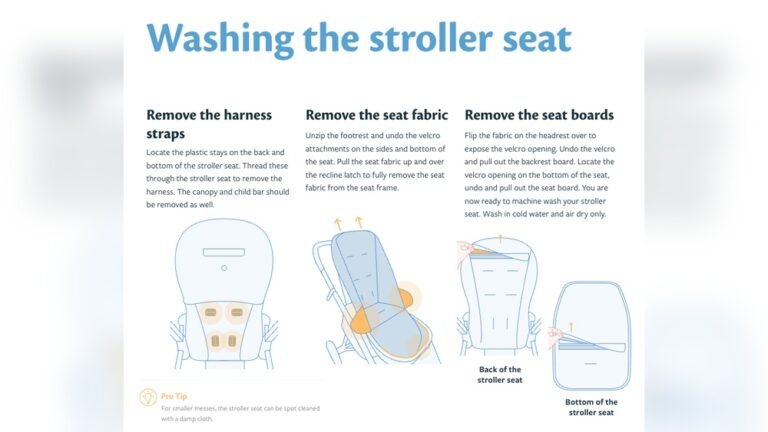
Check the care label before cleaning your footmuff. Most footmuffs can be machine washed on a gentle cycle. Use mild detergent and cold water to avoid damage. Avoid bleach or harsh chemicals that weaken fabric fibers. Air dry the footmuff flat or hang it up; do not use high heat. Spot clean stains quickly with a damp cloth and mild soap. Regular cleaning prevents dirt buildup and keeps the footmuff fresh for your child.
Storage Advice
Store the footmuff in a dry, cool place during warmer months. Avoid folding it tightly to prevent creases and damage. Use a breathable storage bag or cotton pillowcase to protect from dust. Keep it away from direct sunlight to prevent fading. Check for any moisture before storing to avoid mold or mildew. Proper storage preserves the fabric and insulation quality for the next use.
Maintaining Warmth And Fit
Ensure the footmuff fits your stroller snugly but not too tight. Adjust straps or fasteners regularly to keep it secure. Fluff the inner lining often to maintain insulation and warmth. Avoid overloading the footmuff with extra blankets that could compress the padding. Check zippers and closures for smooth operation and repair if needed. A well-maintained fit and insulation keep your child cozy on chilly days.
Comparing Brands
Choosing the right stroller footmuff depends on brand quality and durability. Different brands offer various materials and designs. These factors affect how long a footmuff will last. Comparing brands helps you find the best balance between price and longevity.
High-end Vs Budget
High-end footmuffs use premium fabrics and insulation. These materials resist wear and tear better. They keep babies warmer for longer periods. Budget footmuffs often use simpler materials. They may not hold up as well with heavy use. High-end models usually last several seasons. Budget models might wear out after one or two seasons.
Popular Models Longevity
Some popular footmuff models are known for durability. Brands like 7 A.M. Enfant and Skip Hop offer strong, long-lasting options. These models often feature water-resistant and easy-to-clean fabrics. Cheaper models may lack these features. User reviews often highlight how long each model lasts. Choosing popular models can ensure better value over time.
Common Wear Issues
Stroller footmuffs face regular use and exposure to different weather conditions. These factors cause common wear issues that affect their lifespan. Understanding these issues helps in choosing and maintaining your footmuff better.
Fabric Wear And Tear
Fabric is the first part to show signs of wear. Constant rubbing and folding cause thinning and holes. Dirt and spills also weaken the material over time. Poor fabric quality speeds up this damage. Regular cleaning helps but cannot prevent all wear.
Zipper And Fastener Problems
Zippers and fasteners get frequent use and face strain. They may jam, break, or lose grip after many uses. Dirt and moisture can cause rust or stiffness. Faulty zippers make the footmuff harder to use. Gentle handling and cleaning extend their life.
Insulation Breakdown
Insulation keeps the baby warm inside the footmuff. Over time, the padding can become flat or clumpy. Moisture and washing reduce its effectiveness. Loss of insulation means less warmth and comfort. Choosing quality insulation improves durability.
Extending Footmuff Life
Extending the life of your stroller footmuff helps save money and keeps your baby comfortable. Footmuffs face daily use, dirt, and weather. Proper care ensures they remain soft, warm, and functional longer.
Simple habits and adjustments protect the footmuff from wear and tear. This section guides you on how to handle your footmuff wisely to stretch its usability across seasons.
Proper Use Practices
Always follow the manufacturer’s instructions for using the footmuff. Avoid pulling or stretching it forcefully. Clean stains promptly with gentle soap and cold water. Let it air dry completely before storing or using again.
Store the footmuff in a dry, cool place away from direct sunlight. This prevents fabric fading and material breakdown. Use a protective cover if possible to guard against dust and pests. Check zippers and seams regularly for damage and fix small issues early.
Seasonal Adjustments
Adapt your footmuff based on the season to reduce stress on the fabric. In cold months, use the full padding for warmth. During milder weather, unzip or remove layers to avoid overheating.
Store the footmuff separately in warm seasons to prevent moisture buildup. Consider using a lighter footmuff or blanket in spring and fall. Rotating between footmuffs can help each one last longer by reducing constant use.
Footmuffs And Stroller Compatibility
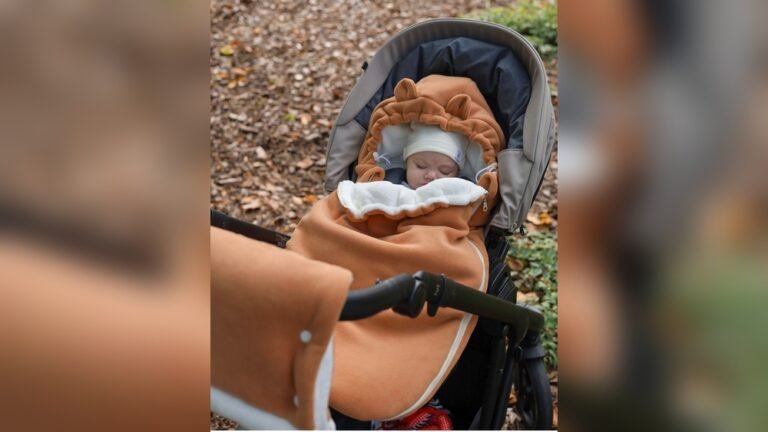
Footmuffs enhance stroller comfort by keeping your child warm and cozy. Their compatibility with strollers is key to lasting use. Choosing a footmuff that fits well ensures safety and ease during outings. A good fit prevents cold air from sneaking in and keeps your baby snug.
Many footmuffs work with different stroller models. Understanding how they fit helps you pick the right one. Compatibility depends on stroller design and footmuff features. This section explains how footmuffs fit various strollers and their adjustable elements.
Fitting Different Stroller Types
Footmuffs come in shapes that suit many strollers. Some fit standard models, while others work with jogging or umbrella strollers. Check the footmuff size against the stroller seat dimensions. Straps and openings should align with stroller harness points for safety. A snug fit keeps the footmuff stable during movement.
Universal footmuffs offer flexibility but verify measurements before buying. Some brands design footmuffs specifically for popular stroller models. This design ensures better fit and comfort. Always test the footmuff on your stroller before extended use.
Adjustable Features
Adjustable footmuffs adapt to your child’s growth and stroller changes. Features like zippered sides and drawstrings help customize the fit. These allow easy entry and exit without fuss. Adjustable straps secure the footmuff tightly to the stroller frame.
Some footmuffs have removable liners for different weather conditions. Others allow expansion for larger children. These features extend the footmuff’s useful life. Choose footmuffs with simple adjustments for quick changes on the go.
When To Replace
Knowing when to replace a stroller footmuff helps keep your child safe and cozy. Footmuffs face wear from daily use and weather. Over time, their quality changes and they might not protect your child well. Watch for signs that show it is time to get a new one.
Safety Concerns
Safety is the top reason to replace a footmuff. Look for tears or broken zippers that could expose your child to cold. Worn straps or loose parts may cause the footmuff to slip or fall off. If the footmuff no longer fits the stroller properly, it might be unsafe. Replace it to avoid accidents and keep your child secure.
Comfort Decline
Comfort matters for your child’s happiness during rides. Over time, padding can compress and lose its warmth. The fabric might feel rough or less soft against your child’s skin. If your child seems uncomfortable or fussy in the footmuff, it is a sign to replace it. A fresh footmuff restores warmth and snugness.
Visual Damage
Visual damage signals the footmuff’s age and condition. Faded colors, stains, and holes all show wear. These signs mean the footmuff has lost its protective qualities. Even small holes can let cold air in. A footmuff with visible damage should be replaced to maintain good insulation and look tidy.

Credit: yourpghlawyer.com

Credit: www.amazon.com
Frequently Asked Questions
How Long Does A Footmuff Last?
A footmuff typically lasts from newborn up to around three years old. Quality and care affect its lifespan.
When To Stop Using Footmuff?
Stop using a footmuff when your child can walk steadily and no longer needs extra warmth or containment during stroller rides.
Are Footmuffs Worth It?
Footmuffs keep babies warm and comfortable in strollers, reducing bulky clothing. They simplify outings and last up to three years.
What Is The Lifespan Of A Stroller?
A stroller typically lasts 3 to 5 years, depending on quality, maintenance, and child’s growth. High-quality models may last longer.
Conclusion
A stroller footmuff can last several seasons with proper care. Quality materials and careful cleaning help maintain its warmth and shape. Babies grow fast, so expect to use it mainly during infancy and toddler years. Always check for wear and replace if it no longer fits well or keeps your child cozy.
Choosing a durable footmuff ensures comfort on many walks. Regular maintenance extends its life and saves you money. Keep an eye on your child’s needs as they grow. A well-kept footmuff makes outings easier and more comfortable for everyone.