How to Choose the Right Baby Stroller: Ultimate Parent’s Guide
Choosing the right baby stroller can feel overwhelming with so many options out there. But you don’t have to get lost in the choices or worry about making the wrong pick.
Imagine having a stroller that fits your lifestyle perfectly, keeps your baby safe and comfortable, and makes every outing easier. In this guide, you’ll discover simple tips and key factors to consider so you can confidently choose a stroller that works for you and your little one.
Ready to find the stroller that feels just right? Let’s dive in.

Credit: orbitbaby.com
Key Factors To Consider
Choosing the right baby stroller requires careful thought. Several key factors affect your decision. These factors ensure comfort, safety, and convenience for both you and your child. Keep these points in mind to pick a stroller that fits your needs perfectly.
Child’s Age And Weight
Select a stroller designed for your child’s current age and weight. Newborns need strollers with full recline and strong head support. Toddlers require more upright seats and higher weight limits. Check the manufacturer’s recommendations carefully. This ensures your child rides safely and comfortably.
Lifestyle And Usage
Consider how often and where you will use the stroller. For city living, lightweight and maneuverable strollers work best. For rough terrain or jogging, choose strollers with sturdy wheels and suspension. Think about your daily routines and travel habits. This helps you find a stroller that fits your lifestyle.
Storage And Portability
Evaluate the stroller’s size when folded. A compact, easy-to-fold stroller saves space at home and in the car. Check if you can fold it with one hand for quick use. Portability matters if you travel or use public transport often. Choose a stroller that fits your storage and travel needs.
Safety Features
Safety is the top priority for every stroller. Look for secure harness systems, usually five-point harnesses. Test the brakes to ensure they lock firmly and release easily. A sturdy frame and reliable wheels improve stability. Reflective elements increase visibility in low light. Confirm the stroller meets safety standards.
Budget And Durability
Set a budget that balances quality and cost. Durable materials and strong construction extend the stroller’s life. Cheaper strollers may save money but might not last long. Investing in a good stroller means fewer replacements. Choose a stroller that offers value and meets your financial plan.
Credit: www.doona.com
Types Of Baby Strollers
Choosing the right baby stroller starts with understanding the different types available. Each stroller type serves a unique purpose. Your daily routine and lifestyle influence which stroller fits best. Learn about the main stroller options to find the perfect match for your family.
Standard Strollers
Standard strollers offer a solid balance of comfort and features. They often include a reclining seat and a storage basket. These strollers suit most everyday needs and provide good support for babies. They tend to be sturdy but can be heavier than other types.
Lightweight And Umbrella Strollers
Lightweight strollers are easy to carry and fold. Umbrella strollers are a popular type of lightweight stroller. Both are perfect for quick trips and travel. They do not have as many features but are very convenient for parents on the go.
Jogging Strollers
Jogging strollers have bigger wheels and strong suspension. They provide a smooth ride on uneven paths and rough terrain. These strollers are designed for parents who enjoy running or jogging. Safety features like hand brakes and wrist straps are common.
Double Strollers
Double strollers are designed for two children at once. They come in side-by-side or tandem designs. These strollers help parents manage twins or siblings close in age. They tend to be larger and need more storage space.
Travel Systems
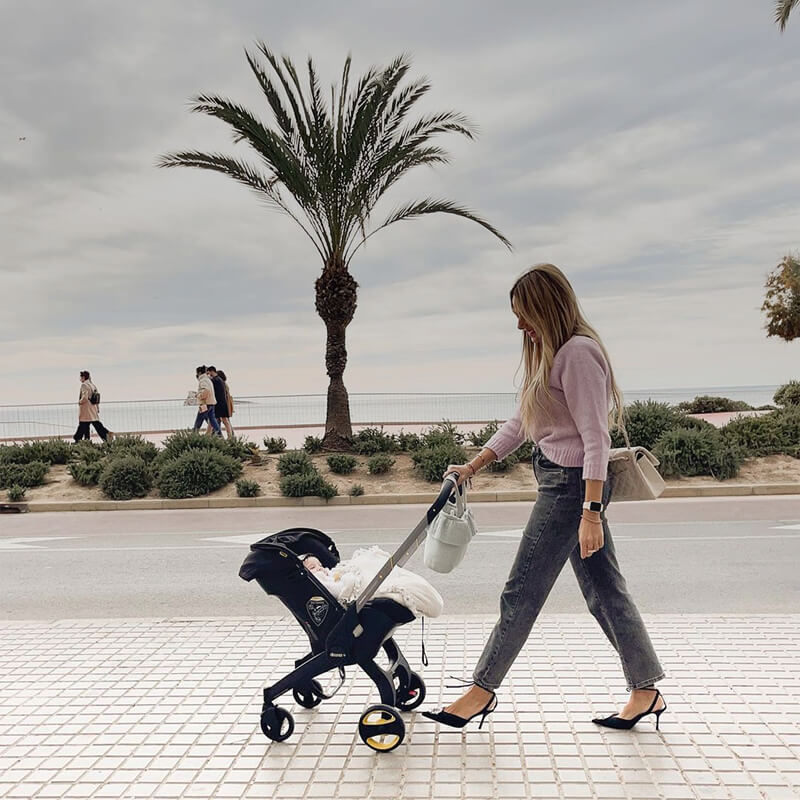
Travel systems combine a stroller and a car seat. They allow easy transfer from car to stroller without waking the baby. This type is great for families who drive often. Travel systems save time and offer convenience for parents on the move.
Features That Matter
Choosing the right baby stroller means knowing which features really matter. These features affect comfort, safety, and convenience. Focus on the details that fit your daily needs and lifestyle. This will help you pick a stroller that works well for both you and your baby.
Foldability And Ease Of Use
A stroller that folds easily saves time and effort. Look for one that folds with one hand or in a few simple steps. Compact folding helps with storage and carrying. Check if it fits in your car trunk or closet. A lightweight frame also makes handling easier.
Adjustable Handles And Seats
Adjustable handles suit parents of different heights. They reduce back strain during walks. Seats that recline offer comfort for babies who want to nap. Look for multiple seat positions for better support. Some strollers also allow you to change the seat direction.
Brakes And Suspension
Reliable brakes keep your baby safe and secure. Test if brakes lock easily and hold well on slopes. Good suspension smooths out bumps on rough paths. This feature protects your baby from jolts. It also makes pushing the stroller easier.
Canopy And Weather Protection
A large canopy shields your baby from sun and rain. Some canopies come with UV protection. Look for models with peek-a-boo windows to check on your baby. Weather covers or rain shields add extra protection in bad weather. These features keep your baby comfortable outdoors.
Storage Space And Accessories
Storage baskets under the seat hold diaper bags and toys. Extra pockets help keep small items organized. Some strollers come with cup holders or snack trays. These accessories add convenience during trips. Choose a stroller with enough space for your daily needs.
Choosing Double Strollers
Choosing the right double stroller can make outings with two children easier and more enjoyable. Double strollers come in various styles, each suited to different family needs. Understanding the options helps pick one that fits daily life and keeps both kids comfortable.
Single-to-double Options
Single-to-double strollers start as regular single strollers. Later, you can add a second seat or attachment. These models save money and space. They work well for families expecting a second child soon. Many are lightweight and easy to fold. This option offers flexibility for changing needs.
Tandem Vs Side-by-side
Tandem strollers have seats one behind the other. They are narrow and fit through tight spaces. Side-by-side strollers place seats next to each other. They allow both children to see outside easily. Side-by-side models are wider but offer better interaction. Choose based on space and how children prefer to sit.
Sit-and-stand Models
Sit-and-stand strollers allow one child to sit while the other stands or rides on a platform. They are ideal for toddlers who want to move but get tired. These models are compact and easy to maneuver. They provide a mix of walking freedom and stroller support. Perfect for families with kids of different ages.
Alternatives To Double Strollers
Some families prefer using two single strollers instead of a double. This offers more flexibility and easier handling. Another choice is a stroller board attached to a single stroller for an older child to stand on. Carriers or backpacks can also help carry a younger child. Consider these if space or budget is limited.
Safety Tips And Guidelines
Choosing the right baby stroller means focusing on safety first. A stroller must protect your child during every outing. Follow these simple safety tips to keep your baby secure and comfortable. Regular checks and proper use help prevent accidents. Understanding key safety guidelines makes stroller use easier and safer for parents and children.
Weight And Height Limits
Check the stroller’s weight limit. Never exceed this limit to avoid damage or tipping. Also, note the height limit for your child. If your baby grows too tall, the stroller may not provide proper support. Using a stroller within these limits ensures your child rides safely and comfortably.
Proper Harness Use
Always fasten the harness when your child is in the stroller. Use the five-point harness if available. It secures the shoulders, waist, and between the legs. Adjust the straps to fit snugly but not too tight. A properly used harness prevents falls and keeps your baby stable.
Brake Checks
Test the brakes before every walk. Make sure they lock securely and hold the stroller in place. Engage the brake when you stop, especially on slopes or uneven ground. Regular brake checks prevent the stroller from rolling away unexpectedly.
Avoiding Common Hazards
Keep the stroller away from busy streets and uneven surfaces. Watch for sharp edges or loose parts. Do not hang heavy bags on the handles; this can tip the stroller over. Always supervise your child and never leave them unattended. Spotting hazards early protects your child from harm.
Maintaining Your Stroller
Maintaining your stroller keeps it safe and comfortable for your baby. Regular care prevents breakdowns and extends the stroller’s life. A clean stroller looks good and works well. Checking parts often helps catch problems early. Replace worn parts to keep the stroller reliable and safe.
Cleaning And Care
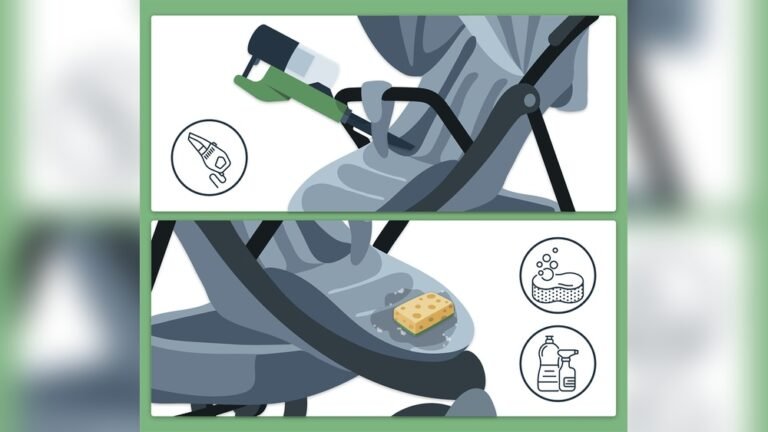
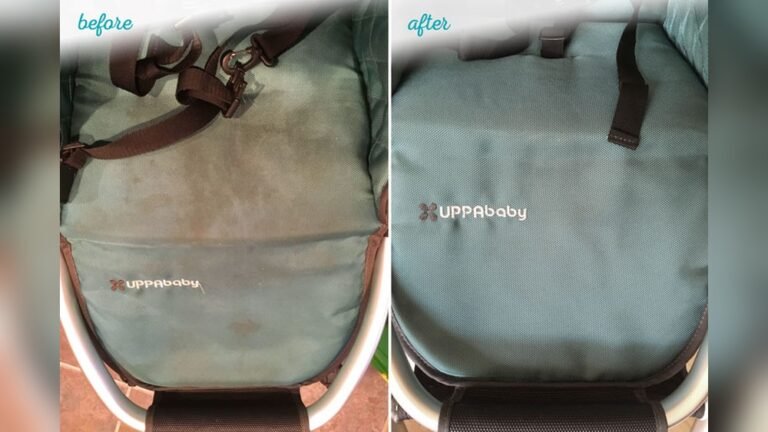
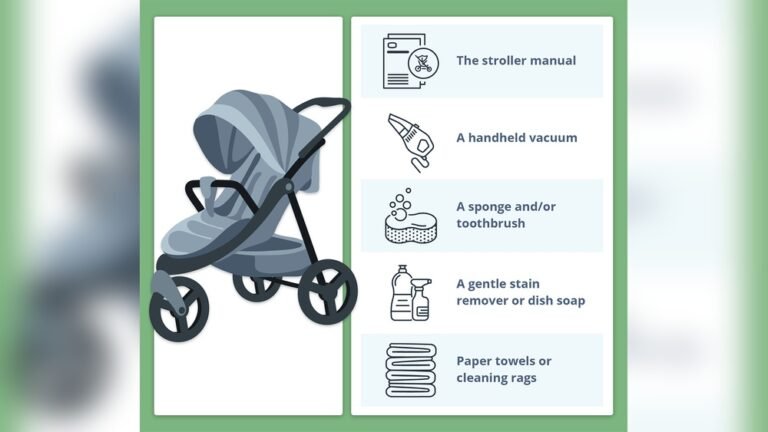
Wipe down the frame with a damp cloth regularly. Use mild soap for stubborn dirt. Clean fabric seats according to the manufacturer’s instructions. Remove crumbs and debris from crevices. Let the stroller dry fully before folding or storing it. Avoid harsh chemicals that can damage materials.
Regular Inspections
Check wheels for smooth rolling and remove stuck debris. Test brakes to ensure they lock and release properly. Inspect harness straps for frays or damage. Examine the frame for cracks or bends. Make sure folding mechanisms work without sticking. Routine checks keep your stroller safe for every trip.
Replacing Parts
Replace worn or broken wheels immediately. Swap out damaged harness straps for secure rides. Change torn canopies to protect your child from sun and rain. Use only parts recommended by the stroller’s brand. Proper replacements maintain the stroller’s safety and comfort.

Credit: kdfoundation.org
Frequently Asked Questions
How Do You Know What Stroller Is Right For You?
Choose a stroller based on your child’s age, weight, and height. Consider your lifestyle, storage space, and ease of folding. Prioritize safety features like brakes and adjustable handlebars. Select a type that suits your family’s needs, such as single, double, or convertible strollers.
Can I Put A 3 Month Old In A Regular Stroller?
You can use a regular stroller for a 3-month-old only if it fully reclines or has a compatible infant car seat. Ensure proper head and neck support. Choose strollers designed for newborns to keep your baby safe and comfortable during walks.
What To Look Out For In A Stroller?
Check stroller safety features, weight and height limits, ease of folding, adjustable handlebars, and smooth brakes for convenience and comfort.
Do I Need A Double Stroller For A 2.5 Year Old And Newborn?
A double stroller helps manage a 2. 5-year-old and newborn safely and comfortably. It offers convenience for outings and ensures both children have proper support. Consider your space and lifestyle before choosing.
Conclusion
Choosing the right baby stroller takes thought and care. Consider your daily activities and where you will use it most. Think about your child’s age, size, and comfort needs. Safety features like brakes and sturdy frames matter a lot. Also, check how easy it folds and stores.
A good stroller fits your lifestyle and keeps your baby secure. Take your time and compare options before buying. The right stroller makes outings easier and more enjoyable for both you and your child.