How to Choose the Right Convertible Car Seat: Ultimate Parent’s Guide
Choosing the right convertible car seat for your child can feel overwhelming. You want the safest option, but you also need a seat that fits your child’s size, your vehicle, and your daily routine.
What if the seat is hard to install or clean? What if your child outgrows it too quickly? These concerns are real, and making the right choice now means peace of mind for years to come. In this guide, you’ll discover simple, practical tips to help you find a convertible car seat that keeps your child secure, fits your car perfectly, and makes your life easier.
Keep reading to make a confident, smart decision for your family’s safety and comfort.
Safety Ratings
Safety ratings are the most important factor in choosing a convertible car seat. They show how well the seat protects your child in a crash. Understanding safety features can help you pick the safest option. These ratings come from careful testing by trusted organizations. Pay close attention to crash test results, side-impact protection, and build quality. Each of these elements plays a key role in your child’s safety.
Crash Test Results
Crash test results reveal how a car seat performs during a collision. Independent labs perform these tests under strict conditions. They measure forces on the seat and dummy to see injury risk. High scores mean better protection for your child’s head, neck, and chest. Choose seats with top crash test ratings for peace of mind.
Side-impact Protection
Side-impact crashes are common and dangerous. Seats with extra side-impact protection reduce injury risk. Look for deep, padded wings around the head and torso. Energy-absorbing foam helps absorb crash forces. This protection keeps your child safer from side collisions. Seats without this feature may not protect as well.
Build Quality
Build quality affects how well a car seat holds up in a crash. Strong frames made from steel or reinforced plastic offer better safety. Check for tight, secure harnesses and sturdy buckles. Poor build quality can fail during impact. Choose seats with solid construction and reliable materials for lasting protection.
Child Fit
Choosing the right convertible car seat means focusing on how well it fits your child. A proper fit keeps your child safe and comfortable during every trip. Kids grow fast, so the seat must adjust to their size and needs over time. Understanding key aspects like rear-facing duration, harness height, and differences between infant and toddler needs helps you pick the best option.
Rear-facing Duration
Rear-facing seats protect children better in crashes. Experts recommend keeping kids rear-facing as long as possible. Most convertible seats allow extended rear-facing use. Check the weight and height limits for rear-facing mode. A longer rear-facing period means more safety. Choose a seat that supports your child’s growth while rear-facing.
Harness Height And Torso Fit
The harness must fit snugly over your child’s shoulders. Harness slots should be at or just above the shoulders when rear-facing. For forward-facing, the harness should be at or just below the shoulders. Proper harness height prevents slipping or discomfort. Also, consider your child’s torso length. The seat’s back height should support the entire torso for good protection.
Infant Vs Toddler Needs
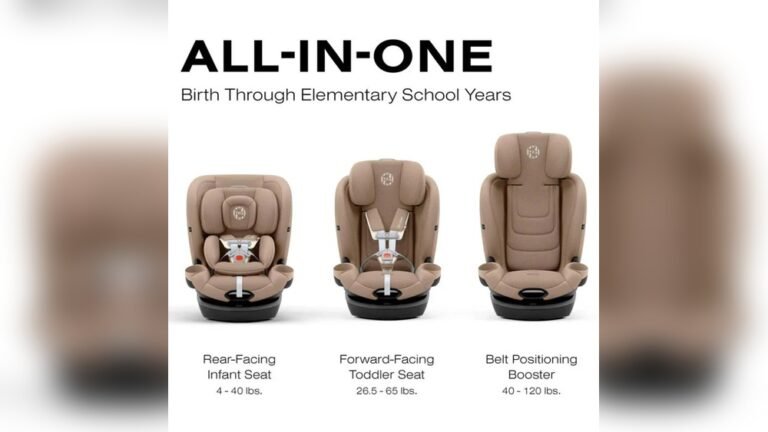
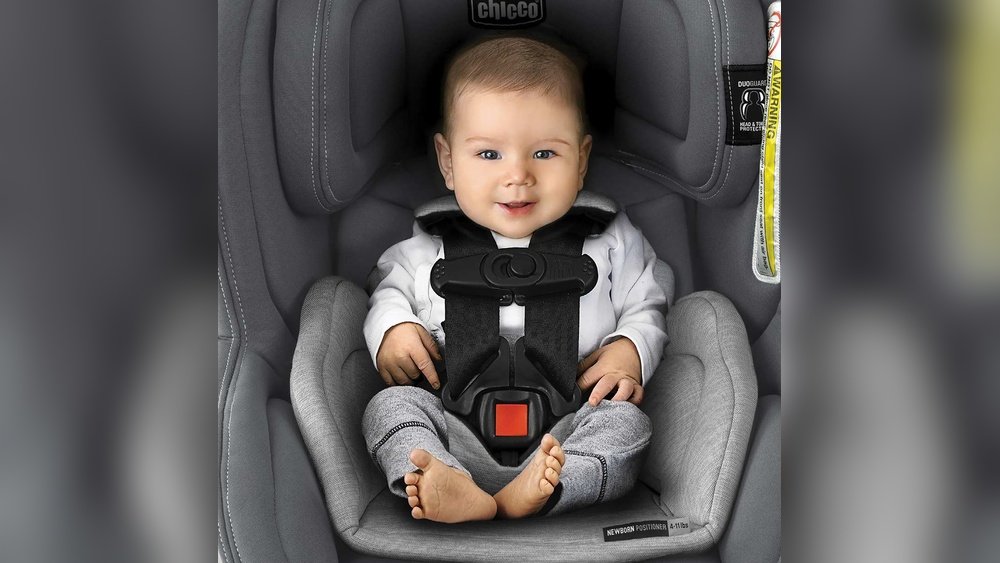
Infants need a seat that fits their small size and supports their head well. Look for seats with good recline and padding for newborns. Toddlers require more space and higher weight limits. Forward-facing options become important as they grow. Convertible seats often cover both stages but check that the seat suits your child’s current size and growth.
Vehicle Compatibility
Choosing a convertible car seat means making sure it fits well in your vehicle. Vehicle compatibility is a key factor for safety and convenience. Every car is different, so check how the seat size matches your car space. Proper fit helps keep your child secure. Also, consider how many seats you need across the back seat. Installation methods vary, so pick a seat that you can install correctly in your vehicle.
Seat Size And Car Space
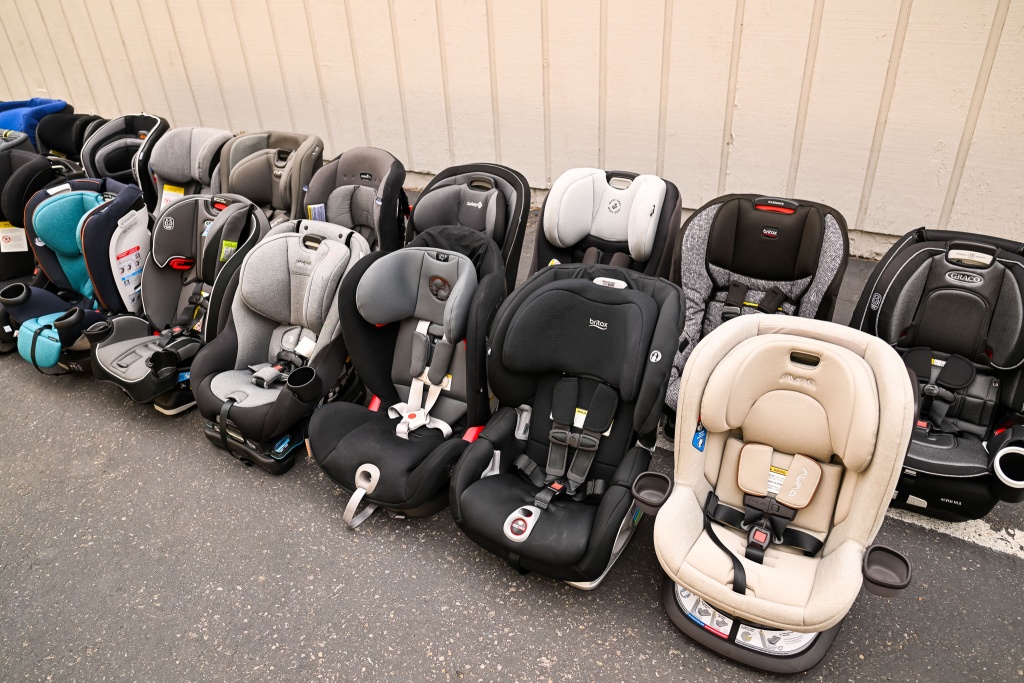
Measure your car’s back seat before buying a car seat. Some convertible seats are large and bulky. Small cars need compact seats to fit safely. Leave enough space for passengers and doors. A seat that is too big can block seat belts or door openings. Always check the seat dimensions and compare them to your vehicle’s back seat space.
Three-across Seating
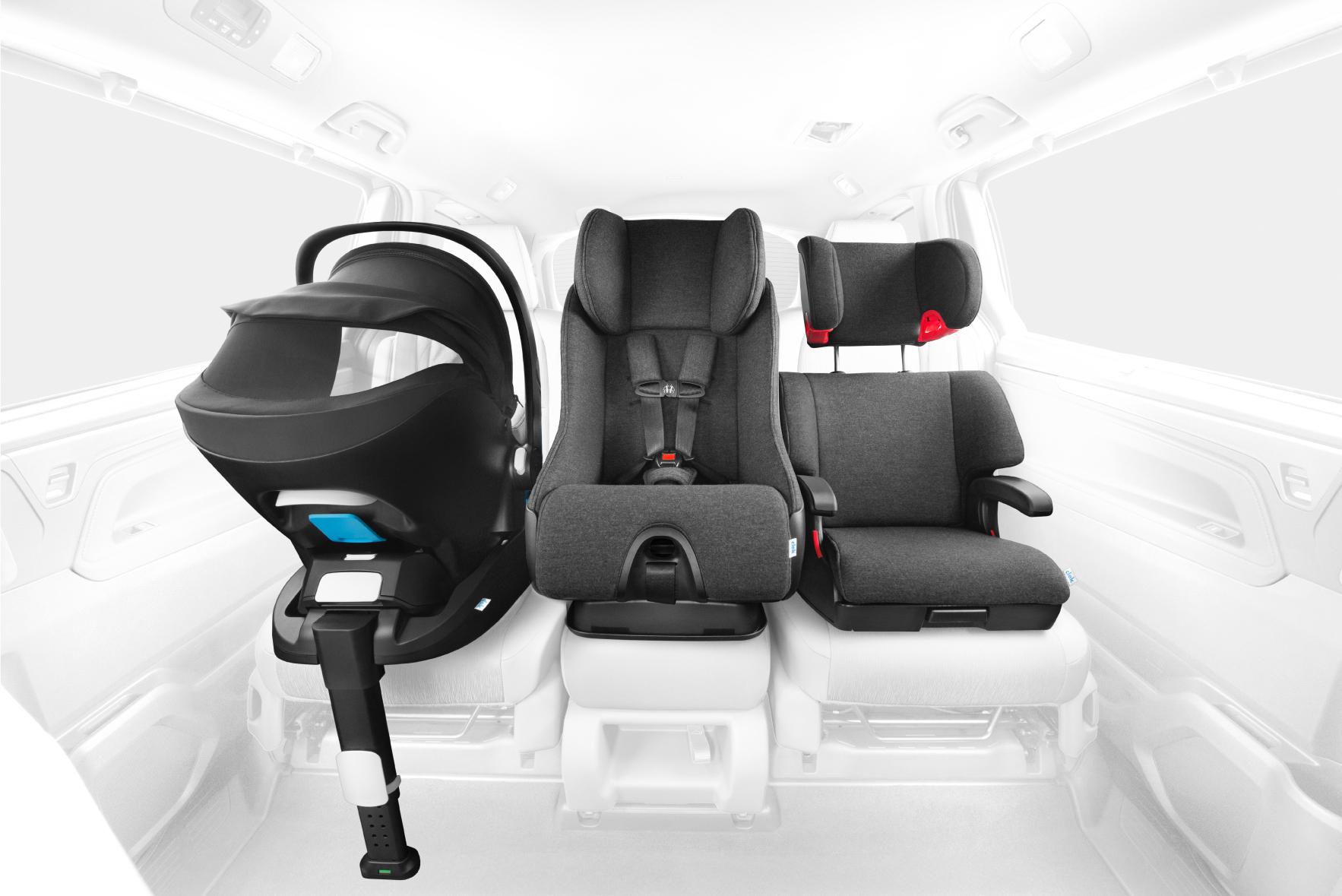
Many families need to fit three car seats across the back. Not all convertible seats fit three across. Choose narrow seats designed for three-across seating. Test the seats in your car if possible. Make sure each seat can be installed tightly and properly. Three-across seating requires careful planning for safety and comfort.
Installation Methods
Convertible car seats use either LATCH anchors or seat belts for installation. Check your vehicle’s manual to see which system it supports. LATCH is easier but has weight limits. Seat belts work in all cars but can be tricky to install tightly. Pick a seat with clear instructions and features that help you install it correctly. Proper installation is vital for your child’s safety.
Credit: www.babygearlab.com
Ease Of Installation
Installing a convertible car seat should be simple and secure. Ease of installation ensures your child’s safety and saves time. A seat that installs easily encourages proper use every trip. Focus on how the seat attaches to your vehicle. Check if installation steps are clear and tools needed are minimal. Understanding installation methods helps you choose the right seat.
Latch System Use
The LATCH system uses built-in anchors in your car. Connect the car seat’s lower anchors to these points. This method often provides a tighter, more secure fit. Look for seats with clear LATCH indicators. Some seats include easy-to-reach connectors for quick attachment. Confirm your vehicle has LATCH anchors before buying a seat. Seats with LATCH can reduce installation errors.
Seatbelt Installation
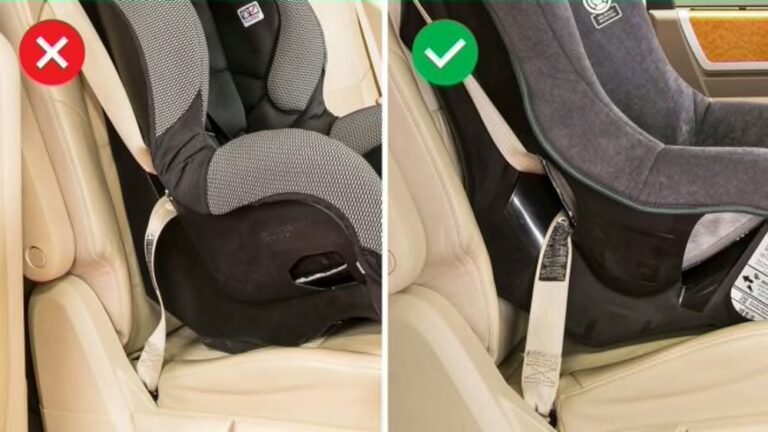
Seatbelt installation works in all vehicles, even without LATCH. Thread the seatbelt through the car seat’s belt path. Lock the seatbelt to prevent slack. Check the seat manual for belt-locking instructions. Some seats offer a built-in lock-off for ease. Tighten the seatbelt firmly to reduce movement. Practice installing the seat using the belt to gain confidence.
Common Installation Mistakes
Many parents install seats too loosely or at the wrong angle. A seat should not move more than one inch side to side. Avoid using both LATCH and seatbelt at the same time. Check harness straps are at or below your child’s shoulders rear-facing. Make sure the chest clip sits at armpit level. Always read the car seat and vehicle manuals carefully. Double-check installation regularly to keep your child safe.
Daily Use Features
Daily use features make a big difference in your experience with a convertible car seat. These features help keep your child safe and comfortable every day. They also make your life easier by saving time and effort during busy routines.
Harness Adjustment
A simple harness adjustment system keeps your child secure and comfy. Look for no-rethread harnesses that adjust without unbuckling. This allows quick changes as your child grows. Easy-to-use harnesses reduce frustration during busy mornings and outings.
Cleaning And Fabric
Spills and messes happen often. Choose a car seat with removable, machine-washable covers. Durable fabrics resist stains and dry quickly. Soft, breathable materials keep your child cool and happy during rides. Easy cleaning saves you time and stress every day.
Seat Rotation Options
Seats that rotate make loading and unloading easier. Rotating seats help you buckle your child without straining your back. Some models rotate 360 degrees for all directions. This feature is especially helpful for tight car spaces and quick transitions.
Longevity And Value
Choosing a convertible car seat with good longevity adds real value. It saves money by lasting through many growth stages. A seat that grows with your child reduces the need for multiple purchases. Longevity also means the seat keeps your child safe longer. Durable seats handle daily use and maintain safety standards. Consider the limits and build quality for the best investment.
Extended Rear-facing Limits
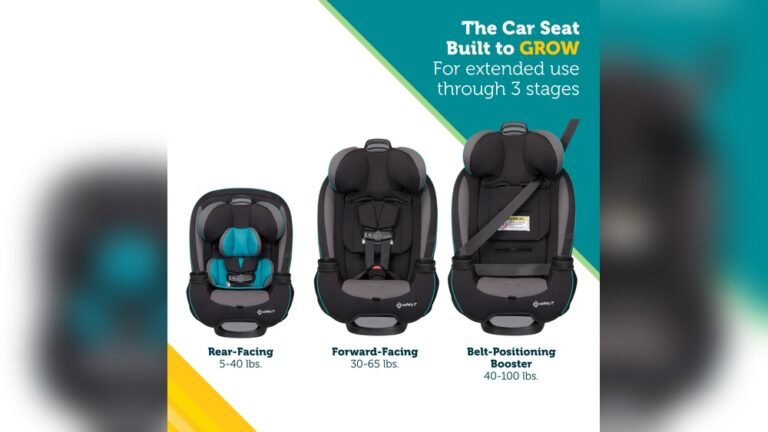
Extended rear-facing limits allow your child to stay rear-facing longer. This position is safest for young children during a crash. Many convertible seats support rear-facing up to 40 pounds or more. Look for seats with higher rear-facing weight and height limits. This feature protects your child well beyond infancy.
Forward-facing Weight Limits
Forward-facing weight limits vary between models. Some seats hold children up to 65 pounds or higher. A higher forward-facing limit means the seat can be used longer. This reduces the need to buy a booster seat too soon. Check the seat’s manual for exact weight and height limits.
Durability Over Time
Durability means the seat stays strong and safe after years of use. Quality materials resist wear from daily use and cleaning. Look for seats with sturdy frames and easy-to-clean fabric. Also, check for replaceable parts like covers and harnesses. Durable seats offer better long-term value and safety.
Lifestyle Considerations
Choosing the right convertible car seat involves more than just safety and fit. Your lifestyle plays a big role in selecting a seat that works well for daily use and travel. Think about how often you drive, how many cars you use, and if you travel often. These factors help narrow down which seat suits your needs best.
Travel-friendly Seats
Travel-friendly seats are light and easy to carry. They fit well in most cars and airplanes. These seats often have simple installation systems. A travel-friendly car seat saves time and effort during trips. Look for models with compact designs and quick-release features.
Weight And Portability
Weight matters if you move the seat often. Heavy seats can be hard to carry and install. Choose a seat that balances safety with light weight. Portability helps parents who switch cars or travel by public transport. Seats with built-in handles or carrying bags add convenience.
Ease Of Transfer Between Cars
Some families use more than one car daily. A seat that installs quickly and easily is best for this. Look for seats with clear instructions and simple buckling systems. Quick transfer seats reduce stress and save time. Check if the seat fits all your vehicles before buying.

Credit: www.evenflo.com
Before You Buy
Choosing the right convertible car seat starts before you shop. This phase helps you avoid mistakes and ensures the seat fits your needs perfectly. Preparation saves time and protects your child.
Measure Your Vehicle Space
Measure the back seat width and depth. Check legroom and door clearance too. Some seats are bulky and may not fit well. Compact seats work better in small cars. Write down your measurements before shopping.
Track Child Growth
Know your child’s current height and weight. Use growth charts to predict future size. Convertible seats have limits for rear- and forward-facing modes. Choose a seat that fits your child now and for months to come. This prevents early replacement.
Read Car And Seat Manuals
Read your vehicle’s manual about car seat installation. It shows where anchors and seat belts are located. Also, read manuals of car seats you consider. Each seat has unique rules for safe use. Understanding these helps avoid installation errors.
Test Fit And Installation
Try installing the seat in your car before buying. Bring your child if possible to check comfort and fit. Check if the seat fits tightly without movement. Test both LATCH and seat belt installation methods. Proper installation is key to safety.
Credit: www.tinyhood.com
Frequently Asked Questions
What Safety Features Matter Most In Convertible Car Seats?
Look for high crash test ratings, side-impact protection, and sturdy build. These features ensure your child’s maximum safety during travel.
How Do I Know If The Seat Fits My Child?
Check the seat’s rear-facing limits, harness height, and recline options. Ensure it accommodates your child’s current size and growth.
Can All Convertible Car Seats Fit Any Vehicle?
No, measure your car’s back seat space first. Choose compact seats for small cars and larger ones for spacious vehicles.
How Important Is Rear-facing Use Duration?
Extended rear-facing use greatly improves safety. Select a seat that supports long rear-facing use for infants and toddlers.
Conclusion
Choosing the right convertible car seat keeps your child safe on every trip. Focus on safety ratings and proper fit for your child and car. Seats with longer rear-facing use offer better protection. Easy installation and cleaning save time and reduce stress.
Consider your lifestyle and how the seat will grow with your child. Taking time to research helps you pick a seat that lasts and works well. A well-chosen car seat brings peace of mind on the road.