
How to Choose the Right Infant Car Seat: Ultimate Safety Guide
Choosing the right infant car seat is one of the most important decisions you’ll make for your baby’s safety and comfort. You want to be sure your little one is protected during every car ride, whether it’s a quick trip to the store or a longer journey.
But with so many options out there, how do you know which car seat is the best fit for your baby and your vehicle? This guide will help you understand what to look for, so you can make a confident choice that keeps your baby safe and comfortable from day one.
Keep reading to discover simple tips and expert advice that will make this decision easier and give you peace of mind every time you buckle up.
Car Seat Types
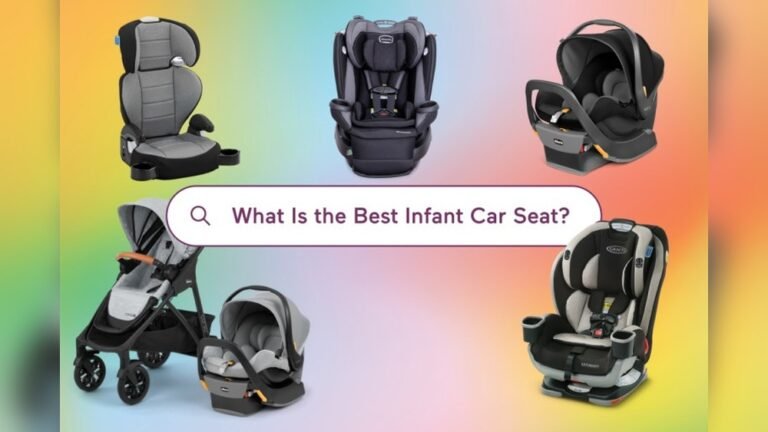
Choosing the right car seat starts with understanding the different types available. Each type fits different ages, sizes, and needs. Knowing these options helps you pick the safest and most comfortable seat for your child. Here is a simple guide to the main car seat types.
Infant Car Seats
Infant car seats are designed for newborns and small babies. They face the rear of the car for better safety. These seats are lightweight and easy to carry. Most come with a handle for easy lifting. They usually have a weight limit around 22 to 35 pounds. Parents often use these seats for the first year of a baby’s life.
Convertible Car Seats
Convertible seats grow with your child. They start as rear-facing for infants. Then switch to forward-facing for toddlers. These seats handle higher weight limits, often up to 65 pounds. They are heavier and stay in the car more permanently. Convertible seats save money by lasting longer than infant seats.
All-in-one Car Seats
All-in-one seats cover multiple stages in one product. They work rear-facing, forward-facing, and as booster seats. These seats can last from infancy to early school years. They are the most versatile and cost-effective option. Installation can be more complex due to their size and features.
Booster Seats
Booster seats are for older children who outgrow forward-facing seats. They raise the child up to fit the car’s seat belt correctly. Boosters are not for infants or toddlers. They help keep children safe until the seat belt fits properly without assistance. Typically, children use boosters from about 4 years old and up.

Credit: www.babycubby.com
Safety Standards
Choosing the right infant car seat starts with understanding safety standards. These standards ensure the car seat protects your baby during travel. Knowing what to check helps you pick a reliable seat. Focus on federal rules, crash tests, and expiration dates.
Federal Safety Regulations
All infant car seats sold in the U.S. must meet federal safety rules. The National Highway Traffic Safety Administration (NHTSA) sets these rules. They cover crash protection, harness strength, and seat design. Look for a label showing compliance with FMVSS 213. This means the seat passed government safety checks.
Crash Test Ratings
Crash test results show how well a car seat protects in real accidents. Independent groups test seats in different crash types. Ratings help compare safety features and performance. Choose a seat with high crash test scores. These seats offer better protection for your baby.
Expiration Dates
Car seats have expiration dates for safety reasons. Materials and parts weaken over time. Using an expired seat can reduce protection in a crash. Check the label or manual for the expiry date. Never use a car seat past this date. Always buy a seat with a long remaining lifespan.
Size And Fit
Choosing the right infant car seat means focusing on size and fit. A well-fitted seat keeps your baby safe and comfortable. It should match your baby’s current weight and height perfectly. Adjustments like harness straps also play a big role in ensuring a secure fit. Understanding these factors helps you pick the best seat for your infant.
Weight Limits
Check the car seat’s weight limits before buying. Every seat has a minimum and maximum weight capacity. Your baby must fit within this range for safety. Using a seat outside its weight limits can reduce protection in a crash. Choose a seat that suits your baby’s current weight and allows room to grow.
Height Limits
Height limits matter as much as weight. The seat should support your baby’s full height. Your baby’s head must stay below the top of the seat. If your baby’s height exceeds the limit, it is time to upgrade. A proper height fit helps protect your baby’s head and neck.
Harness Adjustments
Harness adjustments keep your baby secure and comfortable. Look for seats with easy-to-use harness systems. The harness should fit snugly without pinching. It needs to be adjustable as your baby grows. Proper harness fit prevents your baby from slipping out during travel.

Credit: mamanloupsden.com
Installation Tips
Proper installation of an infant car seat ensures your baby’s safety during every ride. Incorrect installation can reduce protection in a crash. Follow these simple tips to install the car seat securely and correctly.
Using Latch System
The LATCH system uses built-in anchors and connectors in your car and seat. Attach the car seat’s hooks to the lower anchors in your vehicle seat. Pull the straps tight to eliminate slack. Check your car’s manual for LATCH weight limits and anchor locations.
Seat Belt Installation
Thread the vehicle’s seat belt through the car seat’s belt path. Buckle the seat belt and lock it by pulling the belt fully out. Tighten the seat belt by pushing down on the car seat while pulling the belt. This method works if your car lacks LATCH anchors.
Checking For Tightness
Push and pull the car seat near the belt path. It should move less than one inch side to side or front to back. Tighten straps or seat belts further if the seat moves too much. A secure seat keeps your baby safe and stable in the car.
Proper Seat Angle
Adjust the car seat to the angle recommended by the manufacturer. Most infant seats have built-in angle indicators or adjusters. The seat should recline enough to keep your baby’s head from falling forward. Proper angle supports breathing and comfort during travel.
Car Seat Placement
Choosing the right spot for your infant car seat inside the vehicle matters a lot. Proper placement helps keep your baby safe during every ride. It also ensures the seat fits well and stays secure. Let’s explore the best places to install an infant car seat.
Rear Center Position
The safest place for an infant car seat is the rear center seat. This spot is farthest from any impact during a crash. It offers the best protection for your baby. Many cars have a proper seat belt or LATCH system here for easy installation. Always check your vehicle manual to confirm.
Rear Passenger Side
If the center seat is not an option, place the car seat on the rear passenger side. This side is usually safer than the driver side. It allows the driver to watch the baby through the mirror. Installation is often easier with seat belts or LATCH anchors on this side.
Rear Driver Side
The rear driver side is another option if other spots are unavailable. This side may be harder to reach from outside the car. Still, it keeps your baby away from airbags and front impact zones. Make sure the seat is tightly installed and secured.
Avoiding Front Seats
Never place an infant car seat in the front passenger seat. Airbags can seriously injure a baby in a crash. Front seats are closer to the dashboard, increasing risk. The back seat is always the safest place for children under 13 years old.

Credit: www.consumerreports.org
Time Limits In Car Seat
Infant car seats are essential for safe travel. Understanding time limits helps keep babies safe and comfortable. Babies should not stay in car seats for long periods. This section explains why and how to manage their time in the seat.
Maximum Duration
Babies should stay in a car seat no longer than two hours at a time. This rule applies whether the car is moving or parked. Prolonged use can affect breathing and body development. Always watch the time to avoid risks.
Risks Of Prolonged Use
Long periods in a car seat can cause breathing problems. A baby’s head may tilt forward, blocking airways. This can reduce oxygen levels and cause distress. Extended time also affects spine and muscle growth. Babies need time outside the seat to move freely.
Taking Breaks
Plan regular breaks every two hours during travel. Take your baby out to stretch, feed, and change diapers. Use breaks to hold and comfort your baby. Never leave a baby unattended in the car seat outside the car. These steps keep your infant safe and happy.
Comfort And Support
Choosing an infant car seat that offers excellent comfort and support is crucial for your baby’s safety and happiness during car rides. A well-designed seat helps keep your baby calm and secure. It also protects their growing body in case of sudden stops or impacts.
Head And Neck Support
Infants have fragile neck muscles and soft skulls. A good car seat provides firm head and neck support. This support keeps your baby’s head stable and prevents it from falling forward or to the side. Proper support reduces the risk of injury and keeps airways open for easy breathing.
Padding And Inserts
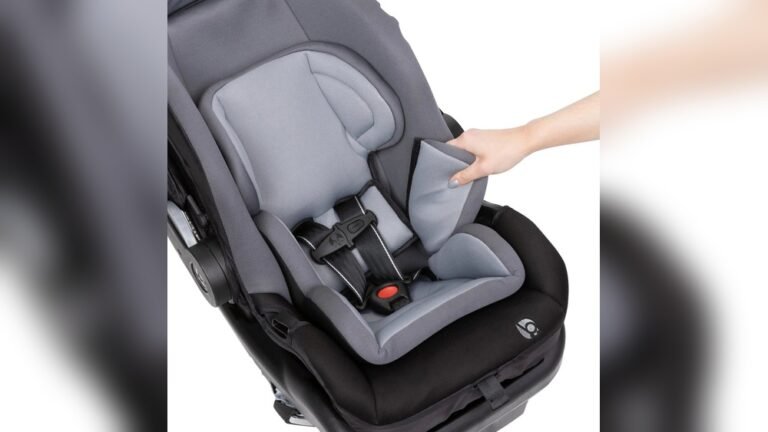
Soft padding cushions your baby’s body and adds comfort. Look for seats with removable inserts. These inserts help fit smaller babies snugly and grow with your child. Quality padding also absorbs some impact, adding a layer of protection.
Breathability
Breathable materials help regulate your baby’s temperature. Mesh fabrics and ventilated designs prevent overheating. Good airflow keeps your baby cool, especially during warm weather. A breathable car seat reduces sweating and discomfort, making trips more pleasant.
Additional Features
Choosing an infant car seat involves more than just safety standards. Additional features can make daily use easier and more comfortable for both you and your baby. These extras help ensure that the seat fits your lifestyle and your child’s needs. Consider these features carefully to find a seat that works well in your car and suits your routine.
Easy Installation Indicators
Easy installation indicators show when the seat is correctly installed. They often use color codes like green for secure and red for loose. This feature reduces the risk of incorrect installation, which is a common problem. It saves time and gives parents confidence that their baby is safe.
Removable Covers
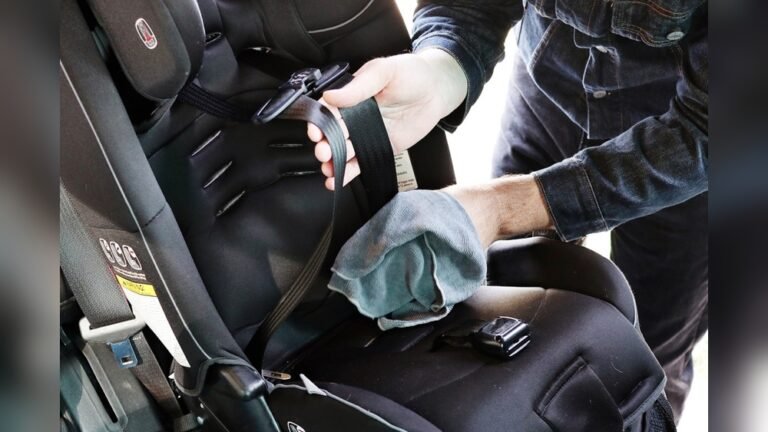
Removable covers allow for easy cleaning of the car seat. Babies can be messy, and spills are common. Being able to take off the cover and wash it keeps the seat fresh and hygienic. Look for covers that are machine washable and quick to dry for convenience.
Adjustable Canopies
Adjustable canopies protect your baby from sunlight and wind during rides. These can be moved or removed depending on the weather. A good canopy helps keep your baby comfortable and shielded from harsh elements. It also adds a cozy feeling to the seat, helping your baby relax.
Budget Considerations
Choosing the right infant car seat requires careful thought about your budget. It is important to find a seat that fits your financial limits without sacrificing safety or comfort. Understanding your budget helps you make a smart and practical choice for your baby’s protection.
Price Ranges
Infant car seats come in a wide range of prices. Basic models start at affordable prices, offering essential safety features. Mid-range seats often include extra padding and convenience features. High-end options may have advanced safety technology and stylish designs. Knowing the price ranges helps narrow down options within your budget.
Value Vs Cost
Value means getting good quality for the money spent. A cheap seat might lack important safety features. An expensive seat does not always mean better safety. Focus on seats that meet safety standards and have useful features. Consider long-term use and comfort for your baby to get true value.
Warranty And Customer Support
A good warranty protects your purchase against defects and damage. Check how long the warranty lasts and what it covers. Reliable customer support helps solve problems and answer questions. Choose brands known for strong warranties and helpful service. This adds peace of mind to your investment.
Common Mistakes
Choosing the right infant car seat is vital for your baby’s safety. Many parents make common mistakes that reduce protection during travel. Understanding these errors helps you avoid risks and keep your child secure.
Incorrect Harnessing
One frequent mistake is not fastening the harness properly. The straps should lie flat without twists. The harness must fit snugly, so you cannot pinch any slack. A loose harness puts your baby in danger during a crash.
Loose Installation
Installing the car seat loosely is another serious error. The seat should not move more than an inch side to side or front to back. A loose seat can shift and fail to protect your infant in an accident. Always follow the manual and use the correct installation method.
Ignoring Expiry Dates
Many parents overlook the car seat’s expiration date. Car seats degrade over time and lose safety features. Using an expired seat is risky and could fail during impact. Check the label for expiration and replace the seat as needed to ensure maximum safety.
Frequently Asked Questions
What Are The Four Stages Of Car Seats In Order?
The four stages of car seats in order are: rear-facing infant seat, forward-facing seat, booster seat, and seat belt.
How Long Do Newborns Stay In Newborn Car Seats?
Newborns should stay in car seats no longer than two hours at a time. Take breaks to stretch and feed them. Prolonged use can affect breathing and spinal development. Always supervise your baby when in the car seat outside the vehicle.
What Is The 2 Hour Rule For Newborns In Car Seats?
The 2-hour rule limits newborns in car seats to prevent breathing issues and spinal strain. Remove baby after two hours for breaks.
Should The Car Seat Go Behind The Driver Or Passenger?
Place the car seat in the rear center for maximum safety. If unavailable, use the rear passenger side for convenience or the rear driver side to load easily. Avoid the front seat due to airbag risks. Always follow your vehicle and car seat manuals for proper installation.
Conclusion
Choosing the right infant car seat keeps your baby safe and comfortable. Always check weight and height limits carefully. Make sure the seat fits your car well. Look for easy installation and strong safety features. Adjust harnesses to fit snugly without causing discomfort.
Replace car seats after any crash, even minor ones. Remember, infants should never stay in car seats for over two hours continuously. Regularly review guidelines as your baby grows. Prioritize safety to enjoy every journey with peace of mind.