How to Choose the Right Stroller Footmuff: Ultimate Parent’s Guide
Choosing the right stroller footmuff can make all the difference in keeping your little one warm and comfortable during chilly walks. But with so many options available, how do you find the perfect one for your stroller and your baby’s needs?
You want something cozy, easy to use, and that fits just right—without any guesswork. In this guide, you’ll discover simple tips to help you pick a footmuff that suits your stroller, your child’s size, and your lifestyle. Keep reading to make your stroller outings warmer and more enjoyable for both you and your baby.

Credit: babesta.com
Footmuff Types
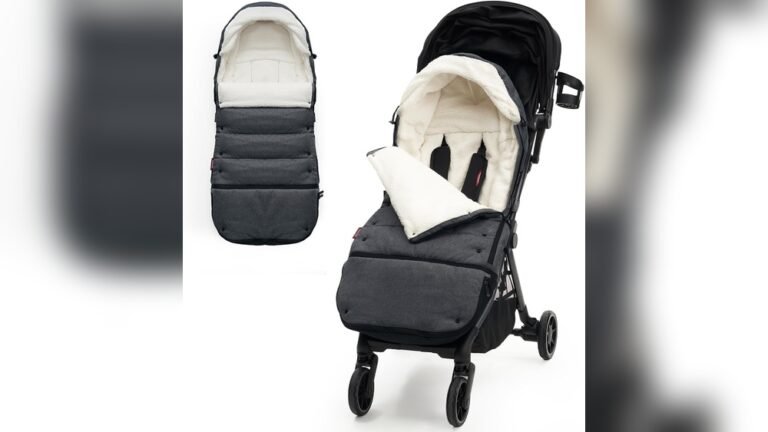
Choosing the right footmuff enhances your stroller experience by keeping your child warm and comfortable. Footmuffs come in various types designed to fit different needs and stroller models. Understanding these types helps you pick the best one for your daily walks and weather conditions.
Universal Vs Brand-specific
Universal footmuffs fit many stroller brands and models. They offer flexibility if you switch strollers often. Brand-specific footmuffs match one stroller model perfectly. They provide a snug fit and often use matching materials. Choose universal if you want versatility. Pick brand-specific for a tailored fit and style.
Compact Vs Spacious Models
Compact footmuffs are smaller and lighter. They suit lightweight strollers and mild weather. Spacious models allow extra room for bulky clothing or growth. These are best for colder seasons or bigger children. Consider your stroller size and your child’s comfort needs. Spacious footmuffs add warmth but can be heavier.
Seasonal Designs
Seasonal footmuffs suit different weather conditions. Winter designs use thick insulation and waterproof fabric. Summer footmuffs are lighter and breathable to avoid overheating. Some footmuffs have removable liners for year-round use. Pick one that matches your climate and your child’s activity level. This keeps your child comfy in any season.
Size And Fit
Choosing the right size and fit for a stroller footmuff is key for your child’s comfort. A well-fitted footmuff keeps your baby warm and snug without restricting movement. Ill-fitting footmuffs can cause discomfort or even safety issues. Focus on how the footmuff matches your stroller and adapts to your child’s needs.
Matching Stroller Dimensions
Check your stroller’s seat width and length before buying. Footmuffs come in various sizes to fit different stroller models. Measure the stroller seat from top to bottom and side to side. Choose a footmuff that fits these dimensions closely. A proper fit prevents slipping and keeps the footmuff in place.
Age And Growth Considerations
Your child will grow fast in the first years. Pick a footmuff that offers some extra room for growth. A footmuff that is too tight will feel uncomfortable. Make sure it can accommodate bulky winter clothes. Look for designs that suit newborns as well as toddlers for longer use.
Adjustability Features
Some footmuffs have adjustable straps or zippers. These features help customize the fit as your child grows. Adjustable openings make it easier to get your child in and out. They also improve ventilation on warmer days. Look for footmuffs with flexible sizing options for better comfort.
Materials And Warmth
Choosing the right stroller footmuff means understanding its materials and warmth. This choice impacts your child’s comfort during cold weather. The materials determine how well the footmuff protects against wind, rain, and cold air. Warmth depends on the insulation inside and the softness of the inner lining. Each part plays a vital role in keeping your baby cozy and dry.
Outer Shells And Water Resistance
The outer shell must block wind and rain. Look for fabrics like nylon or polyester. These materials are strong and water-resistant. Water resistance keeps your child dry during light rain or snow. Some shells have a special coating for extra protection. This layer helps the footmuff last longer and stay clean.
Insulation And Filling Types
Insulation traps heat to keep your baby warm. Common fillings include synthetic fibers and down feathers. Synthetic fills dry quickly and keep warmth even when wet. Down feathers offer excellent warmth but lose insulation if wet. Choose insulation based on your climate. For wet winters, synthetic is best. For dry cold, down gives better warmth.
Inner Linings Comfort
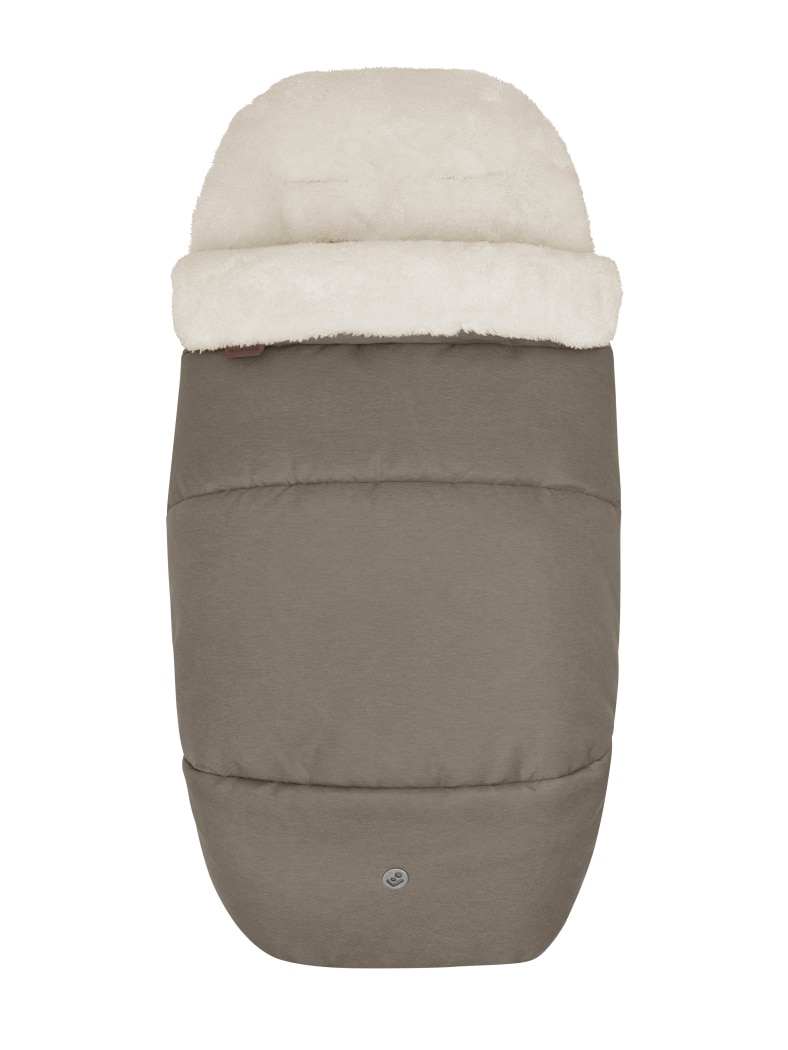
The inner lining touches your baby’s skin. Soft fabrics like fleece or cotton provide comfort. Fleece keeps warmth close and feels cozy. Cotton is gentle and breathable, reducing sweat. Avoid rough or itchy materials. A smooth lining helps your baby relax and sleep better. Check if the lining is easy to clean for hygiene.
Credit: www.maxi-cosi.com
Ease Of Use
Choosing a stroller footmuff that is easy to use makes every outing smoother. Ease of use means quick setup, simple cleaning, and easy storage. It saves time and effort, letting you focus on your child’s comfort. The right footmuff fits well and works with your stroller’s features.
Attachment And Compatibility
Check how the footmuff attaches to your stroller. Some models use simple straps or clips. Others slide into the seat or fasten with buttons. Make sure the footmuff matches your stroller’s size and style. Compatibility ensures a secure fit and safety for your child.
Cleaning And Maintenance
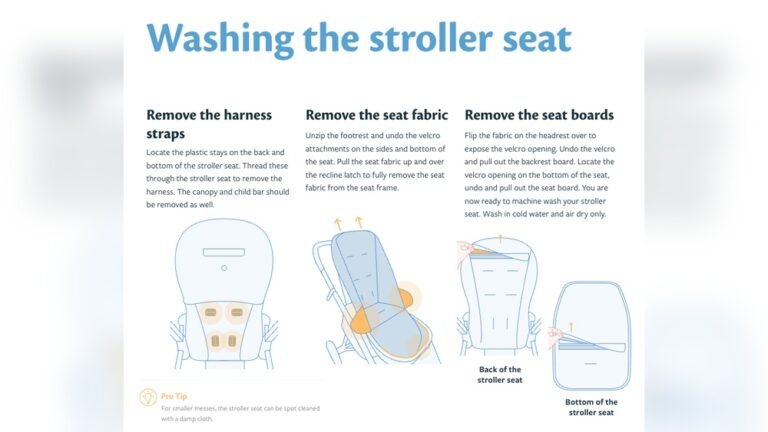
Choose a footmuff that is easy to clean. Many have removable liners or can be machine washed. Quick-drying fabrics help during busy days. A footmuff that stays fresh without much effort is better for daily use.
Portability And Storage
Look for a footmuff that is lightweight and folds compactly. It should fit in your stroller bag or car easily. Portability matters for trips and storage at home. A footmuff that stores well saves space and stays in good condition.
Safety And Comfort
Choosing the right stroller footmuff means focusing on your baby’s safety and comfort. A footmuff protects your child from cold weather and keeps them cozy during strolls. It must fit well and allow the stroller’s safety features to work correctly. Comfort ensures your baby stays happy and relaxed, even on long walks.
Secure Harness Openings
The footmuff should have openings for the stroller’s harness straps. These openings keep the safety belts in place and prevent slipping. They allow you to fasten your baby securely without removing the footmuff. Check that the openings match your stroller’s harness system for a snug fit.
Breathability And Temperature Control
Good breathability avoids overheating inside the footmuff. Look for materials that let air pass through but still block wind and cold. Some footmuffs have adjustable vents or layers to help control temperature. This feature keeps your baby comfortable in different weather conditions.
Non-toxic Materials
Choose a footmuff made from safe, non-toxic fabrics. Babies have sensitive skin that reacts to harsh chemicals. Organic or hypoallergenic materials reduce allergy risks. Make sure the footmuff is free from harmful dyes and treatments for your child’s health.
Budget And Quality
Choosing the right stroller footmuff requires balancing budget and quality. A footmuff should keep your child warm without breaking the bank. It must last through cold seasons and daily use. Understanding price, durability, and brand trust helps you make a smart purchase. Here are key points to consider.
Price Ranges
Footmuffs come in various price ranges. Basic models start around $30 and offer essential warmth. Mid-range options cost between $50 and $100, with better materials and design. Premium footmuffs exceed $100, offering advanced features like water resistance and extra padding. Set a budget that fits your needs and stick to it.
Durability Expectations
Durability is crucial for a stroller footmuff. Look for strong fabrics that resist tears and stains. The zipper and fasteners should work smoothly and last long. Some footmuffs have water-repellent surfaces to keep moisture away. Durable materials ensure your footmuff stays usable through many seasons and weather conditions.
Warranty And Brand Reputation
A good warranty shows confidence in product quality. Check if the brand offers a warranty covering defects or wear. Established brands often provide reliable customer support. Reading reviews can help verify brand reputation and product performance. Choose brands known for making baby gear that lasts and keeps children safe.
Climate Considerations
Choosing the right stroller footmuff depends greatly on the climate you live in. The weather affects your child’s comfort and safety during strolls. Understanding different climate needs helps pick the best footmuff. Consider how cold, mild, or wet the environment is before buying.
Cold Weather Needs
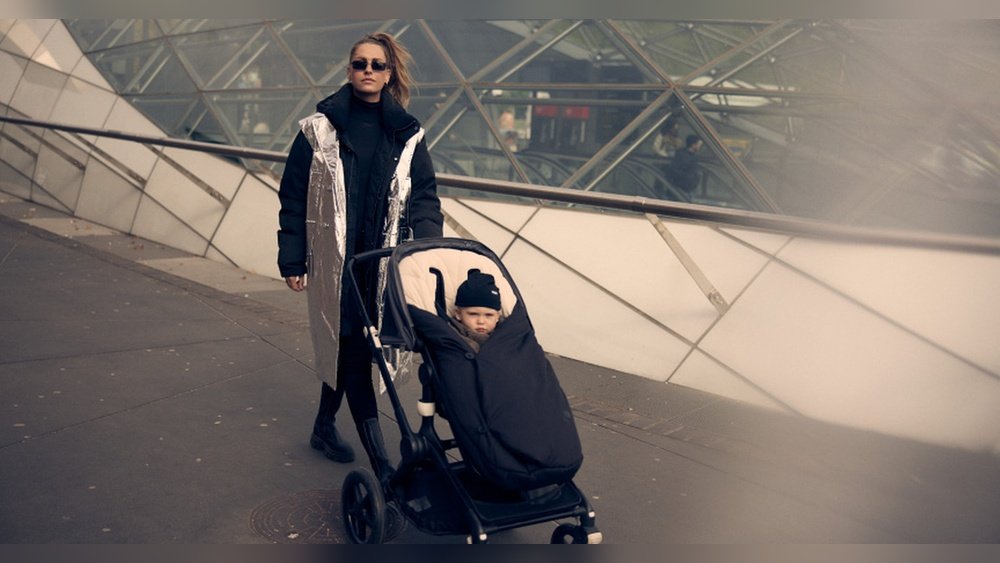
For cold climates, warmth is the top priority. Look for footmuffs with thick insulation and soft linings. Materials like fleece or wool keep babies cozy. A snug fit helps trap body heat. Choose models that cover the feet and chest well. Extra padding protects against frost and chills. Wind-blocking fabrics add an extra layer of defense.
Mild Climate Options
Mild weather calls for lighter footmuffs. Breathable fabrics prevent overheating. Thin padding offers comfort without bulk. A removable lining can adjust warmth as needed. Ventilation options help air flow freely. These features keep the baby comfortable in cool but not freezing temperatures. Versatile footmuffs suit changing weather conditions well.
Waterproof And Windproof Features
Rain and wind affect comfort no matter the temperature. Waterproof outer layers keep moisture out. Look for durable, water-resistant fabrics. Windproof materials block cold gusts effectively. Sealed seams prevent water seepage. A hood or flap can shield the baby’s head. These features protect against harsh weather and keep your child dry and warm.
User Reviews And Testing
User reviews and product testing offer valuable insights when choosing the right stroller footmuff. Real experiences from parents reveal how footmuffs perform in daily use. Testing highlights features like warmth, fit, and ease of cleaning.
Reading what others say helps avoid common issues. Testing ensures the footmuff suits your stroller and child comfortably. This section explores these aspects to guide your decision.
Trying Before Buying
Testing a footmuff before buying saves money and hassle. Many stores allow you to feel the material and check the size. You can see if it fits your stroller’s straps properly.
Trying it out also shows how easy it is to put on and take off. It helps you decide if the footmuff feels cozy and warm enough. Hands-on experience often reveals details photos cannot show.
Parent Recommendations
Parents share honest reviews about footmuffs they use. Their tips help find models that keep kids warm without overheating. They mention durability, comfort, and how easy cleaning is.
Recommendations often include brands that fit well with popular stroller types. Parents warn against footmuffs that are too bulky or hard to adjust. These reviews guide you toward practical choices.
Product Testing Insights
Experts test footmuffs in different weather and stroller models. They check insulation, waterproofing, and strap compatibility. Testing also covers how well footmuffs handle wear and tear.
Reports highlight which footmuffs dry quickly and resist stains. Testing confirms if the product matches the maker’s promises. Such insights help pick a footmuff that lasts through seasons.

Credit: crocrobo.com
Frequently Asked Questions
Do Footmuffs Fit All Strollers?
Footmuffs do not fit all strollers universally. Choose one labeled universal or designed specifically for your stroller model for the best fit. Always check size, strap openings, and attachment methods to ensure compatibility and comfort for your child.
What’s The Difference Between Footmuff Models?
Footmuff models differ in size, insulation, compatibility, and design. Some fit specific strollers, while others offer universal use. Choose based on warmth, stroller type, and child’s comfort needs.
How To Choose A Footmuff?
Choose a footmuff that fits your stroller, offers warmth, is easy to clean, and suits your climate. Ensure comfort and durability.
What Age Should I Stop Using Footmuff?
Stop using a footmuff when your child outgrows the stroller or no longer fits comfortably, usually around 2-3 years old.
Conclusion
Choosing the right stroller footmuff keeps your baby warm and comfortable. Consider size, material, and compatibility with your stroller. Pick a footmuff that allows easy cleaning and fits your climate. A good fit helps your child move freely and stay cozy.
Remember, quality and comfort go hand in hand. This simple choice makes outings pleasant during cold days. Stay prepared and enjoy every stroll with your little one.