Infant Car Seat Maintenance Guide: Essential Tips for Safety & Longevity
You want the best for your baby, and that includes keeping their car seat safe and clean. But do you know how to maintain your infant car seat properly?
A well-maintained car seat not only protects your little one but also gives you peace of mind every time you hit the road. In this guide, you’ll discover simple, effective steps to clean, inspect, and care for your infant car seat—so it stays reliable and comfortable for your baby’s every trip.
Keep reading to learn how to extend your car seat’s lifespan and ensure your child’s safety with easy maintenance tips you can start today.
Credit: www.sietesetenta.com.ar
Car Seat Lifespan
Knowing the lifespan of an infant car seat is important for your baby’s safety. Car seats do not last forever. Over time, materials can weaken and safety features may become outdated. Using a car seat past its lifespan increases risk during travel. It’s essential to understand how long your car seat remains safe and effective.
Expiration Dates
Every infant car seat has an expiration date set by the manufacturer. This date is usually found on a label or molded into the plastic shell. Most seats expire 6 to 10 years after the manufacture date. After this time, parts may degrade even if the seat looks fine. Using a seat past its expiration date is unsafe and not recommended.
Effects Of Wear And Tear
Daily use causes normal wear and tear on car seats. Straps, buckles, and padding can weaken or break over time. Exposure to sunlight, heat, and moisture also damages materials. These effects reduce the seat’s ability to protect your baby in a crash. Check for cracks, frayed straps, or broken parts regularly. Replace the seat if you notice any damage.
Safety Standard Updates
Car seat safety standards improve as new research emerges. Older models may not meet current safety requirements. These updates can include better crash protection and easier installation. Using a newer car seat ensures your child benefits from the latest safety features. Always check if your seat complies with the latest safety rules before use.
Cleaning Tips
Keeping an infant car seat clean is essential for your baby’s health and safety. Dirt, spills, and crumbs can build up quickly, making regular cleaning necessary. Follow these simple tips to maintain a fresh and safe car seat for your child.
Safe Cleaning Materials
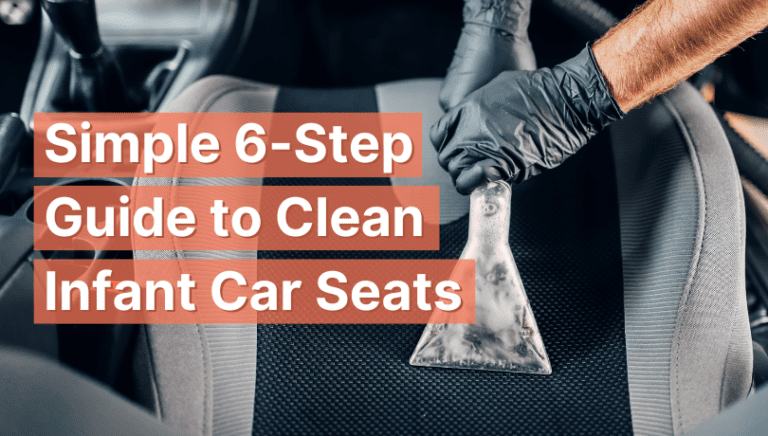
Use mild soap and warm water for cleaning. Avoid harsh chemicals and bleach. These can damage the fabric and weaken the seat’s structure. Soft cloths or sponges work best for wiping surfaces. Always check the car seat manual before trying new cleaners.
Washing Seat Covers
Remove the seat cover carefully according to the manual. Most covers are machine washable on a gentle cycle. Use cold water and mild detergent to protect the fabric. Let the cover air dry to avoid shrinking or damage. Avoid using the dryer unless the manual says it is safe.
Cleaning Harness Straps
Wipe harness straps with a damp cloth and mild soap. Do not soak or submerge the straps in water. Avoid using bleach or cleaners with solvents. These can weaken the straps and reduce safety. Let the straps air dry completely before use.
Dealing With Stubborn Stains And Odors
For tough stains, use a soft brush and mild soap gently. Baking soda can help remove odors. Sprinkle it on the fabric, leave it for a few hours, then vacuum it off. Avoid strong chemical deodorizers as they may irritate your baby’s skin. Fresh air and sunlight can also help reduce odors naturally.
Routine Maintenance
Routine maintenance keeps your infant car seat safe and comfortable. It helps catch problems early before they become serious. Regular care also extends the seat’s life and keeps it working as designed.
Simple checks and adjustments should happen often. This keeps your baby secure on every trip.
Regular Inspection
Look over the car seat each week. Check the shell for cracks or bends. Make sure the base is firmly attached to the car. Inspect the fabric for tears or worn spots. Clean off dirt or crumbs that can build up. Early spotting of issues avoids bigger problems.
Checking For Damage
Check the harness straps for frays or cuts. Broken parts or missing pieces reduce safety. Look at the buckles and clips to ensure they click and hold well. Replace any damaged parts right away. Never use a car seat after a crash without a full check.
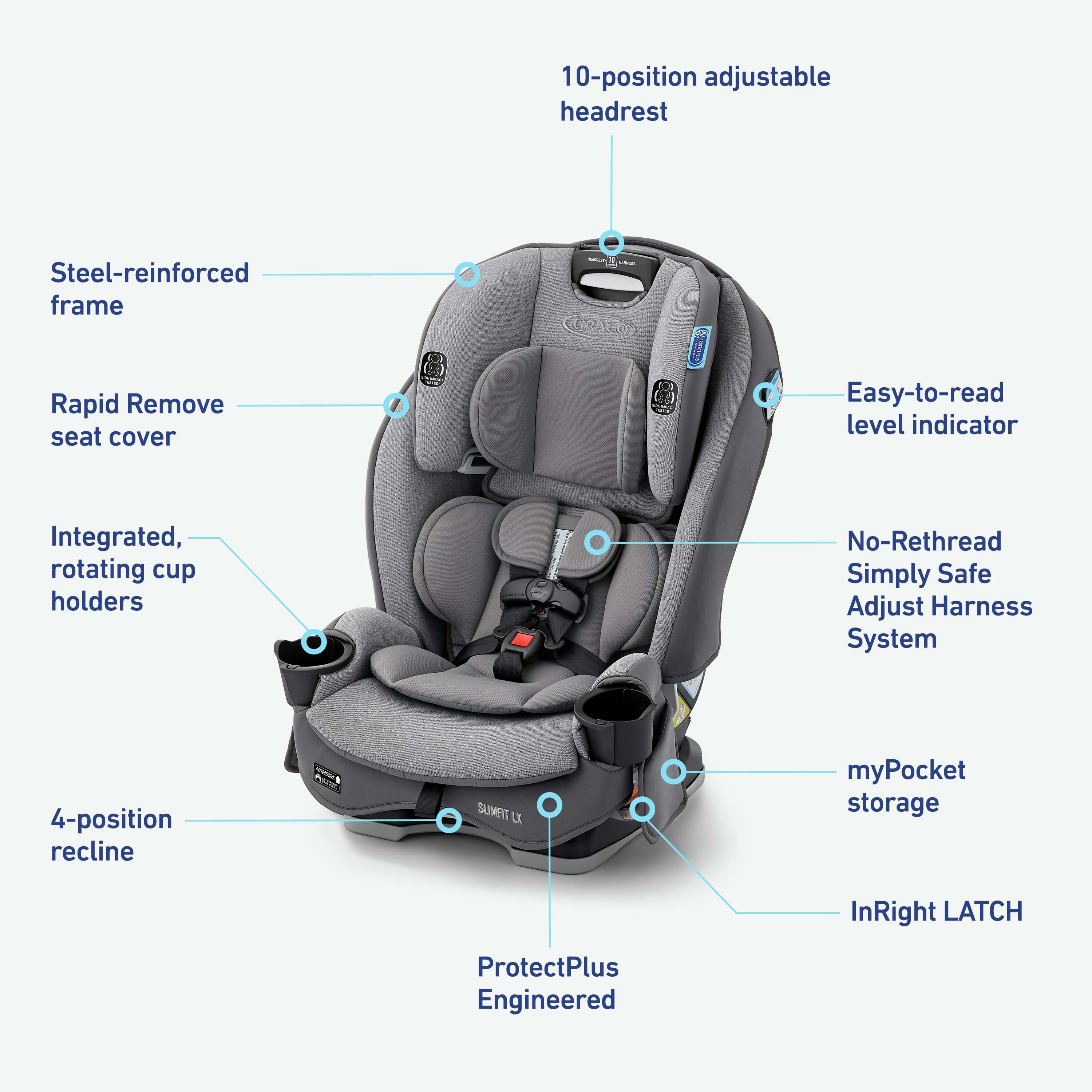
Harness Adjustment
Adjust the harness as your baby grows. Straps must fit snugly without gaps. Make sure the chest clip is at armpit level. Loose or twisted straps reduce protection. Check the fit before every ride to keep your infant safe.
Proper Storage
Store the car seat in a dry, cool place. Avoid direct sunlight to prevent material fading. Keep it away from chemicals that can weaken plastic or fabric. Use a cover to protect from dust and dirt. Proper storage keeps the seat ready for use anytime.
Credit: www.imperfecthomemaking.com
Safety Reminders
Keeping your infant car seat safe requires constant attention to detail. Small actions can prevent serious risks. Follow key safety reminders to protect your baby during every ride. Check your seat often and keep it in good condition.
Harness Positioning
Always place the harness at or below your baby’s shoulders. Tighten the straps so they lie flat without twists. The harness should be snug but not too tight. You should not be able to pinch any slack. Correct positioning keeps your baby secure and comfortable.
Time Limits In Seat
Limit your baby’s time in the car seat to two hours at once. Extended sitting can cause discomfort and breathing issues. Remove your baby from the seat during long trips. Give breaks for stretching and movement to avoid strain.
Avoiding Common Mistakes
Never use a car seat that is expired or damaged. Avoid bulky clothing under the harness as it reduces effectiveness. Do not place the car seat in the front seat with an active airbag. Always follow the manufacturer’s instructions carefully for installation and use.
When To Replace
Knowing when to replace your infant car seat is vital for your baby’s safety. Car seats do not last forever. Several factors determine the right time to get a new one. Pay close attention to crash history, expiration dates, and your baby’s growth. This guide helps you decide the best time to replace your infant car seat.
After A Crash
Replace the car seat immediately after any crash. Even minor accidents can weaken its structure. The seat may look fine but lose its ability to protect your baby. Safety experts recommend not using a seat involved in a collision. Check the manual for specific instructions about crash replacement.
Upon Expiration
Every car seat has an expiration date. This date is usually 6 to 10 years from manufacture. Materials like plastic and straps break down over time. Old seats may not meet current safety standards. Find the expiration date on a label or in the manual. Do not use the seat past this date, no matter the condition.
Due To Baby’s Growth
Replace the seat when your baby outgrows it. Infant car seats have height and weight limits. Using a seat too small or too large can be dangerous. Check the seat’s labels for these limits. Switch to a bigger seat or convertible car seat as your baby grows.
Credit: www.imperfecthomemaking.com
Frequently Asked Questions
What Is The 2 Hour Rule For Newborns In Car Seats?
The 2-hour rule limits newborns in car seats to two hours to prevent breathing and circulation issues. Always remove the baby promptly.
How To Properly Clean An Infant Car Seat?
Remove the cover and wash it gently in cold water without additives. Wipe the harness and shell with mild soap and a damp cloth. Avoid submerging straps or using harsh cleaners to maintain safety and durability. Air dry all parts completely before reassembling.
How Long Are Most Infant Car Seats Good For?
Most infant car seats last 6 to 10 years from the manufacture date. Replace if expired, after a crash, or if outgrown.
Are Infant Car Seats Washable?
Infant car seat covers are usually machine washable on cold, gentle cycle without additives. Clean straps gently with mild soap and a damp cloth. Avoid submerging straps or harsh cleaners to maintain safety and durability. Always follow the manufacturer’s cleaning instructions.
Conclusion
Regular maintenance keeps your infant car seat safe and comfortable. Clean it gently with mild soap and a damp cloth. Check harness straps often for signs of wear or damage. Always follow the manufacturer’s guidelines for cleaning and usage. Replace the seat if it is expired or after an accident.
Proper care helps protect your baby during every trip. Stay consistent with these simple steps for peace of mind. Safety and cleanliness go hand in hand for your little one.