Should I Swaddle My Newborn at Night: Expert Tips for Safe Sleep
Are you wondering whether swaddling your newborn at night is the right choice for your baby’s sleep and safety? You’re not alone.
Many new parents ask this question because they want to comfort their little one while making sure they’re safe. Swaddling can help your baby feel secure and may improve sleep, but only if done the right way. You’ll discover the key benefits, important safety tips, and signs that it’s time to stop swaddling.
Keep reading to find out how to create a cozy and safe sleep space for your newborn every night.
Benefits Of Swaddling
Swaddling offers many benefits that help newborns sleep better and feel safe. It mimics the snug environment of the womb. This warmth and tightness calm babies and reduce fussiness. Swaddling also supports healthy sleep patterns and soothes reflexes.
Promotes Better Sleep
Swaddling creates a cozy space that encourages longer sleep. It helps babies fall asleep faster by preventing sudden movements. A calm baby sleeps more soundly and wakes up less often. This leads to more rest for both babies and parents.
Reduces Startle Reflex
The startle reflex can wake babies from sleep. Swaddling gently holds their arms and legs, reducing this reflex. This means fewer abrupt awakenings. Babies feel less disturbed and stay asleep more peacefully.
Provides Comfort And Security
Swaddling gives newborns a feeling of safety. It simulates the close, secure feeling of the womb. This comfort helps reduce crying and fussiness. Babies feel calm and reassured, which supports emotional well-being.
Safe Swaddling Techniques
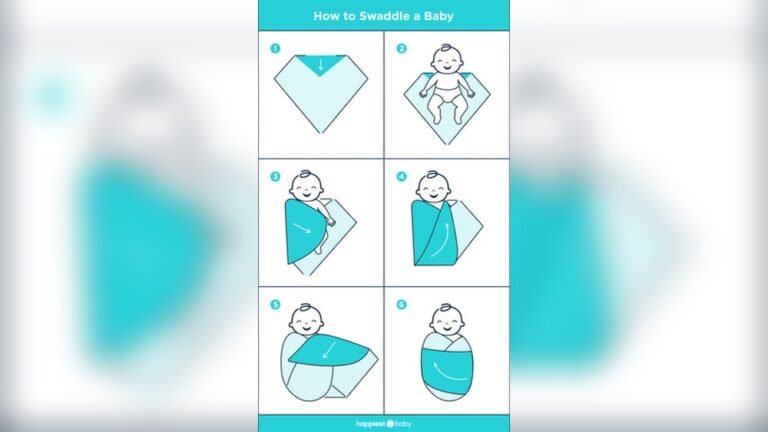
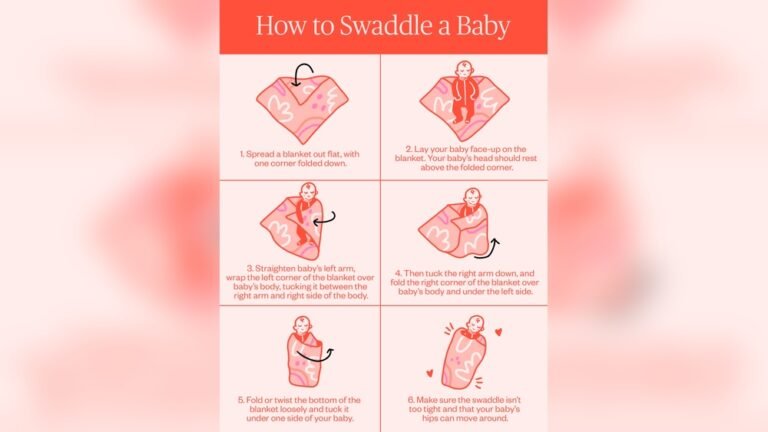
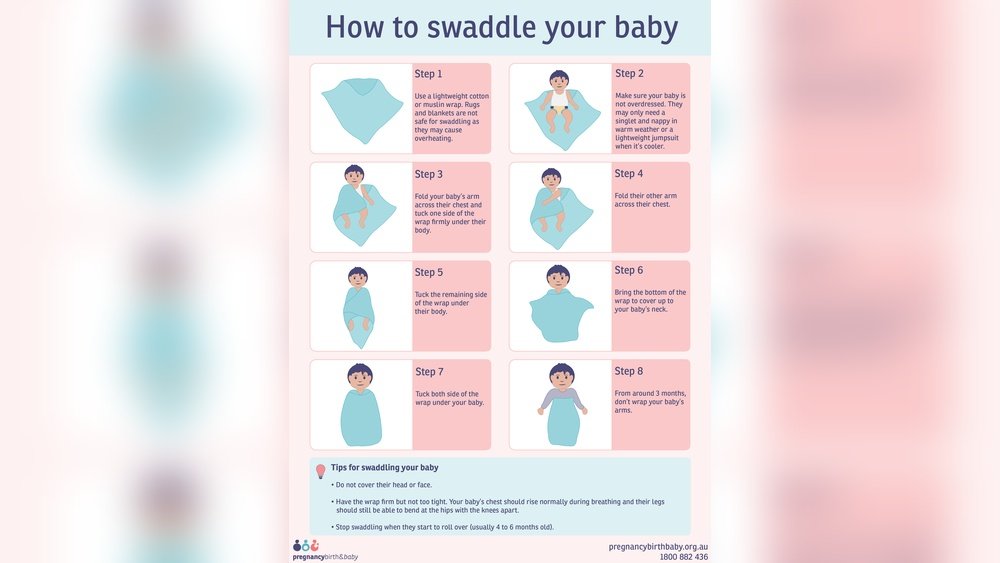
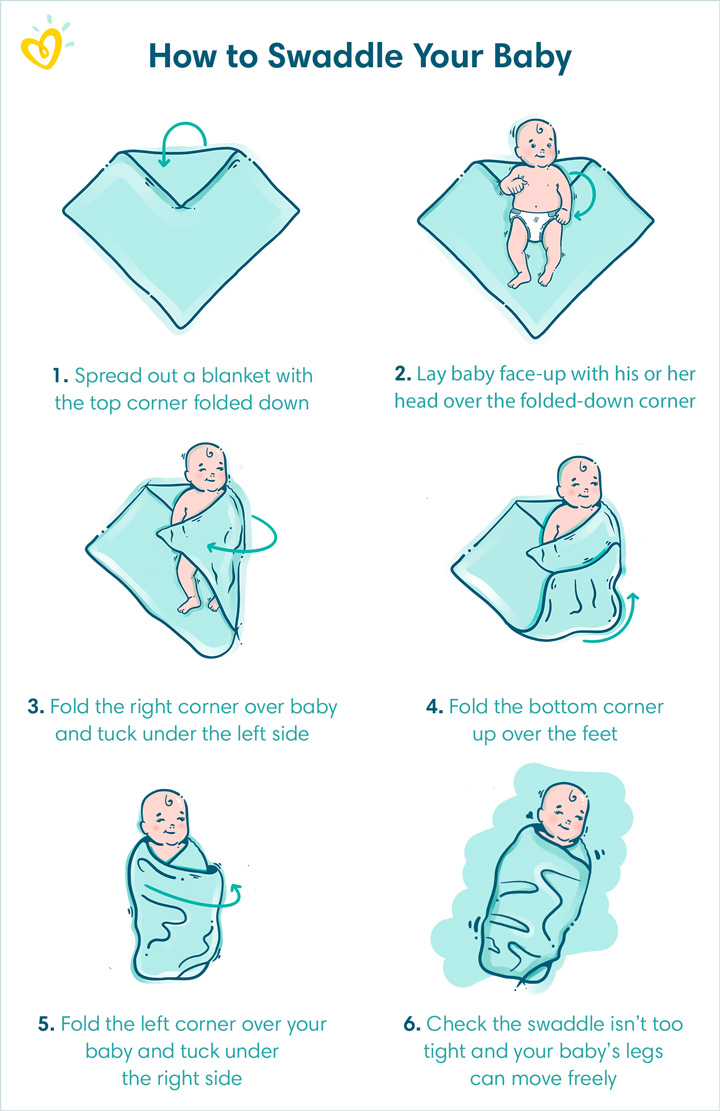
Swaddling your newborn can bring comfort and better sleep. Using safe techniques reduces risks and keeps your baby cozy. Follow these steps to swaddle safely and confidently each night.
Correct Positioning On Back
Always lay your baby on their back for sleep. This position lowers the risk of sudden infant death syndrome. Swaddling does not change this important rule. Use a firm, flat surface for your baby’s sleep area.
Allowing Hip Movement
Do not wrap the swaddle too tight around the hips. Babies need space to move their legs and hips freely. Tight swaddling can cause hip problems later on. Leave enough room for natural hip movement.
Using Breathable Materials
Choose light and breathable fabrics for swaddling. Cotton or muslin cloths work best to prevent overheating. Avoid thick or heavy blankets that trap heat. A cool baby is a safe baby during sleep.
Keeping Face Uncovered
Keep your baby’s face clear of the swaddle at all times. Covering the face can block air and cause suffocation. Make sure the fabric stays below the chin and does not ride up. Check often to keep the face uncovered.
Common Swaddling Mistakes
Swaddling can soothe a newborn and help them sleep better. Yet, mistakes while swaddling might cause discomfort or risks. Knowing common errors helps keep your baby safe and comfy. Here are some frequent swaddling mistakes to avoid.
Swaddling Too Tightly
Wrapping your baby too tightly can limit their movement. It may cause breathing problems or hip issues. The swaddle should be snug but allow room for hip movement. Make sure you can fit two fingers between the blanket and your baby’s chest.
Overheating Risks
Using thick blankets or multiple layers can cause your baby to overheat. Overheating increases the risk of sudden infant death syndrome (SIDS). Use lightweight fabrics and keep the room temperature comfortable. Check your baby’s neck or back to see if they feel warm or sweaty.
Covering Baby’s Face
Ensure the swaddle never covers your baby’s face. A covered face can block breathing and cause suffocation. Keep the blanket below the chin and away from the nose and mouth. Always place your baby on their back to sleep, swaddled or not.
Credit: www.arloren.com
When To Stop Swaddling
Swaddling helps many newborns sleep better and feel secure. But knowing when to stop swaddling is important for your baby’s safety. Babies grow quickly and reach new milestones that change their sleep needs. Stopping swaddling at the right time keeps your baby safe and comfortable through the night.
Signs Baby Can Roll Over
One clear sign to stop swaddling is when your baby can roll over. Rolling means your baby is stronger and more active during sleep. Swaddling limits arm movement, which can be dangerous if your baby rolls onto their tummy. Watch for your baby trying to push up or turn sideways. These movements show your baby is ready to sleep without swaddling.
Transitioning To Sleep Sacks
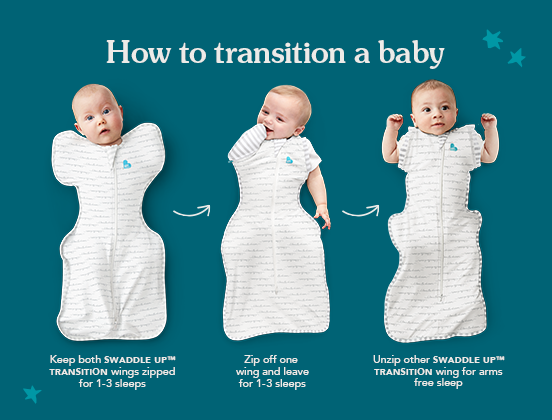
Sleep sacks are a safe alternative to swaddling. They keep your baby warm without restricting movement. When you stop swaddling, try using a sleep sack to help your baby adjust. Choose a sleep sack that fits well and has no loose fabric. This helps your baby feel cozy and safe while learning new sleep habits.
Alternatives To Swaddling
Swaddling is a popular way to help newborns feel secure at night. Some babies love the snug feeling, but others may not. Parents often seek gentle alternatives that still provide comfort and safety. These options support baby’s natural movements and promote better sleep.
Using Sleep Sacks
Sleep sacks are wearable blankets that keep babies warm without tight wrapping. They allow free movement of arms and legs, reducing the risk of hip problems. Sleep sacks come in different sizes and materials, fitting newborns comfortably.
Parents find sleep sacks easy to use and safer than loose blankets. They maintain a cozy environment while allowing babies to move their hands freely. This freedom can help babies self-soothe and settle down more easily.
Offering Comfort With Hands Free
Some babies prefer having their hands near their face for comfort. Instead of tight swaddling, let your baby keep their hands free. This method supports natural reflexes and can reduce fussiness.
Using a soft, breathable sleep suit or romper can help maintain warmth without restricting arm movement. Gentle rocking, white noise, or a pacifier can also provide soothing without the need for swaddling. This approach respects the baby’s need for comfort and freedom at night.
Credit: lovetodream.com
Consulting Healthcare Providers
Consulting healthcare providers is an important step for parents deciding about swaddling their newborn at night. Medical experts can give personalized advice based on your baby’s health and development. They help ensure swaddling is done safely and effectively.
Addressing Parent Concerns
Healthcare providers listen carefully to parents’ worries. They explain the benefits and risks of swaddling in clear, simple terms. This guidance helps parents feel confident and reduce anxiety. Questions about sleep safety, breathing, and comfort are answered directly.
Individual Baby Needs
Every baby is unique. Doctors assess your baby’s health, size, and muscle tone. They recommend swaddling only if it suits your newborn’s needs. For some babies, swaddling may not be safe or comfortable. Providers suggest alternatives that support better sleep and safety.
Swaddling And Sids Risks
Swaddling a newborn can bring comfort and help them sleep longer. Parents often wonder about its safety, especially regarding Sudden Infant Death Syndrome (SIDS). Understanding the relationship between swaddling and SIDS risks is important. This section explains current medical advice and ways to reduce dangers.
Current Medical Guidelines
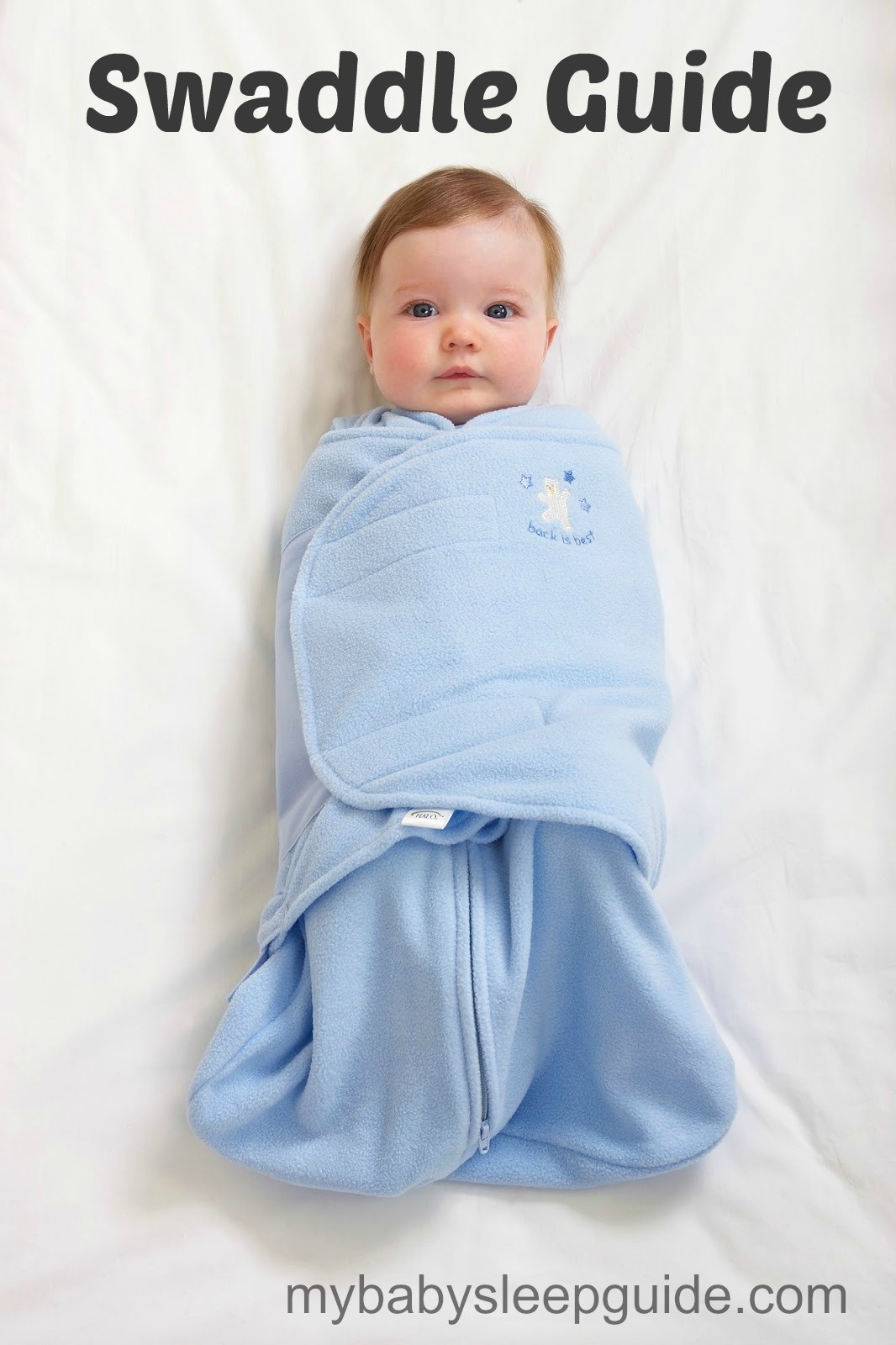
Medical experts say swaddling is safe if done right. Babies should always sleep on their backs. This position lowers the risk of SIDS significantly. The swaddle must not be too tight around the hips. Tight swaddling can cause hip problems. Avoid covering the baby’s face or head to prevent suffocation. Swaddling should stop once the baby starts rolling over. This helps avoid the risk of the baby getting stuck on their tummy.
Minimizing Risks
Use a lightweight, breathable fabric for swaddling. Avoid heavy blankets that cause overheating. Keep the room temperature comfortable, not too hot. Check the swaddle often to make sure it stays secure but not tight. Never add pillows, toys, or loose bedding in the crib. These items increase the risk of suffocation. Follow these steps to keep swaddling safe and lower SIDS risks.
Credit: www.mybabysleepguide.com
Frequently Asked Questions
Is It Okay To Swaddle A Newborn At Night?
Yes, swaddling a newborn at night is safe if done correctly. Keep the swaddle snug but loose around hips, place baby on their back, avoid overheating, and stop swaddling once the baby can roll over. Always ensure the face stays uncovered for safe sleep.
Can A Newborn Sleep Unswaddled In A Bassinet?
Yes, a newborn can sleep unswaddled in a bassinet. Ensure the baby sleeps on their back on a firm, flat surface. Avoid loose blankets or items in the bassinet to reduce SIDS risk. Monitor the baby’s comfort and temperature for safe, unswaddled sleep.
Can You Leave A Newborn Unswaddled At Night?
Yes, you can leave a newborn unswaddled at night. Ensure the baby sleeps on their back on a firm surface. Use appropriate clothing to avoid overheating. Stop swaddling once the baby shows signs of rolling over to keep them safe and comfortable.
How Many Hours A Day Should A Newborn Be Swaddled?
Swaddle your newborn during naps and nighttime sleep, typically 12–16 hours daily. Stop swaddling once they begin to roll over. Ensure the swaddle is snug but allows hip movement, keeps the baby on their back, and prevents overheating for safe sleep.
Conclusion
Swaddling can help your newborn sleep better at night. Always swaddle safely to protect your baby’s health. Use a light blanket and keep hips loose for comfort. Stop swaddling when your baby tries to roll over. Watch your baby closely and adjust as needed.
Every baby is different; trust your instincts and stay informed. Swaddling is just one way to help your baby feel secure and sleep well.