
Step by Step Guide to Using Infant Car Seat: Safe & Easy Tips
When it comes to keeping your baby safe on the road, using an infant car seat correctly is one of the most important steps you can take. But if you’re feeling overwhelmed by all the instructions and safety tips, don’t worry—you’re not alone.
This step-by-step guide will walk you through everything you need to know, from installing the car seat to securing your little one properly every time you drive. By following these simple steps, you can travel with confidence, knowing your baby is protected and comfortable.
Ready to learn how to use your infant car seat the right way? Let’s get started.
Choosing The Right Infant Car Seat
Choosing the right infant car seat is a crucial step for your baby’s safety and comfort. It ensures your child travels securely and meets legal standards. This guide helps you understand key factors before buying a seat.
Types Of Infant Car Seats
Infant car seats come mainly in two types: traditional and convertible. Traditional seats are rear-facing only and fit newborns well. Convertible seats can change from rear-facing to forward-facing as your child grows. Choose a seat that fits your car and lifestyle.
Safety Standards To Check
Check for safety certifications on every car seat. Look for labels showing compliance with federal standards. Seats with side-impact protection offer extra safety. Make sure the seat has a strong frame and secure harness system. Avoid seats without clear safety labels.
Age And Weight Guidelines
Infant car seats have specific age and weight limits. Most seats fit babies from birth to about 1 year old. Weight limits usually range from 4 to 35 pounds. Always follow the manufacturer’s guidelines to keep your baby safe. Replace the seat if your child outgrows these limits.
Preparing For Installation
Preparing an infant car seat for installation is a key step for your baby’s safety. Taking time to get ready ensures a smooth and secure setup. This preparation helps avoid mistakes that can put your child at risk. Follow these simple steps to get ready before installing the seat.
Reading The Manual
Start by reading the car seat manual carefully. Each model has unique instructions and safety tips. The manual explains how to use the seat correctly. It shows proper harness adjustments and how to lock the base. Keep the manual handy during installation for quick reference.
Gathering Necessary Tools
Check what tools you need for installation. Most seats require no tools, but some may need a wrench or screwdriver. A locking clip or seat belt lock might be needed too. Collect all items before starting. This saves time and helps avoid interruptions.
Choosing The Installation Spot
Select the best spot in your car for the seat. The back seat is the safest place for infants. Choose a flat, stable area without airbags nearby. Avoid the front seat if possible. Ensure there is enough space to secure the seat tightly.
Installing The Car Seat Base
Installing the car seat base correctly is crucial for your baby’s safety. The base serves as the foundation, keeping the infant car seat secure in your vehicle. Proper installation reduces the risk of injury during sudden stops or accidents.
This section explains how to install the car seat base using two common methods. Follow each step carefully to ensure a firm and safe fit.
Using Latch System
The LATCH system uses built-in anchors in your car. Locate the lower anchors in the vehicle seat crease. Attach the car seat base connectors to these anchors. Push down firmly while tightening the straps. Make sure the base does not move more than one inch side to side or front to back.
Securing With Seat Belt
Thread the vehicle seat belt through the base belt path. Buckle the seat belt securely. Lock the seat belt by pulling it all the way out, then letting it retract. Press down on the base while tightening the belt. Confirm the base stays firmly in place.
Checking For Tightness
Once installed, test the base for tightness. Grab the base near the belt path and try to move it. It should not shift more than one inch. A loose base can be dangerous in a crash. Double-check your work to keep your baby safe.
Attaching The Infant Car Seat
Attaching the infant car seat correctly is crucial for your baby’s safety during every trip. This step ensures the seat is firmly connected to the car base, preventing unwanted movement. Follow the instructions carefully to secure the seat properly.
Clicking The Seat Into The Base
Align the infant car seat with the base in your vehicle. Lower the seat gently until you hear a clear click sound. This sound confirms the seat has locked into the base. Avoid forcing the seat to prevent damage to the locking mechanism.
Verifying Secure Attachment
After clicking the seat, pull it upwards to check for movement. The seat should not wiggle or detach from the base. Double-check the connection by pressing down firmly on the seat. A secure attachment keeps your baby safe during sudden stops or turns.
Adjusting The Harness And Straps
Adjusting the harness and straps correctly is vital for your baby’s safety. Proper adjustment keeps the infant secure during travel. It also prevents discomfort and injury. Follow these steps carefully to ensure the best fit for your child.
Positioning Shoulder Straps
The shoulder straps must be at or just below your baby’s shoulders. For rear-facing seats, this position supports the head and neck. Adjust the straps by loosening or tightening the harness. Check that the straps lie flat without twists. Proper strap placement helps protect your baby in a crash.
Setting Harness Tightness
The harness should be snug but not too tight. Pull the adjustment strap to remove slack. You should not be able to pinch extra webbing at the shoulder. A tight harness keeps your baby secure and limits movement. Loose straps can increase injury risk during sudden stops.
Placing Chest Clip Properly
Place the chest clip at armpit level, across your baby’s chest. This clip keeps the shoulder straps in the correct place. Do not position it too high or low. A correctly placed chest clip prevents the straps from slipping off the shoulders. It ensures the harness works as intended.

Credit: www.wideworldofindoorsports.com
Placing Your Baby Safely
Placing your baby safely in the infant car seat is the most important step. Correct placement reduces injury risk during travel. It also helps your baby feel secure and comfortable. Follow these simple steps to ensure your baby is positioned properly every time you use the car seat.
Correct Baby Positioning
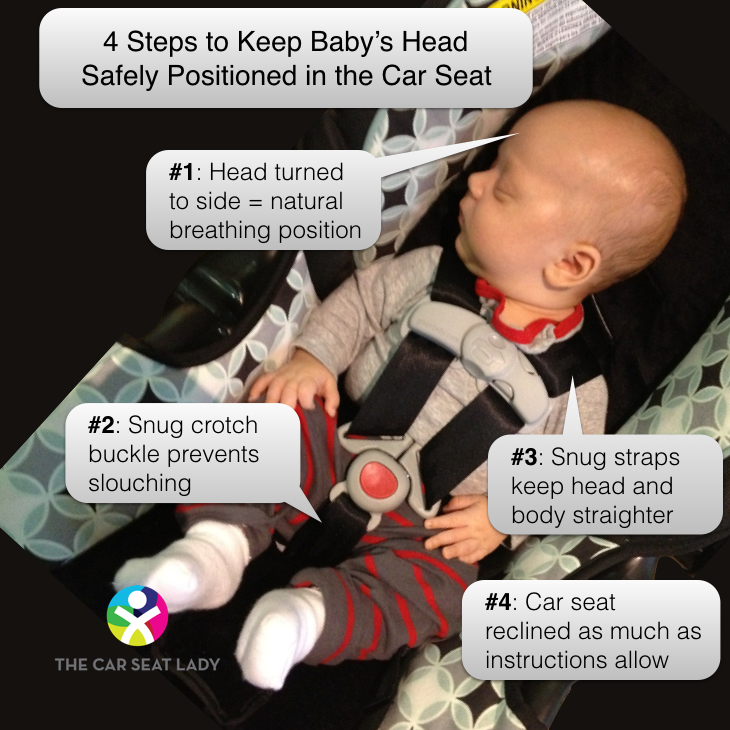
Place your baby with their back flat against the car seat. Keep their bottom and back snug against the seat’s back. The baby’s hips should be slightly bent and legs relaxed. The harness straps must lie flat and snug on the shoulders. Position the chest clip at armpit level to hold straps in place.
Avoiding Bulky Clothing
Do not dress your baby in thick coats or bulky clothing inside the car seat. Bulky clothes create space between the harness and baby. This reduces the harness’s effectiveness during a crash. Dress your baby in thin layers and cover them with a blanket after buckling. This keeps your baby warm and safe without extra bulk.
Ensuring Head Support
Support your baby’s head to prevent it from falling forward. Use the car seat’s built-in headrest or approved inserts. These keep the head aligned with the spine. Avoid adding soft items like pillows or blankets around the head. Keep the baby’s chin off the chest to maintain an open airway.
Regular Safety Checks
Regular safety checks on your infant car seat keep your baby safe during every ride. Car seats face wear and tear over time. Parts can loosen or break without notice. Checking the seat often helps catch problems early. This ensures the seat stays secure and comfortable for your child.
Monitoring Harness Fit
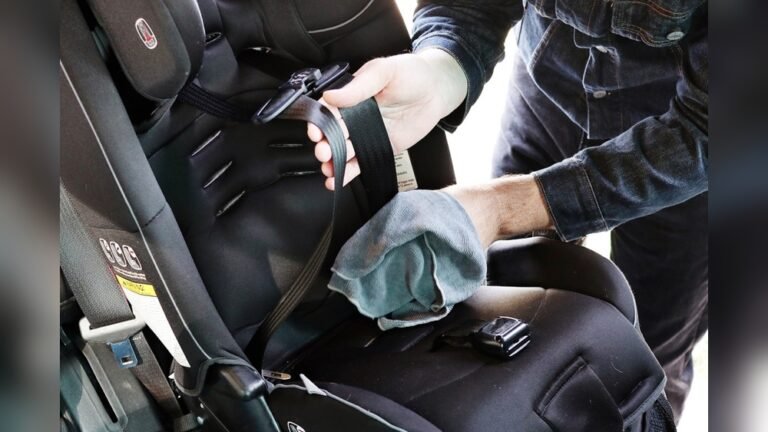
The harness must fit snugly around your baby. Loose straps can cause injury in a crash. Check the harness before each trip. The straps should lie flat without twists. Adjust the harness so it is tight but not uncomfortable. The chest clip should sit at armpit level.
Inspecting Seat For Damage
Look over the car seat for cracks, tears, or broken parts. Damage can weaken the seat’s protection. Check the shell, base, and straps carefully. Make sure the buckles click and release easily. Replace the seat if you find any serious damage or wear.
Adjusting For Growth
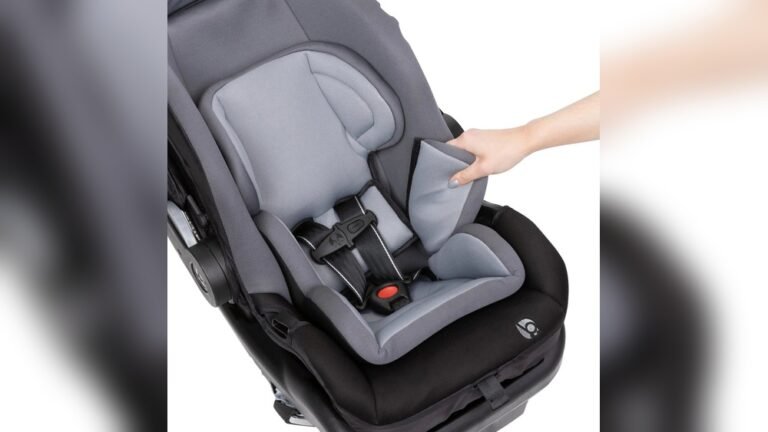
Your baby grows fast. Adjust the car seat settings to match their size. Raise the harness slots to the right height as your child grows. Change the recline position if the seat allows. Keep the seat fitting well to protect your baby properly.
Credit: www.imperfecthomemaking.com
Using The Car Seat During Travel
Using an infant car seat during travel requires careful attention to safety and comfort. Proper use ensures your baby stays secure and happy throughout the journey. Small steps make a big difference in travel safety and ease.
Safe Driving Tips
Drive smoothly and avoid sudden stops or sharp turns. Maintain a safe speed and keep a good distance from other vehicles. Avoid distractions like phone use or eating while driving. Always check that the car seat is properly installed before starting. Secure the harness snugly around your baby every time you drive.
Taking Breaks And Stretching
Stop every one to two hours during long trips. Take your baby out of the seat to stretch and move. Use this time for tummy time or gentle leg exercises. Avoid leaving your baby in the car seat for too long to prevent discomfort. Check the harness fit after breaks to keep your baby safe and comfortable.
Keeping Baby Comfortable
Dress your baby in soft, breathable clothes suitable for the car temperature. Use a car seat cover to shield from sun or wind but avoid bulky blankets inside the seat. Keep the car well-ventilated to prevent overheating. Bring favorite toys or pacifiers to soothe your baby. Monitor your baby often to ensure they stay calm and happy during travel.
Removing Your Baby From The Seat
Removing your baby from the infant car seat requires care and attention. It ensures your child stays safe and comfortable. This process involves unbuckling the harness and lifting the seat correctly. Follow these steps to avoid any sudden movements that might startle or hurt your baby.
Unbuckling The Harness
First, locate the harness buckle between your baby’s legs. Press the release button firmly. Gently pull the harness straps away from your baby’s shoulders. Avoid yanking the straps quickly. This prevents discomfort and keeps your baby calm.
Check that all straps are fully loosened before lifting. Keep your hand on your baby’s chest to support them. This also helps your baby feel secure during the process.
Lifting The Infant Seat Safely
Place one hand under the infant seat’s base. Use your other hand to support the back of the seat. Lift the seat slowly and smoothly. Hold your baby close to your body for added support.
Keep your baby’s head and neck stable while lifting. Avoid sudden jerks or twists. This protects your baby’s fragile spine and neck. Carry the seat carefully to the destination, like a stroller or your home.
Transitioning To Next Car Seat Stage
Moving your child to the next car seat stage is an important step. It ensures comfort and safety as they grow. Knowing the right time to switch helps avoid risks. This guide explains how to recognize when to change, what options to consider, and how to keep safety standards high.
Recognizing When To Change
Check the car seat’s height and weight limits. Most infant seats fit babies up to 30 pounds. Also, watch your child’s head position. If it is near the top edge, it’s time to change. If your child sits uncomfortably or their legs extend too far, consider switching seats. Follow the car seat manual and local laws for guidance.
Options After Infant Seat
After the infant seat, choose a convertible car seat or a combination seat. Convertible seats can face rear or forward. Rear-facing is safest until your child reaches the height limit. Forward-facing seats are for older toddlers. Some seats grow with your child, saving money and space. Pick a seat that fits your car and child well.
Maintaining Safety Standards
Always install the new car seat tightly using the seat belt or LATCH system. The seat should not move more than an inch side to side. Check the harness fit for snugness. The straps must lie flat without twists. Keep the chest clip at armpit level. Regularly inspect the seat for damage or recalls. Proper use keeps your child safe on every trip.
Credit: thecarseatlady.com
Frequently Asked Questions
How To Properly Use An Infant Car Seat?
Place the infant car seat rear-facing in the back seat. Secure the base tightly using seatbelt or LATCH. Adjust harness straps at or below baby’s shoulders. Buckle the harness snugly with no slack. Recline the seat properly to keep the baby’s airway open and head supported.
What Is The 2 Hour Rule For Car Seats?
The 2-hour rule limits car seat use to 2 hours to prevent breathing issues, spinal strain, and discomfort in infants. Always remove babies for breaks and reposition them to ensure safety and comfort.
What Are The Four Stages Of Car Seats In Order?
The four stages of car seats in order are: Rear-Facing, Forward-Facing with harness, Booster Seat, and Adult Seatbelt.
Is It Better To Latch Or Seatbelt A Car Seat?
Both LATCH and seatbelt methods secure car seats safely. Use LATCH for convenience and seatbelt if weight limits exceed LATCH guidelines. Always follow car seat and vehicle manufacturer instructions for proper installation.
Conclusion
Using an infant car seat correctly keeps your baby safe during every ride. Follow each step carefully to install and secure the seat. Always check the harness fits snugly and the seat is properly reclined. Take breaks on long trips to let your baby stretch and move.
Regularly review safety guidelines as your child grows. Safe travel starts with the right car seat use every time.