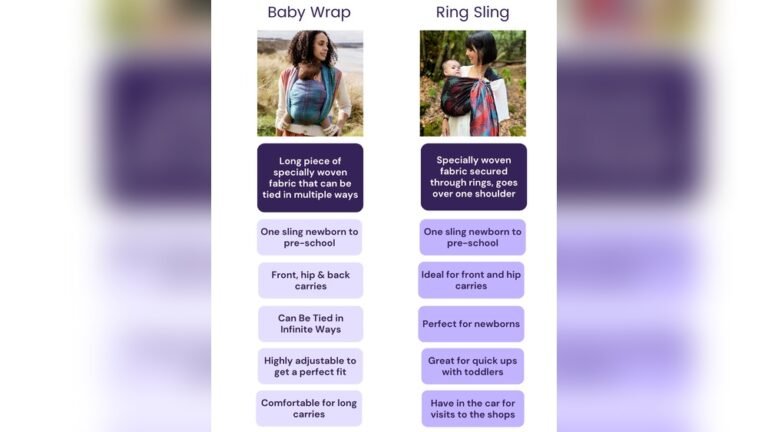

How to Use a Ring Sling Simple Beginner Guide for Comfortable Baby Carrying
Are you ready to discover a simple and comfortable way to keep your baby close while staying hands-free? Using a ring sling might feel tricky at first, but with the right steps, you’ll find it easy and natural.
This step-by-step guide will walk you through everything you need to know, from threading the sling to safely carrying your little one. By the end, you’ll feel confident and connected, making every moment with your baby even more special. Let’s get started and unlock the joy of babywearing together!
Choosing The Right Ring Sling
Choosing the right ring sling is key for safe and comfortable babywearing. The perfect sling fits your needs and keeps your baby secure. Understanding fabric, rings, and sizing helps you pick the best option.
Fabric Types And Comfort
Ring slings come in various fabrics. Cotton is soft and breathable, ideal for all seasons. Linen feels cool and strong, great for warm weather. Bamboo blends are gentle and stretchy, perfect for sensitive skin.
Look for fabric that supports your baby well. It should feel smooth on your skin. Avoid rough or stiff materials that cause discomfort. A soft sling ensures both you and baby stay cozy.
Ring Materials And Safety
Rings hold the sling securely. Most slings use aluminum or stainless steel rings. Aluminum rings are lightweight but strong. Stainless steel rings are heavier and very durable.
Check that rings have smooth edges. Sharp or rough edges can damage the fabric or hurt your baby. Safety-tested rings meet strict quality standards. Choose slings with sturdy, reliable rings for peace of mind.
Sizing Your Sling
Sizing matters for ease of use and comfort. Ring slings come in different lengths. Shorter slings suit smaller adults or quick carries. Longer slings work well for bigger bodies or multiple carry positions.
Measure your torso or try slings before buying. The right size lets you adjust the sling easily. It also helps distribute your baby’s weight evenly. Proper sizing makes babywearing a pleasant experience.

Credit: 1ststep.com
Preparing Your Ring Sling
Preparing your ring sling properly sets the foundation for a safe and comfortable babywearing experience. This step ensures the sling fits well and supports your baby securely. Taking time to get it right helps avoid discomfort and keeps your baby close.
Threading The Sling Correctly
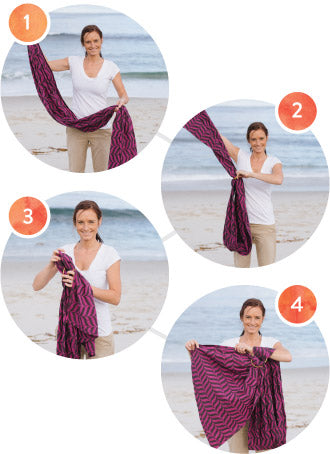
Start by locating the two rings on your sling. Place them over your shoulder with the rings resting near your collarbone. Take the loose end of the fabric and thread it through both rings. Pull the fabric back over the first ring and under the second ring. This creates a secure lock to hold the sling in place.
Adjusting The Rings For Fit
Hold the rings firmly while pulling the fabric to tighten the sling. Adjust the fabric so it fits snugly without being too tight. The sling should support your baby’s weight evenly across your shoulder. Make small adjustments until it feels comfortable and secure.
Spreading Fabric On Shoulder
Spread the fabric wide across your shoulder to distribute weight evenly. This prevents pressure points and increases comfort during wear. Smooth the fabric so there are no wrinkles or folds. A well-spread sling supports both you and your baby better.
Positioning Your Baby
Positioning your baby correctly in a ring sling is key for comfort and safety. A good position supports your baby’s body and keeps them close. It also helps you carry your baby longer without strain. Different carries suit different baby ages and sizes.
Use the right carry to match your baby’s stage. Newborns need more support, while older babies enjoy more freedom. Learn simple techniques to place your baby safely and comfortably in the sling.
Front Carry For Newborns
Place your newborn high on your chest for close contact. The fabric should support their head, neck, and back. Keep the baby’s face visible and free from fabric. Their legs should be in a natural “M” shape, with knees higher than the bottom. Tighten the sling so the baby feels snug but not squeezed. This position helps newborns feel secure and promotes bonding.
Hip Carry For Older Babies
Hip carry suits babies with good head control. Position your baby on your side, resting their bottom low on your hip. The sling fabric must spread wide across the baby’s back and bottom. Keep the rings near your shoulder for better weight distribution. This carry allows baby to look around while staying close. It also frees one arm for other tasks.
Back Carry Basics
Back carry works well for older babies and toddlers. First, place your baby on your back using the sling fabric for support. Ensure the fabric covers from baby’s bottom up to their shoulders. Keep the rings tight and near your shoulder. Check that baby’s airway is clear and chin is off their chest. This carry gives you freedom of movement and keeps baby secure.

Credit: melliapis.com
Securing Your Baby Safely
Securing your baby safely in a ring sling is the top priority. Proper support and positioning keep your little one comfortable and protected. This section explains key steps to ensure your baby stays secure and happy while you wear the sling.
Supporting Baby’s Head And Neck
Always support your baby’s head and neck firmly. For newborns, the neck muscles are weak. Use the sling fabric to hold the head close to your chest. Adjust the sling so the baby’s head does not flop backwards. Keep the head aligned with the spine to avoid strain. This support prevents injury and helps your baby feel safe.
Ensuring Proper Leg Position
Position your baby’s legs in an “M” shape. The knees should be higher than the bottom. The sling must support the thighs and bottom fully. Avoid letting the legs dangle straight down. Proper leg position promotes healthy hip development. Check that the fabric spreads well under the legs for comfort and safety.
Checking For Comfort And Security
Make sure the sling fits snugly without tightness. Your baby should be close enough to kiss. Check for any gaps between the baby and your body. The fabric must hold the baby securely without pinching. Look for even weight distribution across your shoulder. Adjust the rings and fabric to keep your baby safe and comfortable.
Adjusting And Tightening
Adjusting and tightening your ring sling correctly ensures both you and your baby stay comfortable and secure. This step helps you find the perfect fit and support for carrying your little one. Follow each step carefully to avoid discomfort and keep your baby safe.
Pulling The Fabric Through The Rings
Hold the two rings firmly with one hand. Use your other hand to pull the fabric tail through both rings. Pull the fabric until it feels snug but not too tight. Make sure the fabric lays flat and does not twist. This step locks the sling in place and supports your baby’s weight.
Removing Slack Without Discomfort
Gently pull the fabric to remove any slack. Avoid pulling too hard, which can cause discomfort. The sling should feel tight enough to hold your baby close. Check that your baby’s position stays secure during this step. A well-fitted sling prevents shifting and ensures safety.
Balancing Weight Evenly
Spread the fabric across your shoulder evenly. Adjust the sling so your baby’s weight rests comfortably. Make sure the fabric supports your baby’s back and bottom well. A balanced sling reduces strain on your shoulder and back. This helps you carry your baby longer with ease.
Credit: babytula.co.uk
Common Mistakes To Avoid
Using a ring sling offers comfort and closeness with your baby. Avoiding common mistakes improves safety and ease. These simple tips help you use the sling correctly every time.
Incorrect Ring Positioning
The rings must sit high on your shoulder, near your collarbone. Too low or too far back causes discomfort. It also makes the sling less secure. Check the rings before each use to keep them in the right spot.
Loose Fabric Issues
Loose fabric can cause the baby to slip or feel unstable. Pull the fabric tight to create a snug fit. Make sure the sling spreads evenly across your back and shoulder. This spreads the weight and keeps the baby safe.
Unsafe Baby Postures
The baby’s head and neck need proper support. Avoid slumping or letting the baby’s chin rest on their chest. Keep the baby’s face visible and close enough to kiss. This ensures clear airways and comfort.
Caring For Your Ring Sling
Caring for your ring sling ensures it stays safe and comfortable for your baby. Proper care helps maintain the fabric’s strength and softness. It also keeps the sling clean and fresh for every use.
Follow simple steps to wash, maintain, and store your sling. These steps help extend the life of your sling and keep your baby cozy and secure.
Washing And Maintenance Tips
Use gentle, mild detergent to wash your ring sling. Avoid bleach or fabric softeners that can weaken the fabric. Hand wash or machine wash on a gentle cycle with cold water.
Do not tumble dry your sling. Air dry it flat or hang it in a shaded area. Check the sling for any damage before each use. Repair small tears promptly to avoid bigger problems.
Storing Your Sling Properly
Store your ring sling in a clean, dry place away from direct sunlight. Fold it neatly to prevent wrinkles and damage. Avoid placing heavy items on top of it.
Keep your sling out of reach of pets and sharp objects. A cloth storage bag or breathable container works well. Proper storage keeps your sling ready for safe babywearing anytime.
Advanced Tips For Experienced Users
Advanced users of ring slings often seek ways to enhance their babywearing experience. These tips focus on improving comfort, flexibility, and functionality. They help you carry your baby more easily in different situations. Even experienced users can find these suggestions useful.
Using a ring sling with twins or switching between carry styles requires practice and confidence. Adjusting the sling for personal comfort ensures longer wear without strain. Below are practical tips to support your advanced ring sling use.
Using Your Sling With Twins
Carrying twins with a ring sling demands careful planning. Use two slings, one on each shoulder, to balance weight evenly. Place one baby in front and the other on your back or hip. Always check that both babies are secure and comfortable. Practice at home before going outside. Twins need extra support and frequent adjustments.
Transitioning Between Carry Positions
Switching carry positions smoothly saves time and effort. Start with your baby in a front carry, then gently shift to a hip carry. Keep one hand on your baby at all times. Loosen the fabric slightly to allow movement but keep tension to hold your baby safely. Practice transitions in a safe space to build confidence and avoid slips.
Customizing For Personal Comfort
Adjust your ring sling to fit your body perfectly. Spread the fabric wide across your shoulder for even weight distribution. Tighten or loosen the sling to reduce pressure points. Use extra padding on the shoulder if needed. Adjust the sling’s height to keep your baby close and supported. Personal comfort helps you carry longer without pain or fatigue.
Frequently Asked Questions
What Is A Ring Sling And How Does It Work?
A ring sling is a long fabric with two rings used to carry babies. It works by threading fabric through the rings to create a secure pouch. This allows comfortable, hands-free carrying while keeping the baby close.
How Do I Properly Thread A Ring Sling?
Hold the two rings on your shoulder, angled forward. Pull the fabric end through both rings, then back through one ring. Adjust the fabric to ensure a snug and safe fit for you and your baby.
Can I Use A Ring Sling For Newborns?
Yes, ring slings are perfect for newborns. They provide excellent head and neck support. Always position your baby upright, with a clear airway, and ensure the sling is tightened properly for safety.
How Do I Adjust A Ring Sling For Comfort?
Spread the fabric wide over your shoulder to distribute weight evenly. Tighten the sling by pulling the tail fabric through the rings. Adjust the baby’s position as needed to avoid discomfort or pressure points.
Conclusion
Using a ring sling can make carrying your baby easier and more comfortable. Practice threading and adjusting the sling slowly. Always keep your baby secure and close to you. With time, you will feel more confident and relaxed. Remember to check the sling’s fit each time you use it.
Enjoy the special closeness and hands-free convenience it offers. Keep safety as your top priority while exploring different carrying positions. This simple tool can support you and your baby every day.
I’m Melissa Turner, a mom of two passionate about helping parents make confident buying decisions. I research and review baby gear, compare trusted products, and share practical parenting tips based on careful research. My goal is to simplify shopping with honest, easy-to-understand guides that put safety, comfort, and value first. I focus on baby carriers, strollers, feeding essentials, nursery products, and everyday parenting gear. I hope my recommendations help make your parenting journey a little easier and more enjoyable.