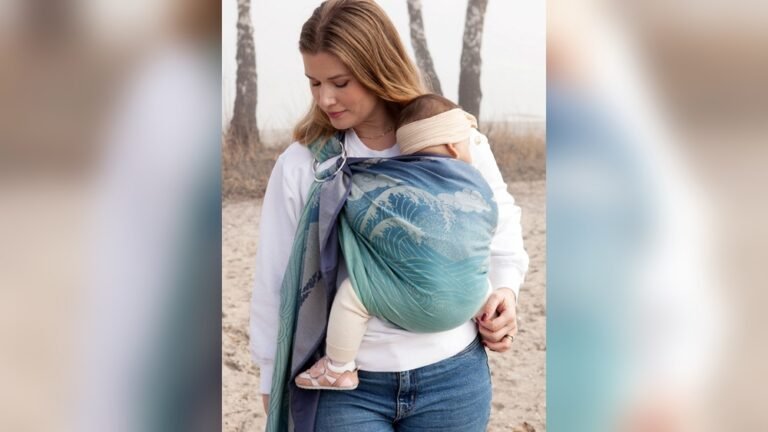

Are Ring Slings Safe? Expert Tips Every Parent Should Know
Are Ring Slings Safe? A Real Mom’s Guide to Safe, Confident Babywearing
If you are a new parent or caregiver, you may wonder: Are ring slings safe? The concise answer is—Yes, ring slings are safe when used correctly. They are a trusted tool for babywearing, offering comfort, closeness, and hands-free convenience. But like any baby carrier, safety depends on proper use, understanding good positioning, and following guidelines like T.I.C.K.S. (Tight, In view, Close enough to kiss, Keep chin off chest, Supported back).
As a mom who has worn all my children in ring slings for years, I can share firsthand how safe, practical, and soothing they are—when you know the basics. Let’s explore how to use ring slings confidently, avoid common mistakes, and make babywearing comfortable for both you and your child.
What Is A Ring Sling?
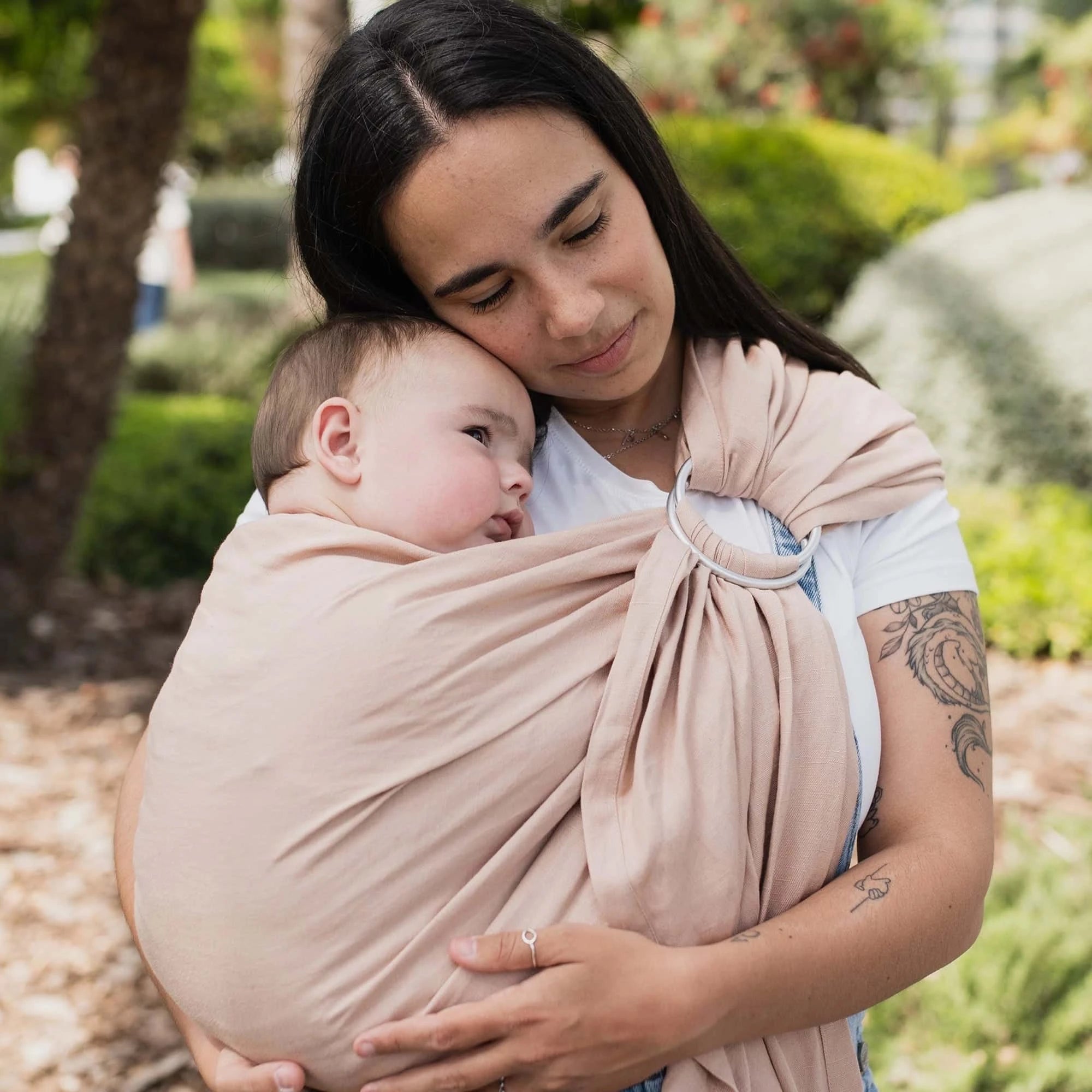
A ring sling is a long piece of fabric with two sturdy rings sewn at one end. You thread the fabric through the rings to create a secure loop, then wear it across your shoulder and torso. The rings help you adjust the sling for a snug fit.
Ring slings work for newborns, infants, and toddlers. They are easy to adjust, quick to put on, and great for breastfeeding on the go.
Why Parents Choose Ring Slings
- Keeps baby close for bonding
- Hands-free convenience for chores, errands, or walks
- Easy to adjust for feeding or naps
- Works for newborns and older babies
- Compact and portable—fits in a diaper bag
T.i.c.k.s. Babywearing Safety Checklist
Before putting your baby in a ring sling, always remember T.I.C.K.S.:
- Tight: The sling should hold baby snug against your body; loose fabric is unsafe.
- In view at all times: Baby’s face must be visible—never covered by fabric.
- Close enough to kiss: You should be able to kiss baby’s head easily.
- Keep chin off chest: There should be space between baby’s chin and chest (at least one finger’s width) to prevent breathing problems.
- Supported back: Baby’s back should be straight and supported, not slumping.
Following T.I.C.K.S. makes ring slings safe for all ages.
How To Wear A Ring Sling: Step-by-step
Wearing a ring sling is simple, but the first time can feel tricky. Here’s how I teach new parents:
Step 1: Thread The Sling
- Hold the sling by the rings.
- Spread the fabric wide, then thread it through both rings.
- Pull back over one ring and under the other—like threading a belt buckle.
- Spread the fabric in the rings so it’s not twisted.
Step 2: Position The Sling
- Place the rings just below your shoulder (not right on top).
- Drape the fabric across your back and under the opposite arm.
- Make sure the fabric is wide across your back for comfort.
Step 3: Adjust For Fit
- Pull on the tail (the loose fabric) to tighten.
- The sling should feel snug but not dig into your shoulder.
- The pocket should be ready for baby.
Comfort Tips
- Switch shoulders if you feel sore.
- Keep the rings high enough to avoid slipping down.
- Spread the fabric over your shoulder for support.
Common Mistakes
- Rings too low (can slip and cause discomfort)
- Fabric twisted (harder to tighten and less comfortable)
- Sling too loose (unsafe for baby)
How To Put Baby In A Ring Sling
This process changes a bit depending on baby’s age. For a newborn (0–3 months):
Step 1: Prepare The Sling
- Make sure the sling is threaded and snug.
- Create a deep pocket for baby.
Step 2: Place Baby In The Pocket
- Hold baby against your chest, with their head near your collarbone.
- Slide baby gently into the pocket, legs in a frog position (knees higher than bottom).
Step 3: Adjust And Tighten
- Pull the tail to tighten around baby’s back and bottom.
- Make sure baby’s head is supported, face visible.
Step 4: Check Position
- Baby should be upright, chin off chest, back straight.
- Double-check T.I.C.K.S.
For older babies (4 months+), legs can go outside the sling, in an “M” position.
Age-specific Advice
- Newborns: Always upright, legs tucked or frogged.
- Infants: Legs outside, sling snug, always support head if baby can’t hold it up.
- Toddlers: Use sling for quick carries; watch for tiredness or discomfort.
How To Do A Front Carry With A Ring Sling
The front carry is the most common and safest for newborns and infants.
Steps For Front Carry
- Thread and position the sling as above.
- Place baby in the pocket, tummy-to-tummy with you.
- Pull fabric over baby’s back, knees, and bottom.
- Tighten the sling so baby is snug and upright.
- Check baby’s position—close enough to kiss, face visible.
Comfort Tips
- Adjust shoulder fabric for weight distribution.
- Switch sides if one shoulder gets sore.
- Use front carry for newborns until baby has strong head control.
Common Mistakes
- Sling too loose (baby slumps)
- Baby’s chin on chest (dangerous for breathing)
- Fabric covers baby’s face
When To Use Front Carry
- Newborns (0–3 months)
- Infants (up to 6 months or until sitting up)
- When baby needs extra support
How To Do A Hip Carry With A Ring Sling
The hip carry is great for older babies who can sit up and hold their head.
Steps For Hip Carry
- Position rings near your shoulder.
- Open pocket wide, place baby on your hip.
- Slide baby’s legs out, in “M” position—knees higher than bottom.
- Spread fabric across baby’s back and bottom.
- Tighten sling so baby sits high and snug.
Comfort Tips
- Use hip carry for babies 6 months+.
- Switch hips to avoid soreness.
- Baby’s arm can be inside or outside the sling, depending on preference.
Common Mistakes
- Baby too low (can strain your back)
- Sling not tight enough (baby leans away)
- Baby not in “M” position (uncomfortable for hips)
When To Use Hip Carry
- Babies 6 months and older
- Toddlers who want to look around
- Quick carries around the house
How To Breastfeed In A Ring Sling
Ring slings are perfect for breastfeeding discreetly and comfortably. Here’s how:
Step-by-step Breastfeeding
- Loosen the sling slightly to lower baby to breast height.
- Support baby’s head with your arm or the sling fabric.
- Make sure baby’s nose and mouth are clear.
- After feeding, reposition baby upright and retighten the sling.
Comfort And Safety Tips
- Always return baby to upright position after feeding.
- Make sure baby’s face is visible during feeding.
- Don’t let baby’s chin rest on chest.
Common Mistakes
- Leaving baby in a reclined position after feeding (risk of suffocation)
- Not tightening sling after feeding
Age-specific Advice
- Newborns: Support head carefully, monitor breathing.
- Older babies: More control, but still check positioning.
Credit: www.infinibandta.org
Ring Sling Safety By Age: Comparison Table
Here’s a quick summary of ring sling safety for different ages.
| Age | Carry Type | Key Safety Points | Common Mistakes |
|---|---|---|---|
| Newborn (0-3 months) | Front carry | Upright, head supported, chin off chest | Loose sling, chin on chest, covered face |
| Infant (4-6 months) | Front or hip carry | Legs in “M” position, close enough to kiss | Baby too low, sling not tight |
| Toddler (6 months+) | Hip carry | High on hip, knees higher than bottom | Baby leans out, uneven weight |
Ring Sling Vs. Other Baby Carriers
Let’s compare ring slings with other popular carriers.
| Carrier Type | Ease of Use | Adjustability | Age Range | Breastfeeding Support |
|---|---|---|---|---|
| Ring Sling | Quick, easy | Highly adjustable | Newborn to toddler | Excellent |
| Soft-structured carrier | Moderate | Limited | Infant to toddler | Good |
| Wrap | Slow, tricky | Highly adjustable | Newborn to infant | Excellent |

Credit: www.infinibandta.org
Practical Tips For Safe, Comfortable Ring Sling Use
- Start with short carries until you feel confident.
- Practice at home before using outside.
- Use a mirror to check positioning.
- Check rings for quality—metal rings are safest.
- Wash sling before first use to soften fabric.
- Don’t use damaged or torn slings.
Two Insights Beginners Often Miss
- Sling adjustment is ongoing. Babies move, wriggle, and grow. It’s normal to tighten the sling several times during a carry.
- Shoulder placement matters. Rings too close to your neck cause pain; too far down slip and make the sling unsafe. Find your sweet spot just below the shoulder.
Recognizing Unsafe Ring Sling Use
Unsafe use is rare, but it’s important to know signs:
- Baby is slumping or not upright
- Fabric covers baby’s face
- Sling is loose and baby can wiggle out
- Rings are slipping down the shoulder
Stop and re-adjust immediately if you notice any of these.
Trusted Sources And Expert Guidance
Many experts, like the Babywearing International and pediatricians, support ring slings as safe when used with proper guidelines. You can find further details at U.S. Consumer Product Safety Commission.

Credit: www.infinibandta.org
Key Takeaways
- Ring slings are safe when used with proper positioning and T.I.C.K.S. Checks.
- Always keep baby upright, with face visible and chin off chest.
- Use front carry for newborns and hip carry for older babies.
- Breastfeeding in a ring sling is convenient, but always return baby to upright after feeding.
- Adjust the sling often for comfort and safety.
- Check sling and rings for quality before each use.
- Practice at home, trust your instincts, and enjoy the closeness with your child.
Babywearing is a journey. With patience, practice, and the right information, you can feel confident that your ring sling is a safe, loving choice for you and your baby.
I’m Melissa Turner, a mom of two passionate about helping parents make confident buying decisions. I research and review baby gear, compare trusted products, and share practical parenting tips based on careful research. My goal is to simplify shopping with honest, easy-to-understand guides that put safety, comfort, and value first. I focus on baby carriers, strollers, feeding essentials, nursery products, and everyday parenting gear. I hope my recommendations help make your parenting journey a little easier and more enjoyable.