Step by Step Guide to Using Baby Carrier | Easy & Safe Tips
Using a baby carrier can change the way you experience daily life with your little one. It keeps your hands free, strengthens your bond, and helps your baby feel safe and cozy.
But if you’re new to baby carriers, it might feel tricky or even overwhelming at first. Don’t worry—this step-by-step guide is designed just for you. You’ll learn how to put on your carrier correctly, keep your baby comfortable and secure, and enjoy the freedom that comes with babywearing.
Keep reading, and soon you’ll be confidently using your baby carrier like a pro!

Credit: wrapyourbaby.com
Choosing The Right Carrier
Choosing the right baby carrier is key for both you and your baby’s comfort. The right carrier supports your baby’s body and fits your lifestyle. It makes carrying your baby easier and safer. Understanding different types and features helps pick the best one.
Types Of Baby Carriers
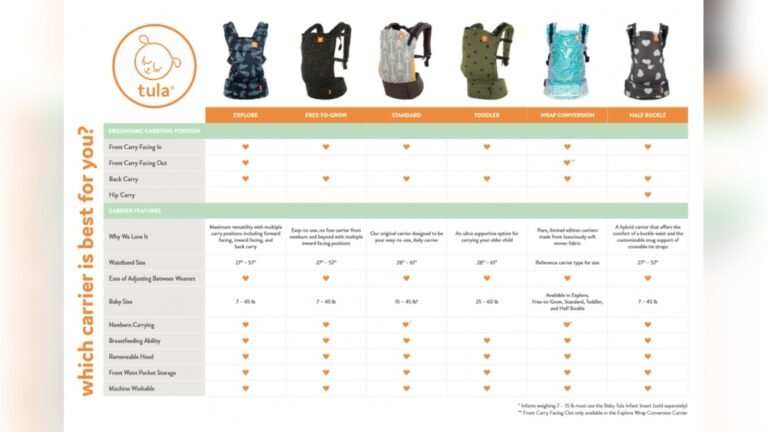
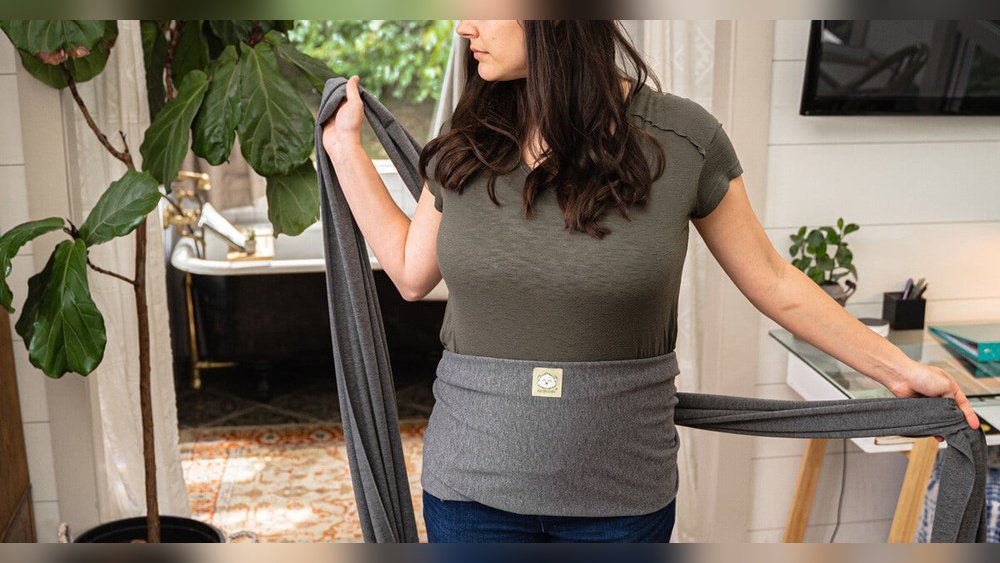
Baby carriers come in several styles. Wraps are long cloths that you tie around your body. Slings are fabric bags worn over one shoulder. Soft-structured carriers have buckles and padded straps. Each style offers different support and ease of use. Pick one that suits your daily needs.
Materials And Comfort
Look for soft, breathable fabrics. Cotton and linen are gentle on baby’s skin. They also keep you cool in warm weather. Padding on straps and waistbands adds comfort. Avoid rough or stiff materials that can irritate skin. Comfort helps you wear the carrier longer without pain.
Carrier Size And Fit
Size matters for safety and comfort. Choose a carrier that fits your body shape well. Adjustable straps help customize the fit. Your baby should sit snugly without slipping. The carrier should support baby’s hips and spine correctly. Test the carrier with your baby before buying if possible.
Preparing Your Baby
Preparing your baby before using a baby carrier ensures a safe and comfy experience. Proper preparation helps your baby feel secure and happy. This step is vital for both you and your little one.
Ideal Baby Age And Weight
Most baby carriers suit newborns and older babies. Check the carrier’s instructions for age and weight limits. Newborns usually need extra head and neck support. Babies weighing between 7 and 35 pounds fit most carriers well. Always choose a carrier that matches your baby’s size.
Dressing Your Baby For Comfort
Dress your baby in soft, breathable clothes. Avoid bulky layers that can cause overheating. Thin layers work best and allow easy adjustments. Socks and hats help keep your baby warm. Ensure clothes do not restrict movement or cause discomfort.
Health And Safety Checks
Before placing your baby in the carrier, check for any signs of discomfort. Make sure their airway stays clear and their chin is off the chest. Inspect the carrier for secure straps and buckles. Keep your baby’s hips in a natural “M” position to avoid strain. Stop if your baby shows any distress.
Basic Wearing Techniques
Using a baby carrier helps keep your baby close and your hands free. Basic wearing techniques make carrying safe and comfortable for both you and your baby. Each method fits different situations and baby ages. Learn these simple steps to wear your baby securely and enjoy your time together.
Front Carry Steps
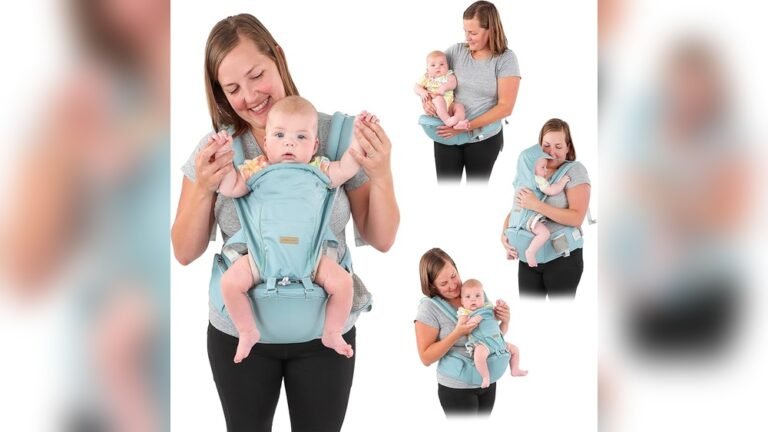
Place the carrier on your chest with straps over your shoulders. Hold your baby against your chest, facing inward. Secure the baby by fastening all buckles or tying straps. Adjust straps to fit snugly but comfortably. Make sure your baby’s head is supported. Check that your baby’s legs form an “M” shape. Keep baby’s face visible and close enough to kiss.
Back Carry Steps
Put the carrier on your back before lifting the baby. Secure the straps around your waist and shoulders. Carefully lift your baby onto your back. Hold the baby firmly and fasten all buckles or ties. Adjust straps to keep baby close and secure. Ensure the baby’s legs are in a natural position. Always check baby’s airway is clear and head supported.
Hip Carry Steps
Place the carrier on your hip, balancing weight evenly. Hold your baby on your hip with one arm. Secure the baby with carrier straps or fasteners. Adjust straps for comfort and safety. Baby’s legs should wrap around your waist naturally. Keep baby’s head supported and airway open. Use this carry for quick, short movements or soothing.
Securing The Carrier
Securing the baby carrier correctly is essential for your child’s safety and comfort. This step ensures the baby stays snug and you feel balanced. Follow these simple instructions to fasten the carrier properly and enjoy your time together.
Adjusting Straps And Fasteners
Start by loosening all straps before placing your baby in the carrier. Adjust the shoulder straps to fit your body shape. Buckle all fasteners securely but avoid over-tightening. Check that clips click into place with a clear sound. Make small changes until the carrier feels comfortable on you.
Ensuring Proper Support
Support your baby’s head and neck with the carrier’s built-in features. Make sure the baby’s back is straight and not slouched. Position the baby in the natural “M” shape with knees higher than the bottom. Use any included padding or inserts for extra support if needed. Proper support prevents strain for both you and your baby.
Balancing Weight Evenly
Distribute your baby’s weight evenly across both shoulders. Adjust the waist belt to sit snugly on your hips. Avoid carrying the baby too high or too low on your chest. Balanced weight prevents back pain and helps you move freely. Check the fit regularly as you carry your baby for longer periods.
Positioning Your Baby Safely
Positioning your baby safely in a carrier is crucial for comfort and health. Proper placement supports your baby’s body and helps prevent injuries. It also ensures your baby feels secure and calm during carrying. Follow these simple steps for safe positioning in your baby carrier.
M-shape Leg Position
Keep your baby’s legs in an M-shape. This means knees are higher than the bottom. The legs should spread naturally around your waist. This position supports healthy hip development. Avoid letting the legs dangle straight down. Proper leg position reduces the risk of hip dysplasia.
Supporting The Neck And Head
Newborns and young babies need neck and head support. Their muscles are still weak. Use the carrier’s headrest or your hand to support them. Make sure the head stays close to your chest. Avoid letting the head flop backward or sideways. Correct support prevents strain and keeps your baby comfortable.
Maintaining Clear Airways
Check that your baby’s airways are open and clear. The face should be visible and not pressed against your body. Keep the chin off the chest to avoid breathing problems. Ensure there is space for air to flow freely. Regularly check your baby’s breathing while in the carrier.
Credit: www.bibliotecaoscura.com
Common Mistakes To Avoid
Using a baby carrier is a wonderful way to keep your little one close. Yet, many parents make simple mistakes that affect safety and comfort. Avoiding these errors helps both you and your baby enjoy the experience. Here are common mistakes to watch out for during babywearing.
Incorrect Strap Tightness
Straps that are too loose cause the baby to sag. This can strain your back and make the baby unsafe. Straps that are too tight may hurt your baby or you. Adjust straps until the baby feels secure but comfortable. Check tightness regularly as you move around.
Poor Baby Alignment
Improper positioning can harm your baby’s hips and spine. The baby’s legs should be in an “M” shape with knees higher than the bottom. Avoid slumping or forcing the baby to sit straight. Keep the baby’s back curved naturally and head supported. Good alignment supports healthy growth and comfort.
Ignoring Baby’s Cues
Babies often show when they are uncomfortable or tired. Watch for signs like fussing, turning the head, or arching the back. Stop and adjust the carrier or take a break if needed. Responding to your baby’s signals keeps them happy and safe during babywearing.
Caring For Your Carrier
Taking good care of your baby carrier helps keep it safe and comfortable. Proper care extends its life and keeps your baby happy. Follow simple steps for cleaning, storing, and checking your carrier.
Cleaning Instructions
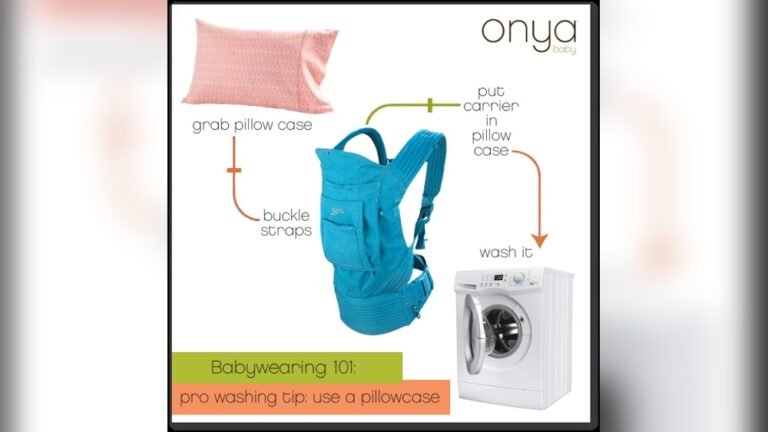
Check the label for washing guidelines. Most carriers can be hand washed or machine washed on a gentle cycle. Use mild detergent without bleach. Avoid fabric softeners as they can weaken the fabric. Air dry your carrier flat or hang it up. Do not use a dryer to prevent damage.
Storage Tips
Store your carrier in a cool, dry place away from direct sunlight. Avoid folding it tightly to keep the fabric and straps in good shape. Use a breathable bag or container to protect it from dust. Keep it out of reach of pets and children when not in use.
Inspecting For Wear And Tear
Regularly check all buckles, straps, and seams for damage. Look for frayed fabric or loose threads. Test the buckles to ensure they lock securely. Replace or repair parts if you find any weakness. Safety depends on a strong, intact carrier.
Tips For Comfort And Convenience
Comfort and convenience matter most when using a baby carrier. They help both parent and baby enjoy every moment together. Simple tips can make wearing your baby easier and more pleasant. These tips cover dressing smartly, adding helpful accessories, and adjusting the carrier for longer use.
Dressing For Different Weather
Choose soft, breathable clothes for warm days. Light fabrics keep your baby cool and dry. On cold days, layer your baby’s clothes for warmth. Use hats and mittens to protect little hands and heads. Dress yourself in comfortable, stretchable clothes for easy movement. Avoid bulky jackets that make the carrier fit tight.
Using Accessories
Use drool pads to keep the carrier clean and dry. These pads are easy to remove and wash. Attach a small toy or pacifier clip to keep your baby entertained. Sunshades protect your baby’s skin from harsh sunlight. Rain covers shield your baby from wet weather. Keep a small diaper bag close for quick diaper changes.
Adjusting For Long Wear
Check all straps for a snug but comfy fit. Tighten or loosen straps to balance the weight evenly. Change your baby’s position now and then to avoid stiffness. Take short breaks to stretch your back and shoulders. Use padded straps or add extra cushions for more comfort. Stand tall with good posture to reduce strain.

Credit: 1ststep.com
Frequently Asked Questions
How Do I Properly Position My Baby In A Carrier?
Position your baby so their hips form an “M” shape. Support their neck and head, ensuring their face is visible and close enough to kiss. This helps keep your baby safe and comfortable while using the carrier.
When Is The Best Time To Start Using A Baby Carrier?
You can start using a baby carrier from newborn age if it supports their head and neck properly. Always follow the manufacturer’s guidelines and ensure your baby’s safety and comfort during use.
How Do I Ensure Safety While Using A Baby Carrier?
Check that the baby’s airway is clear and their chin is off their chest. Secure all straps and buckles firmly. Regularly inspect the carrier for wear and tear to maintain safety standards.
What Are The Benefits Of Using A Baby Carrier?
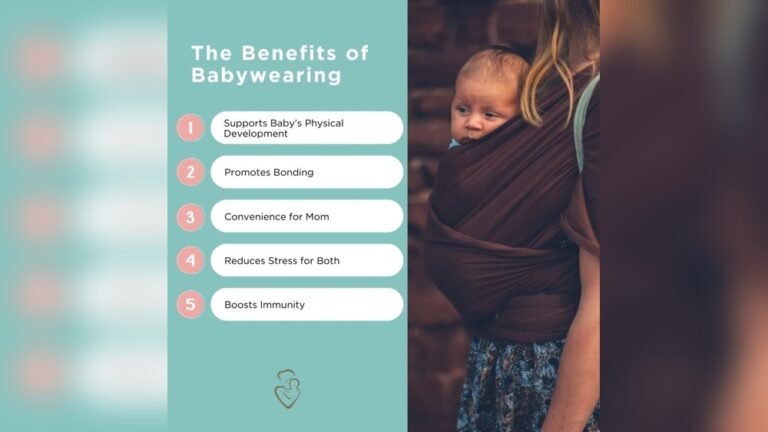
Baby carriers promote bonding, allow hands-free mobility, and soothe fussy babies. They also help with breastfeeding on the go and support the baby’s physical development when used correctly.
Conclusion
Using a baby carrier can make daily life easier and more enjoyable. Follow each step carefully for your baby’s safety and comfort. Practice tying and adjusting the carrier until you feel confident. Always check the fit to avoid strain or discomfort.
Remember, a well-used carrier helps you stay close to your baby. Keep exploring new ways to carry as your child grows. Enjoy the special moments and hands-free convenience every day.
I’m Melissa Turner, a mom of two passionate about helping parents make confident buying decisions. I research and review baby gear, compare trusted products, and share practical parenting tips based on careful research. My goal is to simplify shopping with honest, easy-to-understand guides that put safety, comfort, and value first. I focus on baby carriers, strollers, feeding essentials, nursery products, and everyday parenting gear. I hope my recommendations help make your parenting journey a little easier and more enjoyable.