How to Choose the Right Baby Carrier with so many options available ?
Choosing the right baby carrier can feel overwhelming with so many options available. But finding the perfect one for you and your little one makes all the difference.
You want a carrier that’s safe, comfortable, and easy to use—one that fits your lifestyle and supports your baby’s development. In this guide, you’ll discover simple tips to help you pick a carrier that keeps your baby close and your hands free.
Keep reading to learn how to choose a baby carrier that works just right for both of you.

Credit: www.homeandontheway.com
Carrier Types
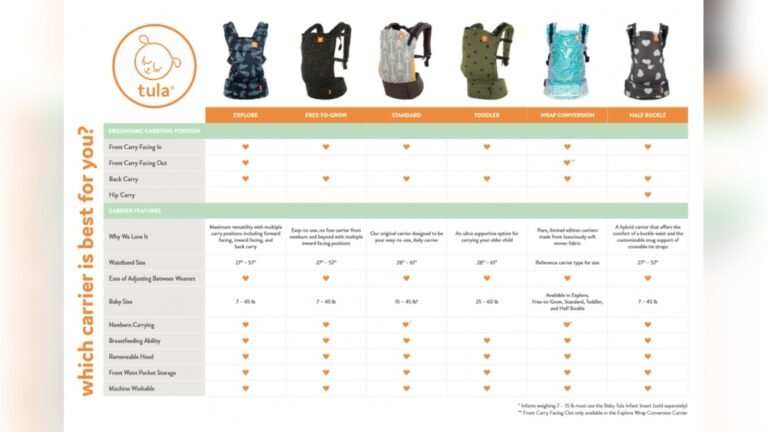
Choosing the right baby carrier starts with understanding the different types available. Each carrier offers unique features that suit various needs and lifestyles. Knowing these types helps in picking the best fit for both parent and baby.
Soft Structured Carriers
Soft structured carriers have padded straps and buckles for support. They provide comfort for long wear and distribute weight evenly. These carriers are easy to put on and adjust. Many models allow front and back carrying positions. They suit babies from newborn to toddler age.
Wraps
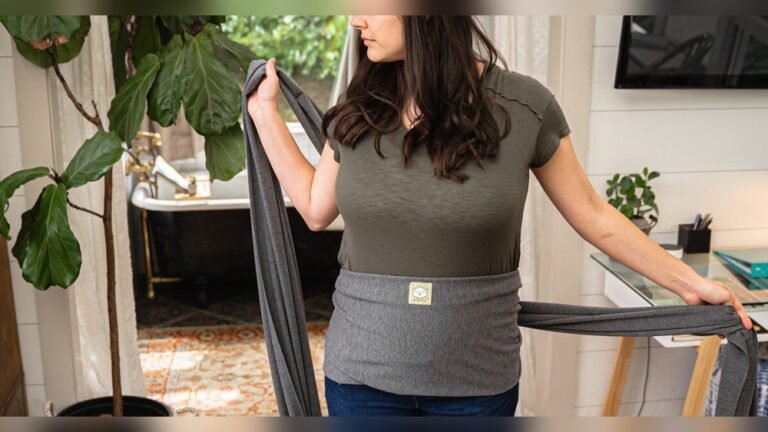
Wraps are long pieces of fabric that you tie around your body. They offer a snug, close fit for newborns and small babies. Wraps come in stretchy or woven materials. Stretchy wraps are simple to use but fit smaller babies only. Woven wraps can carry heavier toddlers and offer more support.
Ring Slings
Ring slings use two rings to adjust the fabric for carrying. They allow quick and easy adjustments with one hand. Ring slings work well for short trips and quick baby holding. They are lightweight and fold easily for travel. Ring slings suit babies who like to be held upright.
Onbuhimos
Onbuhimos are backpack-style carriers without a waist belt. They are perfect for carrying older babies and toddlers. The shoulder straps offer good support while keeping the hips free. Onbuhimos are ideal for hot weather or parents with back pain. They allow baby to sit high on the back.
Key Safety Features
Choosing the right baby carrier means focusing on safety first. Your baby’s comfort and health depend on key safety features. These features protect your child and give you peace of mind. Always check for these important details before buying a carrier.
Hip-healthy Design
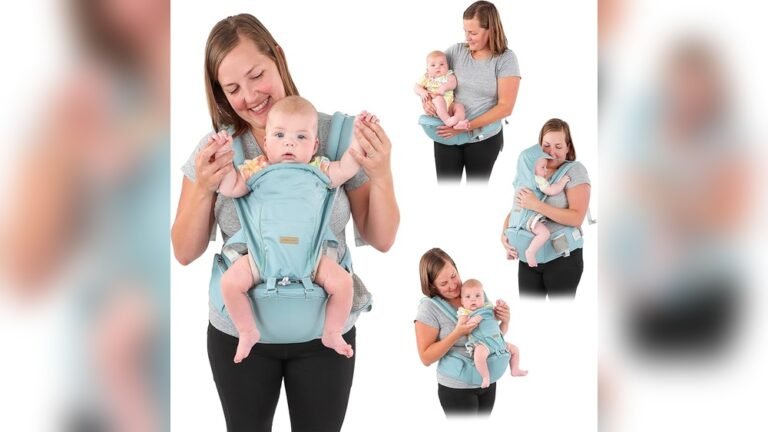
A hip-healthy design supports your baby’s hips in a natural position. It helps prevent hip problems later in life. Look for carriers that keep your baby’s legs spread and knees bent. This “M” shape is best for hip development. Avoid carriers that force your baby’s legs to hang straight down.
Weight Capacity
Every baby carrier has a weight limit for safety. Check the maximum and minimum weight the carrier can hold. Using a carrier outside this range can be unsafe. Choose a carrier that fits your baby’s current weight and size. Also, consider how long you want to use the carrier as your baby grows.
T.i.c.k.s. Guidelines
The T.I.C.K.S. rules help keep your baby safe in any carrier. T stands for Tight—make sure the carrier holds your baby close. I means In view at all times—always see your baby’s face. C means Close enough to kiss—your baby’s head should be near your chin. K stands for Keep chin off the chest—avoid blocking your baby’s airway. S means Supported back—your baby’s back must be straight and supported.
Comfort And Fit
Comfort and fit are key when choosing a baby carrier. A well-fitted carrier keeps both you and your baby happy. It helps avoid pain and discomfort during long wear. Choosing the right fit ensures better support and safety for your child. Focus on features that provide comfort for your body and your baby’s needs.
Padded Straps And Support
Padded straps reduce pressure on your shoulders and back. They make carrying your baby lighter and easier. Good padding prevents soreness after long use. Supportive straps distribute your baby’s weight evenly. This helps protect your posture and reduces fatigue. Look for wide, cushioned straps for maximum comfort.
Adjustability For Growth
Babies grow fast, so your carrier must adjust easily. Adjustable straps and seats allow a perfect fit for different sizes. This means you can use the carrier from newborn to toddler. Check for easy-to-use buckles and sliders. A carrier that grows with your baby saves money and hassle.
Breathable Materials
Choose carriers made from breathable fabrics. These materials keep both you and your baby cool. Breathable fabrics reduce sweating and skin irritation. Cotton and mesh are good examples of breathable materials. They help maintain comfort in warm weather and during active use.

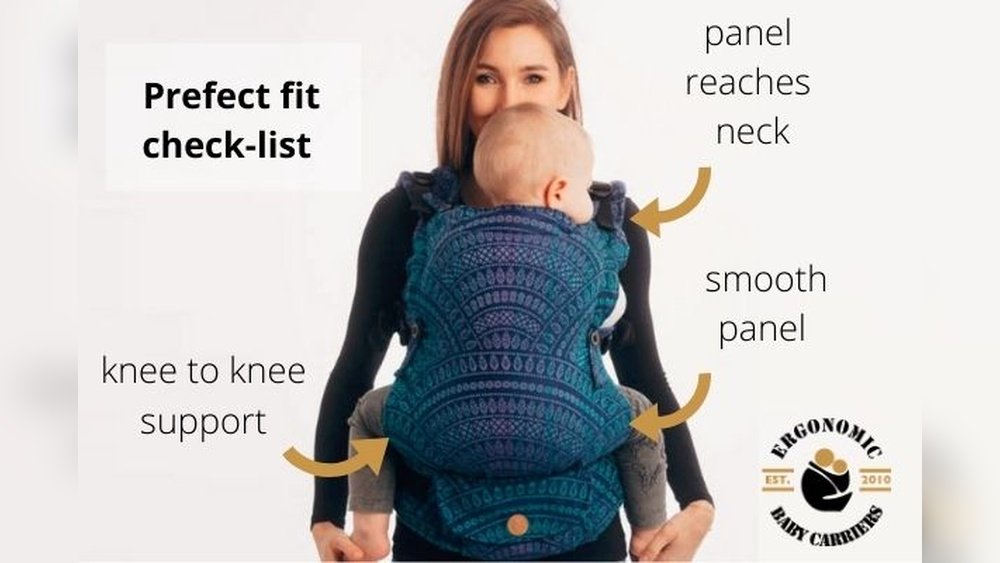
Credit: ergonomic-baby-carriers.com
Positioning Your Baby
Positioning your baby correctly in a carrier is essential for comfort and safety. Proper placement supports healthy development and helps your baby feel secure. It also reduces strain on your body during wear. Focus on how your baby’s body aligns inside the carrier. This section covers key points to ensure your baby is positioned well every time.
M-position Benefits
The M-position means your baby’s knees are higher than the bottom. This shape supports hip development and reduces risk of hip problems. It helps keep the hips wide and healthy. Carriers that promote the M-position provide better comfort for your baby. This position also helps maintain natural spine curves.
Height And Visibility
Place your baby high enough so you can easily see their face. This keeps your baby close and improves bonding. Your baby should be close enough to kiss. Avoid carriers that let the baby hang too low. Proper height keeps your baby safe and allows quick checks on breathing and comfort.
Back And Neck Support
Good carriers support your baby’s back in a natural curve. Neck support is crucial for newborns and young babies. Their muscles are still developing and need extra help. Choose carriers with padded, adjustable headrests or panels. This keeps your baby’s head stable and reduces strain during movement.
Ease Of Use
Choosing a baby carrier that is easy to use makes daily life smoother. A carrier that fits well and adjusts quickly saves time. Parents and caregivers need a product that feels natural from the start. Ease of use helps you focus on bonding with your baby, not fumbling with straps or buckles.
Learning Curve
Some baby carriers are simple to use right away. Others need practice to get comfortable. Look for carriers with clear instructions and simple designs. The faster you learn, the more you will enjoy wearing your baby. Try the carrier before buying to see how easily you can put it on and take it off.
Quick Adjustments
Your baby grows fast and needs adjustments often. Choose a carrier that allows quick size changes. Easy-to-use buckles and straps help you adjust on the go. This feature is important for comfort and safety. Quick adjustments mean you spend less time fixing the carrier and more time with your baby.
Sharing Between Caregivers
Many families share baby carriers. A carrier that is easy to adjust fits different bodies well. Choose one that multiple caregivers can use without hassle. Simple straps and clear markings help everyone use it correctly. Sharing a carrier should be smooth and stress-free for all.
Design And Style
The design and style of a baby carrier affect comfort and usability. Choosing the right design helps both parent and baby feel at ease. Style also reflects personal taste. Many options fit different lifestyles and needs.
Aesthetics
Aesthetics play a key role in choosing a baby carrier. Colors and patterns vary widely. Some parents prefer simple, neutral tones. Others enjoy bright, playful prints. A carrier’s look can match your wardrobe or mood. Style can boost confidence while carrying your baby.
Material Choices
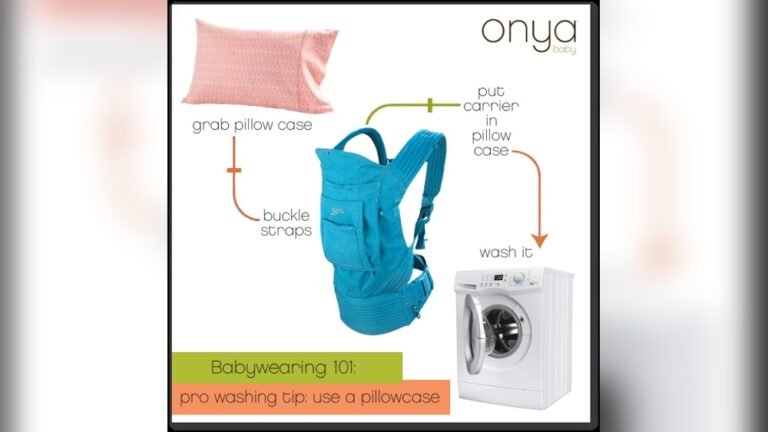
Materials impact comfort and durability. Cotton and linen are soft and breathable. They work well for sensitive baby skin. Synthetic fabrics can add stretch and strength. Look for materials that wash easily. Avoid fabrics that irritate your skin or baby’s.
Seasonal Considerations
Think about the seasons when picking a carrier. Lightweight fabrics suit warm weather. They keep both baby and parent cool. Thicker materials work better in cold months. Some carriers come with removable covers or liners. This flexibility helps use the carrier year-round.
Special Considerations
Choosing the right baby carrier means thinking about special needs. Every baby and parent has unique requirements. Some factors need extra attention to keep your baby safe and comfortable. This section covers key special considerations. It helps you pick the best carrier for your situation.
Newborn Needs
Newborns need strong head and neck support. Their muscles are still weak. A carrier that holds them close and snug is best. Look for carriers that allow a natural fetal position. This supports the baby’s spine and hips. Soft, breathable fabrics keep newborns cozy. Adjustable features help fit newborns safely.
Hip Dysplasia Concerns
Hip dysplasia affects how the hip joint forms. Some babies have this condition or risk for it. Choose carriers that support the baby’s hips widely apart. The “M” shape position is ideal for healthy hip development. Avoid carriers that let legs dangle or press together. Consult your doctor for advice on the best carriers.
Pregnancy-friendly Options
Pregnancy changes your body shape and balance. Some carriers offer designs that support you during pregnancy. Look for carriers with adjustable straps and waistbands. These help reduce pressure on your belly and back. Lightweight and easy-to-wear carriers work well. Always check comfort and fit before buying.
Budget And Durability
Choosing the right baby carrier means balancing budget and durability. Parents want a product that lasts through many uses but also fits their spending plan. Durable carriers offer safety and comfort over time. Understanding price, long-term use, and warranty helps make a smart choice.
Price Ranges
Baby carriers come in many price ranges. Low-cost options may suit short-term needs or occasional use. Mid-range carriers often combine comfort and quality. Premium carriers offer advanced features and robust materials. Decide what features matter most within your budget.
Long-term Use
Durability matters for long-term use. Strong fabrics and sturdy stitching ensure the carrier lasts. Adjustable carriers grow with your child, extending usability. Choose models that support your baby’s weight as they grow. This saves money by avoiding frequent replacements.
Warranty And Support
A good warranty shows the brand’s confidence in its product. Check for coverage length and what it includes. Some brands offer repair services or replacement parts. Customer support helps with questions and issues. These factors protect your investment and offer peace of mind.

Credit: fidella.org
Frequently Asked Questions
How To Pick The Right Baby Carrier?
Choose a baby carrier based on your baby’s age, weight, and comfort. Prioritize ergonomic design, adjustability, safety, and ease of use for best fit.
What Is The Hardest Month For A Baby?
The hardest month for a baby is often around 4 months due to growth spurts and developmental leaps. Babies may cry more and need extra comfort. Parents should stay patient and provide consistent care during this challenging phase.
Can You Use A Baby Carrier With Hip Dysplasia?
You can use a baby carrier with hip dysplasia if it supports the hips in a wide, ergonomic “M” position. Choose carriers labeled “hip-healthy” by experts. Always follow safety guidelines to ensure comfort and proper hip development for your baby.
What Is The Most Recommended Baby Carrier?
The most recommended baby carrier is an ergonomic, hip-healthy soft structured carrier. It offers comfort, safety, and adjustable support for various ages and weights.
Conclusion
Choosing the right baby carrier means focusing on safety and comfort. Find one that fits your baby’s age and weight well. Look for carriers with good support for your baby’s hips and back. Adjustable straps help both you and your baby feel comfortable.
Think about how easy it is to put on and take off. A simple design often works best for daily use. Trust your instincts and try different styles if you can. The right carrier makes carrying your baby easier and more enjoyable.
Keep your baby close and safe with the best fit for both of you.