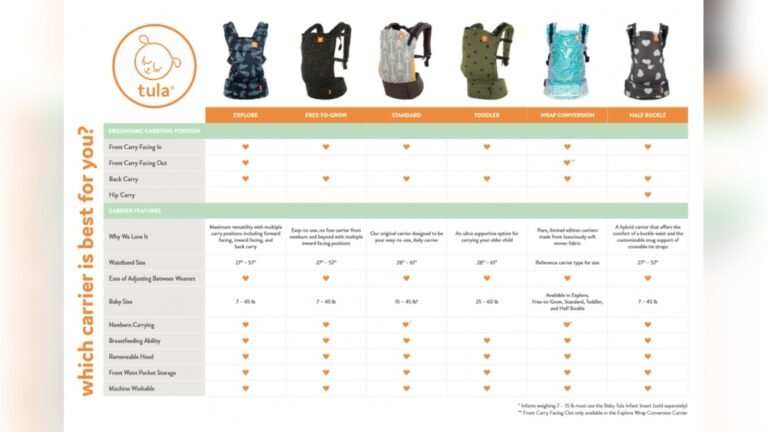

Best Baby Carrier Maintenance Guide for new parent’s
You love your baby carrier because it keeps your little one close, safe, and comfortable. But have you ever thought about how to keep your carrier clean, fresh, and in top shape?
Proper maintenance not only extends the life of your carrier but also ensures your baby stays safe and cozy every time you use it. In this guide, you’ll discover simple, easy steps to clean and care for your baby carrier without any hassle.
Keep reading to learn how you can protect your investment and provide the best for your baby with minimal effort. Your carrier—and your baby—will thank you!

Credit: www.bibliotecaoscura.com
Cleaning Frequency
Keeping your baby carrier clean is vital for your baby’s health and comfort. Knowing how often to wash it helps maintain its quality and safety. Proper cleaning frequency prevents odors and germs from building up.
Cleaning too often may wear out the fabric and straps. Washing too rarely can cause dirt and bacteria to accumulate. Find a balance to keep your carrier fresh and safe for daily use.
When To Wash
Wash your baby carrier before the first use to remove factory residues. After that, wash it only when it looks dirty or smells bad. Spills, sweat, and dirt are signs it needs cleaning. If your baby has a diaper leak or spit-up, clean the carrier soon after.
Check the manufacturer’s instructions for washing guidelines. Most carriers can be washed every few weeks or months depending on use. If you use the carrier daily, wash it more often than if used occasionally.
Spot Cleaning Tips
Spot cleaning is useful for small stains or light dirt. Use a damp cloth with mild detergent or baby-safe soap. Gently rub the stained area and wipe with clean water. Let the carrier air dry completely before using it again.
Spot cleaning saves time and keeps your carrier looking good. Avoid harsh chemicals that could harm the fabric or irritate your baby’s skin. Regular spot cleaning helps reduce the need for full washes.
Washing Techniques
Keeping your baby carrier clean is important for your baby’s health and comfort. Washing techniques vary based on the carrier’s material and construction. Proper washing removes dirt, sweat, and germs without damaging the fabric or structure. Follow these simple steps to maintain your baby carrier effectively.
Hand Washing Steps
Fill a basin with lukewarm water and mild detergent. Submerge the carrier and gently agitate it by hand. Pay attention to stained or soiled areas. Use a soft brush or cloth to scrub lightly if needed. Rinse thoroughly with clean water to remove soap. Avoid wringing the fabric to prevent damage. Lay flat or hang to air dry, away from direct sunlight.
Machine Washing Guidelines
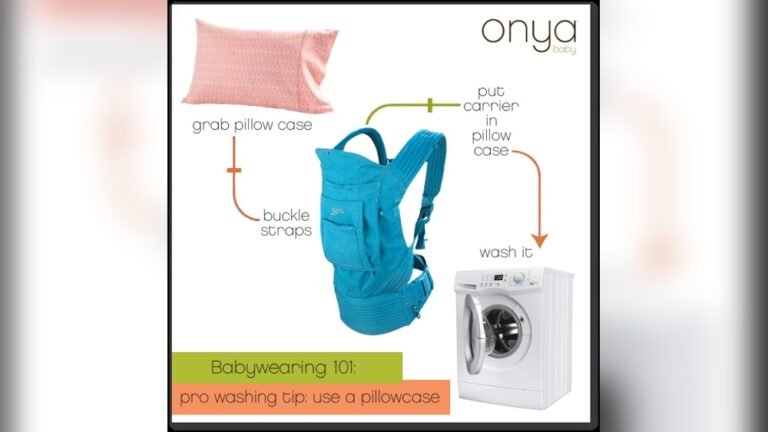
Check the label for machine wash instructions first. Use a gentle or delicate cycle with cold water. Select a mild detergent that is free of bleach or harsh chemicals. Remove any buckles or accessories if possible. Avoid fabric softeners as they reduce fabric breathability. After washing, reshape the carrier and air dry. Never use a dryer, which can weaken straps and fabric.
Using Laundry Bags
Place the baby carrier inside a laundry bag before machine washing. This protects the carrier from getting tangled or damaged. Laundry bags reduce friction with other clothes and prevent straps from catching. Choose a mesh bag with a secure zipper closure. Using a laundry bag extends the life of your baby carrier. It also keeps washing safe and gentle on delicate parts.
Drying And Storage
Proper drying and storage keep your baby carrier clean and safe. These steps help maintain the carrier’s fabric and structure. Drying it correctly prevents mold and bad smells. Storing it well avoids damage and wear. Both are important for a long-lasting baby carrier.
Air Drying Best Practices
After washing, always air dry your baby carrier. Avoid direct sunlight to protect colors and fabric. Lay the carrier flat on a clean surface or hang it in a shaded, well-ventilated area. Do not use a dryer as heat can weaken the material. Make sure it dries completely before storing to prevent mold growth.
Avoiding Damage During Storage
Store your baby carrier in a cool, dry place. Keep it away from sharp objects that could tear the fabric. Avoid folding it tightly to prevent creases and damage to buckles or straps. Use a breathable storage bag or box to protect it from dust. Regularly check the carrier for signs of wear or dirt while stored.

Credit: www.bibliotecaoscura.com
Material Care
Proper material care keeps your baby carrier safe and comfortable. Caring for the fabric and hardware extends the carrier’s life. Clean materials prevent skin irritation for both baby and parent.
Understanding how to maintain different materials helps avoid damage. Follow specific tips for fabrics and be gentle with straps and buckles. This simple routine keeps your carrier fresh and reliable.
Fabric Specific Tips
Cotton carriers are durable and easy to clean. Use mild detergent and cold water to wash them. Avoid bleach and fabric softeners that weaken fibers.
Mesh fabrics dry quickly and allow airflow. Hand wash or use a gentle cycle in the machine. Air dry to keep the mesh strong and intact.
For linen or silk blends, spot clean to prevent damage. Use a soft cloth and gentle soap. Avoid harsh scrubbing or soaking these delicate fabrics.
Handling Straps And Buckles
Check straps regularly for signs of wear or fraying. Clean buckles with a damp cloth to remove dirt and dust. Avoid soaking buckles or using harsh chemicals.
Do not twist or pull straps forcefully. Adjust them smoothly to keep the fabric and hardware in good condition. Proper handling prevents early damage and ensures safety.
Safety Checks
Safety checks are vital for every baby carrier user. They ensure your baby stays secure and comfortable. Regular inspections prevent accidents and extend your carrier’s life.
Inspecting For Wear And Tear
Check all fabric parts for holes, tears, or thinning. Look closely at seams for loose threads or splits. Inspect padding to ensure it still offers support. Examine straps for fraying or stretching. Notice any discoloration or unusual stiffness. Replace parts that show serious damage or weakness.
Ensuring Secure Fastenings
Test buckles, clips, and snaps for firm closure. Make sure they lock tightly without slipping. Pull on straps to check their hold. Ensure Velcro is clean and sticks well. Clean dirt or debris to keep fastenings working properly. Replace broken or worn fasteners immediately for safety.
Common Mistakes
Maintaining your baby carrier properly ensures safety and comfort for both you and your baby. Many parents make simple mistakes that shorten the carrier’s life or reduce its effectiveness. Avoiding these common errors helps keep your carrier clean and durable.
Overwashing Risks
Washing your baby carrier too often can weaken the fabric. Frequent washing breaks down fibers and straps. This can reduce the carrier’s strength and safety. Most carriers only need washing when visibly dirty or smelling bad. Spot cleaning with a damp cloth often works better. Overwashing also wastes water and detergent.
Incorrect Cleaning Products
Using harsh chemicals or bleach damages the carrier’s material. These products can cause colors to fade or fabric to weaken. Always choose mild detergents made for delicate fabrics. Avoid fabric softeners because they leave residue and reduce fabric breathability. Read the manufacturer’s instructions before cleaning. Using the wrong products may void your carrier’s warranty.
Maintaining Comfort
Maintaining comfort in your baby carrier ensures happy moments for both you and your baby. Comfort depends on the condition of the carrier’s materials and cleanliness. Proper care helps keep the padding soft and prevents unpleasant smells. This section guides you on how to maintain comfort effectively.
Preserving Padding
Padding provides essential support for your baby and yourself. Avoid washing the carrier too often as it can wear out the padding. Use gentle cleaning methods like spot cleaning with mild soap and water. Let the carrier air dry completely before use. Store the carrier flat or hanging to keep padding from getting squished.
Avoiding Odors
Odors can build up from sweat and baby spills. Regularly airing out the carrier helps reduce smells. Use a soft cloth with mild detergent to clean areas prone to sweat. Avoid harsh chemicals that may irritate your baby’s skin. For deep cleaning, follow the manufacturer’s washing instructions carefully to keep the fabric fresh and safe.
Special Considerations
Special care is vital for your baby carrier to stay safe and comfortable. Some situations need extra attention. These special considerations help keep your carrier in top shape. Follow these tips to maintain cleanliness and support baby’s healthy development.
Cleaning After Spills
Spills can happen anytime. Clean them quickly to avoid stains and smells. Use a damp cloth and mild soap to spot clean. Avoid harsh chemicals that can damage fabric or irritate skin. For stubborn spots, gently rub with a soft brush. Let the carrier air dry completely before using it again.
Care For Hip-healthy Carriers
Hip-healthy carriers support proper leg positioning for babies. Check straps and buckles often to keep the right fit. Avoid folding or storing carriers in a way that bends the seat. This helps maintain the natural shape. Regularly inspect seams for wear and tear. Proper care protects both the carrier and your baby’s hips.

Credit: www.bibliotecaoscura.com
Frequently Asked Questions
How Often Should I Wash My Baby Carrier?
Wash your baby carrier before first use and then only when visibly dirty or smelling. Spot clean regularly with mild soap and warm water. Machine wash on a gentle, cold cycle as needed to maintain freshness and safety. Avoid overwashing to preserve fabric and structure.
What Is The Kiss Rule For Baby Carriers?
The KISS rule for baby carriers means your baby’s head stays close enough to your chin to easily kiss. This ensures safety and proper positioning.
Can You Use A Baby Carrier With Hip Dysplasia?
Yes, you can use a baby carrier with hip dysplasia. Choose carriers that support wide hip positioning to keep hips healthy and safe. Follow general babywearing safety guidelines for comfort and security.
What Are Some Common Babywearing Mistakes To Avoid?
Avoid carrying your baby too low or off-center. Ensure proper leg positioning, tighten straps securely, choose the right carrier, and dress your baby appropriately for the weather.
Conclusion
Regular care keeps your baby carrier safe and comfortable. Clean it gently using mild soap and water. Avoid harsh chemicals or frequent machine washing. Check straps and buckles often for signs of wear. Store the carrier in a dry, cool place.
Proper maintenance helps your carrier last longer. Most importantly, keep your baby close and secure. A well-cared carrier supports happy, safe babywearing every day.