
How Long Does Baby Carrier Last ? True Fact
You want to keep your baby close, comfortable, and safe — but how long does a baby carrier actually last? Whether you’re wondering about the durability of the carrier itself or how long your little one can safely stay in it each day, these questions matter.
You might be worried if your carrier can keep up with your growing child or if wearing it too long could cause discomfort. You’ll discover the key factors that affect a baby carrier’s lifespan and learn practical tips to ensure both you and your baby enjoy every moment together.
Keep reading to find out exactly how to get the most out of your baby carrier without compromising safety or comfort.
Baby Carrier Lifespan
Understanding the lifespan of a baby carrier helps parents plan their investment wisely. A baby carrier’s life depends on several key factors. These include the materials used, the brand and model, and how the carrier is used daily. Knowing these details helps you maintain safety and comfort for your baby throughout use.
Materials And Build Quality
The materials of a baby carrier affect its durability. Carriers made with strong fabrics like cotton, polyester, or nylon usually last longer. Reinforced stitching adds extra strength. High-quality buckles and straps reduce the risk of breakage. Soft but sturdy materials ensure comfort and longevity. Cheaper materials tend to wear out faster and can lose their shape.
Brand And Model Differences
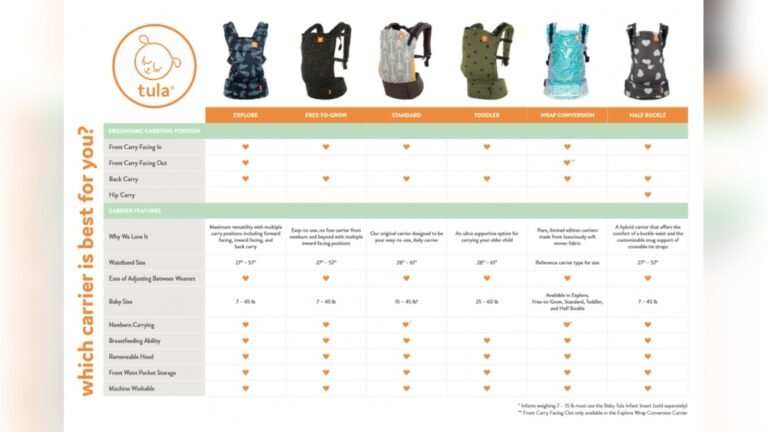
Different brands offer varying lifespans based on design and quality control. Well-known brands often use durable parts and test their products thoroughly. Some models are designed to grow with your child and last for years. Others focus on lightweight or minimalist features, which may not last as long. Researching user reviews helps understand how long a specific model typically lasts.
Wear And Tear Factors
Daily use impacts how long a baby carrier lasts. Frequent washing can weaken fabrics and fade colors. Rough handling, such as pulling or dropping, can damage straps and buckles. Exposure to sun and moisture also breaks down materials faster. Proper cleaning and storage extend the carrier’s life. Following manufacturer care instructions reduces wear and tear significantly.

Credit: www.youtube.com
Signs To Replace Your Carrier
Knowing when to replace your baby carrier is important for your child’s safety and comfort. Over time, wear and tear can affect how well the carrier supports your baby. Signs that it’s time for a new carrier often appear gradually. Watch for visible damage, loss of comfort, or any safety issues. Acting on these signs helps keep your baby secure and happy during every carry.
Visible Damage And Wear
Check the fabric for tears, holes, or fraying edges. Look closely at the seams to see if any stitching is coming undone. Straps can weaken or stretch out after repeated use. Buckles and clips should snap securely without sticking or breaking. Any visible damage reduces the carrier’s strength. Replace the carrier if you spot worn or broken parts.
Loss Of Support Or Comfort
If the carrier no longer holds your baby firmly, it may be time to switch. Padding can flatten, making the carrier less comfortable. Straps that slip or loosen easily reduce support. You may feel more strain on your shoulders or back during use. Babies might fuss more if they feel less secure. These changes mean the carrier is not working as well as before.
Safety Concerns
Safety is the top priority for baby carriers. If a buckle cracks or a strap tears, the carrier becomes unsafe. Missing parts or poor fastening can cause accidents. Check for recalls or safety alerts related to your model. Always replace carriers that do not meet current safety standards. Never use a carrier that feels unsafe or unstable.
Usage Duration Guidelines
Knowing how long to use a baby carrier each day helps keep your baby safe and comfortable. Usage duration depends on several factors like your baby’s age, weight, and comfort. Following guidelines can prevent discomfort and support healthy development.
Use the carrier in a way that suits your baby’s needs and your daily routine. Watch for signs that your baby needs a break or a change in position.
Daily Carrying Time
Babies can stay in a carrier for several hours daily. Avoid long stretches without breaks to reduce pressure on their body. Short sessions of 1 to 2 hours at a time are ideal. Pay attention to your baby’s mood and reactions during use.
Breaks And Baby’s Comfort
Take breaks often to let your baby move freely. Breaks help prevent stiffness and allow your baby to stretch. Remove the baby from the carrier for feeding, diaper changes, and playtime. Always check that your baby’s airways are clear and they are positioned safely.
Age And Weight Considerations
Newborns need extra support and shorter carrying times. As your baby grows, they can stay in the carrier longer. Follow the carrier’s weight limits to avoid strain. Premature or low-weight babies require special care and advice from a doctor before using a carrier.
Credit: boba.com
Safety Tips For Babywearing
Babywearing offers comfort and closeness, but safety remains the top priority. Using a baby carrier correctly protects your child and promotes healthy development. Follow simple safety tips to keep your baby secure and happy during every use.
Proper Positioning
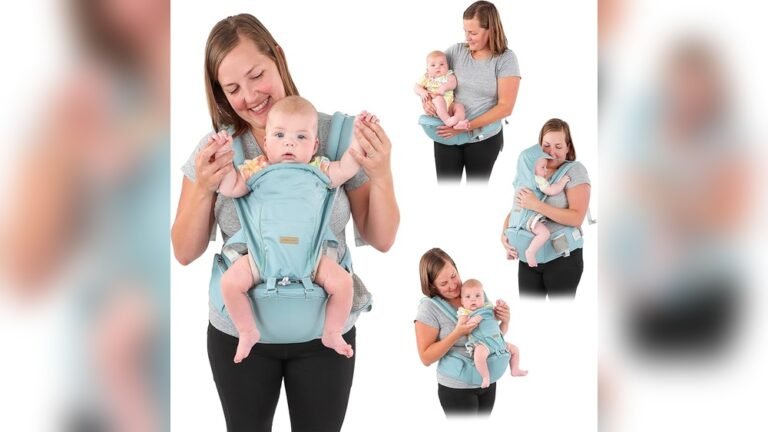
Place your baby in an upright position with knees higher than the bottom. Support the baby’s hips and spine in a natural, curved shape. Make sure the carrier holds your baby snugly without restricting movement. Avoid slumping or folding, which can cause discomfort or harm.
Airway Visibility
Keep your baby’s face visible and clear of fabric at all times. The nose and mouth should never be covered or pressed against your body. Check often to ensure your baby breathes easily. Tilt the baby’s chin away from the chest to prevent airway blockage.
Avoiding Overuse
Limit the time your baby spends in the carrier to prevent strain. Take breaks for diaper changes, feeding, and floor time. Watch for signs of discomfort or fussiness, which means your baby needs a rest. Balance babywearing with other activities for healthy growth.
Care And Maintenance
Taking good care of your baby carrier helps it last longer and stay safe. Proper maintenance keeps the fabric strong and the straps secure. Cleanliness also protects your baby’s skin from irritation. Following simple care steps ensures your carrier stays reliable for years.
Cleaning Instructions
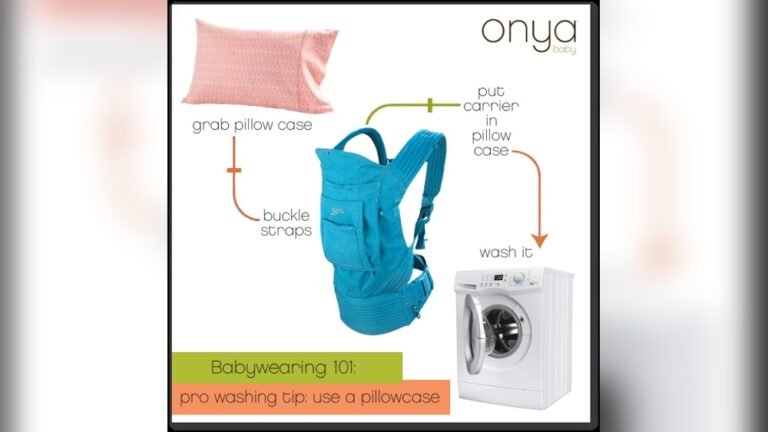
Always check the label for washing guidelines. Most carriers can be hand washed or machine washed on a gentle cycle. Use mild detergent and cold water. Avoid bleach or fabric softeners as they can damage the material. Let the carrier air dry. Do not use a dryer or direct sunlight, which can weaken fibers.
Storage Tips
Store your baby carrier in a cool, dry place. Avoid damp or hot areas to prevent mold and material breakdown. Keep it away from sharp objects that can tear the fabric. Folding the carrier neatly helps maintain its shape. Use a storage bag or box to protect it from dust and dirt.
Regular Inspections
Check your baby carrier often for signs of wear. Look for loose threads, frayed straps, or broken buckles. Test all fasteners and clasps before each use. Fix small problems early to avoid accidents. Replace the carrier if you find any serious damage or weakness.
Choosing A Durable Carrier
Choosing a durable baby carrier is essential for long-term use and safety. A strong carrier supports your baby well and lasts through many stages. Durability means fewer replacements and better comfort for both parent and child. Focus on carriers designed to handle daily wear and tear. Quality materials and smart design keep your baby safe and cozy over time.
Ergonomic Features
Ergonomic carriers support your baby’s hips and spine correctly. Look for carriers that spread weight evenly on your shoulders and back. Proper support reduces strain and discomfort during long use. An ergonomic design helps your baby stay comfortable and healthy. It also makes the carrier last longer by preventing damage from poor weight distribution.
Adjustability And Fit
A durable carrier adjusts easily to fit different body sizes. Adjustable straps and buckles help you find a secure, snug fit every time. This flexibility lets you use the carrier as your baby grows. A good fit prevents wear and tear from loose or tight spots. Choose carriers with simple but strong adjustment systems for lasting performance.
User Reviews And Ratings
Reading user reviews shows how well a carrier holds up over time. Pay attention to comments about durability and comfort. Look for feedback on how the carrier fits various ages and sizes. High ratings often reflect quality materials and smart design. Real user experiences reveal potential problems and strengths before you buy.
Special Considerations
Special considerations play a crucial role in determining how long a baby carrier lasts and stays safe to use. Different baby needs can affect carrier usage and durability. Parents should pay attention to specific health conditions and growth factors. These details help ensure the baby’s comfort and safety over time.
Premature Or Low-birth-weight Babies
Premature or low-birth-weight babies require extra care when using a carrier. Their bodies are more fragile and need additional support. Choose carriers designed for smaller or more delicate infants. Check the carrier’s weight limits and padding. Always watch for signs of discomfort or overheating. Proper positioning is essential to keep the baby safe.
Babies With Hip Dysplasia
Babies with hip dysplasia need special attention in a baby carrier. Hip-healthy carriers support the hips in a natural “M” shape. This position encourages proper hip development. Avoid carriers that force the legs to hang straight down. Use a carrier that spreads the weight evenly across the thighs. This reduces pressure and supports joint health.
Consulting Healthcare Providers
Consult healthcare providers before choosing or using a baby carrier. Doctors or therapists can offer guidance based on the baby’s health. They may recommend specific carrier types or adjustments. Follow their advice to avoid risks and discomfort. Regular check-ups help track the baby’s growth and carrier fit. This step ensures the carrier remains safe and suitable over time.

Credit: boba.com
Frequently Asked Questions
What Is The 3 6 9 Rule For Babies?
The 3-6-9 rule guides baby care milestones: 3 months for tummy time, 6 months for solids, and 9 months for sitting support.
Can You Use A Baby Carrier With Hip Dysplasia?
Yes, you can use a baby carrier with hip dysplasia if it supports a wide-hip position. Follow safety guidelines carefully.
How Long Can A Baby Be In A Carrier Per Day?
Babies can stay in carriers for several hours daily if comfortable and safe. Take regular breaks for feeding, diaper changes, and floor time. Always ensure proper positioning and watch for signs of discomfort. Consult a healthcare provider for premature or low-birth-weight infants.
Can A 3 Year Old Be In A Baby Carrier?
A 3-year-old can use a baby carrier if the carrier supports their weight and fits ergonomically. Always prioritize comfort and safety.
Conclusion
A baby carrier can last through many stages of growth. Regular checks ensure it stays safe and comfortable. Watch for wear and tear or changes in fit. Replace it if your baby seems uncomfortable or outgrows it. Using the carrier properly helps extend its life.
Remember, your baby’s comfort and safety come first. Choose a carrier that supports healthy development. Enjoy carrying your little one with confidence and care.