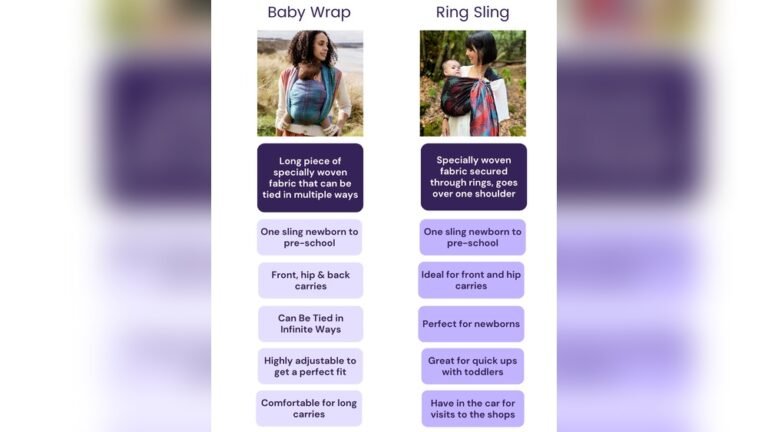

Ring Sling Weight Limit | Max Capacity & Safety Guidelines
Ring Sling Weight Limit: Safe, Simple Babywearing For New Parents
If you’re curious about the ring sling weight limit, here’s a clear answer: Most ring slings safely carry babies from 8 to 35 pounds. Some brands test up to 40 pounds. Always check your sling’s label or manual before use. In this guide, I’ll share practical advice as an experienced mom who’s tried many slings with my own kids. You’ll learn how to choose, use, and care for your ring sling, plus step-by-step instructions for safe carrying and feeding.
Understanding Ring Sling Weight Limits
Ring slings are popular for their versatility and comfort. They use strong fabric and two rings to hold your baby close. The weight limit means the maximum weight your sling can safely support. This is important for:
- Protecting your baby from falls
- Preventing fabric or ring failure
- Keeping you comfortable while carrying
Most ring slings hold babies from newborn (8 lbs) up to toddler (35 lbs). Some brands offer heavier support, but few recommend use above 40 pounds. Always check your sling’s tag, packaging, or website for the exact limit.
What Factors Affect The Weight Limit?
Several things change the weight capacity:
- Fabric type: Linen, cotton, and silk slings tend to be strongest.
- Ring quality: Only use rings made for babywearing (aluminum or stainless steel).
- Brand testing: Trusted brands do safety tests; avoid homemade or untested slings.
- Wear and tear: Old, damaged, or faded slings may be weaker.
Here’s a comparison of popular fabrics and their typical weight limits:
| Fabric Type | Typical Weight Limit | Comfort | Durability |
|---|---|---|---|
| Linen | 35-40 lbs | Breathable, supportive | Very strong |
| Cotton | 30-35 lbs | Soft, flexible | Strong, easy care |
| Silk | 25-30 lbs | Light, comfortable | Delicate, less durable |
| Bamboo | 25-35 lbs | Soft, cool | Moderate strength |
Why Weight Limits Matter
Ignoring the weight limit risks:
- Ring or fabric breakage
- Sudden falls and injury
- Back or shoulder pain for you
- Less support for heavier toddlers
If your child outgrows the limit, switch to a soft structured carrier or a toddler-specific sling. Never force an overloaded sling.
How To Wear A Ring Sling: Step-by-step
Wearing a ring sling looks simple, but it takes practice. Here’s how I do it—safe, easy, and comfortable.
Putting On The Sling
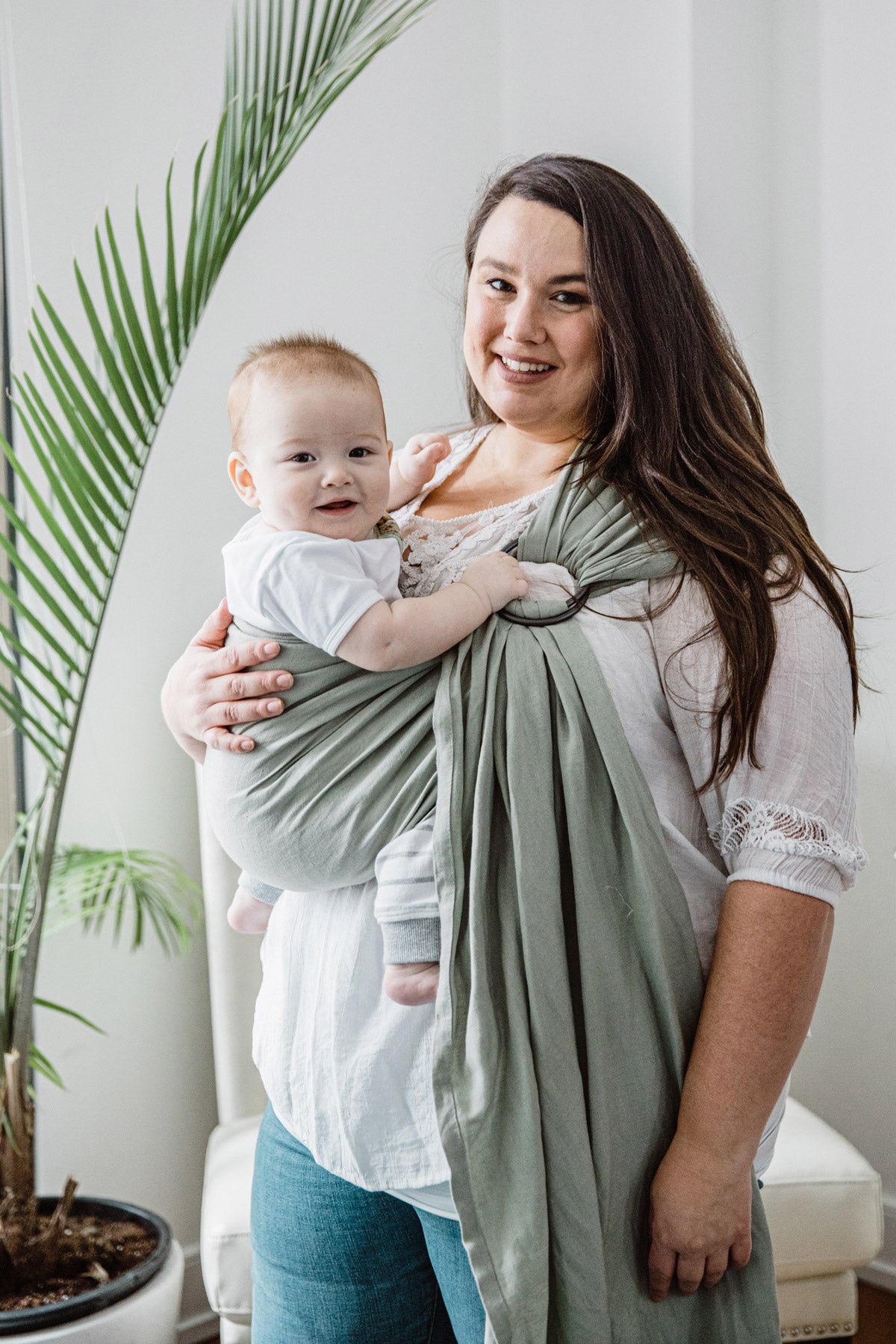
- Thread the fabric: Pass the tail (loose end) through both rings, then back over one ring, like a belt. Spread the fabric wide so it’s not twisted.
- Position the rings: Place them just below your shoulder (not on your neck). Most people prefer rings on their non-dominant side.
- Spread the pouch: The fabric should cover your back and shoulder, creating a deep pocket for your baby.
Comfort Tips
- Keep the rings flat and upright.
- Spread the sling wide over your shoulder for comfort.
- Adjust before adding your baby—this prevents awkward twisting.
Common Mistakes
- Rings too high (on your neck)
- Fabric bunched or twisted
- Sling too loose or too tight
Mistakes can cause discomfort or unsafe carrying. Practice with a doll or pillow first.
How To Put Baby In A Ring Sling
Here’s how to safely load your baby:
- Open the pocket: Hold the fabric open with one hand.
- Add your baby: Gently place your baby in the sling. For newborns, use the front carry position (see below).
- Spread the fabric: Make sure the sling covers from your baby’s knees up to shoulders.
- Tighten: Pull the tail to snug the sling. Support your baby’s back and head, but don’t over-tighten.
Proper Positioning: T.i.c.k.s. Safety
Always follow T.I.C.K.S. guidelines for safe babywearing:
- Tight: Sling is snug, no slack.
- In view at all times: Baby’s face is visible, not covered.
- Close enough to kiss: Baby’s head is high, you can kiss easily.
- Keep chin off chest: Baby’s chin is clear, airways open.
- Supported back: Baby’s back is straight, not slumping.
These rules keep your child safe from suffocation and falls. Check positioning often, especially for newborns.
Age-specific Advice
- Newborns (8–12 lbs): Use front carry, keep upright, support head.
- Infants (12–20 lbs): You can try hip carry, but keep baby facing you.
- Toddlers (20–35 lbs): Hip carry works best. Make sure sling is snug and rings strong.
If your sling’s limit is 30 lbs, switch before your child hits that weight.
How To Do A Front Carry With A Ring Sling
Front carry is perfect for newborns and younger babies. It keeps them close and secure.
Steps For Front Carry
- Put on the sling as explained above.
- Open the pocket and hold your baby against your chest, facing you.
- Slide your baby’s legs into the sling, making sure knees are higher than bum.
- Spread the fabric from knee to knee, supporting the thighs.
- Tighten the sling by pulling the tail, adjusting until snug.
Comfort Tips
- Keep baby’s face clear of fabric.
- Support the head for newborns.
- Check sling tension—too loose means unsafe, too tight causes discomfort.
Common Mistakes
- Baby slumped or chin on chest
- Fabric not spread from knee to knee
- Sling slipping off shoulder
Practice helps. Use a mirror to check position. Ask a partner to check from behind.
When To Use Front Carry
- From birth until 4–6 months, or until baby has good head control
- When baby is sleepy or needs comfort
- For breastfeeding on the go (see below)
How To Do A Hip Carry With A Ring Sling
Hip carry is great for older babies and toddlers who want to look around.
Steps For Hip Carry
- Wear the sling: Rings on shoulder, pouch on your hip.
- Position your baby: Hold baby on your hip, facing you.
- Slide baby’s legs into the sling. One leg in front, one behind (straddle your hip).
- Spread the fabric: Support from knee to knee, across back.
- Tighten: Pull tail to secure. Rings should stay below your collarbone.
Comfort Tips
- Keep sling wide on your shoulder.
- Switch hips if you feel tired.
- Use the hip carry only when baby can sit well (usually after 6 months).
Common Mistakes
- Sling slipping off shoulder
- Rings too high or too low
- Baby leaning away or slumping
Always check your child’s position and comfort.
When To Use Hip Carry
- After baby can sit unsupported (6+ months)
- For toddlers who want to look around
- Short walks or errands
How To Breastfeed In A Ring Sling
Ring slings make breastfeeding easy and discreet. Here’s how:
Quick Steps
- Wear the sling: Set up as for front or hip carry.
- Lower baby: Gently loosen the sling tail to lower baby to breast level.
- Support: Hold your breast and baby’s head for latching.
- Re-tighten: After feeding, snug up the sling and reposition baby upright.
Comfort Tips
- Keep baby’s nose and mouth clear.
- Use the sling tail for privacy if you wish.
- Watch for signs of choking or poor latch.
Common Mistakes
- Leaving baby in a reclined position after feeding
- Not re-tightening sling
- Covering baby’s face with fabric
Always return baby to upright, T. I. C. K. S. Position after feeding.
Age-specific Advice
- Breastfeed in sling only when baby is strong enough to latch (usually after first weeks).
- For newborns, use extra support for head and neck.
Choosing The Right Ring Sling
Not all ring slings are equal. Here’s what matters most:
- Weight limit: Choose a sling tested for your child’s weight.
- Fabric: Linen and cotton are strong and easy to clean.
- Ring quality: Use only slings with certified babywearing rings.
- Length: Standard slings fit most parents; longer slings fit plus-size or tall caregivers.
Avoid slings from unknown brands or homemade slings unless tested. Check for certifications and reviews.
Here’s a comparison of popular brands and their features:
| Brand | Weight Limit | Fabric | Ring Type | Price Range |
|---|---|---|---|---|
| Sakura Bloom | 35 lbs | Linen, silk | Aluminum | $80–$160 |
| Maya Wrap | 35 lbs | Cotton | Aluminum | $60–$90 |
| WildBird | 35 lbs | Linen | Aluminum | $60–$120 |
| Hope&Plum | 35 lbs | Cotton, bamboo | Aluminum | $70–$120 |
Caring For Your Ring Sling
A well-cared sling lasts longer and stays safe. Here’s what I recommend:
- Wash gently: Use mild detergent, cold water, and air dry.
- Check rings: Look for cracks, chips, or loose stitching.
- Inspect fabric: Watch for holes, fading, or fraying.
- Store safely: Keep sling away from pets and direct sunlight.
Replace your sling if you notice damage, or after several years of heavy use.

Credit: www.amazon.com
Practical Tips From Experience
- Try different carries as your baby grows. Start with front carry, move to hip carry after 6 months.
- Take breaks—carrying a heavy toddler for long periods can tire your back.
- Use a mirror for practice. It helps spot mistakes.
- Ask for help. Join a local babywearing group or talk to a certified consultant.
- Always check T.I.C.K.S. Positioning, especially with sleepy babies.
A ring sling is a tool, not a magic solution. Every baby and parent is different. Some babies love slings, others prefer strollers. Go at your own pace.
Common Mistakes New Parents Make
- Ignoring weight limits or using old, damaged slings
- Putting rings on the neck, causing pain or unsafe positioning
- Not spreading fabric wide enough for support
- Leaving baby in unsafe positions after feeding
- Forgetting to check sling tension as baby moves
Avoid these mistakes by checking your sling and your baby every time you use it.
Credit: nalakai.com
Expert Advice And Trusted Sources
For more information and safety guidelines, see the Babywearing International website. It offers expert tips, videos, and safety charts.
Key Takeaways
- Most ring slings safely carry babies from 8 to 35 pounds. Always check your sling’s label.
- Follow T.I.C.K.S. Safety for every carry.
- Front carry is best for newborns; hip carry for older babies and toddlers.
- Breastfeed in a sling by lowering baby, supporting head, and returning to upright after feeding.
- Choose slings from trusted brands, inspect regularly, and never use above weight limits.
- Practice helps—use mirrors, ask for help, and join support groups.
Babywearing should feel safe and comfortable for both you and your child. With the right sling and careful steps, you can enjoy hands-free snuggles and easy feeding, from tiny newborns up to busy toddlers.

Credit: wildbird.co
I’m Melissa Turner, a mom of two passionate about helping parents make confident buying decisions. I research and review baby gear, compare trusted products, and share practical parenting tips based on careful research. My goal is to simplify shopping with honest, easy-to-understand guides that put safety, comfort, and value first. I focus on baby carriers, strollers, feeding essentials, nursery products, and everyday parenting gear. I hope my recommendations help make your parenting journey a little easier and more enjoyable.