

Ring Sling Age Range Guide for Safe Babywearing
Ring Sling Age Range: Complete Guide For New Parents
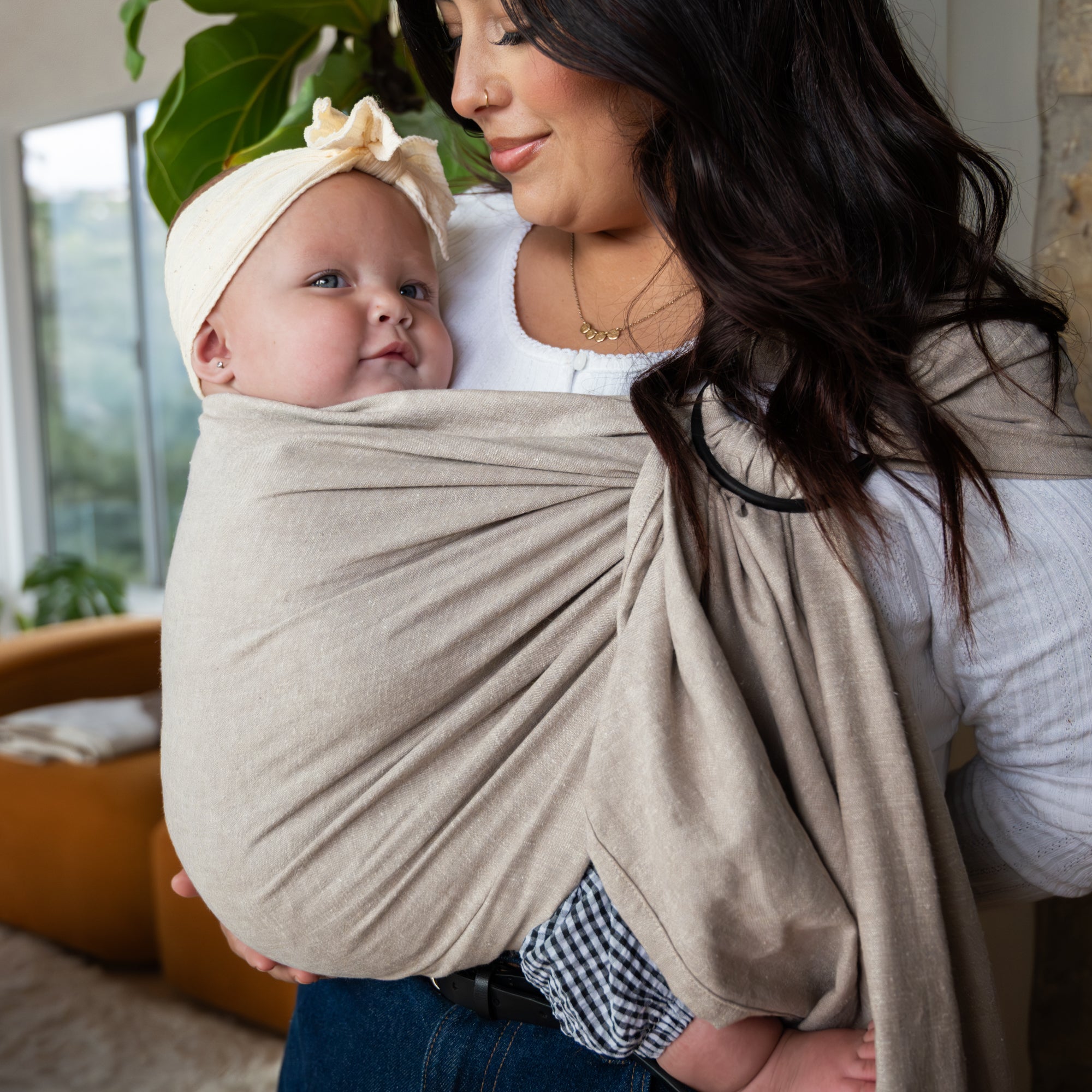
If you’re wondering when you can start using a ring sling and how long you can keep carrying your child in one, here’s the quick answer: Ring slings are safe from birth (about 7–8 lbs/3.2–3.6 kg) up to toddlers around 35 lbs (16 kg), but comfort, safety, and the best carry position change as your child grows. This guide shares clear steps, safety tips, and honest advice for each age and stage—direct from a mom who’s walked this path.
What Is A Ring Sling And Why Choose One?
A ring sling is a simple, long piece of fabric with two sturdy rings sewn at one end. You thread the fabric through the rings to create a secure pouch for your baby. What makes a ring sling special?
- Quick to put on and adjust—great for fussy newborns or busy toddlers
- Breathable and compact—perfect for hot weather or throwing in your bag
- Supports many carries: Tummy-to-tummy (front), hip, and even back carry for older babies
Unlike bulky carriers, a ring sling feels like a hug. But knowing when and how to use it is key for comfort and safety.
Ring Sling Age Range: What Works Best For Each Stage
The right carry position and safety checks change as your baby grows. Here’s a simple table to see the general age and weight range for ring slings:
| Baby’s Age/Stage | Weight | Recommended Carry | Special Tips |
|---|---|---|---|
| Newborn (0–3 months) | 7–15 lbs (3.2–6.8 kg) | Front carry (tummy-to-tummy) | Extra neck support, check airway |
| Infant (3–9 months) | 12–20 lbs (5.4–9 kg) | Front or hip carry | Watch for slumping, knees above bum |
| Toddler (9+ months) | 20–35 lbs (9–16 kg) | Hip or back carry | Spread fabric wide, shift weight to shoulder |
Most ring slings support up to 35 lbs (16 kg), but always check your sling’s label. Some brands vary.

Credit: www.littlezenone.com
How To Wear A Ring Sling: Step-by-step
Learning how to wear a ring sling is easier than it looks. Here’s how I teach new parents:
- Thread the sling: Hold the rings in one hand and the fabric tail in the other. Pass the fabric through both rings, then back under one ring (like threading a belt).
- Put sling over shoulder: Place the rings just below your collarbone on the shoulder you prefer (usually non-dominant hand). Let the fabric drape across your back and under the opposite arm.
- Check the pouch: The fabric should make a wide pouch at your front or side.
- Tighten or loosen: Pull the tail to adjust. Make sure the fabric is not twisted in the rings.
Tip: Before picking up your baby, always spread the fabric wide on your back. This spreads the weight and keeps your shoulders happy.
How To Put Baby In A Ring Sling Safely
Every baby and parent is different, but these are my tried-and-true steps:
- Position baby: Hold your baby high on your shoulder (like you’re about to burp them). Their head should be above your chest.
- Slide baby into pouch: Guide their legs and bottom into the fabric pouch. Baby’s knees should be higher than their bum, in an “M” shape.
- Adjust the seat: Gently pull the fabric up to baby’s neck at the back, and under their knees. Their bottom should sink deep into the pouch.
- Tighten the sling: Hold your baby with one hand. With the other, pull the fabric tail through the rings to snug up the sling, adjusting section by section.
Safety check: Baby’s face must always be visible and kissable. Never cover their face or let them curl into a ball.
Common Mistakes To Avoid
- Rings too low: The rings should sit just below your collarbone, not on your breast or shoulder.
- Slumping baby: Make sure baby’s chin is off their chest—airway clear!
- Loose seat: Always tuck the fabric deep between you and baby, under their knees.
T.i.c.k.s. Babywearing Safety—what Every Parent Needs To Know
Safe babywearing is simple if you follow T.I.C.K.S. This quick checklist has kept my kids safe through years of carrying:
- Tight: The sling should hug your baby close—no loose fabric.
- In view at all times: You should see your baby’s face without moving the sling.
- Close enough to kiss: Baby’s head is high on your chest, within easy reach.
- Keep chin off chest: Make sure there’s always a gap (at least one finger) under baby’s chin.
- Supported back: Baby shouldn’t slump or fold. Their back should be supported, tummy against you.
Never skip these checks. If you’re unsure, ask a certified babywearing consultant or watch trusted video guides.
How To Do A Front Carry With A Ring Sling
The front carry is perfect for newborns and young babies who need head and neck support. Here’s how to do it:
- Prepare the sling: Thread and put on the sling as described above.
- Hold your baby: Place baby high on your shoulder, head above your chest.
- Slide baby in: Lower baby gently into the pouch, guiding legs into the “M” position.
- Create a deep seat: Pull fabric from behind baby’s knees up to their neck.
- Tighten: Hold baby with one hand, pull the tail with the other until snug.
Comfort tips: Spread the fabric wide over your shoulder and back. If you feel pressure on your neck, adjust the rings higher.
When Is Front Carry Best?
- 0–6 months: Most newborns and small infants love this carry. It’s cozy and keeps them close.
- Colicky or fussy babies: Upright front carry can ease gas and help with bonding.
Age-specific advice: Once your baby can sit with little help (about 6 months), you can try hip carries for more freedom.
How To Do A Hip Carry With A Ring Sling
The hip carry gives your curious baby a view of the world. It’s ideal for babies who can hold their head steady (usually 4–5 months and up).
- Put on the sling: Rings just below shoulder, pouch at your side.
- Position baby: Hold baby on your hip, facing you with legs straddling your side.
- Seat baby: Guide baby’s legs and bottom into the pouch. Make sure knees are higher than bum.
- Spread fabric: Pull the fabric up to baby’s back and under their knees.
- Tighten: Adjust the tail through the rings. Baby should sit deep, not perch on the edge.
Comfort tips: Switch sides if one shoulder gets tired. Keep the rings visible and away from baby’s face.
When Is Hip Carry Best?
- 5 months to 2 years: Great for older babies and toddlers who want to look around.
- Around the house: Perfect for quick tasks when your child wants to see what you’re doing.
Common mistake: Don’t let baby lean away from you. They should stay snug against your body.
How To Breastfeed In A Ring Sling
Nursing in a ring sling is a game changer—especially in public or when you have other children. Here’s how I do it safely:
- Set up: Start with baby in a snug front or hip carry.
- Loosen slightly: While supporting baby, gently pull the tail to lower baby to breast level.
- Latch baby: Guide your breast to baby’s mouth. Keep baby’s head supported at all times.
- Monitor: Watch baby’s nose and mouth to make sure their airway is clear.
- Reposition after feeding: Tighten the sling and move baby back to the upright position when done.
Practical tips:
- Always keep baby’s face visible.
- Practice at home before feeding in public.
- Use your hand to support baby’s head if needed.
Never let baby sleep in the sling with their chin to their chest.
How To Put Baby Down From A Ring Sling
A smooth transfer is important, especially if your baby is sleeping.
- Support baby’s bottom and head: Use one hand under their bum, the other behind their neck.
- Loosen the tail: Gently pull on the tail to loosen the pouch.
- Lift baby out: Carefully slide your baby up and out of the sling, keeping them close.
Tip: Practice over a soft surface at first.
Choosing The Right Ring Sling For Your Child’s Age
Not all slings are the same. Here’s a quick comparison of fabric types and ring sizes for different ages:
| Fabric Type | Best For | Pros | Cons |
|---|---|---|---|
| Cotton/Linen | Newborns & infants | Breathable, easy to wash | May wrinkle, less padding |
| Woven wraps | Heavier babies & toddlers | Strong, supportive | Warmer, takes longer to break in |
| Mesh/Water slings | Summer, showers, pools | Dries fast, light | Less supportive for big kids |
Tip: For newborns, choose a soft, thin sling. For toddlers, pick a strong, wide fabric and large rings.
Ring Sling Vs. Other Carriers: Age Range And Comfort
How does a ring sling compare to wraps, soft structured carriers, or mei tais?
| Carrier Type | Age/Weight Range | Ease of Use | Best For |
|---|---|---|---|
| Ring Sling | 0–3 years (7–35 lbs) | Easy, quick | Short trips, newborns, feeding |
| Wrap | 0–3 years (7–35 lbs) | Steep learning curve | Long carries, custom fit |
| Soft Structured Carrier | 4 months–4 years (12–45 lbs) | Easy, buckles | Heavy toddlers, long walks |
| Mei Tai | Newborn–3 years (7–35 lbs) | Medium, ties | All ages, even weight |
Insight: Ring slings are the easiest to use with a squirmy newborn or a tired toddler who wants up and down all day.
Real-world Tips For Each Age
- Newborns: Keep baby upright, fabric snug, head supported. Short, frequent carries are best.
- Infants: Try front carry for naps, hip carry for awake time. Check seat depth with each use.
- Toddlers: Use hip carry for quick trips, spread fabric wide for comfort. Switch sides often.
- Multiples: With practice, you can use two slings—one on each hip. Start with one baby at a time!
Pro tip: Babies grow fast. Check fit and carrier condition every few weeks.
Credit: www.hopeandplum.co
Signs It’s Time To Stop Using A Ring Sling
- Baby is over the weight limit of your sling (usually 35 lbs/16 kg)
- Baby’s legs are too long for safe “M” position
- You feel pain or discomfort, even after adjusting
- Baby wants to walk more than be carried
Remember: Every baby is unique. Some love the sling until preschool, others outgrow it early.
Trusted Resources For Learning More
If you want more visuals or expert advice, visit the Babywearing International ring sling page for safe, up-to-date guidance.

Credit: www.littlezenone.com
Key Takeaways
- Ring slings are safe from birth to toddlerhood (up to 35 lbs/16 kg), but age and stage affect carry choice and safety checks.
- Follow the T.I.C.K.S. Safety guide every time.
- Front carry is best for newborns and infants; hip carry works well for babies who can sit with support.
- Breastfeeding in a ring sling is possible and convenient—just keep baby’s airway open and reposition after feeding.
- Choose the right fabric and ring size for your child’s age and your comfort.
- Always listen to your body and your baby. Adjust, switch sides, and take breaks as needed.
With practice, using a ring sling will become second nature. Enjoy these special moments—they pass quickly, but the connection lasts a lifetime.
I’m Melissa Turner, a mom of two passionate about helping parents make confident buying decisions. I research and review baby gear, compare trusted products, and share practical parenting tips based on careful research. My goal is to simplify shopping with honest, easy-to-understand guides that put safety, comfort, and value first. I focus on baby carriers, strollers, feeding essentials, nursery products, and everyday parenting gear. I hope my recommendations help make your parenting journey a little easier and more enjoyable.