


How to Breastfeed in a Ring Sling | Step-by-Step Guide
Breastfeeding in a ring sling can be simple, comfortable, and hands-free once you know the basics. As a mom who’s worn and nursed babies for years, I understand the worries and the learning curve. Here’s a clear, step-by-step guide on how to breastfeed in a ring sling, with practical tips for parents and caregivers. We’ll cover how to wear a ring sling, how to put baby in a ring sling, and how to do both hip and front carries safely, using the T.I.C.K.S. babywearing safety rules. Whether you’re expecting or holding your newborn, you’ll find real-life advice to make babywearing and nursing work for you.
Quick Answer: Breastfeeding In A Ring Sling
To breastfeed in a ring sling, first position your baby in a safe carry (front or hip, depending on age), loosen the fabric slightly to lower your baby to breast height, latch your baby, and always watch for safe airway and positioning. After feeding, re-tighten the sling and return baby to an upright, secure position.
Now, let’s break down each part of the process for clarity and confidence.
Understanding The Ring Sling
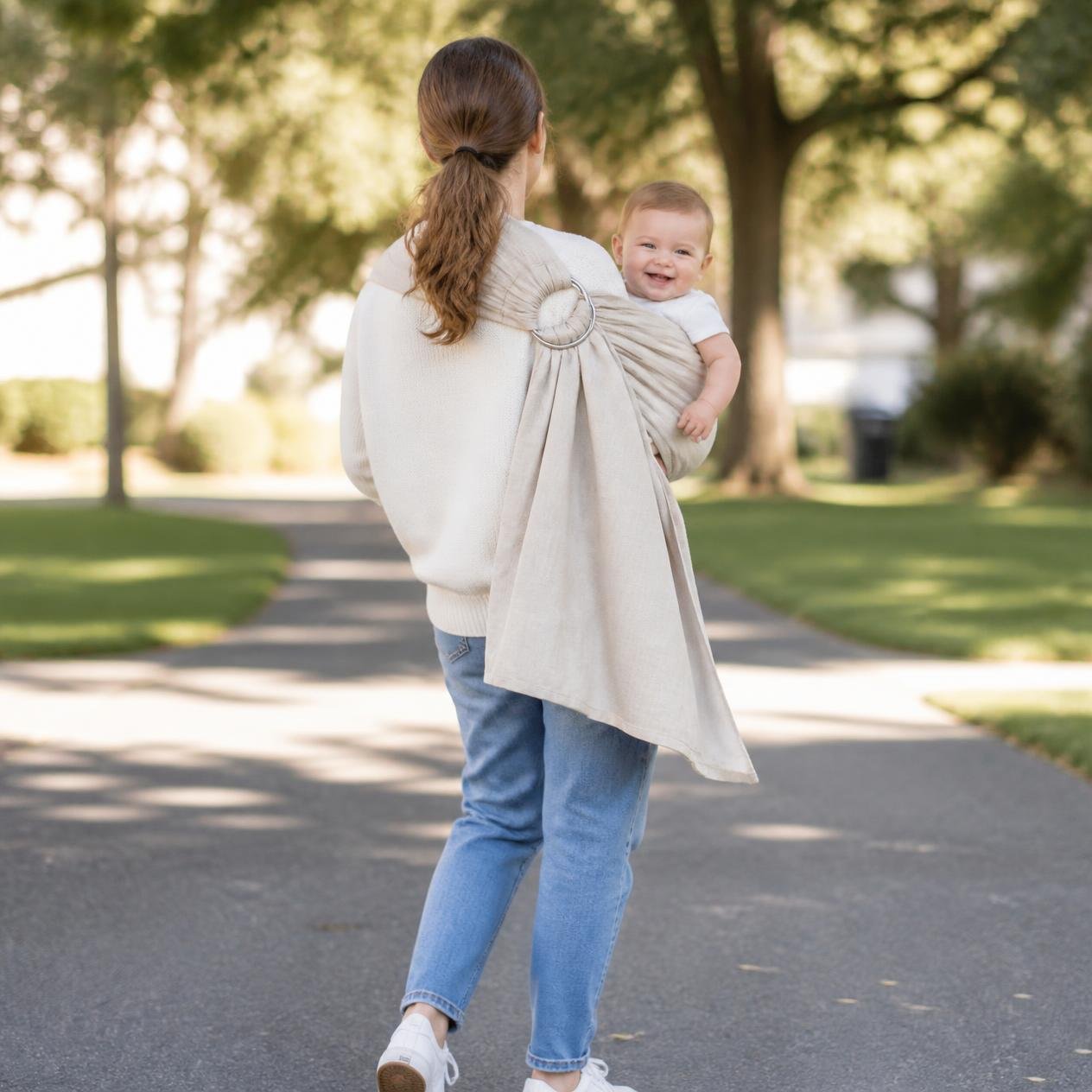
A ring sling is a long piece of woven fabric with two rings sewn at one end. The rings let you adjust the tightness quickly. Ring slings are popular because they are simple, cool for the parent and baby, and easy to use for breastfeeding. Here’s why:
- Quick to put on and take off
- Adjustable for all body types
- Suitable for newborns to toddlers
- Can be used for multiple positions (front carry, hip carry, and sometimes back carry with older babies)

Credit: www.infinibandta.org
How To Wear A Ring Sling
Wearing a ring sling correctly is the key to comfort and safety. Here’s how I do it, step by step:
- Thread the Sling: Hold the rings in one hand and the tail (long end) in the other. Thread the fabric through both rings, then back over one ring, like threading a belt. Spread the fabric wide so it doesn’t twist.
- Position the Rings: Place the rings just below your shoulder, on your front (not back). This keeps them easy to adjust and comfortable.
- Create the Pouch: Spread the sling across your back and bring the pouch to your front or side, depending on your carry.
- Tighten the Sling: Pull the tail through the rings to make the pouch snug, but not too tight. The lowest point of the pouch should be at your high waist.
Here’s a quick comparison of ring sling fabric types to help you choose the best for breastfeeding:
| Fabric Type | Pros | Cons |
|---|---|---|
| Cotton | Soft, breathable, easy to wash | May stretch with heavy babies |
| Linen | Strong, supportive, cool for summer | Needs breaking in, can be stiff at first |
| Bamboo | Very soft, gentle on skin | Less supportive for toddlers |
How To Put Baby In A Ring Sling
Getting your baby safely into the sling is the most important part. Follow these steps for a secure fit:
- Hold Baby on Your Shoulder: Place your baby high on your shoulder, like you’re about to burp them.
- Slide Baby into the Pouch: Guide their legs and bottom down into the pouch, with their weight sitting on the “seat” created by the fabric.
- Make a Deep Seat: Pull the fabric from knee to knee, under baby’s bottom. Their knees should be higher than their bum—think “M” shape.
- Adjust for Snugness: Gently pull the tail to tighten the sling, supporting baby’s back and neck. The fabric should hug their body, not hang loose.
Non-obvious tip: Before you start, practice with a stuffed animal. This builds muscle memory and confidence before using the sling with your real baby.

Credit: www.youtube.com
T.i.c.k.s. Babywearing Safety
Always follow the T.I.C.K.S. rules to keep your baby safe in the sling:
- Tight: The sling should hold your baby snugly.
- In view at all times: You should always be able to see your baby’s face.
- Close enough to kiss: Your baby’s head should be as close to your chin as possible.
- Keep chin off chest: Baby’s airway should be clear—never curled with chin on chest.
- Supported back: The sling should support baby’s back in a natural position.
Here’s a quick reference:
| T.I.C.K.S. Rule | What to Check |
|---|---|
| Tight | No loose fabric; baby can’t slump |
| In view | See baby’s face without moving sling |
| Close enough | Kiss baby’s forehead easily |
| Chin off chest | At least a finger-width under chin |
| Supported back | Baby can’t fold or slump in carrier |
How To Do A Front Carry With A Ring Sling
A front carry is best for newborns and young babies. It keeps them close, upright, and in view. Here’s how to do it:
- Prepare the Sling: Thread and position the ring sling as described above.
- Pick Up Your Baby: Hold baby upright, tummy to chest.
- Place Baby in Sling: Lower baby’s legs and bottom into the pouch, spread fabric from knee to knee.
- Adjust for Comfort: Gently tighten the tail for a snug, upright hold.
- Check Baby’s Position: Baby’s face should be visible, head close enough to kiss, back and neck supported.
Comfort tip: If you have a newborn, tuck their feet inside the pouch (“froggy” position). For older babies, let their legs hang out.
Common mistake: Don’t let baby’s chin fall to their chest—this can block their airway.
How To Do A Hip Carry With A Ring Sling
A hip carry is best for babies who can sit with support (usually 4–6 months and up). It’s great for curious babies who want to look around.
Steps for a hip carry:
- Prepare the Sling: Place the rings just below your shoulder, with the pouch on your hip.
- Sit Baby on Your Hip: Hold baby in a seated position on your hip.
- Slide Baby into Pouch: Guide their legs through, spread fabric from knee to knee.
- Tighten the Sling: Pull the tail to secure baby close against your side.
- Check Position: Baby should be upright, supported, and facing you, not leaning away.
Age tip: Wait until your baby has good head and upper body control before using a hip carry.
Non-obvious insight: Practice adjusting the tightness with one hand, so you can always keep the other hand on your baby for safety.
How To Breastfeed In A Ring Sling: Step-by-step
Now that you know the basics, here’s the practical process for how to breastfeed in a ring sling.
1. Start With A Good Carry
Choose a front carry for newborns or a hip carry for older babies. Make sure the sling is snug, baby is upright, and you can see their face.
2. Lower Baby To Breast Height
Gently loosen the fabric through the rings, letting your baby slide down to your breast. Hold your baby with one hand at all times during this adjustment.
Tip: Only loosen as much as you need to bring your baby to your nipple. Do not let the sling become loose or floppy.
3. Latch Baby To The Breast
Support your baby’s head and guide them to your breast. Help them latch as you normally would. You might need to support your breast with your free hand, especially for newborns.
4. Support And Supervise
Keep one hand on your baby during the feed. Make sure their nose and mouth stay clear, and their chin is not pressed into their chest.
5. Re-tighten And Return To Upright
Once your baby finishes feeding, or if they fall asleep, gently lift them back to an upright position. Re-tighten the sling so they are “close enough to kiss” and secure.
Important: Never leave your baby in a reclined or cradled position after feeding. Upright is safest.
Breastfeeding Comfort Tips
- Practice at home first: Both you and your baby need time to get used to nursing in a sling.
- Dress for easy access: Wear loose tops or nursing shirts.
- Use a nursing pad or cloth: To catch leaks or dribbles.
- Support your breast: Especially if you have a larger chest, use your hand for extra support during the latch.
- Stay relaxed: Babies can sense tension. Take deep breaths and talk softly.
Non-obvious insight: Try nursing in front of a mirror at first. This lets you check baby’s latch and position without twisting to look down.
Age-specific Advice For Breastfeeding In A Ring Sling
Babies have different needs at different ages. Here’s what to keep in mind:
- Newborns (0–3 months): Use a front carry, keep baby upright, feet in or out as preferred. Watch their airway closely.
- Young infants (3–6 months): Still use front carry, can move to hip carry if baby has good head control. May need more frequent position checks.
- Older babies (6+ months): Hip carry works well, baby can latch themselves with less help. Still keep sling snug and airway clear.
- Toddlers: May nurse in hip carry for comfort or naps, but always watch for signs of slumping.
Common Mistakes And How To Fix Them
- Sling too loose: This makes baby slump, risking their airway. Always tighten until baby is held snugly.
- Baby’s face buried in fabric: Make sure the fabric is pulled back from baby’s face so you can see their nose and mouth.
- Rings slipping down: If the rings move, re-thread and tighten. Rings should stay in “corsage” position near your shoulder.
- Cradled position after feeding: Always return baby to upright, tummy-to-chest with you, after nursing.
- Trying new positions in public: Practice at home first to avoid stress and fumbling.
Comparing Front Carry Vs. Hip Carry
Here’s a side-by-side look to help you choose the right carry for your baby’s age and needs:
| Carry Type | Best For | Pros | Cons |
|---|---|---|---|
| Front Carry | Newborns, young infants | More support, easy to monitor baby | Less view for baby, may get warm |
| Hip Carry | Babies 4–6 months+, good head control | Baby can see around, parent has one arm free | Less support for newborns |

Credit: pizzavilleusa.com
When To Avoid Breastfeeding In A Ring Sling
- If your baby is premature or has breathing difficulties, ask your doctor before babywearing and breastfeeding.
- Skip sling feeding if you feel tired, distracted, or unable to supervise your baby’s airway.
- Never breastfeed in a sling while driving, biking, or doing activities where you can’t see or feel your baby at all times.
For more on babywearing safety and benefits, see the Babywearing International website.
Key Takeaways
- Breastfeeding in a ring sling is safe, hands-free, and cozy when you follow key steps and safety rules.
- Always start with a well-threaded, snug sling and choose the right carry for your baby’s age.
- Lower your baby to breast height, latch, and keep one hand ready to support and monitor.
- Follow the T.I.C.K.S. Safety checklist every time.
- Practice at home, watch for common mistakes, and adjust as your baby grows.
With time and practice, feeding in a ring sling can become a comforting, bonding part of your parenting journey. Trust your instincts, keep your baby close, and remember—every caregiver learns at their own pace. You’re doing great.
I’m Melissa Turner, a mom of two passionate about helping parents make confident buying decisions. I research and review baby gear, compare trusted products, and share practical parenting tips based on careful research. My goal is to simplify shopping with honest, easy-to-understand guides that put safety, comfort, and value first. I focus on baby carriers, strollers, feeding essentials, nursery products, and everyday parenting gear. I hope my recommendations help make your parenting journey a little easier and more enjoyable.


