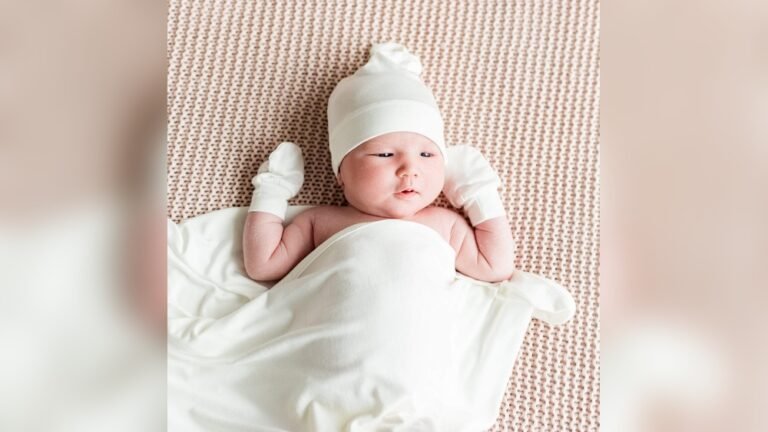
When to Stop Wearing Mittens for Baby: Key Signs & Expert Tips
Are you wondering when it’s time to stop putting mittens on your baby’s tiny hands? It’s a common question for many parents who want to keep their little ones safe but also support their growth.
Mittens can protect newborns from scratching themselves, but leaving them on too long might slow down important hand development and limit your baby’s ability to explore the world through touch. You’ll discover clear signs that show when to ease off the mittens, why letting your baby’s hands be free is crucial, and simple tips to make the transition smooth and safe.
Keep reading to learn how to balance protection with your baby’s natural growth—and help your child thrive every step of the way.
Purpose Of Baby Mittens
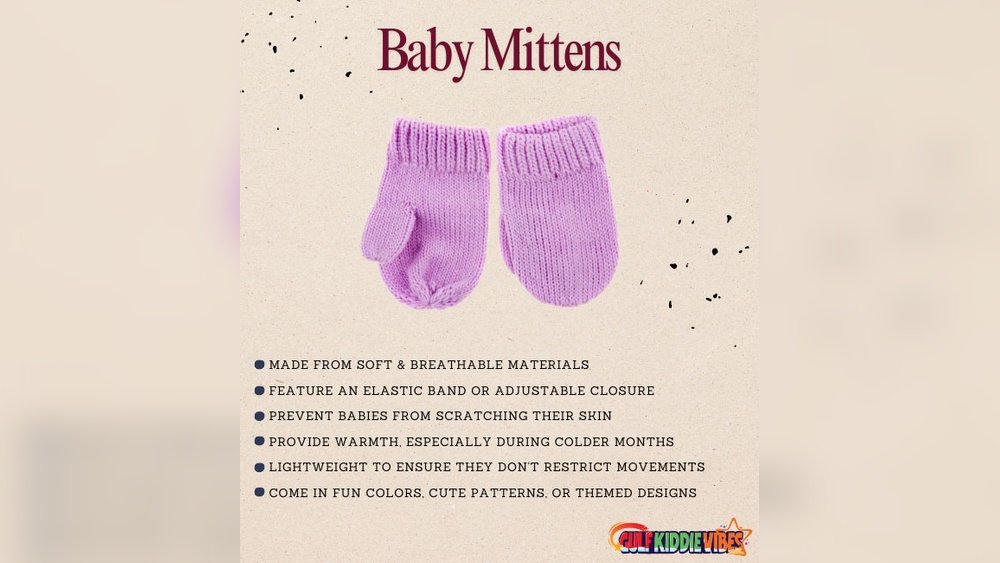
Baby mittens serve important roles during a newborn’s early days. They protect delicate skin and support healthy development. Understanding their purpose helps parents decide the right time to stop using them.
Preventing Scratches
Newborns often have sharp nails. They can accidentally scratch their face and eyes. Mittens act as a soft barrier. This reduces the risk of painful scratches. It keeps the baby safe and comfortable. Parents can feel more at ease knowing their baby’s skin stays unharmed.
Protecting Sensitive Skin
Baby skin is very thin and delicate. It is prone to irritation and redness. Mittens provide gentle protection from harsh fabrics or cold air. They help keep the skin smooth and healthy. This is especially important in the first weeks after birth. Mittens help maintain warmth and prevent rashes or chafing.
Developmental Impact
Understanding the developmental impact of wearing mittens helps parents decide the right time to stop using them. Babies learn a lot through their hands. Mittens can limit this learning if used too long. Letting babies use their hands freely supports their growth and skills.
Hand Exploration Benefits
Babies use their hands to explore the world around them. Touching different textures helps their brain develop. Mittens block this important sensory experience. When babies touch things, they learn cause and effect. This helps their thinking and motor skills grow. Allowing hands to be bare lets babies practice grasping and holding. These early skills are key for later actions like feeding and playing.
Self-soothing And Bonding
Babies often soothe themselves by touching their face or sucking their fingers. Mittens stop them from doing this naturally. Self-soothing helps babies feel calm and secure. It also supports emotional growth. Skin-to-skin contact between parents and babies builds strong bonds. Mittens create a barrier, reducing this important connection. Removing mittens allows babies to feel their parent’s touch fully. This boosts comfort and trust in early life.
Risks Of Prolonged Use
Wearing mittens for a long time can cause problems for babies. Mittens stop babies from using their hands fully. This can affect how they learn and feel. It also brings some safety concerns. Parents should know these risks to decide the right time to stop mittens.
Choking Hazards
Mittens can come off and end up in the baby’s mouth. Small parts or loose threads may break off. Babies might choke on these pieces. Always check mittens for safety and remove them when the baby can grab things.
Reduced Sensory Experience
Babies learn by touching and feeling with their hands. Mittens block this important sense. Without feeling textures, babies miss chances to develop brain skills. Using mittens too long limits their ability to explore and understand the world.
Potential For Cold Hands
Wet mittens make hands colder, not warmer. Babies can sweat inside mittens, causing moisture build-up. This can chill their hands and skin. Keeping hands dry and free helps babies stay comfortable and warm naturally.
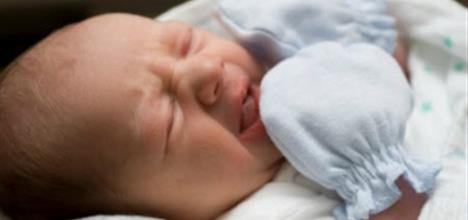
Credit: www.healthychildren.org
When To Start Phasing Out
Knowing when to start phasing out mittens for your baby is important. Mittens protect newborns from scratching their faces. But keeping them on too long can slow hand development. It is best to watch for signs that your baby is ready to use their hands freely. This helps with learning and self-soothing. Below are key points to help you decide the right time.
Age Guidelines
Babies usually wear mittens during the first two to four weeks. This period helps prevent accidental scratches. After this time, their nails can be trimmed regularly. By one month, many babies begin to move their hands more. At this stage, mittens can be removed gradually. Every baby is different, so watch your child’s cues.
Improved Hand Control
As babies grow, they gain better control of their hands. They start to open and close their fists intentionally. Improved hand control means they can move without hurting themselves. Once your baby shows steady hand movements, mittens are less necessary. Removing mittens encourages more practice with hand skills. It also supports brain growth through touch exploration.
Intentional Movements
When babies begin to reach for objects, they show intentional movements. This is a clear sign to phase out mittens. Babies pulling off their mittens often means they want to use their hands. Allowing hands to be free helps with learning to grasp and hold. It also helps with self-soothing by touching their face or sucking fingers. Let your baby explore safely without mittens.
Signs To Stop Using Mittens
Knowing when to stop using mittens for your baby is important for their growth and comfort. Mittens protect newborns from scratching, but babies need to use their hands to explore and learn. Watch for clear signs your baby is ready to go mitten-free. These signs help you decide the right time to remove mittens safely.
Baby Reaching And Grasping
Your baby starts reaching for toys and objects. This shows improving hand control and curiosity. Mittens can block this natural development. When your baby actively tries to grab things, it’s a good sign to stop using mittens. Letting hands be free helps build fine motor skills and coordination.
Pulling Off Mittens
If your baby frequently pulls off the mittens, it means they prefer bare hands. This action suggests discomfort or frustration with the mittens. Babies often try to remove anything that limits their movement. Trust this signal as a cue to stop using mittens. It respects their growing independence and desire to explore.
Using Hands To Self-soothe
Babies often use their hands to calm themselves by sucking fingers or rubbing their face. Mittens can prevent this natural self-soothing behavior. When you notice your baby trying to use their hands for comfort, it’s time to remove mittens. Allowing this helps your baby feel secure and promotes emotional development.
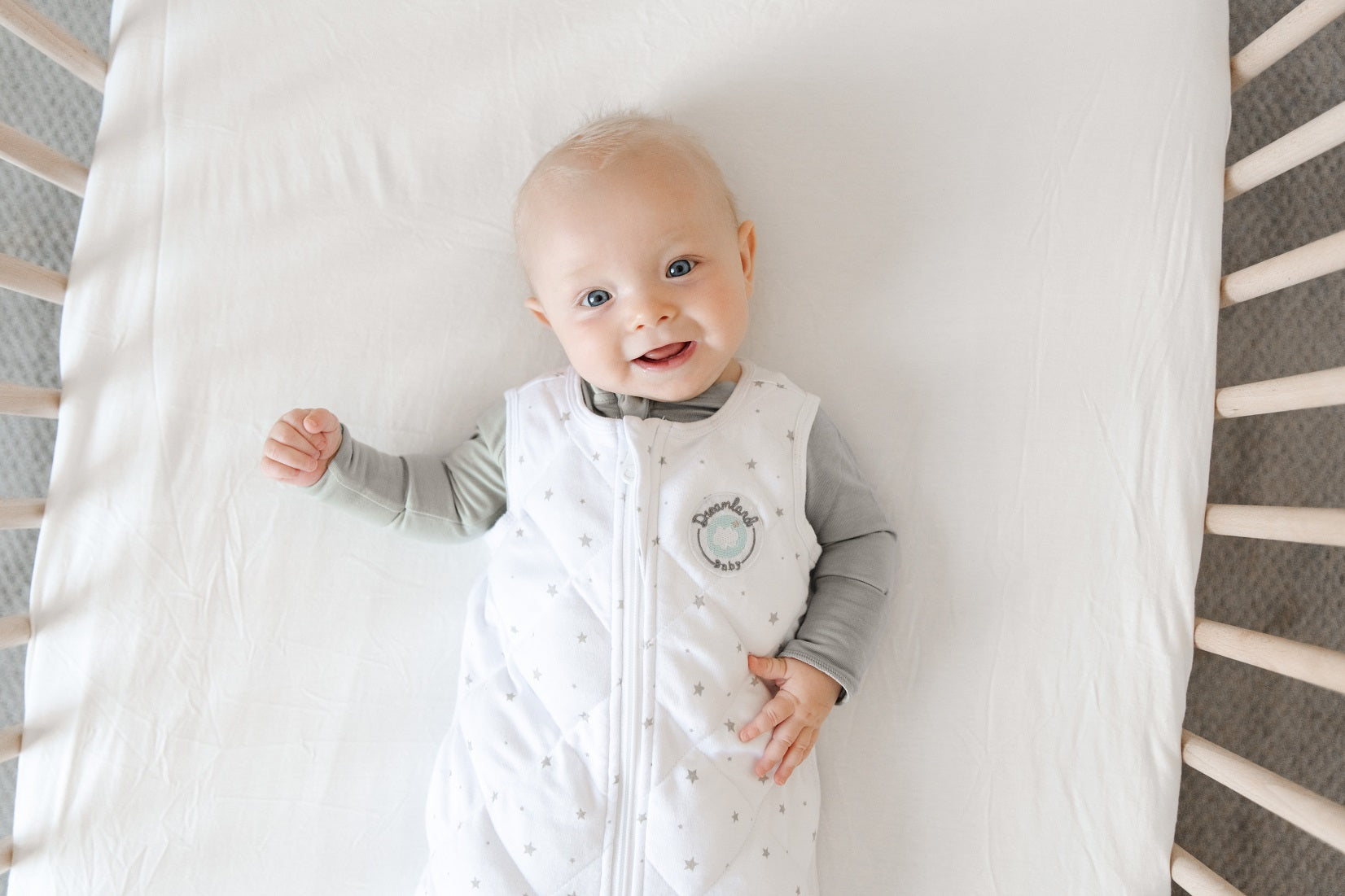
Credit: dreamlandbabyco.com
Alternatives To Mittens
Finding alternatives to mittens can help your baby explore safely. Babies need to use their hands to learn and grow. Mittens limit their ability to touch and feel. Using other methods keeps their hands free but still protects them.
Fold-over Pajamas
Fold-over pajamas have built-in cuffs that cover baby’s hands. They can be flipped over to protect from scratching. When your baby wants to use their hands, flip the cuffs back. These pajamas offer protection and freedom in one piece. They are easy to use and comfortable for your baby.
Keeping Nails Trimmed
Regularly trimming your baby’s nails prevents scratches. Use baby nail clippers or a file for safety. Short nails reduce the chance of skin damage. Check nails often because they grow fast. This simple step lets your baby use their hands freely without harm.
Nighttime Hand Covering
Nighttime hand covering for babies is a common practice to keep little hands warm and prevent scratching. Parents often wonder when to stop using mittens during sleep. Understanding the right time helps balance safety, comfort, and development. This section explains key points to consider for nighttime hand covering.
When To Cover At Night
Covering baby’s hands at night is helpful in the first weeks. Mittens protect from accidental scratches while nails grow. Once the baby gains better hand control, mittens may no longer be necessary. Watch for signs like the baby pulling mittens off or starting to reach for objects. At this stage, allow hands to be free during sleep.
Balancing Warmth And Freedom
It is important to keep baby’s hands warm without limiting movement. Use lightweight mittens or pajamas with fold-over cuffs for easy removal. Babies need to move and explore with their hands for brain growth and self-soothing. Avoid overheating by checking if hands feel too warm or sweaty. Let baby’s hands have freedom whenever possible.
Monitoring For Scratches
Scratches can occur from sharp nails or rough skin. Keeping nails trimmed reduces the need for mittens. Regularly check baby’s hands for any marks or irritation. If scratches appear, consider covering hands briefly at night again. Use soft mittens that fit well to avoid discomfort. Always prioritize baby’s comfort and safety.

Credit: gunamuna.com
Expert Tips For Parents
Parents often wonder about the right time to stop using mittens for their babies. Experts advise watching your baby’s behavior closely. Mittens are helpful at first to prevent scratching. But babies need their hands free to explore and learn. Here are some practical tips for parents to know when to stop using mittens.
Observing Baby’s Behavior
Watch your baby’s hand movements carefully. If your baby starts trying to pull the mittens off, it shows readiness. Notice if your baby reaches for toys or their own face. This signals better hand control and curiosity. These signs mean it’s time to let them use their hands freely. Babies learn a lot through touch and movement.
Safe Mitten Practices
Use mittens only during the first few weeks. Keep them clean and dry to avoid discomfort. Never leave mittens loose or too big. Loose mittens can become a choking hazard. Trim your baby’s nails regularly instead of relying on mittens. Choose mittens with soft materials to protect delicate skin. Remove mittens during feeding or playtime for safety.
Encouraging Hand Use
Let your baby use their hands to explore objects and textures. Hands-on play helps brain development and self-soothing. Use pajamas with fold-over mittens for flexible coverage. Allow hands to be free during the day for better growth. Praise your baby when they use their hands intentionally. This supports confidence and motor skill progress.
Frequently Asked Questions
Should Babies Wear Mittens All The Time?
Babies should wear mittens only for the first few weeks to prevent scratching. Remove mittens as they gain hand control. Avoid constant use to support development, self-soothing, and bonding. Keep nails trimmed and let babies explore with bare hands when possible.
When Should You Stop Covering Babies’ Hands At Night?
Stop covering babies’ hands at night once they control movements, no longer scratch themselves, or use hands for self-soothing. Trim nails regularly.
What Age Should I Stop Wearing Mittens?
Stop wearing mittens once your baby gains hand control, stops scratching, and uses hands to self-soothe, usually after 2-4 weeks.
When Should Babies Stop Wearing Mittens?
Babies should stop wearing mittens after 2 to 4 weeks. Once they gain better hand control and start intentionally moving their hands, it’s time to phase them out to encourage exploration and development.
Conclusion
Babies need mittens only for their first few weeks. Use mittens to prevent scratching but avoid long-term use. Let your baby’s hands explore to help brain growth and self-soothing. Watch for signs like pulling mittens off or reaching for objects.
Then, gently stop using mittens and let hands be free. Choose pajamas with fold-over mittens for flexible protection. Keep nails trimmed to reduce scratching risks. This balance helps your baby stay safe and develop well.