Essential Guide for Baby Stroller Longevity Maintenance
You want your baby stroller to be safe, smooth, and ready whenever you are. But without proper care, even the best stroller can wear down quickly.
That’s why knowing how to maintain your stroller is so important. In this guide, you’ll discover simple, effective tips to keep your stroller clean, wheels rolling, and mechanisms working like new. Whether you’re tackling sticky messes or making sure every part moves smoothly, these easy steps will help you protect your investment and ensure your little one’s comfort on every outing.
Keep reading to learn how to make stroller maintenance a quick, stress-free part of your routine.
Cleaning The Fabric
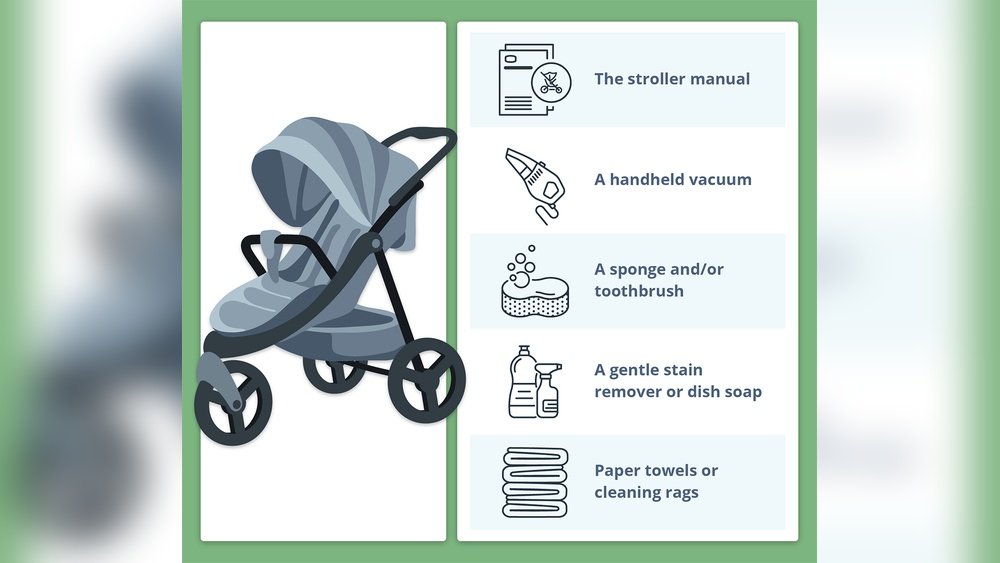
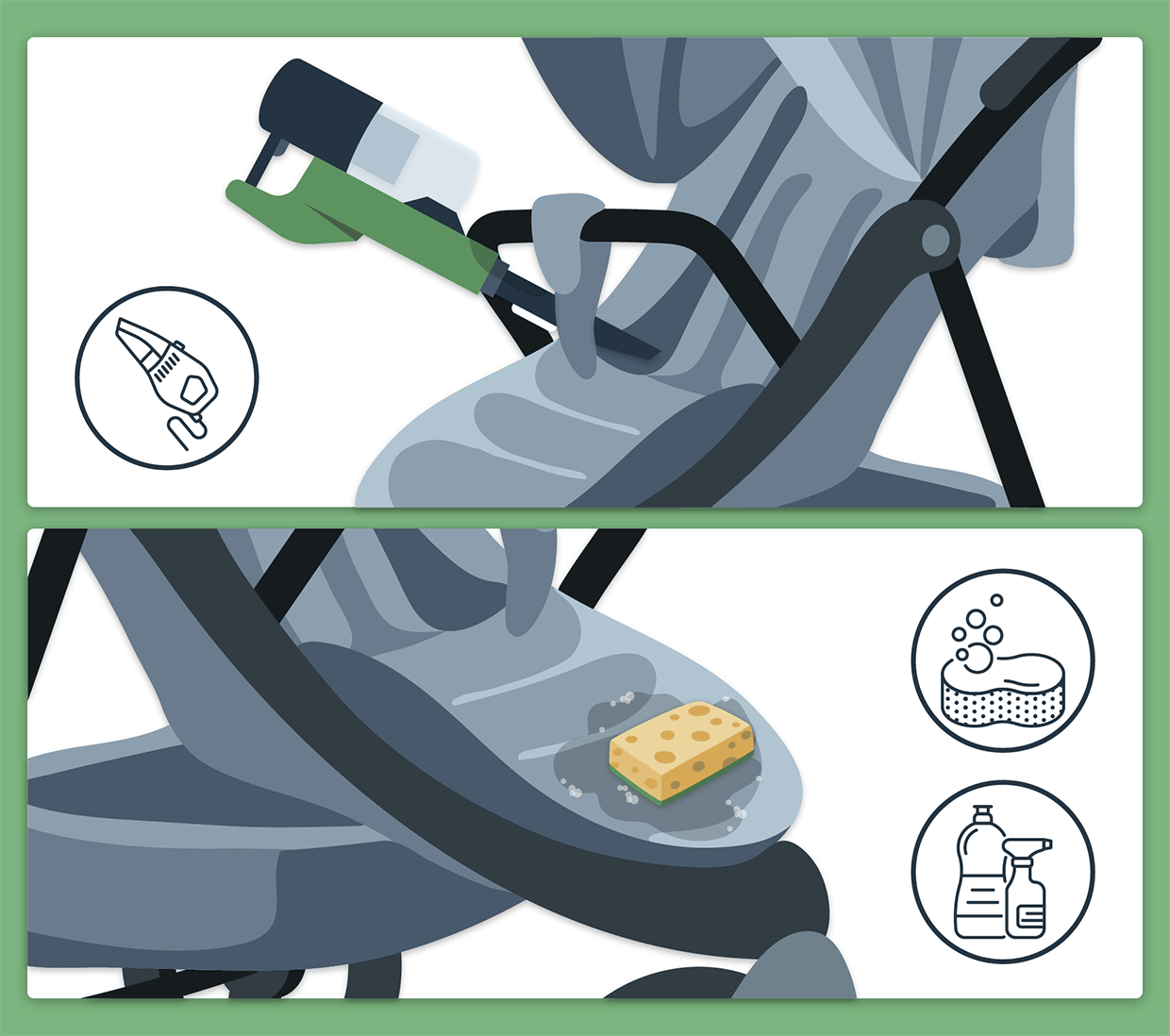
Cleaning the fabric of your baby stroller keeps it fresh and safe for your child. Dirt, spills, and stains happen often during outings. Regular cleaning helps maintain the stroller’s look and hygiene. Proper care prevents fabric damage and extends its life.
Choosing Baby-safe Detergents
Use detergents made for baby clothes or sensitive skin. These products avoid harsh chemicals and strong fragrances. Mild, hypoallergenic detergents protect your baby’s skin. Always check the label for safety and gentle ingredients. Avoid bleach or fabric softeners that can harm the fabric.
Removing Stains And Spills
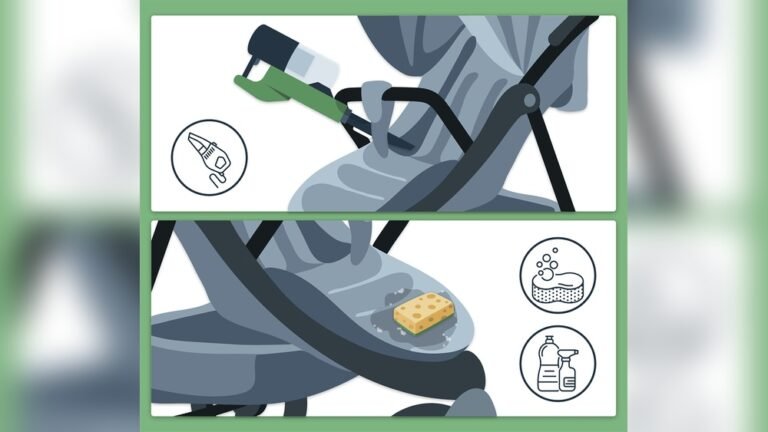
Act quickly on stains to prevent permanent marks. Blot spills gently with a clean cloth. Use a small amount of baby-safe detergent mixed with water. Gently scrub the stained area using a soft brush or cloth. Rinse with clean water to remove soap residue. Repeat if needed, but avoid rubbing too hard.
Drying Tips To Prevent Mold
Dry stroller fabric completely after cleaning. Leave it in a well-ventilated area away from direct sunlight. Sunlight may fade colors but helps kill bacteria. Use a fan for faster drying if indoors. Never store the stroller while the fabric is damp. Mold and unpleasant odors can grow in wet fabric.
Credit: www.chiccousa.com
Maintaining The Wheels
The wheels of a baby stroller take most of the wear and tear. Keeping them in good shape helps your stroller move smoothly and safely. Regular care prevents damage and extends the life of the wheels.
Washing And Removing Debris
Clean the wheels often to remove dirt, mud, and small stones. Use a damp cloth or soft brush for this task. Avoid soaking the wheels in water as it may damage the bearings. Dry the wheels thoroughly after cleaning to stop rust and corrosion.
Lubricating Moving Parts
Apply a light lubricant to the wheel axles and any moving parts. This reduces friction and noise during movement. Use a silicone-based or a light oil lubricant for best results. Wipe off excess oil to keep the stroller clean and prevent dirt buildup.
Replacing Worn Wheels
Check the wheels for cracks, flat spots, or loose parts regularly. Replace wheels that show signs of heavy wear or damage. Use wheels recommended by the stroller manufacturer for proper fit and safety. Changing worn wheels keeps your stroller stable and easy to push.
Protecting The Frame
The stroller frame supports your baby’s safety and comfort. Protecting this frame keeps the stroller strong and reliable. Regular care prevents damage and extends the stroller’s life.
Focus on cleaning, preventing rust, and checking for any damage. These steps maintain the frame’s condition and ensure smooth use.
Cleaning Metal And Plastic Parts
Use a soft cloth and mild soap to clean metal and plastic parts. Avoid harsh chemicals that can damage the surface. Wipe down all areas, including joints and connectors. Dry the frame thoroughly to prevent moisture buildup. Regular cleaning removes dirt and grime that cause wear.
Preventing Rust And Corrosion
Keep the stroller frame dry to avoid rust. Store it indoors or under cover during bad weather. Apply a thin layer of protective oil on metal parts. This shields the frame from moisture and salt. Check the frame often for early signs of rust. Treat any rust spots quickly to stop spreading.
Inspecting For Damage
Examine the frame regularly for cracks, bends, or loose screws. Damaged parts can affect stroller safety. Tighten loose bolts and replace broken pieces right away. Look closely at welds and joints for any weakness. Early detection of damage prevents bigger problems later.
Proper Storage Techniques
Proper storage plays a key role in keeping your baby stroller in top shape. Storing your stroller correctly prevents damage and extends its lifespan. It also keeps the stroller clean and ready for use at any time.
Follow simple steps to protect your stroller from dust, dirt, and wear. Safe storage avoids problems such as rust, torn fabric, and broken parts. These tips help you keep your stroller looking and working like new.
Using Protective Covers
Protective covers shield your stroller from dust and dirt. Use a cover made from breathable material to avoid moisture buildup. Covers prevent stains and sun damage to the fabric. Always cover the stroller before storing it indoors or outdoors.
Folding And Unfolding Safely
Fold the stroller gently to avoid breaking hinges and locks. Follow the manufacturer’s instructions to fold and unfold it correctly. Do not force any parts when folding. Keep the stroller folded during storage to save space and prevent damage.
Avoiding Extreme Temperatures
Store your stroller in a place with stable temperature. Avoid storing it in very hot or cold areas. Extreme heat can weaken plastic parts and fade fabric. Cold can make wheels stiff and hard to move. A cool, dry place is best for long-term storage.
Weight And Usage Limits
Every baby stroller comes with specific weight and usage limits. These limits ensure the stroller stays safe and functional. Staying within these limits helps avoid damage and protects your child. Understanding and respecting these guidelines extends the stroller’s life and keeps your baby comfortable.
Following Manufacturer Guidelines
Manufacturers set weight limits for a reason. These limits include the weight of the child and any additional items in the stroller. Always check the user manual for exact numbers. Using the stroller beyond these limits can cause frame bending or wheel failure. Stick to the guidelines to keep the stroller safe and durable.
Recognizing Signs Of Wear
Regularly inspect your stroller for signs of wear and tear. Look for cracks in the frame or loose parts. Worn wheels or brakes may reduce safety and comfort. If you see fabric tears or broken straps, replace or repair them quickly. Early detection prevents accidents and costly replacements.
Adjusting For Growing Children
As your child grows, adjust the stroller settings to fit their size. Many strollers offer adjustable harnesses and seat positions. This keeps your child comfortable and secure during rides. Avoid forcing your child into a stroller that feels too tight or too loose. Proper adjustment supports healthy posture and safety.
Troubleshooting Common Issues
Baby strollers face regular wear and tear. Troubleshooting common issues helps keep your stroller safe and smooth. Many problems are easy to fix at home. Knowing simple repair steps saves time and money. Below are tips for common stroller troubles.
Fixing Stuck Or Noisy Wheels
Wheels often get stuck due to dirt or debris. Clean wheels with a damp cloth and remove trapped particles. Apply a small amount of lubricant to wheel axles. Spin wheels to spread lubricant evenly. Check wheel alignment and tighten loose screws. Replace wheels if they are cracked or too worn out. Proper wheel care ensures a smooth ride for your baby.
Repairing Broken Locks And Hinges
Locks and hinges keep the stroller stable and safe. Inspect these parts regularly for damage or looseness. Tighten any loose screws or bolts carefully. If a lock is broken, order a replacement from the manufacturer. Hinges may need lubrication to move freely. Avoid forcing locks to prevent further damage. A secure locking system protects your child during use.
Addressing Fabric Tears
Fabric tears reduce stroller comfort and safety. Small rips can be fixed with needle and thread or fabric glue. Use patches for larger holes to cover and strengthen the area. Wash fabric parts gently to avoid more damage. Replace severely torn fabric panels if repair is impossible. Keeping fabric intact improves stroller appearance and your baby’s comfort.
Extending Stroller Lifespan
Extending the lifespan of your baby stroller saves money and ensures safety. Proper care keeps the stroller functioning well. It also maintains comfort for your child. Small efforts in maintenance prevent major repairs or replacements. Focus on regular check-ups, quality parts, and balanced use to get the most from your stroller.
Regular Inspection Schedule
Check your stroller every week for any damage. Look at wheels, brakes, and frame closely. Tighten loose screws and bolts right away. Inspect fabric for tears or dirt buildup. Clean the stroller regularly to avoid wear from grime. Early detection of problems helps avoid bigger issues.
Choosing Quality Replacement Parts
Use only original or high-quality replacement parts. Cheap parts can cause safety risks or wear out fast. Replace worn wheels and brakes promptly. Confirm parts fit your stroller model perfectly. Quality parts keep the stroller stable and smooth. This choice extends the stroller’s overall life.
Balancing Use And Care
Do not overload the stroller beyond its weight limit. Follow the manufacturer’s guidelines strictly. Use the stroller on suitable surfaces to avoid damage. Store it indoors away from harsh weather. Fold and unfold carefully to avoid stress on joints. Balanced use and care protect the stroller’s parts and structure.

Credit: www.airbeam.it
When To Replace Your Stroller
Knowing when to replace your baby stroller is vital for safety and comfort. Strollers face daily wear from use, weather, and time. Recognizing the right moment to switch helps keep your child secure and your outings smooth. Below are key points to watch for that signal it’s time for a new stroller.
Signs Of Structural Damage
Check the frame often for cracks or bends. Loose joints or broken parts reduce stability. Wheels that wobble or do not spin well affect maneuverability. Straps or harnesses that tear or fail to lock pose a safety risk. Any damage like this means replacement is necessary to protect your child.
Outgrowing Size Limits
Every stroller has weight and height limits. When your child grows bigger than these, the stroller becomes unsafe. Overloading can break parts or cause tipping. Also, cramped seats cause discomfort and poor posture. Upgrade to a larger model when your baby outgrows the current stroller’s capacity.
Considering Safety Recalls
Manufacturers issue recalls for safety defects. Stay informed by checking recall lists regularly. If your stroller is recalled, stop using it immediately. Follow instructions to repair or replace it free of charge. Ignoring recalls puts your child at risk and is not worth the danger.

Credit: sensorhaus.com
Frequently Asked Questions
How To Maintain A Stroller?
Clean the seat and frame regularly. Wash and lubricate wheels to ensure smooth movement. Store stroller in a dry place. Check for loose parts and tighten them. Follow weight limits to avoid damage and ensure safety.
What Are Common Stroller Problems?
Common stroller problems include stuck or worn wheels, broken brakes, faulty folding mechanisms, torn fabric, and loose handles. Regular maintenance like lubricating wheels and cleaning fabric helps prevent these issues.
How Long Do Strollers Usually Last?
Strollers usually last 3 to 5 years with proper care. High-quality models may last longer through multiple children. Regular maintenance and following weight limits extend lifespan. Replace strollers if damaged or unsafe.
How To Lubricate A Stroller?
Apply a silicone-based lubricant to stroller wheels, hinges, and swivel joints. Avoid oil-based products to prevent dirt buildup. Wipe excess lubricant for smooth movement. Repeat every few months or when parts squeak.
Conclusion
Regular stroller care keeps your baby safe and comfortable. Clean the seat and wheels often. Check for worn parts and fix them quickly. Store the stroller in a dry place to avoid damage. Follow weight limits to prevent accidents and wear.
Small steps make your stroller last longer. Enjoy every stroll with peace of mind. Simple maintenance saves time and money. Keep your stroller ready for all your family outings.
I’m Melissa Turner, a mom of two passionate about helping parents make confident buying decisions. I research and review baby gear, compare trusted products, and share practical parenting tips based on careful research. My goal is to simplify shopping with honest, easy-to-understand guides that put safety, comfort, and value first. I focus on baby carriers, strollers, feeding essentials, nursery products, and everyday parenting gear. I hope my recommendations help make your parenting journey a little easier and more enjoyable.