How Long Does Baby Stroller Last: Essential Lifespan Insights
You’ve invested in a baby stroller, but how long can you really expect it to last? Whether you’re a new parent or preparing for your next little one, knowing the lifespan of your stroller helps you plan smarter.
You want a product that keeps up with your child’s growth and your busy lifestyle without breaking down too soon. You’ll discover how long different types of strollers typically last, signs it’s time to upgrade, and tips to extend your stroller’s life.
Keep reading to make the most of your stroller and avoid surprises along the way.
Stroller Lifespan By Type
Different stroller types last for different lengths of time. Knowing the typical lifespan helps parents choose wisely. Each type has unique features and uses. These factors affect how long the stroller will serve your family.
Standard Strollers
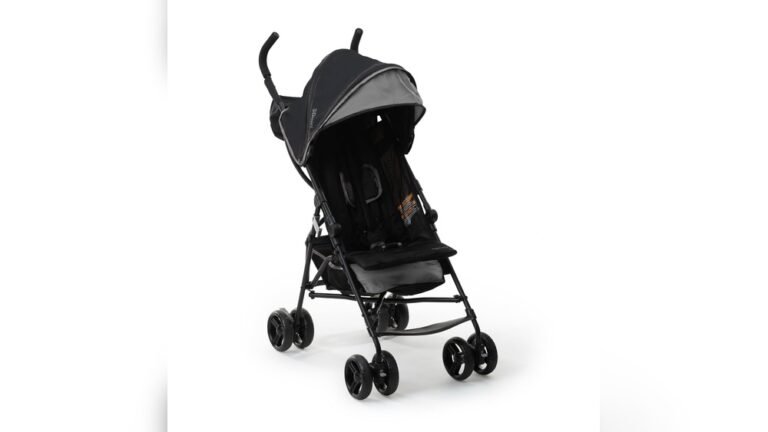
Standard strollers are sturdy and versatile. They usually last about 3 to 5 years. Made for everyday use, they can carry children from infancy to toddlerhood. Their strong frame supports growing kids well. Proper care can extend their lifespan even more.
Jogging Strollers
Jogging strollers are designed for active parents. Their durable wheels and suspension handle rough terrain. These strollers last around 4 to 6 years. They require regular maintenance to keep running smooth. Ideal for fitness lovers who want to exercise with their child.
Lightweight And Umbrella Strollers
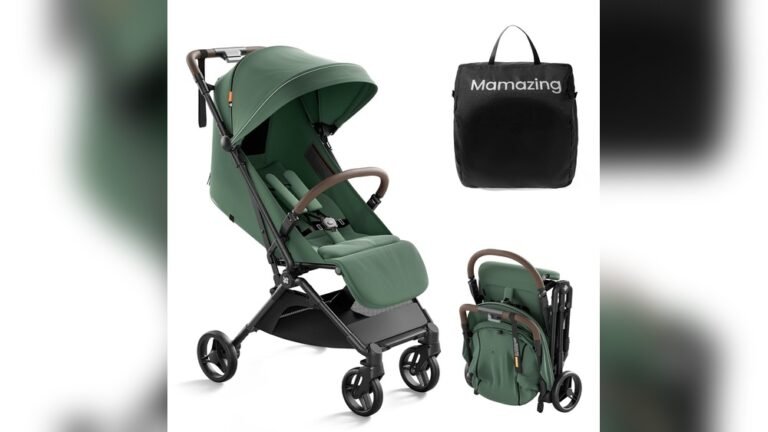
Lightweight and umbrella strollers are easy to fold and carry. They last about 2 to 4 years. Best for quick trips and travel, they are less sturdy than standard types. Frequent folding can wear out joints faster. Good for families on the go with smaller storage needs.
Travel Systems
Travel systems combine a stroller and infant car seat. They last about 3 to 5 years. These offer convenience for moving baby between car and stroller. Their lifespan depends on the quality of both parts. Regular checks ensure safety and smooth function throughout use.
Signs Kids Outgrow Strollers
Recognizing when kids outgrow their strollers helps parents decide the right time to transition. Children show clear signs of readiness beyond size alone. Observing these signs ensures comfort and safety for your child. Strollers serve well until kids start to move more independently.
Physical Readiness
Children who have better balance and strength may not need strollers. They can sit and stand without support. Heavy or bulky strollers become uncomfortable for bigger kids. Watch for signs like restlessness or squirming during stroller rides. These often mean the child is physically ready to walk more.
Interest In Walking
Kids eager to explore on foot signal they outgrow strollers. They want to get down and move around. When a child shows curiosity about the world, they prefer walking. Refusal to stay seated during stroller rides is common. Their desire to walk is a key sign to limit stroller use.
Stamina And Endurance
Children who can walk longer distances need less stroller time. Increased stamina means fewer breaks are necessary. Kids able to handle walks without tiring quickly enjoy more freedom. If your child can keep up on family outings, the stroller might be less useful. This endurance is a clear sign of outgrowing the stroller.
Following Directions
Kids who listen and follow simple instructions handle walking safely. They understand to stay close and avoid dangers without a stroller. Being able to follow directions reduces risks during walks. Parents feel more confident letting kids walk when they cooperate. This skill marks a transition from stroller dependency.
Factors Affecting Stroller Longevity
The lifespan of a baby stroller depends on several key factors. These elements influence how long your stroller stays safe and functional. Understanding them helps you make smarter choices for your family. Below are the main factors that affect stroller longevity.
Build Quality
The materials and design affect how long a stroller lasts. Strollers made with sturdy frames and durable fabrics tend to last longer. High-quality wheels and joints resist wear and tear better. Cheaper models may break or wear out quickly. Investing in a well-made stroller usually pays off over time.
Care And Maintenance
Regular cleaning and proper storage extend a stroller’s life. Dirt and moisture can damage parts if left unchecked. Lubricating wheels and tightening screws prevent malfunction. Checking for loose or broken parts keeps the stroller safe. Taking care of your stroller helps avoid early replacement.
Frequency Of Use
How often you use the stroller impacts its durability. Daily use causes faster wear than occasional outings. Rough terrain or heavy loads speed up damage. Using the stroller gently and within limits helps it last longer. Strollers used less frequently often stay in better shape.
Child’s Needs And Behavior
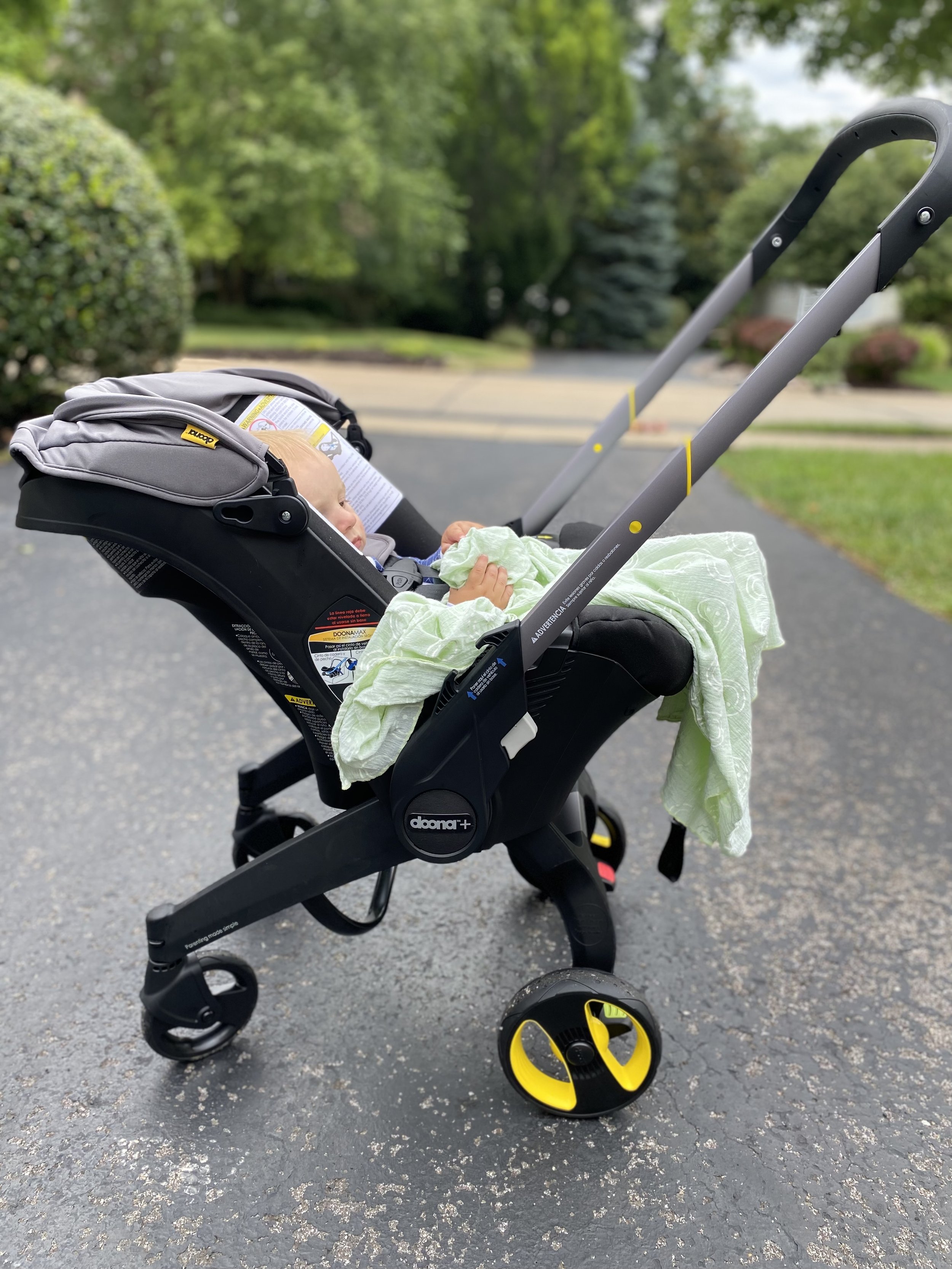
Each child uses a stroller differently, affecting its lifespan. Active toddlers may push the stroller hard or jump on it. Growing children require larger, stronger strollers. Strollers that do not fit the child’s size wear out quickly. Matching the stroller to your child’s needs improves longevity.
Credit: kdfoundation.org
Safety And Weight Limits
Safety and weight limits play a crucial role in determining how long a baby stroller lasts. Using a stroller beyond its recommended weight or height can cause damage and risk your child’s safety. Understanding these limits helps you keep your child secure and extend the life of your stroller.
Maximum Weight Guidelines
Every stroller has a maximum weight limit set by the manufacturer. This limit includes your child’s weight plus any added items like bags or toys. Exceeding this weight can strain the stroller’s frame and wheels. Always check the stroller’s manual or label for the exact weight capacity. Staying within these limits prevents accidents and keeps the stroller functioning well.
Height Restrictions
Height restrictions are as important as weight limits. A child who is too tall for the stroller may not sit comfortably or safely. This can lead to poor posture or even falling out. Some strollers list a height limit to guide parents. Make sure your child fits well to avoid discomfort and reduce wear on the stroller’s harness and seat.
Checking For Wear And Tear
Regularly inspect your stroller for signs of wear and tear. Look at the wheels, brakes, and frame for cracks or loose parts. Check the harness straps for fraying or damage. Worn-out parts can reduce safety and shorten the stroller’s life. Fix or replace damaged components as soon as possible to keep the stroller safe and reliable.
Importance Of Proper Use
Using the stroller properly extends its lifespan and ensures safety. Avoid overloading the storage basket or hanging heavy bags on the handles. Push the stroller on smooth surfaces to reduce stress on the wheels. Follow the manufacturer’s instructions for folding and cleaning. Proper use prevents damage and protects your child during outings.
Tips For Extending Stroller Life
Extending the life of your baby stroller saves money and effort. Proper care keeps it safe and comfortable for your child. Small habits can make a big difference. Follow these tips to keep your stroller in good shape for longer.
Regular Cleaning
Clean your stroller often to remove dirt and grime. Use a soft cloth and mild soap. Avoid harsh chemicals that can damage fabric and plastic. Let the stroller dry completely before storing. This prevents mold and unpleasant smells. Regular cleaning keeps the stroller looking fresh and new.
Proper Storage
Store the stroller in a dry, cool place. Avoid leaving it outside in rain or direct sunlight. Sun exposure can fade colors and weaken materials. Use a stroller cover if you must keep it outdoors. Proper storage protects wheels and joints from rust and wear. It also keeps the fabric from fading.
Timely Repairs
Fix small problems quickly to avoid bigger damage. Check wheels, brakes, and locks regularly. Tighten loose screws and oil moving parts. Replace worn-out tires or broken parts as needed. Timely repairs improve safety and keep the stroller working smoothly. Don’t ignore unusual sounds or stiff movements.
Avoiding Overloading
Follow the stroller’s weight limit strictly. Carrying too much weight strains the frame and wheels. Overloading can cause the stroller to break or tip over. Use storage baskets only for light items. Distribute weight evenly to keep balance. Avoid hanging heavy bags on handles to prevent tipping.
Transitioning From Stroller To Walking
Transitioning from stroller to walking marks an important stage in your child’s growth. It shows their growing independence and physical ability. This change needs patience and support to make it smooth and enjoyable. Letting your child explore by walking helps build strength and confidence.
Gradual Distance Increase
Start with short walks close to home. Slowly add more distance each day. This helps your child build stamina without feeling tired. Watch for signs of fatigue and rest as needed. Gradual changes make walking less overwhelming.
Making Walks Fun
Turn walking into a game to keep your child interested. Play “I spy” or count objects along the way. Use colorful shoes or let them choose a small toy to carry. Fun activities encourage your child to keep moving happily.
Alternative Mobility Options
Sometimes walking all the time is too much for little legs. Try a scooter or a stroller with a standing board. These options give a break without stopping the adventure. They also add variety and excitement to travel days.
Recognizing Readiness
Look for signs your child is ready to walk more. They may ask to walk or show interest in exploring. Check if they can walk longer without tiring or falling. Also, see if they follow simple directions during walks. These clues help decide when to reduce stroller use.
Used Vs New Strollers
Choosing between a used and new baby stroller can affect how long it lasts and how safe it is. Both options have benefits and drawbacks. Understanding these helps parents make smart choices for their child and budget.
Pros And Cons Of Used Strollers
Used strollers cost less than new ones. This saves money upfront. Many used strollers are still in good shape. They may have minor scratches but work well.
Used strollers might miss the latest features. Some parts could be worn or broken. Repairing old strollers can add extra costs. Also, used strollers may not come with a warranty.
Safety Considerations
New strollers meet current safety rules and standards. They have up-to-date harnesses and brakes. Used strollers might not meet new safety laws. Check for recalls or missing parts before buying.
Always inspect a used stroller for damage or wear. Look closely at the frame, wheels, and straps. Avoid strollers with broken parts or missing safety labels.
Cost And Longevity
New strollers last longer due to fresh parts and better materials. They often have warranties that cover repairs. Used strollers can last if they are well cared for. But their life span may be shorter.
Think about how long you will use the stroller. For short use, a used stroller might be enough. For long-term use, a new stroller could be a better investment.
Where To Buy
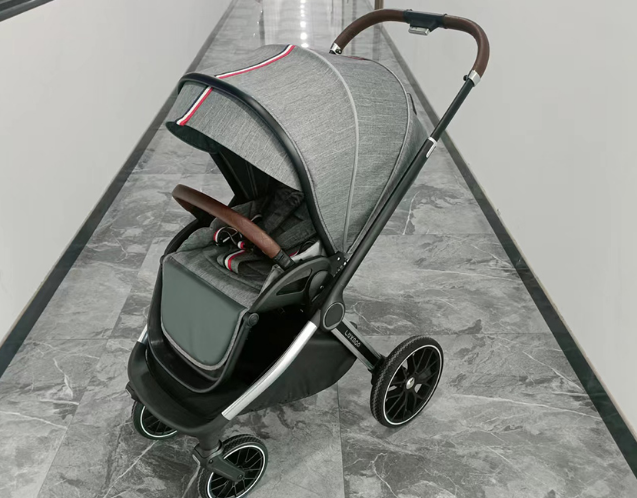
Used strollers can be found on local marketplaces or secondhand stores. Online platforms offer many options, but inspect before buying. New strollers are sold in baby stores and online shops.
Buying from trusted sellers ensures better quality and service. Check return policies and warranties before making a purchase.

Credit: www.riverbabygroup.com
Credit: www.smtstroller.com
Popular Asked Questions
What Is The Lifespan Of A Stroller?
A stroller typically lasts 3 to 5 years with proper care. High-quality models may last longer through multiple children. Replace it if it shows wear or no longer meets safety standards.
How Often Should You Replace A Stroller?
Replace a stroller when it shows wear, no longer fits your child, or fails safety standards. Quality and care affect lifespan. Most last several years or through multiple children.
What Is The 2 Hour Rule For Babies?
The 2-hour rule for babies advises feeding or changing every two hours to prevent hunger and discomfort. It helps maintain routine and supports healthy growth.
How Long Should You Keep A Stroller?
Keep a stroller until your child walks steadily and comfortably for long periods. Proper care can extend its use through multiple children. Replace it when it no longer meets your child’s safety or comfort needs.
Conclusion
A baby stroller can last several years with good care. Quality, usage, and child’s growth affect its lifespan. Watch for signs your child is ready to walk more. Transition slowly to keep your child comfortable and safe. Always follow the stroller’s weight and height limits.
Choosing the right time to stop using a stroller helps your child explore more. A well-maintained stroller supports many adventures from infancy to toddlerhood. This makes it a valuable tool for parents on the go.
I’m Melissa Turner, a mom of two passionate about helping parents make confident buying decisions. I research and review baby gear, compare trusted products, and share practical parenting tips based on careful research. My goal is to simplify shopping with honest, easy-to-understand guides that put safety, comfort, and value first. I focus on baby carriers, strollers, feeding essentials, nursery products, and everyday parenting gear. I hope my recommendations help make your parenting journey a little easier and more enjoyable.